
Light
Bright indirect • approx. 10,000–20,000 lux


VAT included · plus
Quick overview of our standard shipping rates, free-shipping thresholds and typical transit times for the countries we currently serve. Remote-area surcharges for certain postcodes are added automatically at checkout where applicable.
For full details, winter shipping rules and packaging information, please visit our Shipping & Delivery page.
| Country | Shipping | Free from | Transit time |
|---|---|---|---|
| Austria | € 12.95 | € 100 | 2–4 working days |
| Belgium | € 8.95 | € 100 | 1–2 working days |
| Bulgaria | € 21.95 | € 300 | 5–7 working days |
| Croatia | € 29.95 | € 300 | 5–7 working days |
| Cyprus (²) | € 39.95 | No free shipping | 5–7 working days |
| Czechia | € 16.95 | € 150 | 2–4 working days |
| Denmark (¹) | € 16.95 | € 150 | 2–4 working days |
| Estonia | € 18.95 | € 200 | 2–4 working days |
| Finland | € 29.95 | € 300 | 5–7 working days |
| France (¹) | € 12.95 | € 100 | 2–4 working days |
| Germany | € 8.95 | € 70 | 1–2 working days |
| Greece (¹²) | € 29.95 | € 300 | 5–7 working days |
| Hungary | € 18.95 | € 200 | 2–4 working days |
| Ireland | € 14.95 | € 150 | 2–4 working days |
| Italy (¹) | € 14.95 | € 150 | 2–4 working days |
| Latvia | € 18.95 | € 200 | 5–7 working days |
| Lithuania | € 18.95 | € 200 | 2–4 working days |
| Luxembourg | € 12.95 | € 100 | 1–2 working days |
| Malta (²) | € 39.95 | No free shipping | 5–7 working days |
| Netherlands | € 8.95 | € 100 | 1–2 working days |
| Poland | € 12.95 | € 100 | 2–4 working days |
| Portugal (¹) | € 14.95 | € 150 | 2–4 working days |
| Romania | € 21.95 | € 300 | 5–7 working days |
| Slovakia | € 18.95 | € 200 | 5–7 working days |
| Slovenia | € 18.95 | € 200 | 5–7 working days |
| Spain (¹) | € 14.95 | € 125 | 2–4 working days |
| Sweden | € 18.95 | € 200 | 2–4 working days |
| Switzerland | € 29.95 | € 300 | 5–7 working days |
Secure shipping – carefully packed orders with safe delivery across the EU, UK and Switzerland.
28-day plant guarantee – if a plant arrives damaged or fails soon after delivery, we help you make it right.
Free returns – simple, cost-free returns according to our policy.
For full details, please see:
Light
Bright indirect • approx. 10,000–20,000 lux
Water
Water when ~40–60% dry
Substrate
Aerated • Moisture-buffered • Balanced organic + mineral • Medium
Temperature
Ideal: 18–24 °C • Avoid below: 15 °C
Humidity
Moist 50–60 %
Growth habit
upright clumping subshrub
Support
not needed
Growth speed
Average
Max size indoors
Max. height: 70 cm • Max. spread: 70 cm
Toxicity & safety
Toxic
Origin & habitat
Cultivar of Aglaonema commutatum
These metrics are standardised reference points. We compile them by reviewing and cross-checking multiple botanical and horticultural references, then refining them through real-world growing experience. Source links: Plant Care Resources.
Please use the values as guidance. Conditions vary by home, so the same plant can respond differently. For plant-specific context, read the full product description and browse our Plant Care Guides.
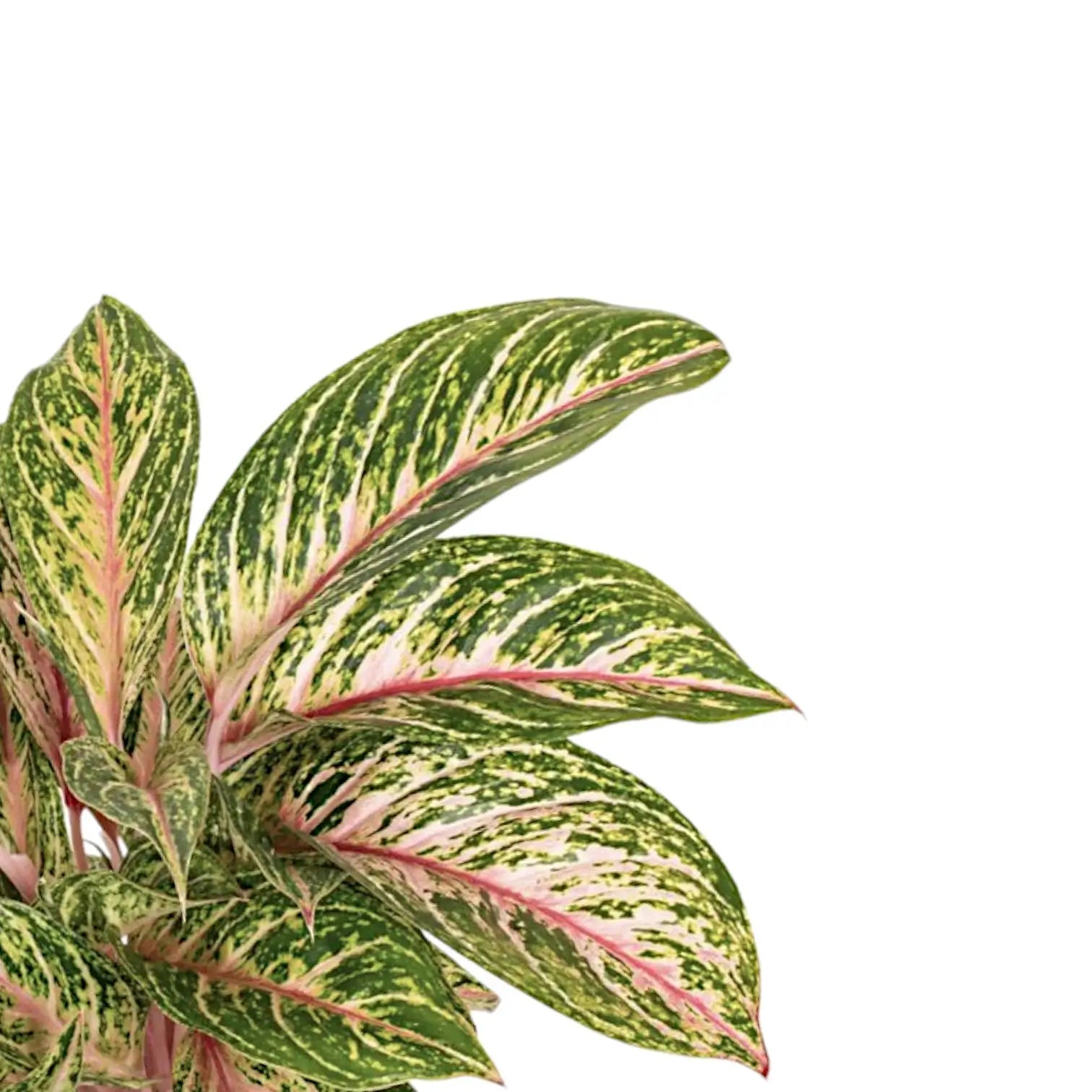
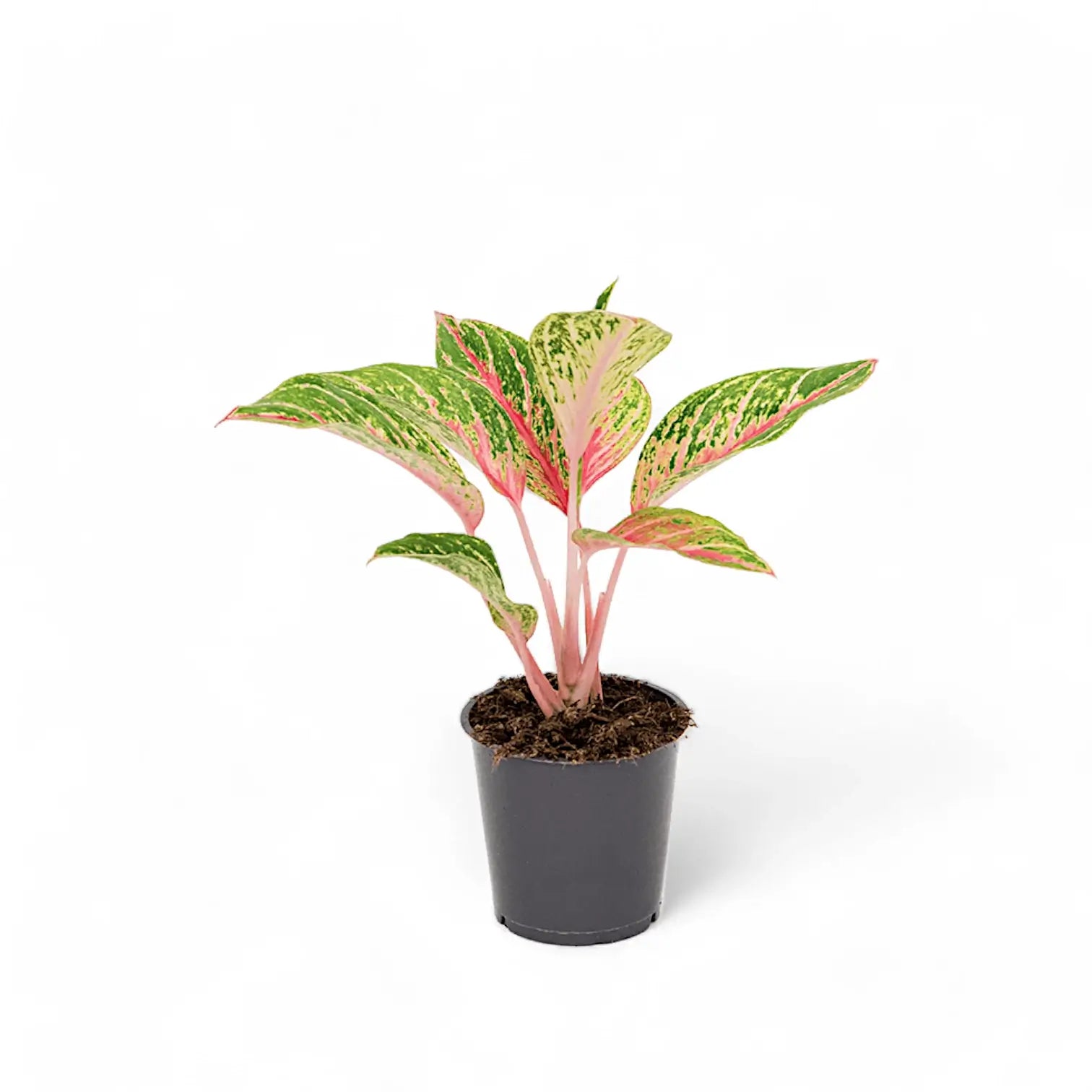
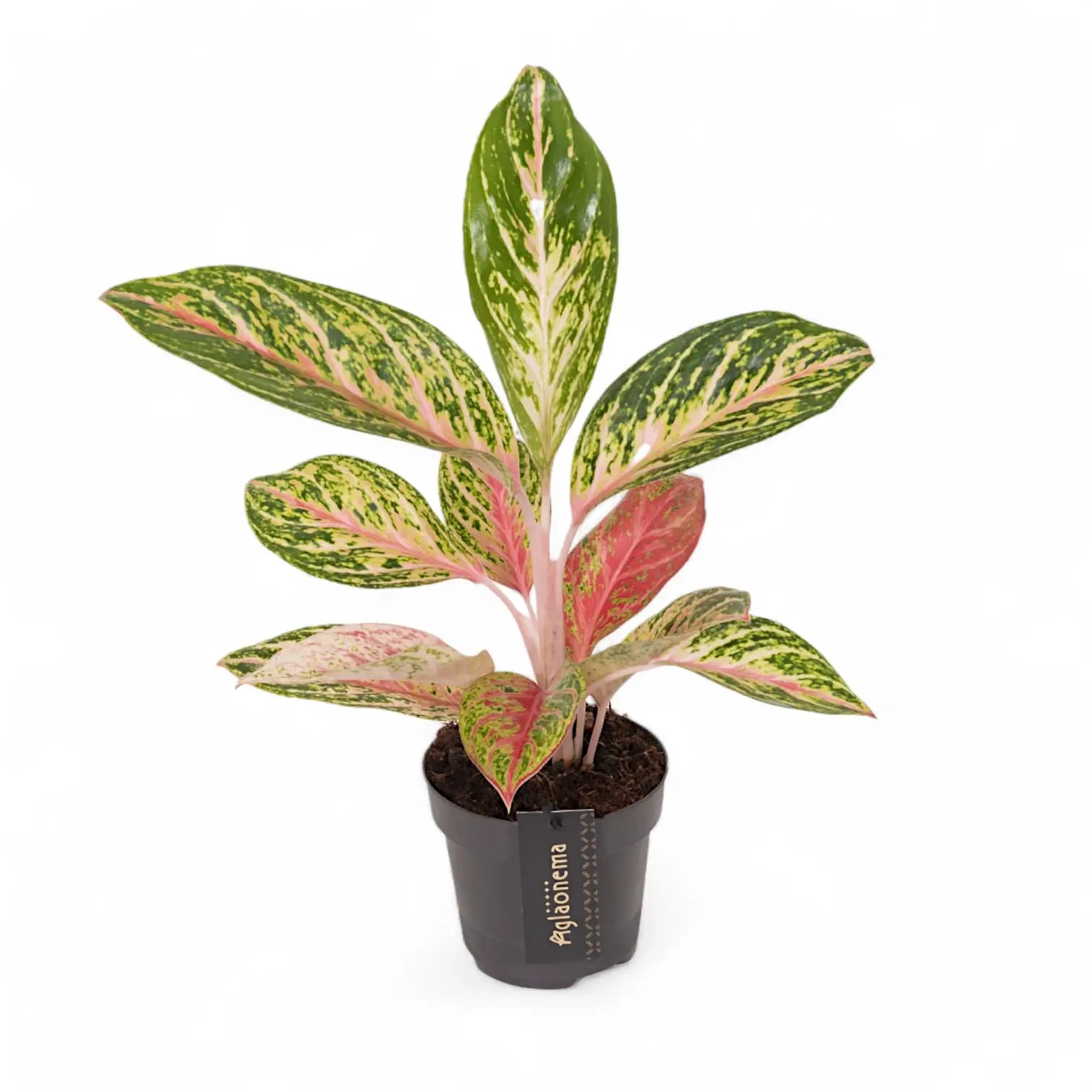
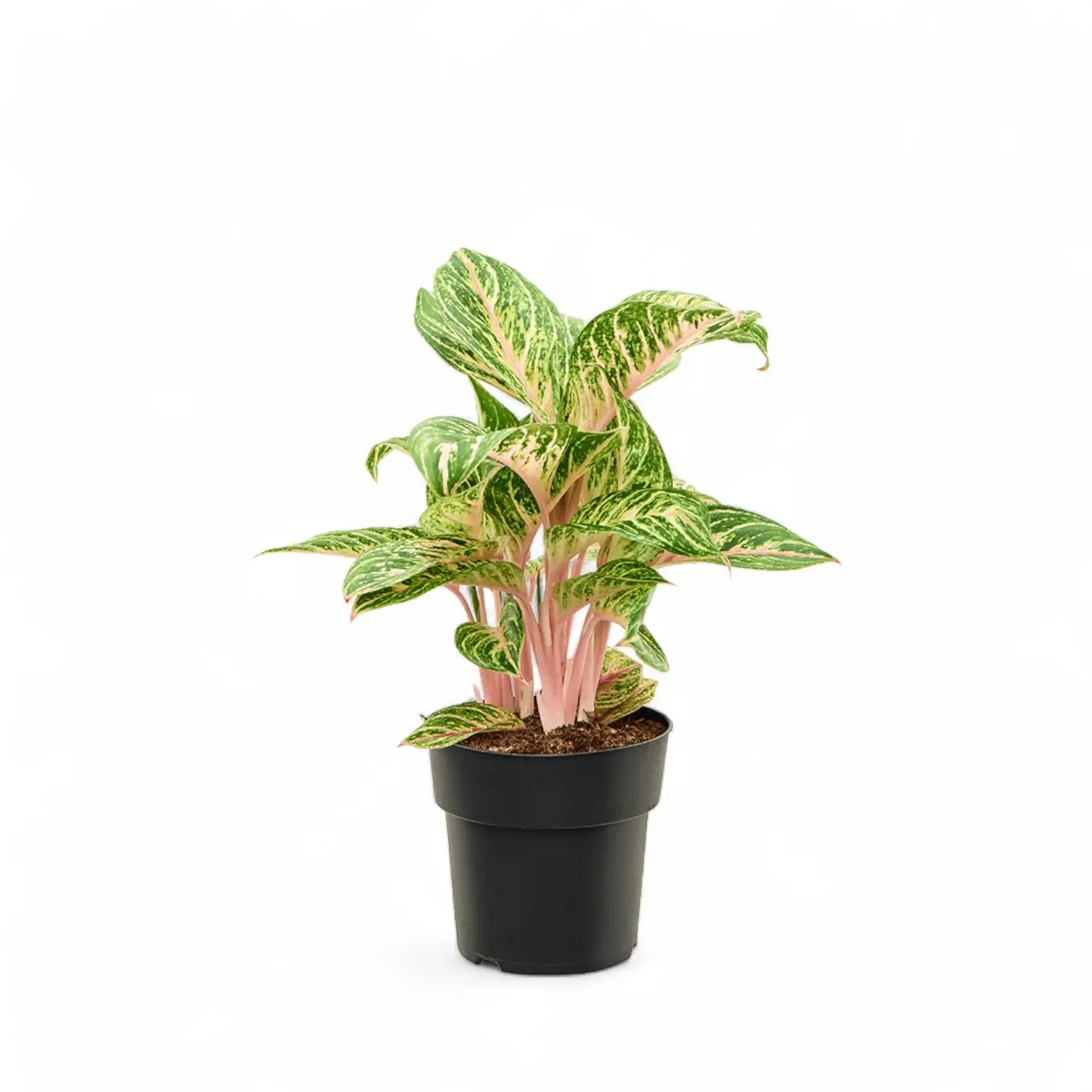
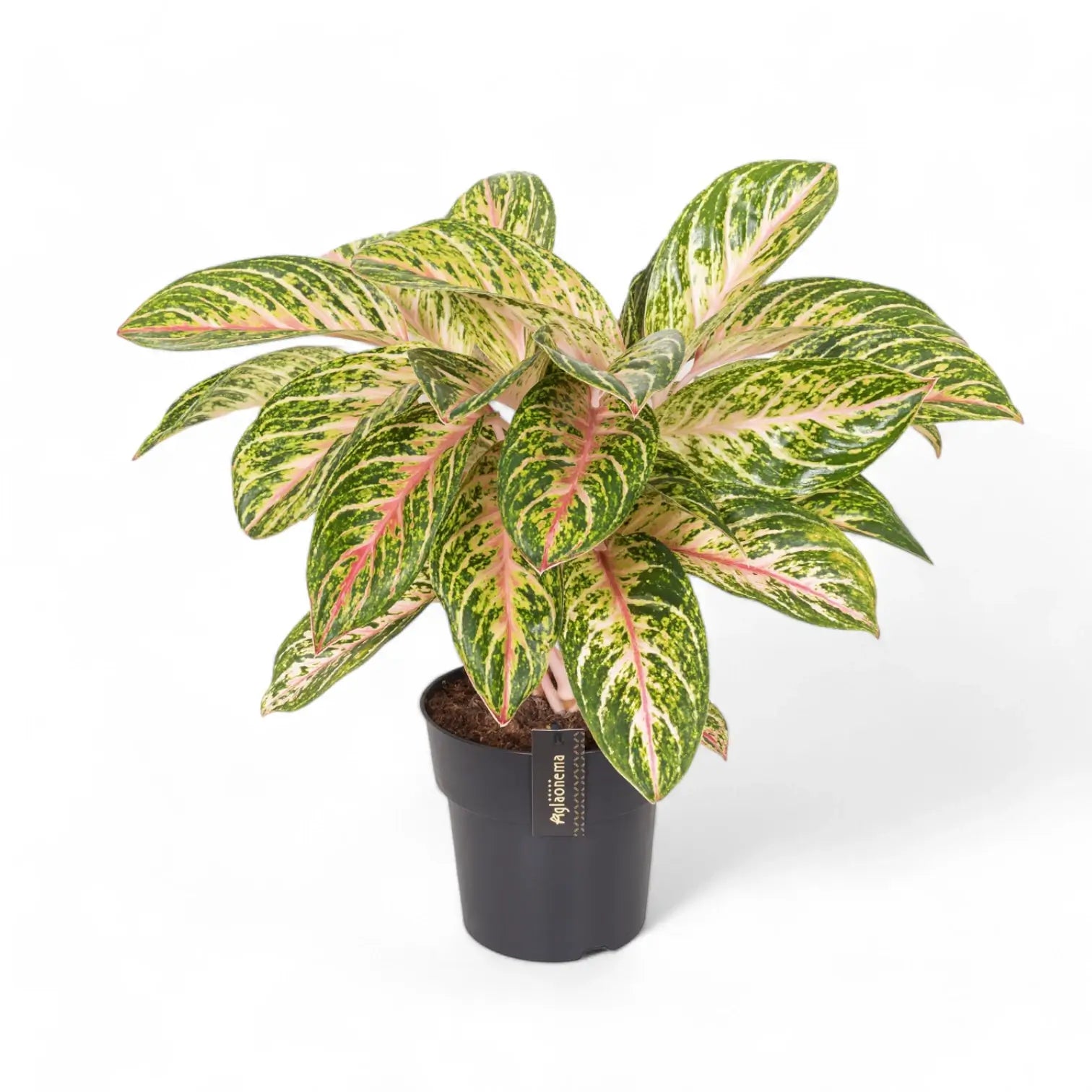
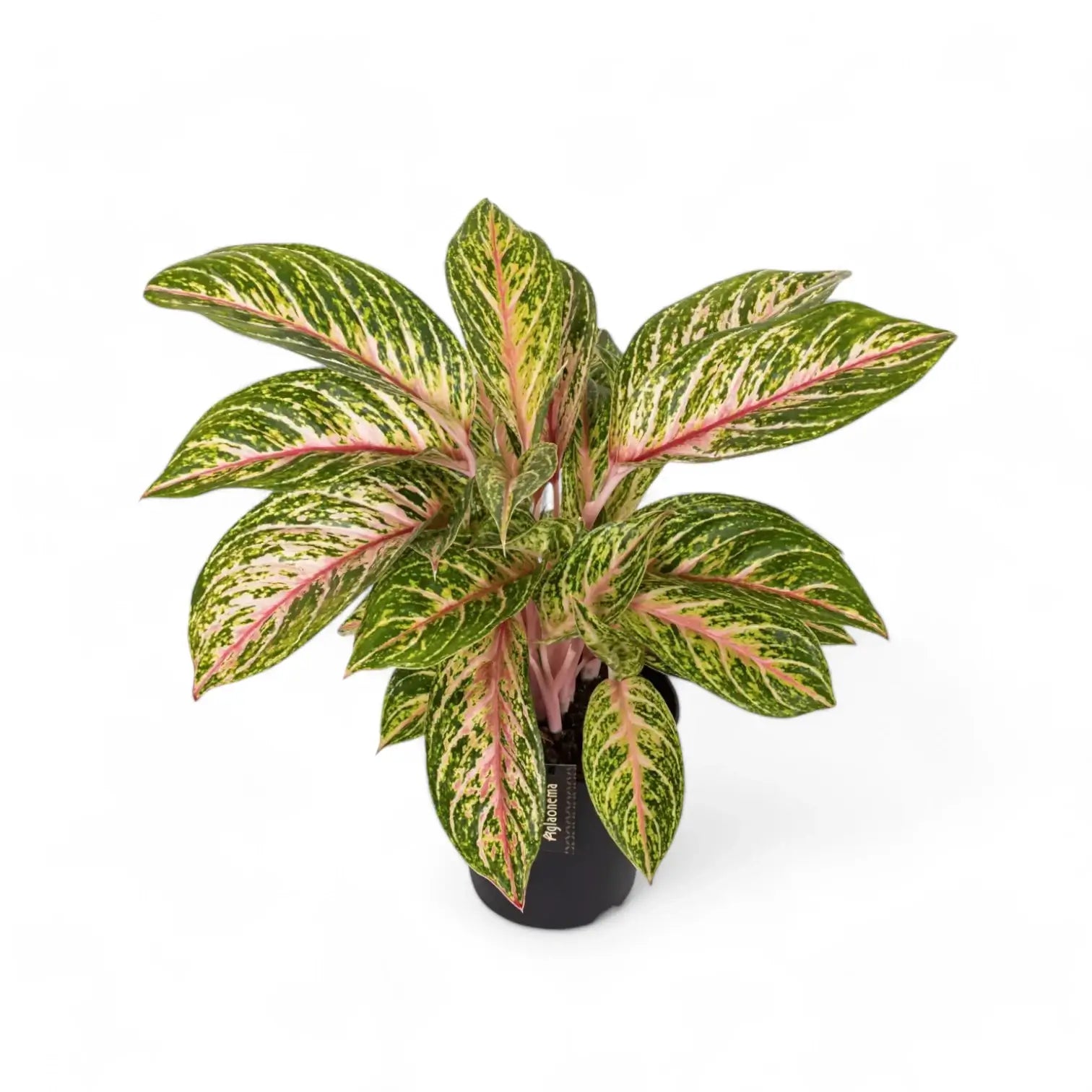
Aglaonema ‘Cocomelon’ is a clump-forming Chinese evergreen bred for bold foliage: deep green blades cut by neon-pink midribs and scattered lemon-yellow speckles. Self-heading growth stays tidy on desks, shelves and low-light corners while keeping colour year-round.
‘Cocomelon’ is a horticultural cultivar selected from Aglaonema breeding lines. Parent species such as Aglaonema commutatum occur in shaded forest understories across the Philippines and Southeast Asia. Conditions to emulate: filtered light, steady warmth, high humidity, and airy, organic substrates.
Contains insoluble calcium oxalates; toxic if ingested – keep away from pets and children. Aglaonema appears in air-quality studies, but claims of significant room-wide purification under home conditions are unproven. Choose ‘Cocomelon’ for reliable colour and resilience.
Neon-pink veins, tropical speckles, minimal fuss. Aglaonema ‘Cocomelon’ brings dependable colour to real-world spaces – buy now for an instant upgrade to your plant display.
Your new plant has just travelled a long way and needs a calm start in its new home. For step-by-step unboxing and first-week care, check our after-delivery care guide. For deeper tips on how your plant settles in over the next weeks, read our houseplant acclimatization guide.
Please head to our FAQ Page or Contact us.
Choose options
VAT included · plus Shipping costs
Secure shipping – carefully packed orders with safe delivery across the EU, UK and Switzerland.
28-day plant guarantee – if a plant arrives damaged or fails soon after delivery, we help you make it right.
Free returns – simple, cost-free returns according to our policy.
For full details, please see:
Light
Bright indirect • approx. 10,000–20,000 lux
Water
Water when ~40–60% dry
Substrate
Aerated • Moisture-buffered • Balanced organic + mineral • Medium
Temperature
Ideal: 18–24 °C • Avoid below: 15 °C
Humidity
Moist 50–60 %
Growth habit
upright clumping subshrub
Support
not needed
Growth speed
Average
Max size indoors
Max. height: 70 cm • Max. spread: 70 cm
Toxicity & safety
Toxic
Origin & habitat
Cultivar of Aglaonema commutatum
These metrics are standardised reference points. We compile them by reviewing and cross-checking multiple botanical and horticultural references, then refining them through real-world growing experience. Source links: Plant Care Resources.
Please use the values as guidance. Conditions vary by home, so the same plant can respond differently. For plant-specific context, read the full product description and browse our Plant Care Guides.


