Skip to content

Cart

Your cart is empty.

Anthurium

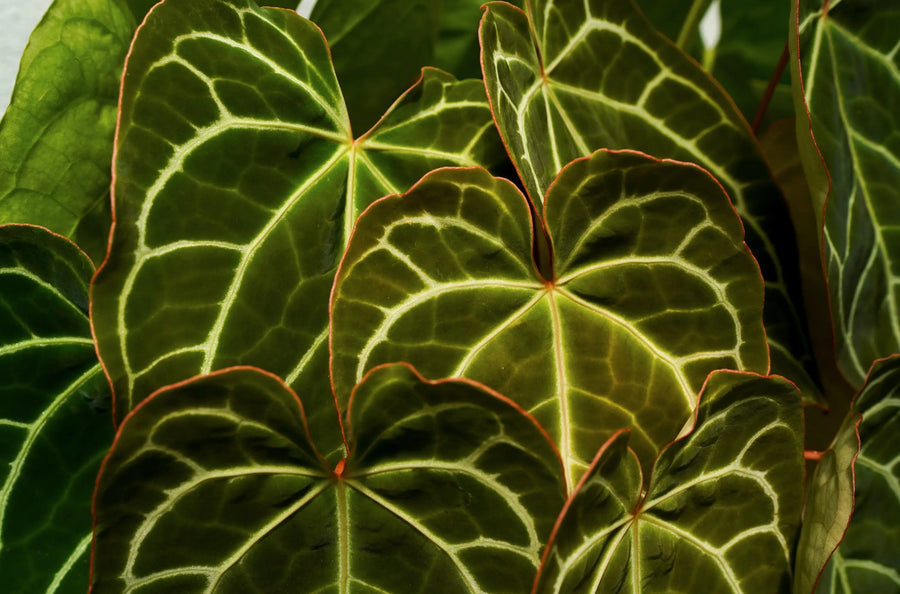
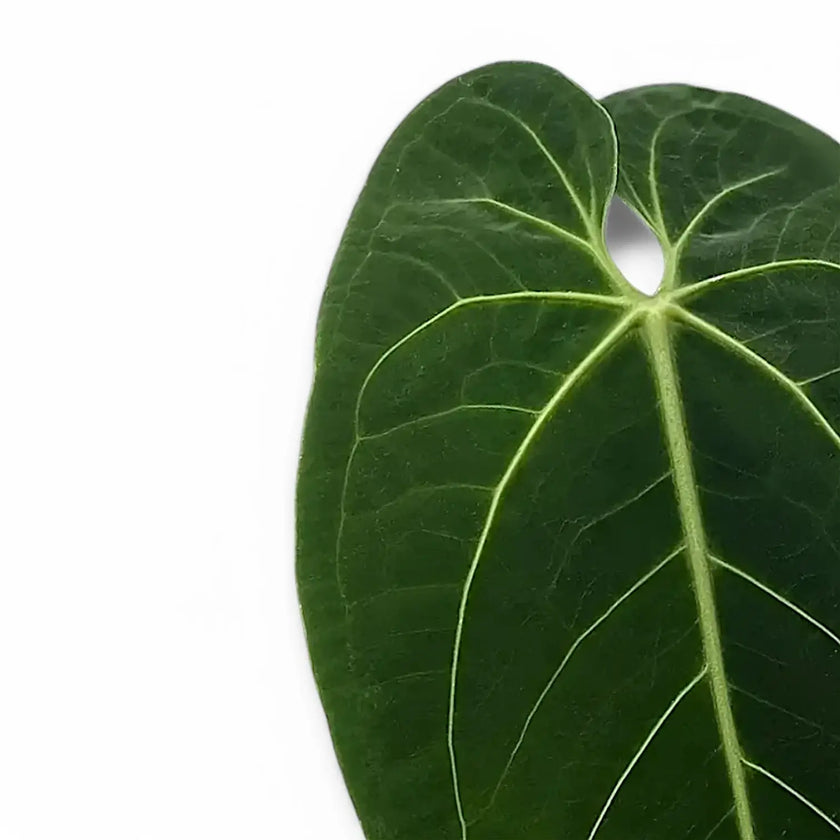
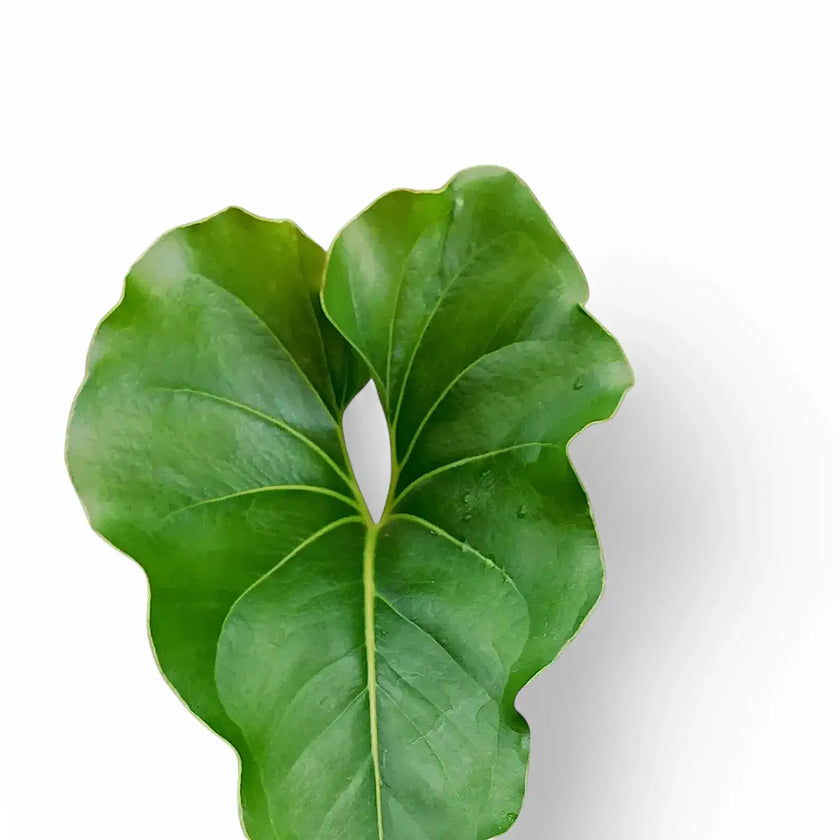
Anthurium plant leaf close up on white background

Substrate help

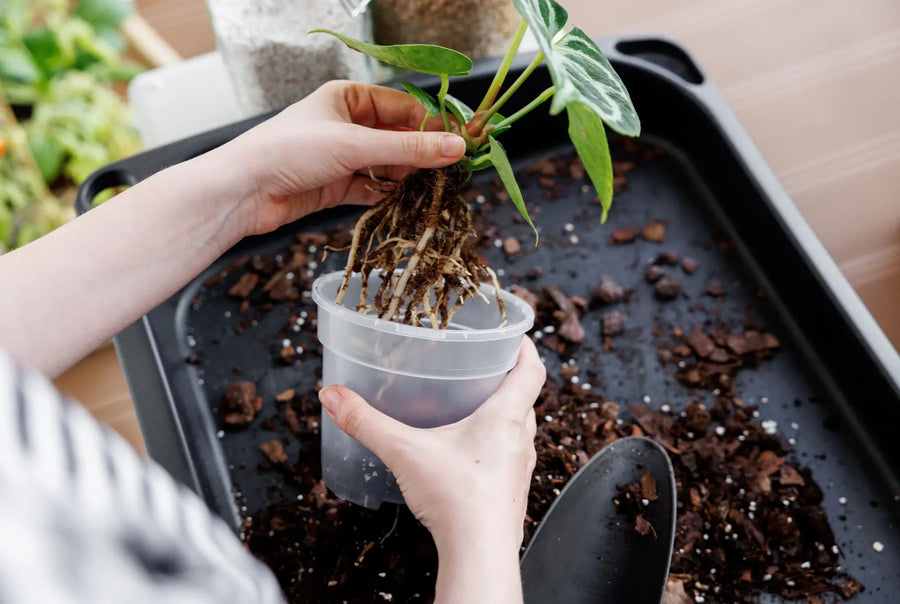
Aroid roots need structure, not dense compost

Choose airy ingredients and ready-to-mix substrate starters for Monstera, Philodendron, Anthurium and related indoor aroids.

Sort by:

Filters

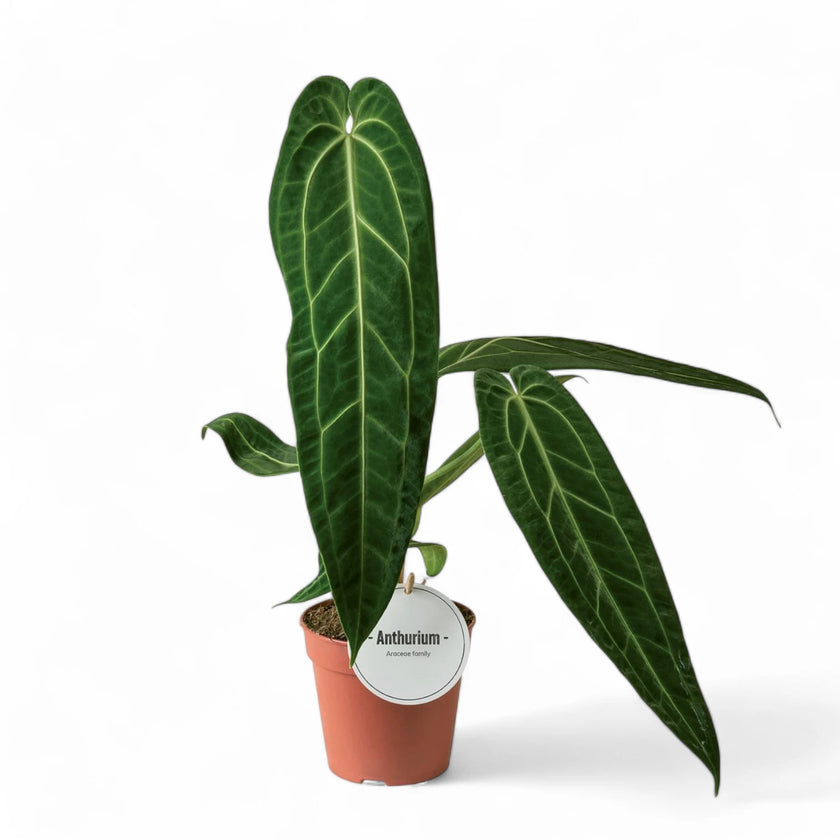
Anthurium warocqueanum x waterburyanum leaf detail on white background.
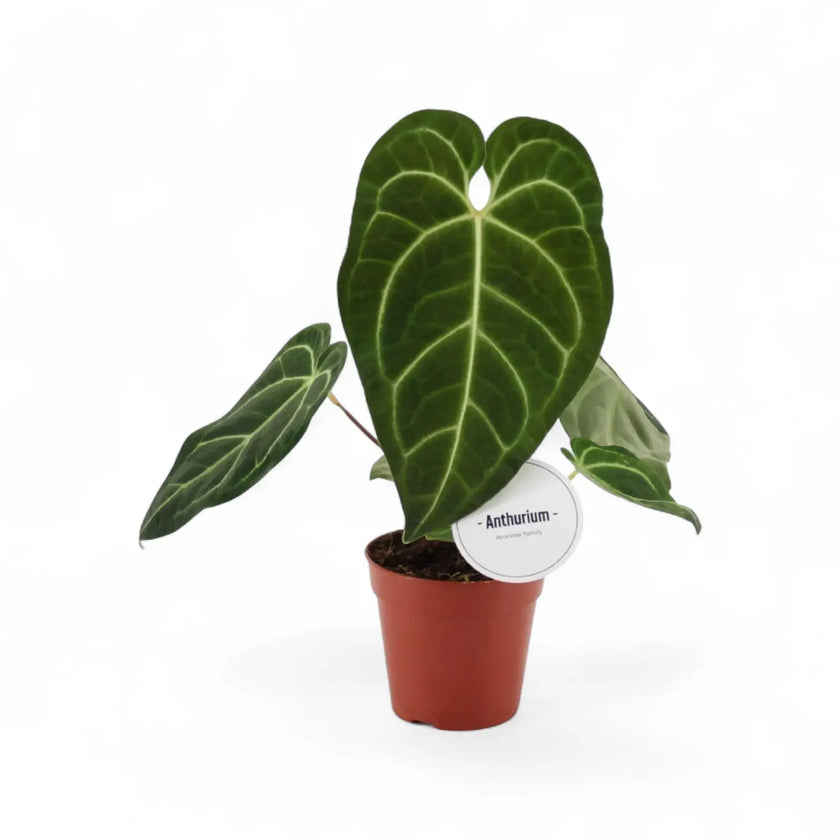
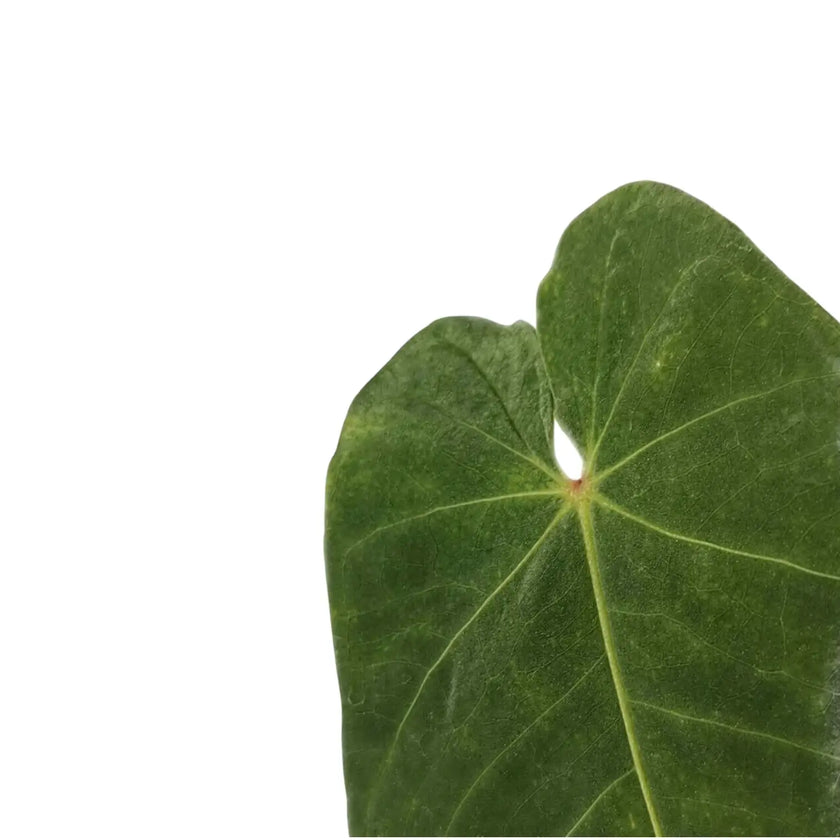
Anthurium waterburyanum close-up of leaf on white background.
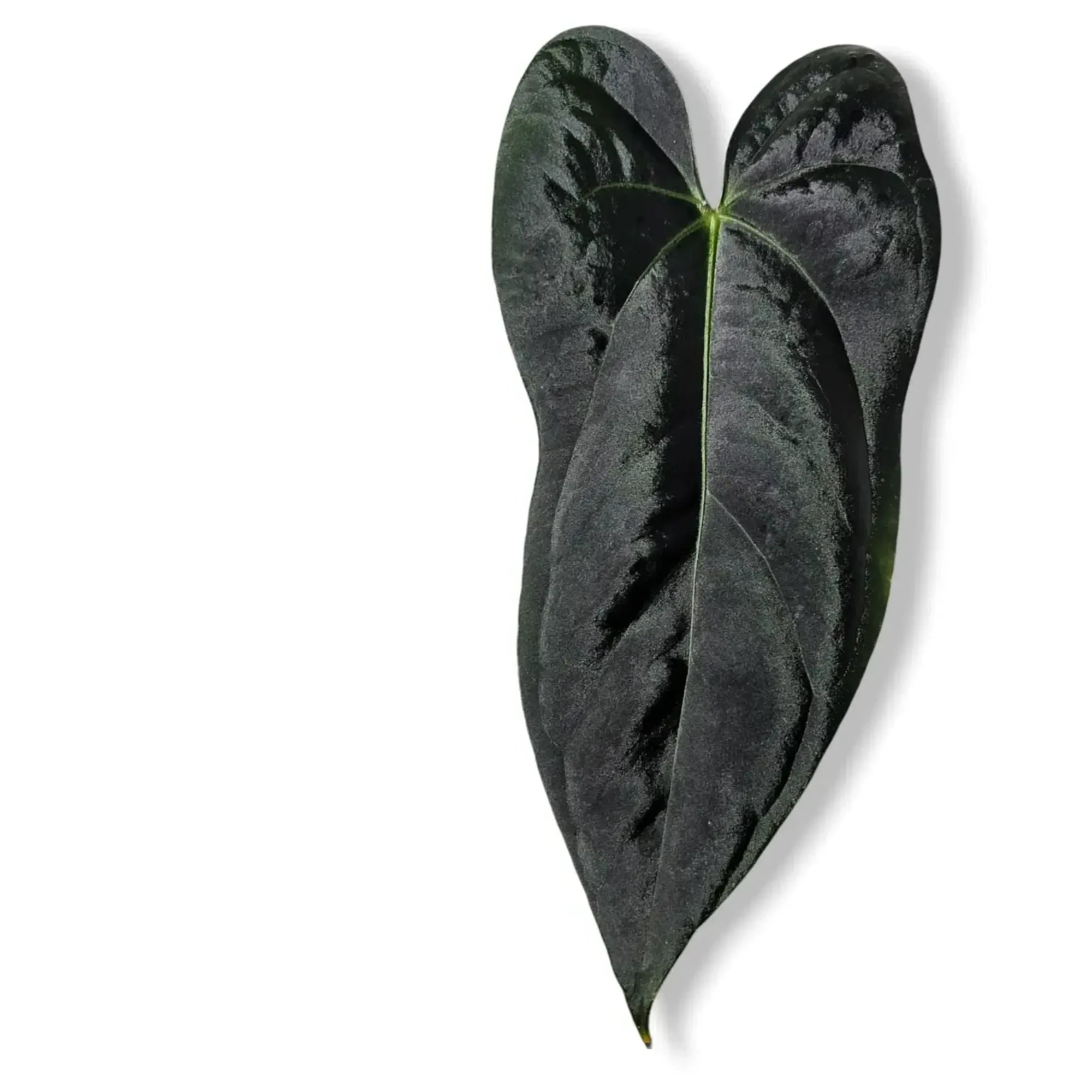
Anthurium watermaliense ('The black Anthurium', 'Black prince') close-up of leaf on white background.
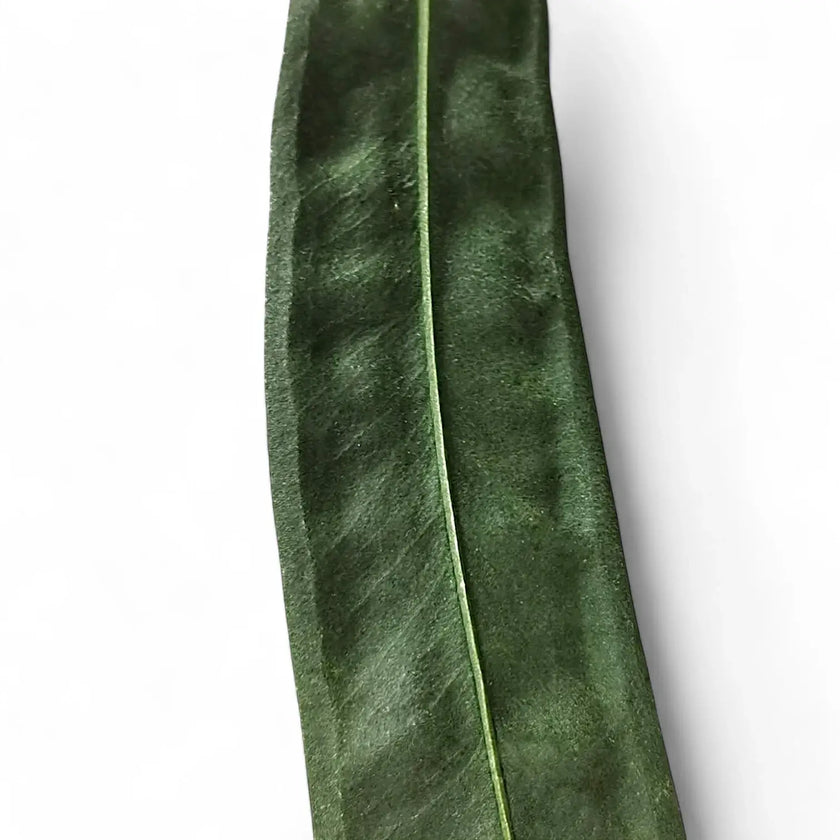
Anthurium wendlingeri close-up of leaf on white background.
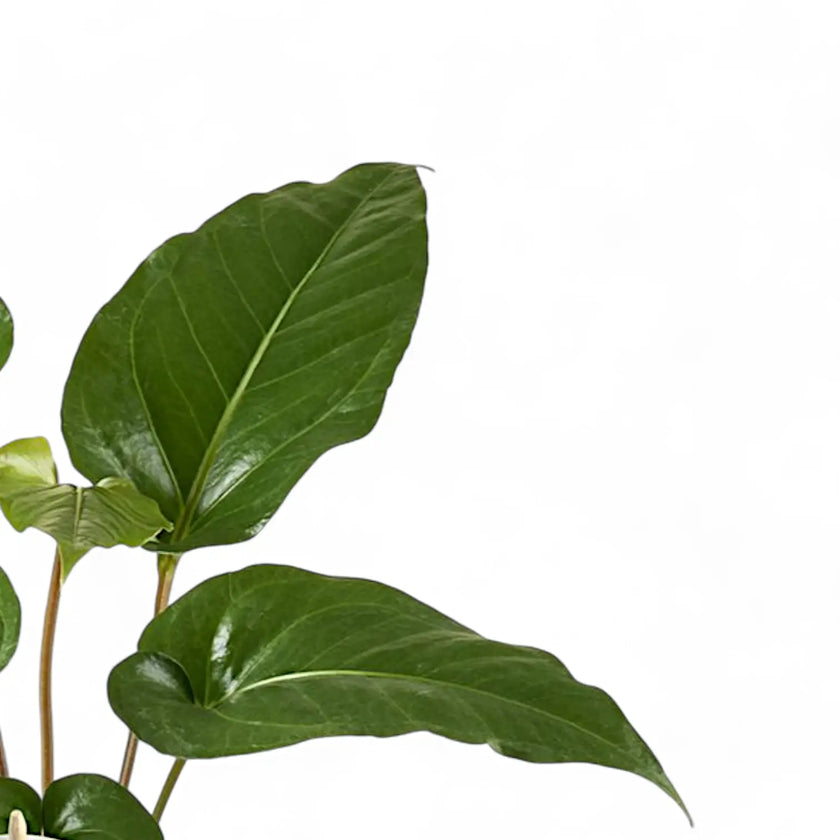
Anthurium ×ferrierense 'Crisped' close-up of leaf on white background.
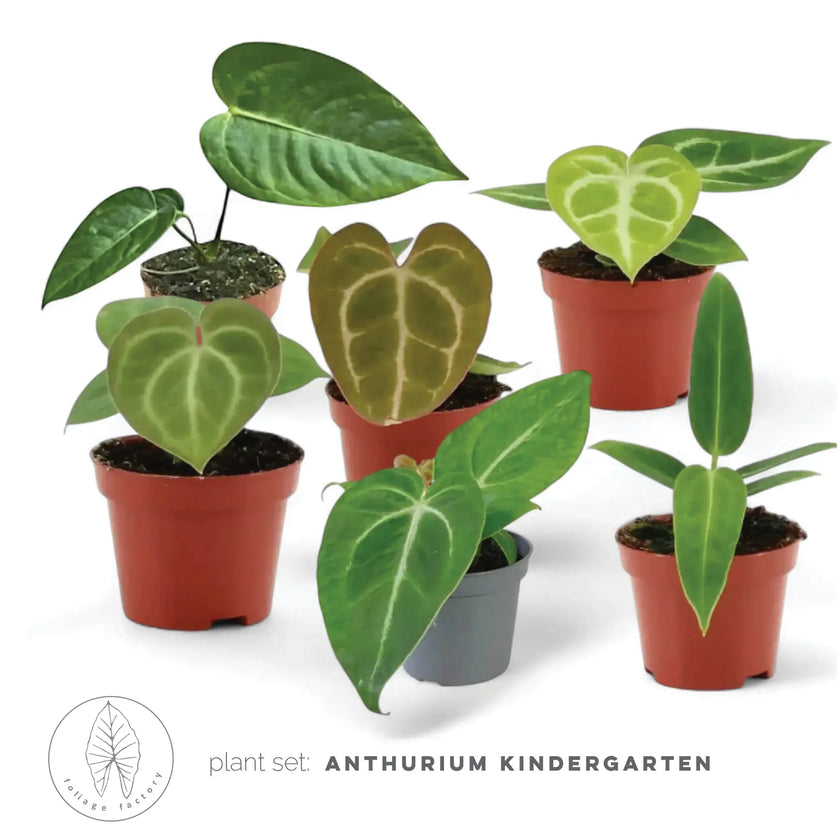
plant set: Anthurium Kindergarten close-up of leaf on white background.
Plant Set: Anthurium Kindergarten Regular price €97,95
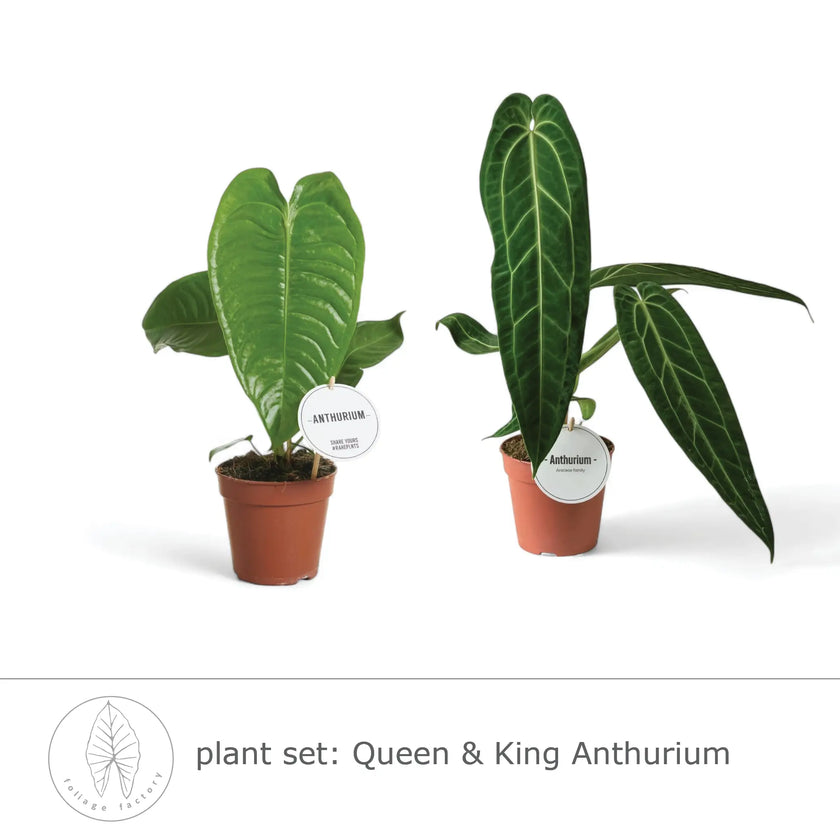
plant set: Queen & King Anthurium close-up of leaf on white background.
Plant Set: Queen & King Anthurium Regular price €89,95
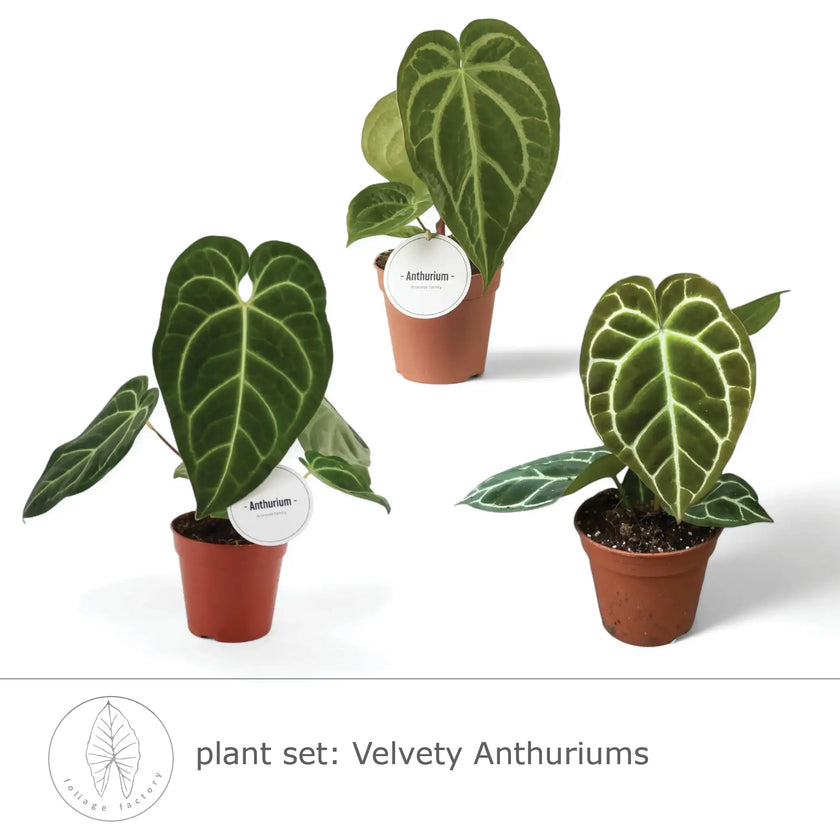
plant set: Velvety Anthuriums close-up of leaf on white background.

Araceae

Anthurium

Quick Overview

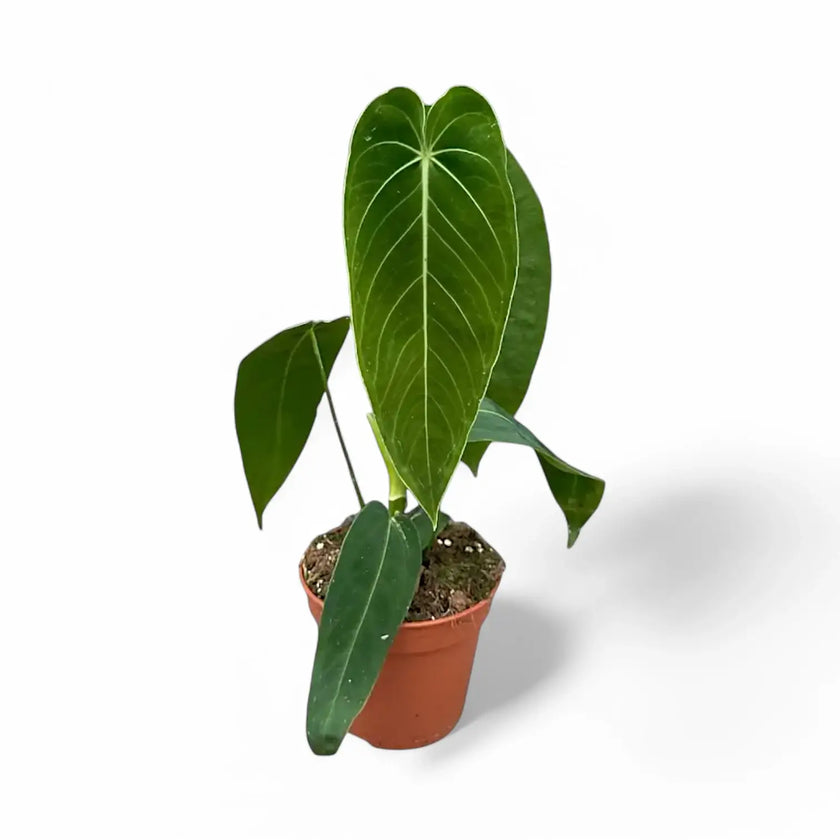
Anthurium (foliage types) - velvet and strap-leaf essentials

  • Scope: covers velvet heart-leaf, bullate and strap-leaf Anthurium grown mainly for leaves, with flowers secondary.
  • Light: bright, indirect light with no harsh midday sun; too dim means small, thin leaves, too strong burns velvety surfaces fast.
  • Substrate: depends on a very airy Anthurium mix with bark, fibre and mineral fraction so thick roots never sit in compact soil.
  • Watering: water once the top layer has dried slightly; aim for an evenly moist root zone and avoid both desert and bog.
  • Humidity & warmth: likes warm rooms and moderate to high humidity; large, delicate leaves are unforgiving in very dry air.
  • Toxicity: all parts are considered irritating if chewed-site away from pets and children.
Botanical Profile

Anthurium is an accepted genus in Araceae native from Mexico through tropical America. It includes epiphytic, terrestrial and climbing forms, which helps explain the wide range of leaf shapes and growth habits seen in indoor cultivation.

Details & Care

Anthurium: foliage-first houseplants with serious texture

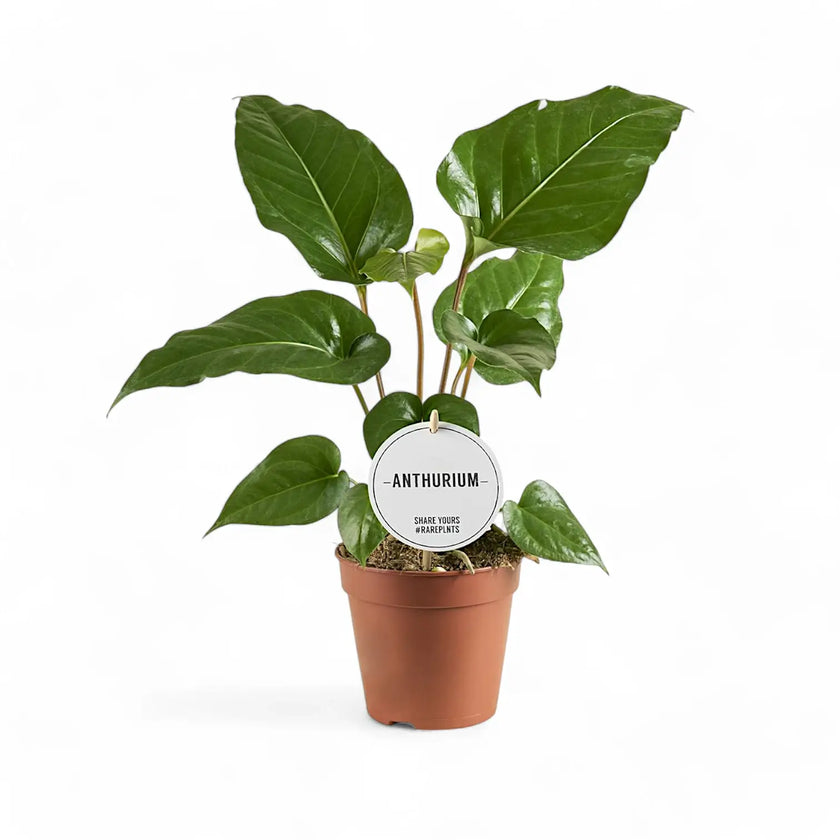
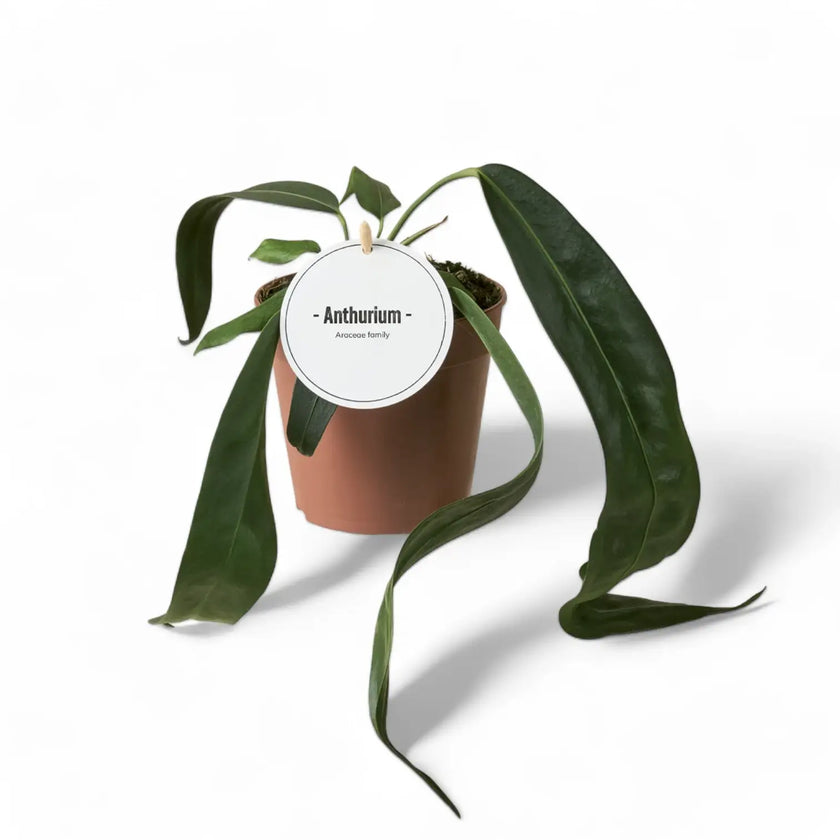
Anthurium ranges from compact velvet-leaf types to strap-leaf “queen” styles and glossy, sculptural forms. Growth can be upright, climbing, or rosette-like depending on species and hybrid, so it helps to match plant shape to the spot at home before choosing colour or veining.

In a collection, Anthurium often becomes a “slow and steady” plant: new leaves take time, but the payoff is long-lasting foliage that keeps its look for months. A stable routine matters more than pushing rapid growth.

Picking an Anthurium that fits your space

  • Leaf feel and thickness: velvet types prefer steadier warmth and humidity; thicker, glossier leaves usually tolerate drier rooms a bit better.
  • Growth habit: climbers appreciate a pole for larger leaves; compact forms stay tidy on shelves and cabinets.
  • Mature size: check leaf length and internode spacing in product photos—some stay compact, others scale up fast with support.
  • Roots and pot style: shallow, wide pots often suit rosette forms; climbers handle deeper pots when the mix stays airy.
  • Room conditions: draft-free warmth and consistent light matter more than chasing very high humidity numbers.

Care priorities indoors

  • Light: bright, filtered light keeps growth steady; morning sun is fine if leaves stay cool and dry.
  • Substrate: airy mixes that hold moisture without staying dense reduce root stress.
  • Watering: water thoroughly, then let the top third of the pot dry before the next soak; avoid leaving water in cachepots.
  • Airflow: gentle circulation helps foliage dry evenly and lowers leaf-spot risk.

If you want a deeper, species-by-species baseline, the Anthurium care guide covers light, watering rhythm, and common issues in more detail.

Common problems to catch early

Yellowing lower leaves often tracks back to roots staying wet too long. Crispy edges can point to salts building up from hard water or fertiliser, or to repeated deep-dry cycles. Thrips and spider mites also show up on new growth—check fresh leaves and petioles regularly.

Frequently Asked Questions About Anthurium