XL Plants: statement-sized houseplants for big spaces
What XL means for plant size
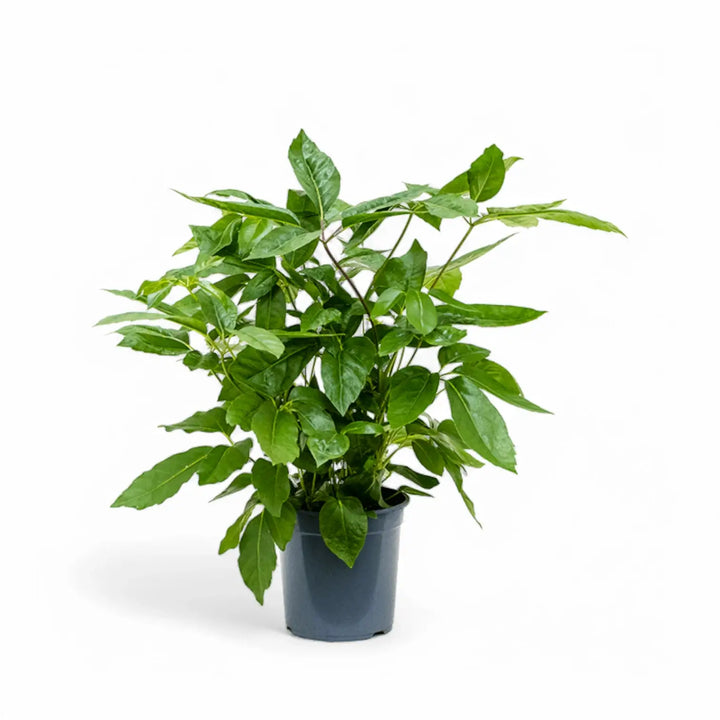
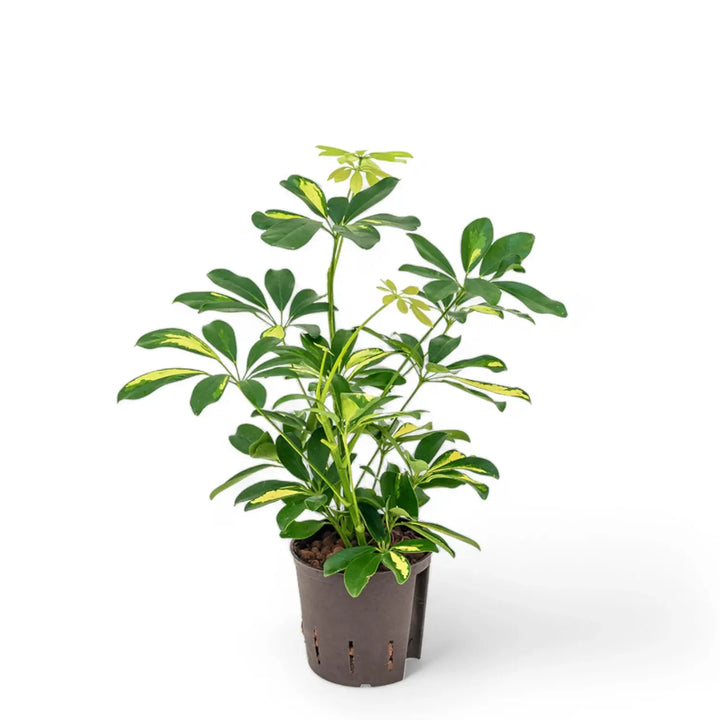
XL plants are the pieces that instantly change how a room feels. They arrive already substantial, often around 80-200 cm tall or wide, usually in pots from roughly 21 cm diameter upwards. These are not small starter plants that might grow large one day; they have presence from the moment they land in your home.
The focus is on visible impact and footprint, not on age or rarity. Some XL options are common species grown on to a generous size, others are collector plants that have been given time and space to bulk up before sale.
How XL plants work in a room
Different XL plants fill different roles indoors:
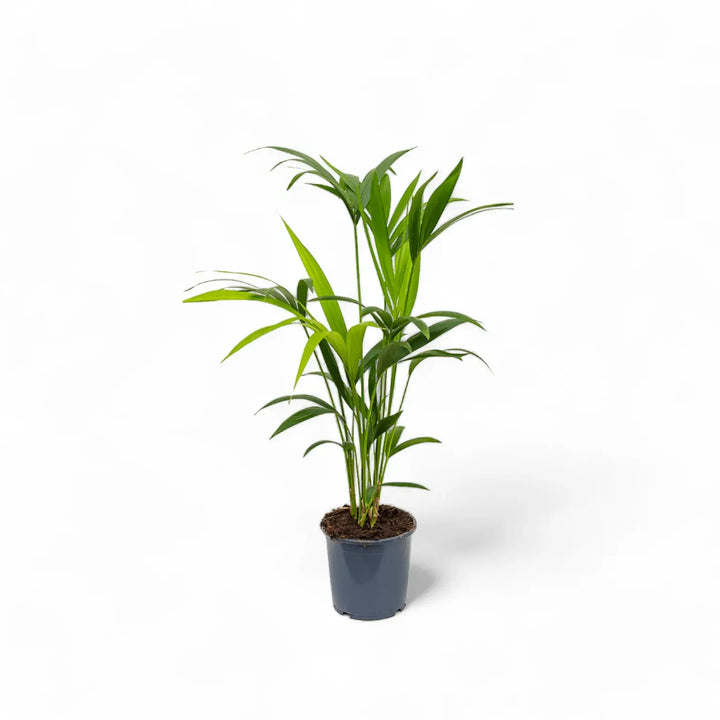
- Tall, upright floor plants: columnar forms, multi-caned shrubs and tree-like species that work as anchors in corners or next to furniture.
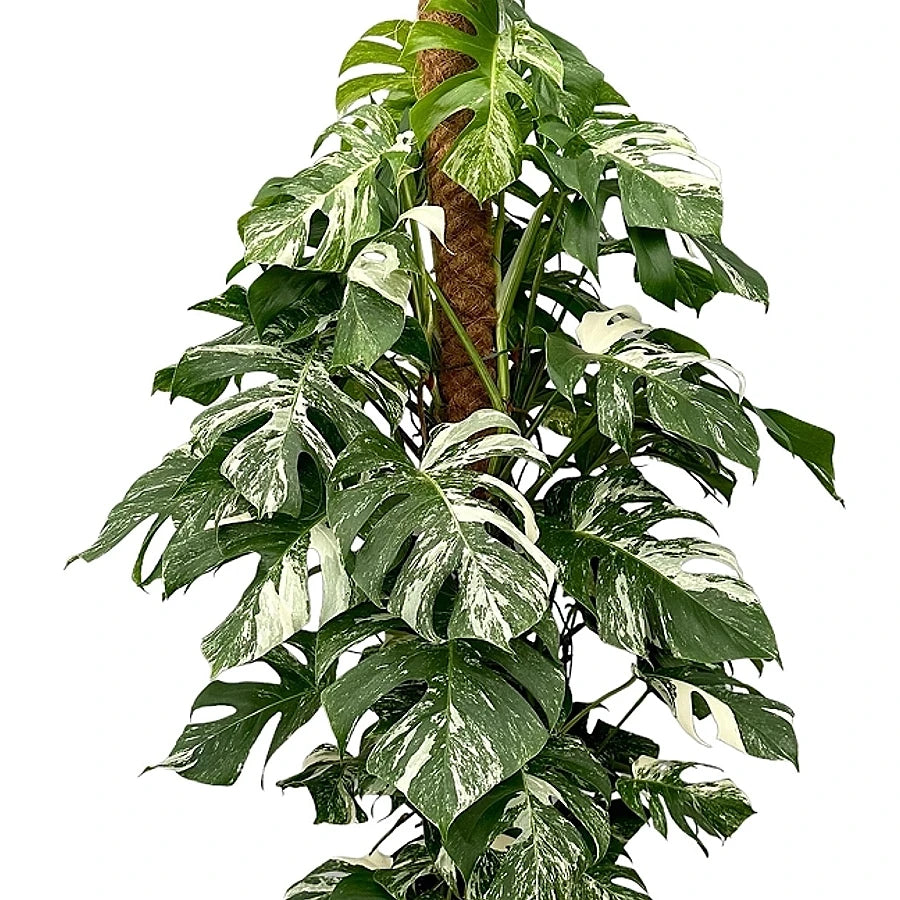
- Wide, lush fillers: big Monstera, large Philodendron, mature Thaumatophyllum and similar plants that build a lot of volume at mid-height.
- XL clumps and specimens: multi-stemmed grasses, palms or shrubs that arrive as ready-made “jungle units” rather than single small plants.
Checks to make before ordering an XL plant
Large plants are impressive but less forgiving if you misjudge the practical details. Before you add one to your cart, think through:
- Space and light: measure ceiling height and floor area and consider how light actually reaches the spot; squeezing an XL plant into a dark corner wastes its potential.
- Weight and access: big pots, wet substrate and ceramic planters are heavy; check stairs, lifts and doorways and plan how you will move the plant once it arrives.
- Care load: more foliage means more water, more dusting and more checking for pests, even if the species itself is straightforward.
Choose XL Plants when you want immediate impact: a room divider, a focal point behind a sofa or a backdrop for a group of smaller pots. Match the plant’s light needs to the actual spot you have in mind, then use the individual species page for finer details like substrate, watering and long-term shaping; repotting strategies for larger specimens are covered in our repotting guide for houseplants.