Light
Bright indirect • approx. 10,000–20,000 lux

VAT included · plus
Your new plant has just travelled a long way and needs a calm start in its new home. For step-by-step unboxing and first-week care, check our after-delivery care guide. For deeper tips on how your plant settles in over the next weeks, read our houseplant acclimatization guide.
Secure shipping, carefully packed orders with safe delivery across the EU, UK and Switzerland.
28-day plant guarantee, if a plant arrives damaged or fails soon after delivery, we help you make it right.
Free returns, simple, cost-free returns according to our policy.
For full details, please see:
Please head to our FAQ Page or Contact us.
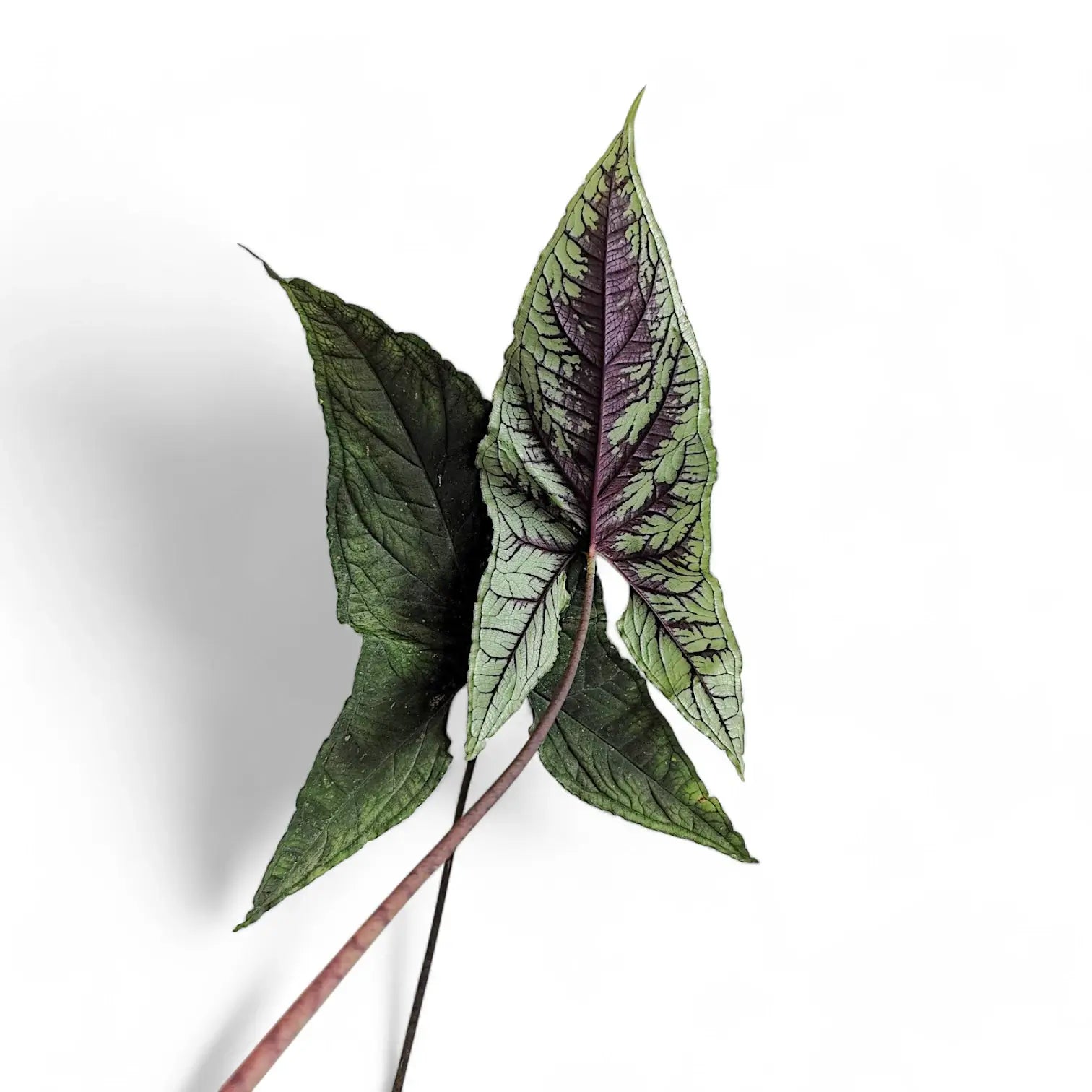
Chlorospatha atropurpurea is not a casual shelf plant. It is a rare terrestrial aroid grown for thick, velvety leaves that look almost black-green from above and deep purple beneath, creating a level of contrast that feels dramatic even at a small size.
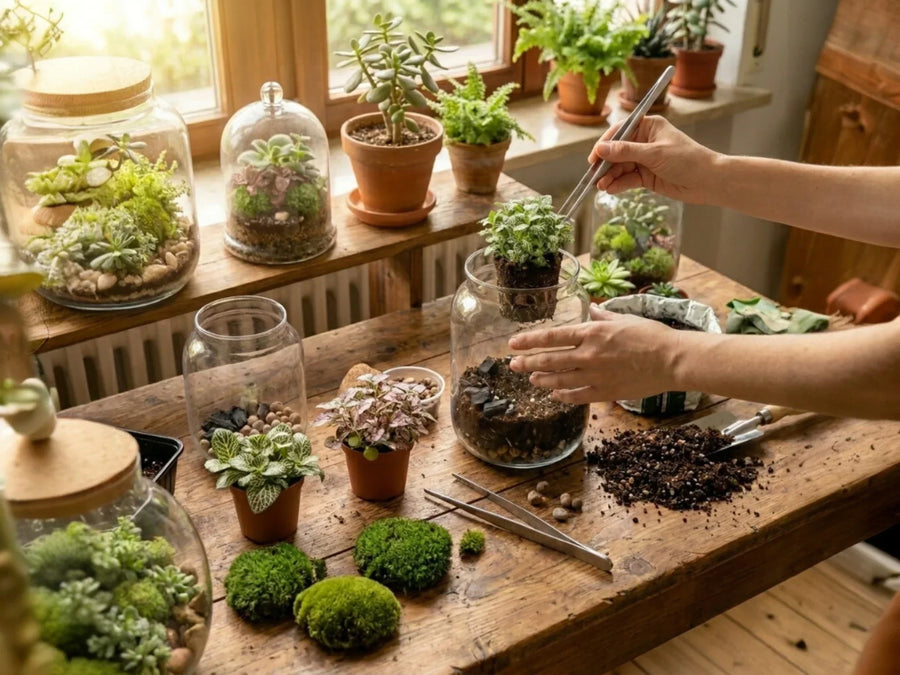
Because the foliage sits low and spreads in compact clumps, it shows best in terrariums, cabinets, or carefully controlled high-humidity setups where the texture and underside colour can be appreciated up close.
For collectors, the appeal is in that combination of rarity, colour depth, and cool cloud-forest character. Chlorospatha atropurpurea wants stable warmth, very high humidity, soft light, and an airy substrate that stays evenly moist without stagnating. When those conditions are right, it becomes a genuinely distinctive jewel rather than just another dark-leaved aroid.
Quick Care Guide
Light
Bright indirect • approx. 10,000–20,000 lux
Watering
Water when ~10–25% dry
Substrate
Moisture-retentive but aerated • Evenly moist • Organic-leaning • Fine-medium
Temperature
Ideal: 18–26 °C • Avoid below: 15 °C
Humidity
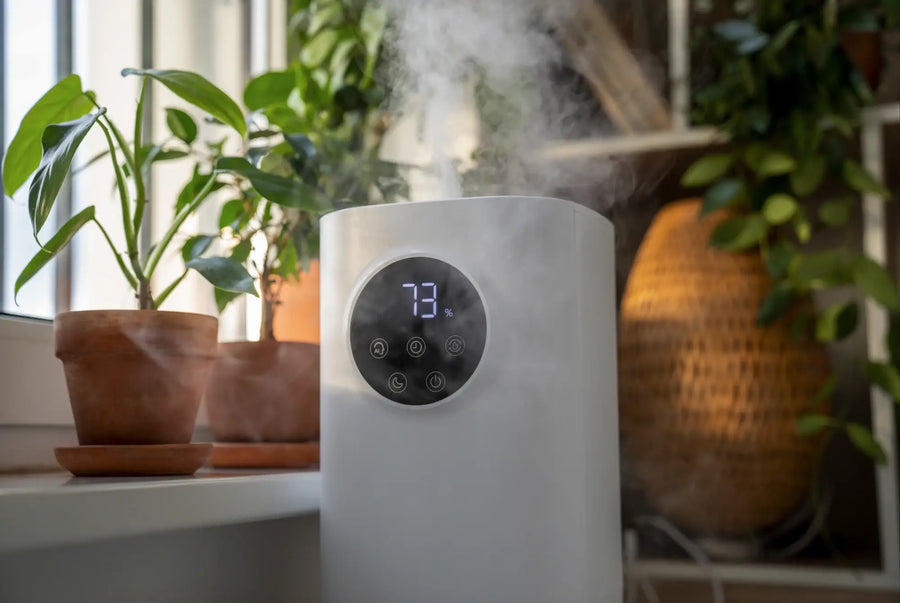
Humid 60–80 % +
Growth habit
Upright clumping herbaceous perennial.
Support
not needed
Growth speed
Slow
Max size indoors
Max. height: 60 cm • Max. spread: 70 cm
Toxicity & safety
Toxic
Origin & habitat
Ecuador; wet tropical habitat
These care values are practical reference points for indoor growing. Use them as a starting point, then adjust for your room, pot size, substrate, temperature and how quickly the plant dries.
For more context, read the full product description or visit our Plant Care Guides.
Do not leave outside below
15°C
This plant is best kept indoors and should not be treated as an outdoor plant in European climates.
Plant names, growth habits, natural habitats and indoor care guidance are checked against trusted botanical, habitat and horticultural references before publication.View our plant care resources and references.
Sign up for Foliage Factory newsletter for early access to new arrivals and practical care tips that work in real homes.