Light
Full sun / direct • ≈ 40–80k lux • Grow light target: DLI 18–30


VAT included · plus
Quick overview of our standard shipping rates, free-shipping thresholds and typical transit times for the countries we currently serve. Remote-area surcharges for certain postcodes are added automatically at checkout where applicable.
For full details, winter shipping rules and packaging information, please visit our Shipping & Delivery page.
| Country | Shipping | Free from | Transit time |
|---|---|---|---|
| Austria | € 12.95 | € 100 | 2–4 working days |
| Belgium | € 8.95 | € 100 | 1–2 working days |
| Bulgaria | € 21.95 | € 300 | 5–7 working days |
| Croatia | € 29.95 | € 300 | 5–7 working days |
| Cyprus (²) | € 39.95 | No free shipping | 5–7 working days |
| Czechia | € 16.95 | € 150 | 2–4 working days |
| Denmark (¹) | € 16.95 | € 150 | 2–4 working days |
| Estonia | € 18.95 | € 200 | 2–4 working days |
| Finland | € 29.95 | € 300 | 5–7 working days |
| France (¹) | € 12.95 | € 100 | 2–4 working days |
| Germany | € 8.95 | € 70 | 1–2 working days |
| Greece (¹²) | € 29.95 | € 300 | 5–7 working days |
| Hungary | € 18.95 | € 200 | 2–4 working days |
| Ireland | € 14.95 | € 150 | 2–4 working days |
| Italy (¹) | € 14.95 | € 150 | 2–4 working days |
| Latvia | € 18.95 | € 200 | 5–7 working days |
| Lithuania | € 18.95 | € 200 | 2–4 working days |
| Luxembourg | € 12.95 | € 100 | 1–2 working days |
| Malta (²) | € 39.95 | No free shipping | 5–7 working days |
| Netherlands | € 8.95 | € 100 | 1–2 working days |
| Norway (³) | € 21.95 | € 300 | 5–7 working days |
| Poland | € 12.95 | € 100 | 2–4 working days |
| Portugal (¹) | € 14.95 | € 150 | 2–4 working days |
| Romania | € 21.95 | € 300 | 5–7 working days |
| Slovakia | € 18.95 | € 200 | 5–7 working days |
| Slovenia | € 18.95 | € 200 | 5–7 working days |
| Spain (¹) | € 12.95 | € 100 | 2–4 working days |
| Sweden | € 18.95 | € 200 | 2–4 working days |
| Switzerland | € 29.95 | € 300 | 5–7 working days |
| United Kingdom (¹³) | € 18.95 | € 200 | 5–7 working days |
Secure shipping – carefully packed orders with safe delivery across the EU, UK and Switzerland.
28-day plant guarantee – if a plant arrives damaged or fails soon after delivery, we help you make it right.
Free returns – simple, cost-free returns according to our policy.
For full details, please see:
Light
Full sun / direct • ≈ 40–80k lux • Grow light target: DLI 18–30
Watering
Water when ~5–15% dry
Potting mix
Gritty • Ultra fast-draining • Mineral-heavy • Fine-medium
Temperature
Ideal: 22–28 °C • Avoid below: 15 °C
Growth habit
small obligate rheophytic herb
Support
none
Growth speed
Slow
Max size indoors
Max. height: 15 cm • Max. spread: 30 cm
Toxicity & safety
Toxic
Origin & habitat
Borneo (Kalimantan); wet tropical biome
These metrics are standardised reference points. We compile them by reviewing and cross-checking multiple botanical and horticultural references, then refining them through real-world growing experience. Source links: Plant Care Resources.
Please use the values as guidance. Conditions vary by home, so the same plant can respond differently. For plant-specific context, read the full product description and browse our Plant Care Guides.
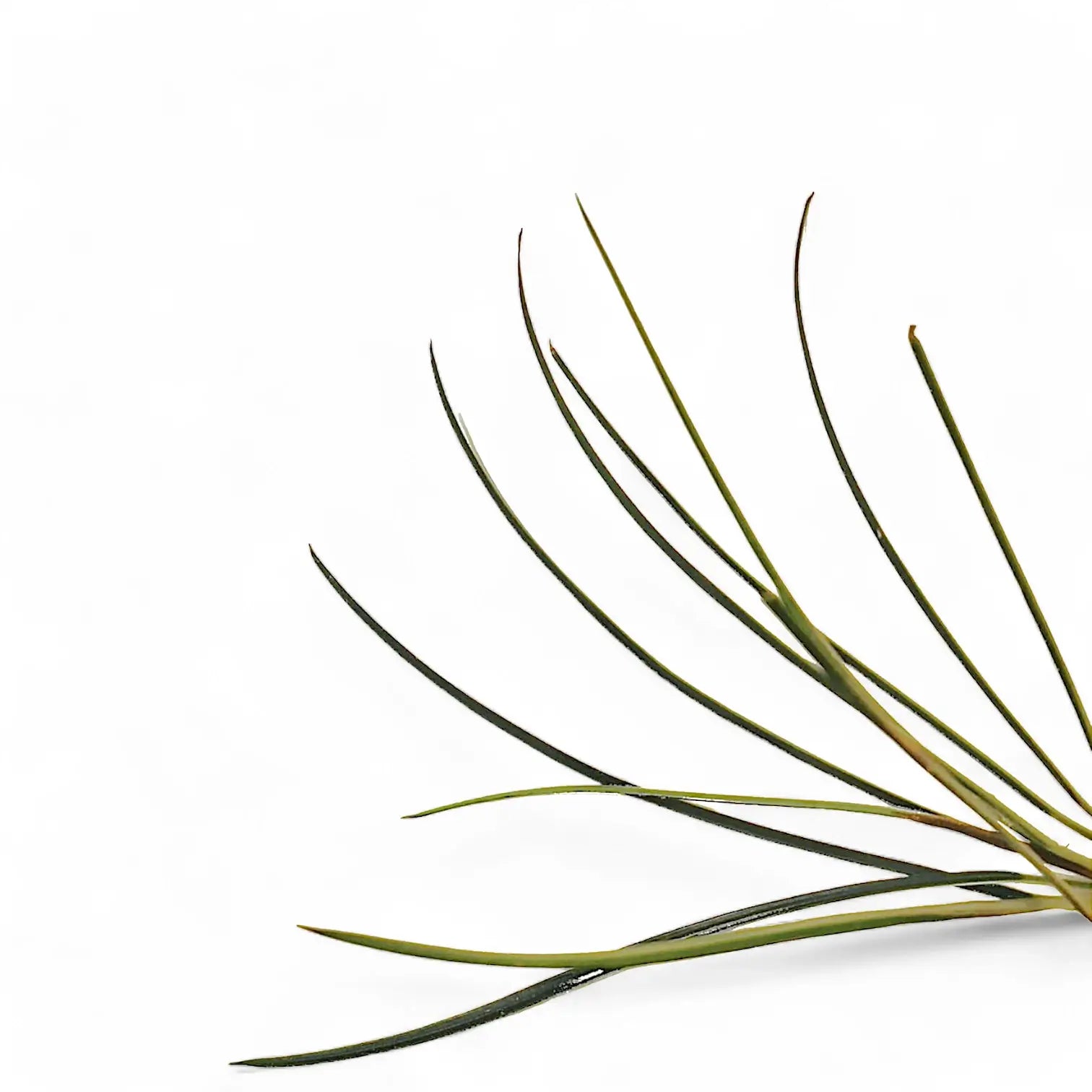
Fenestratarum culum P.C. Boyce and S.Y. Wong, described in 2014, is one of the least-known members of the Araceae family. Native to Borneo, this rheophytic species (adapted to flowing water habitats) presents a highly refined appearance with its slender, stiffly arching leaves. The narrow, glossy green blades are only about 5 mm wide, giving the plant a delicate, almost grass-like silhouette that stands out in aroids. With its unique spathe morphology and restricted pollinator access, it is as scientifically intriguing as it is ornamental.
This species is endemic to Borneo and restricted to rheophytic habitats along rocky stream margins. Plants root firmly in crevices where water flow is constant, a lifestyle demanding strong, coriaceous leaves that resist tearing. Its ecological niche makes it rare in the wild and unusual in cultivation, appealing to dedicated collectors interested in rheophytic aroids.
Few aroids combine such minimalistic foliage with such specialized reproductive structures. The extremely narrow blades lend the plant an almost ornamental grass aesthetic, yet its spathe is an evolutionary marvel – a “windowed arum” with a constricted opening that tightly controls pollinator entry. This duality of refined elegance and botanical eccentricity makes Fenestratarum culum a collector’s highlight.
The genus name Fenestratarum is derived from Latin fenestratus (windowed) and Arum, referencing the translucent “window” in the spathe limb. The species epithet culum comes from Latin culus (fundament, sphincter), alluding to the highly restricted spathe limb opening through which pollinators must enter to reach the spadix.
If you’re searching for an aroid that blends elegance with scientific intrigue, Fenestratarum culum is an exceptional choice. With its narrow, glossy leaves and rare rheophytic background, this Bornean rarity adds a distinctive presence to any advanced collection. Secure yours today and cultivate one of the most unusual aroids discovered in recent decades.
Your new plant has just travelled a long way and needs a calm start in its new home. For step-by-step unboxing and first-week care, check our after-delivery care guide. For deeper tips on how your plant settles in over the next weeks, read our houseplant acclimatization guide.
Choose options
VAT included · plus
Secure shipping – carefully packed orders with safe delivery across the EU, UK and Switzerland.
28-day plant guarantee – if a plant arrives damaged or fails soon after delivery, we help you make it right.
Free returns – simple, cost-free returns according to our policy.
For full details, please see:
Light
Full sun / direct • ≈ 40–80k lux • Grow light target: DLI 18–30
Watering
Water when ~5–15% dry
Potting mix
Gritty • Ultra fast-draining • Mineral-heavy • Fine-medium
Temperature
Ideal: 22–28 °C • Avoid below: 15 °C
Growth habit
small obligate rheophytic herb
Support
none
Growth speed
Slow
Max size indoors
Max. height: 15 cm • Max. spread: 30 cm
Toxicity & safety
Toxic
Origin & habitat
Borneo (Kalimantan); wet tropical biome
These metrics are standardised reference points. We compile them by reviewing and cross-checking multiple botanical and horticultural references, then refining them through real-world growing experience. Source links: Plant Care Resources.
Please use the values as guidance. Conditions vary by home, so the same plant can respond differently. For plant-specific context, read the full product description and browse our Plant Care Guides.


