Skip to content

Cart

Your cart is empty

Heptapleurum

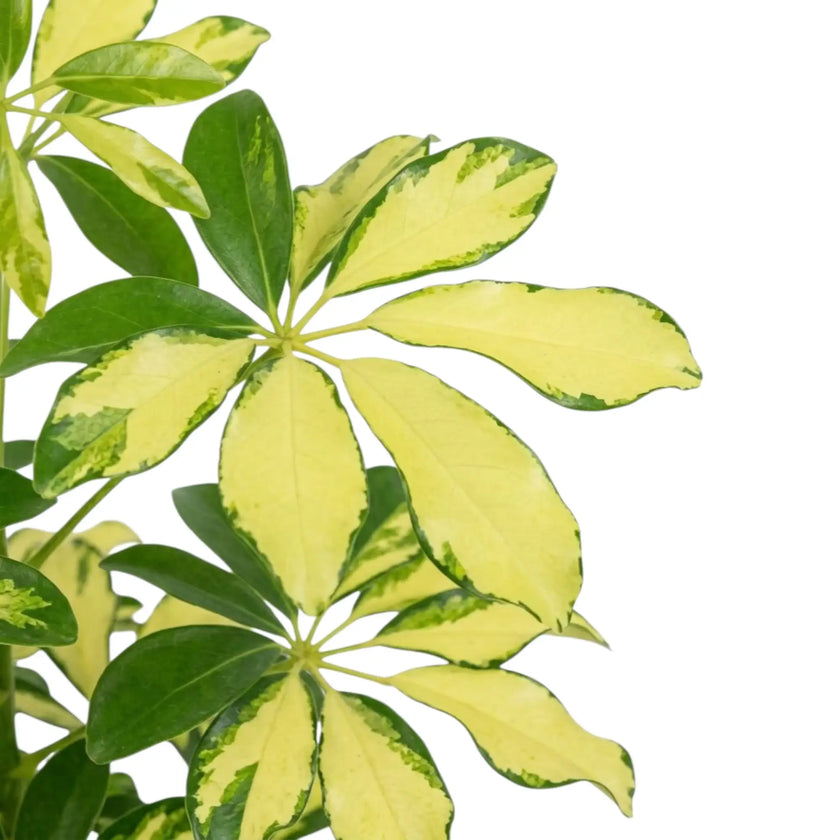
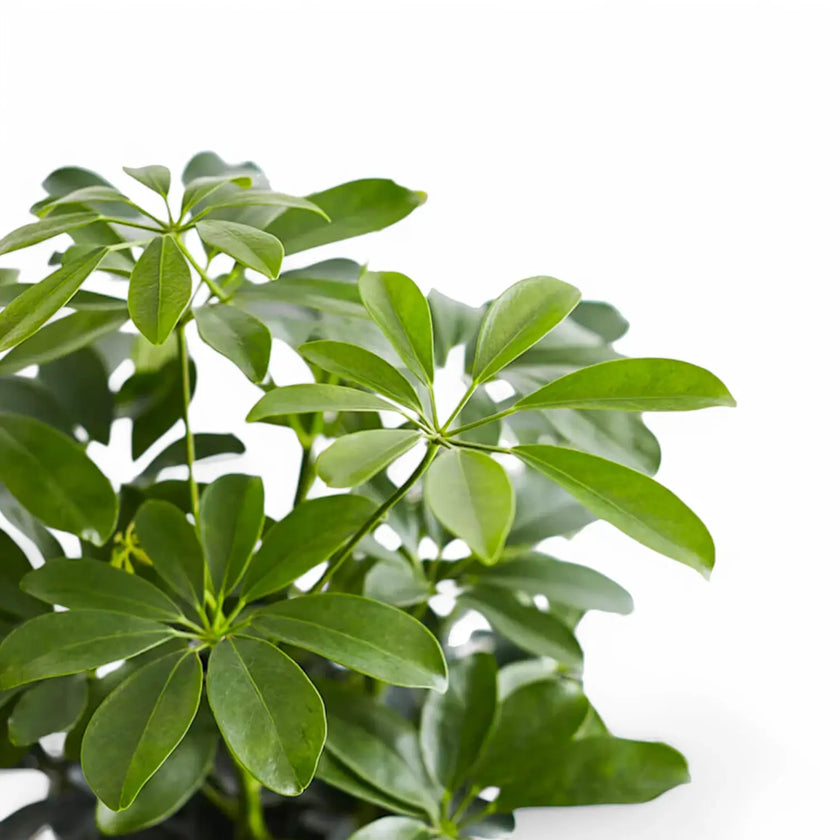
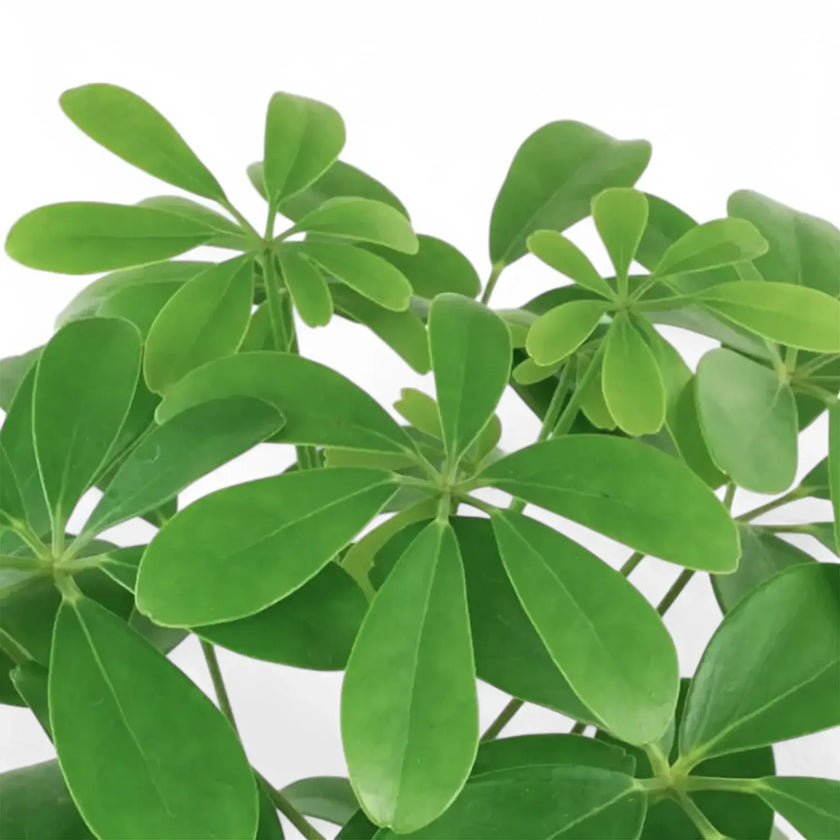
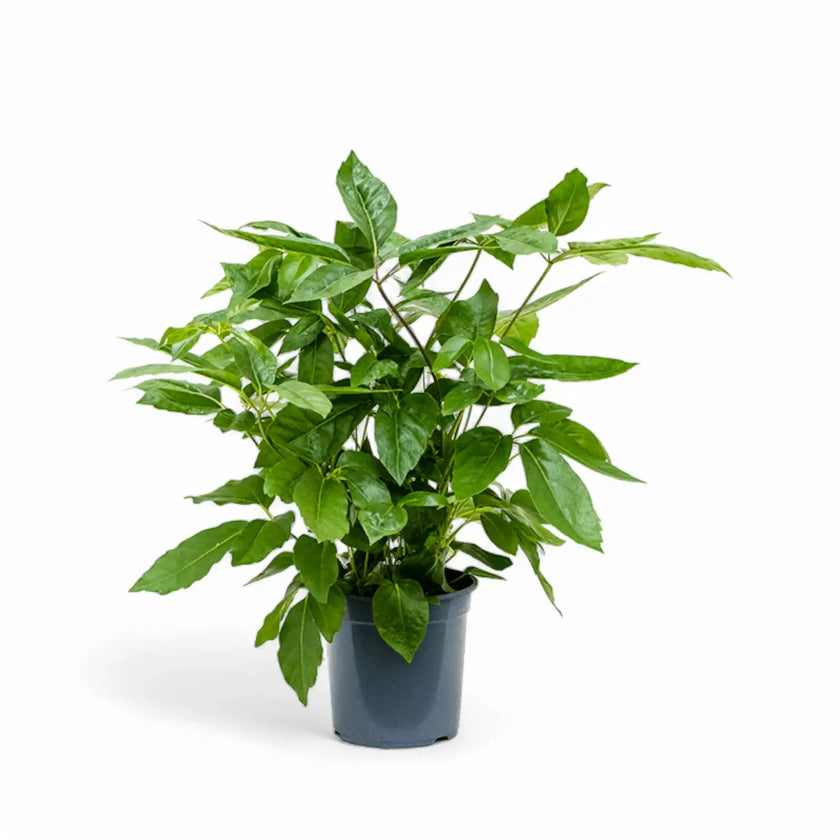
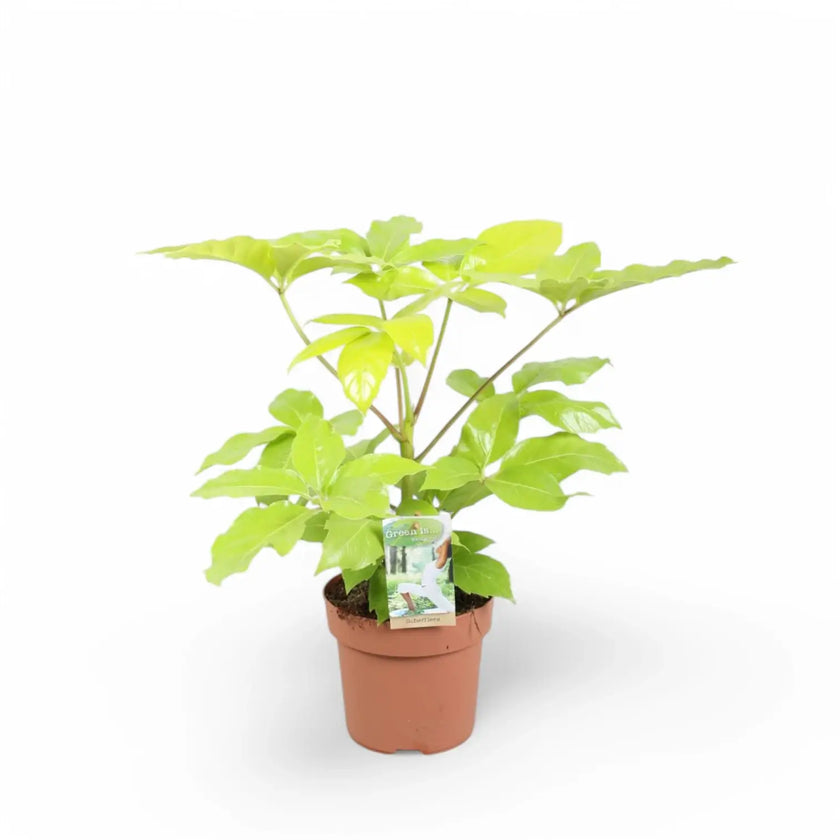
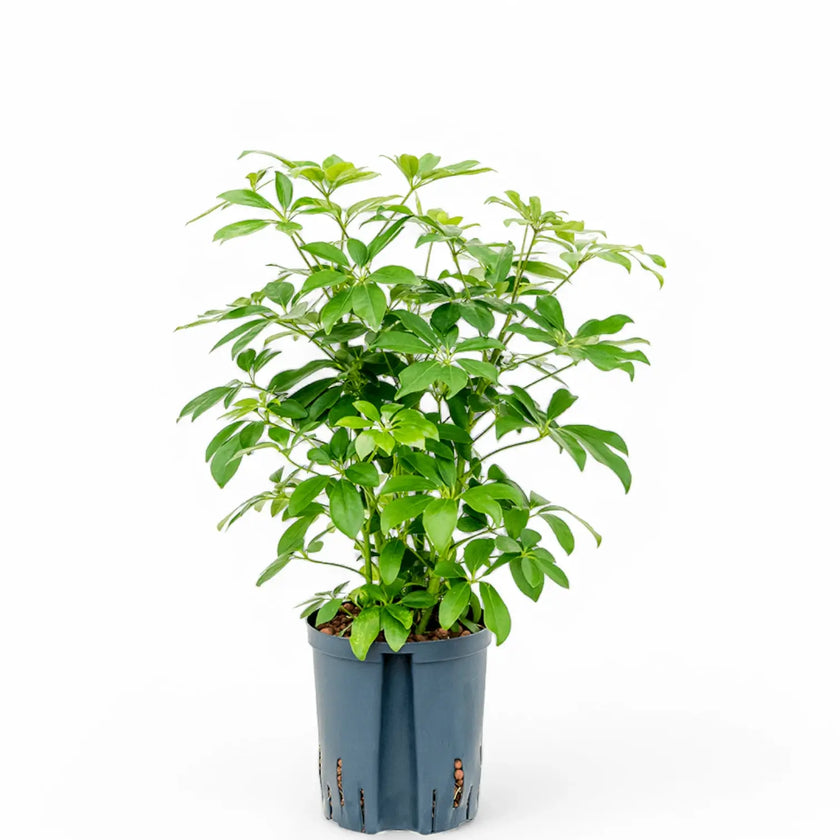
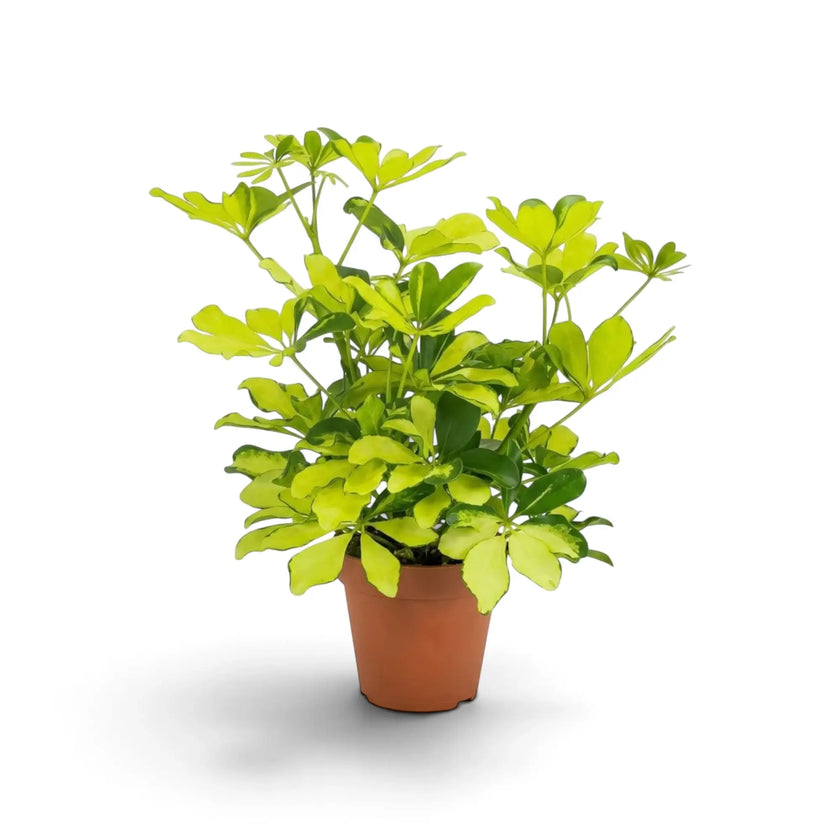
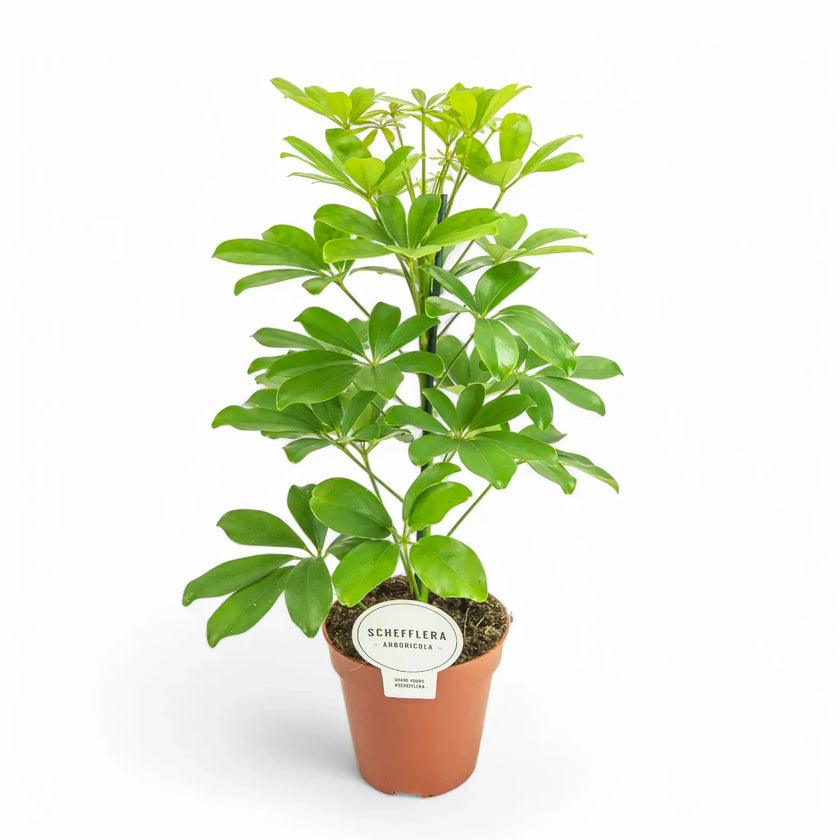
Heptapleurum, still widely sold as Schefflera, suits bright rooms that need a lighter airier canopy than many indoor trees. These woody shrubs or small trees carry palmately divided umbrella leaves and can stay compact or be trained taller with pruning.

Heptapleurum is a strong choice if structure matters but heaviness does not. The divided leaves keep the canopy airy, and the plant stays flexible enough to prune or let rise taller over time. Medium to bright indirect light, airy substrate and a watering rhythm that allows slight drying between thorough drinks usually keep it far cleaner than a heavy constantly wet routine.

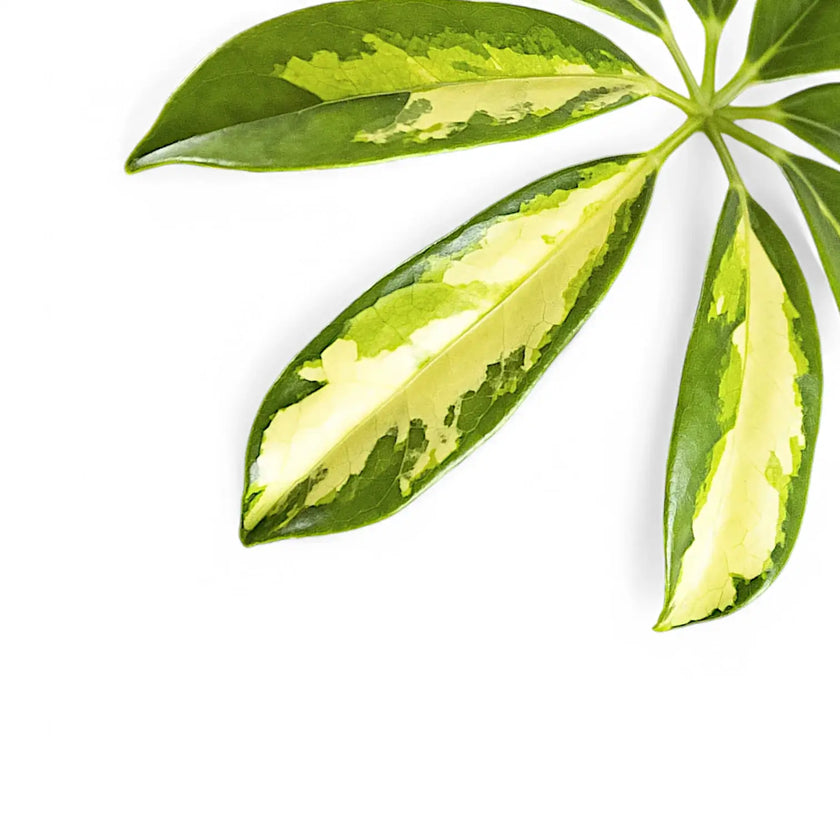
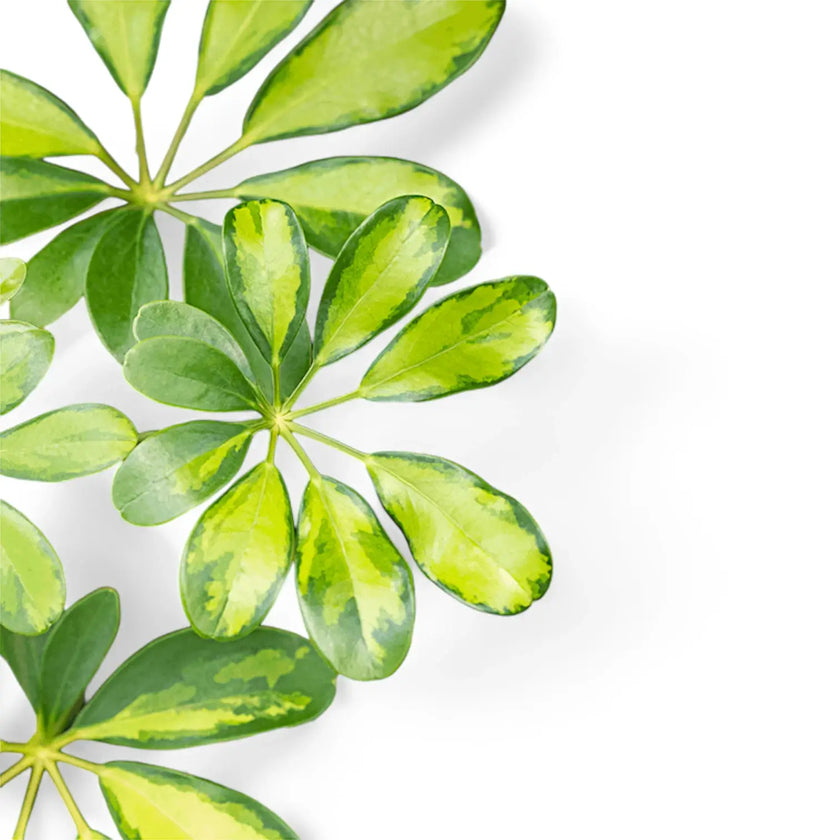
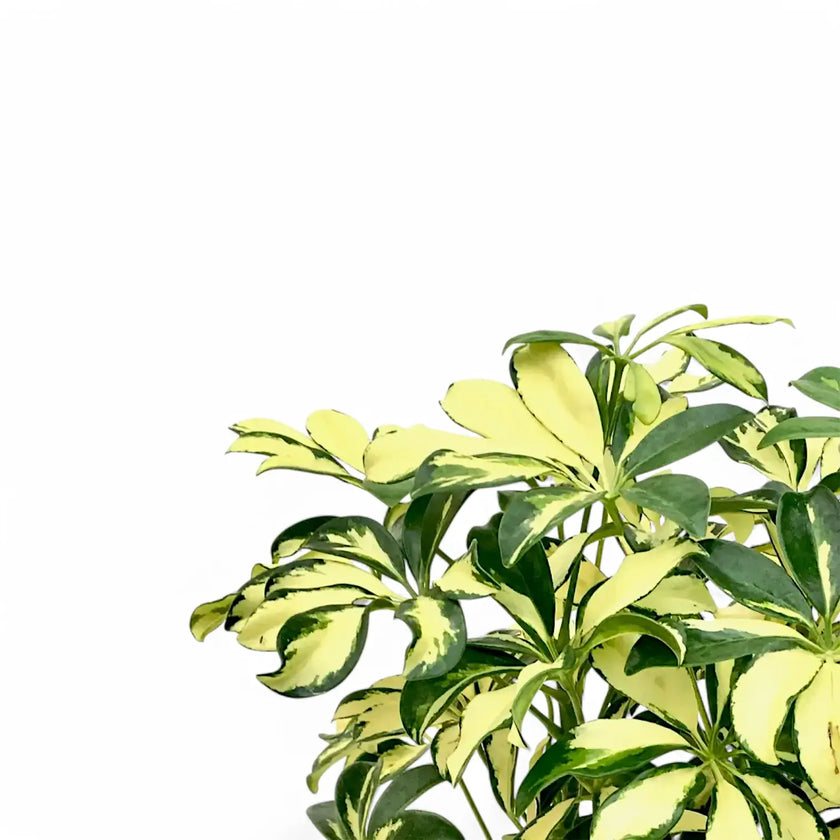
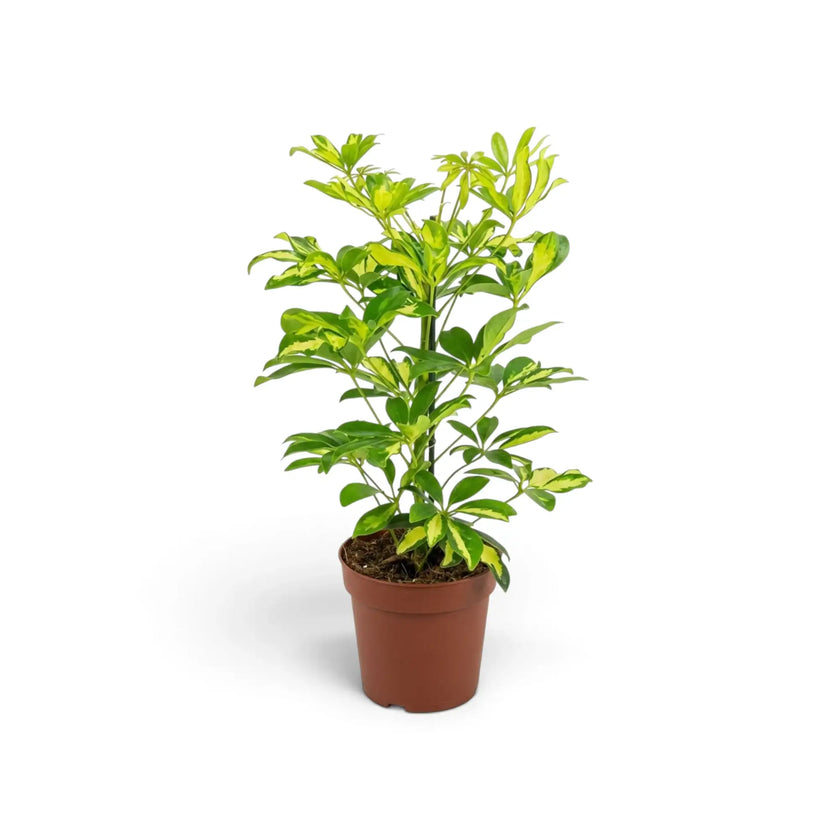
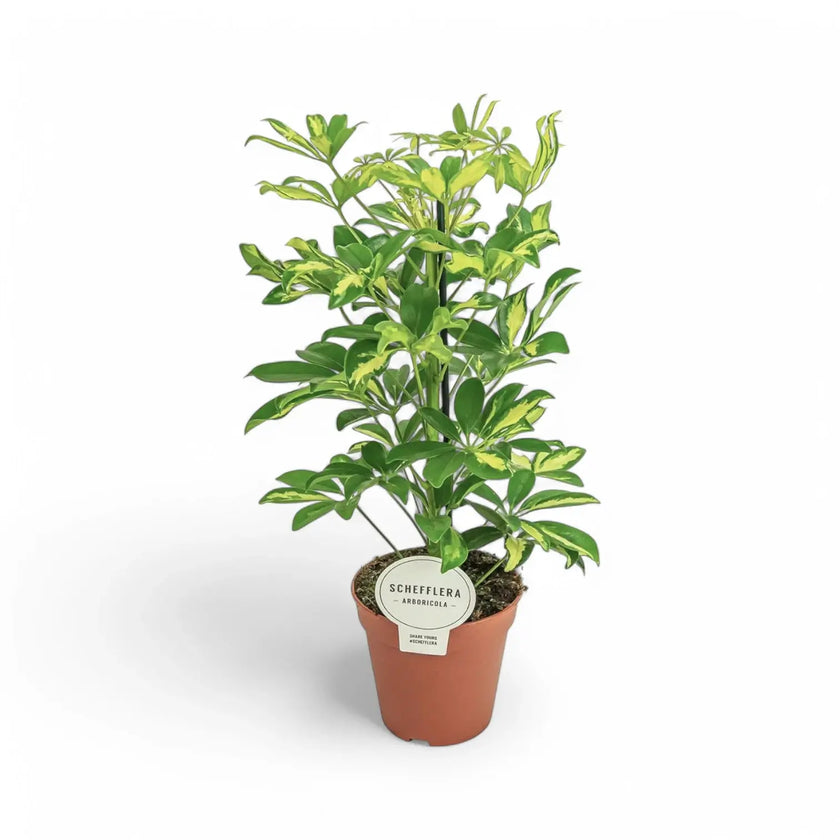
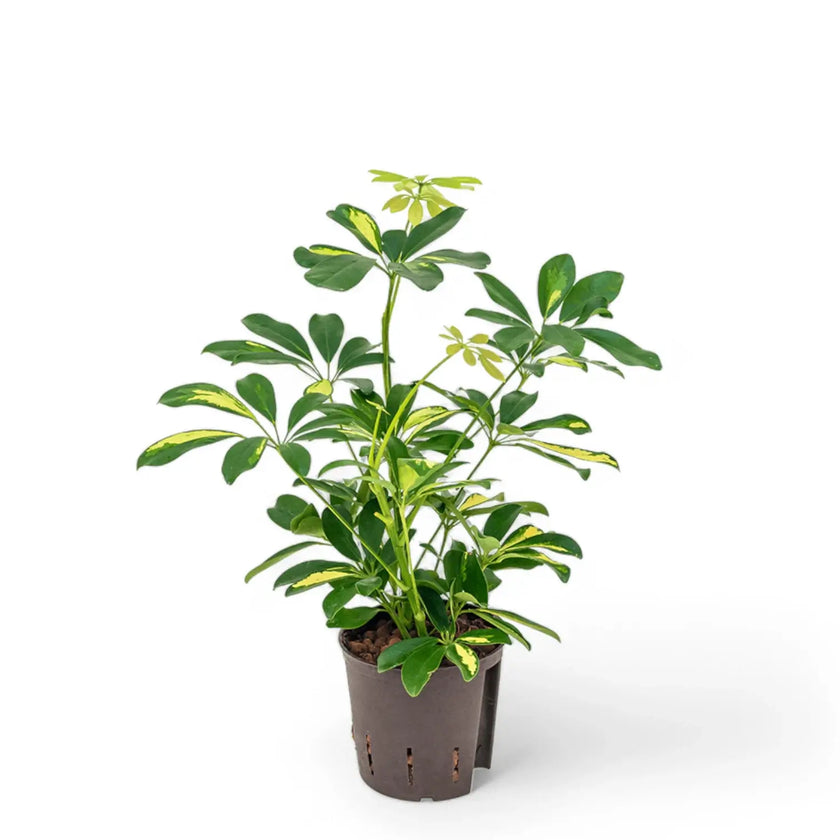
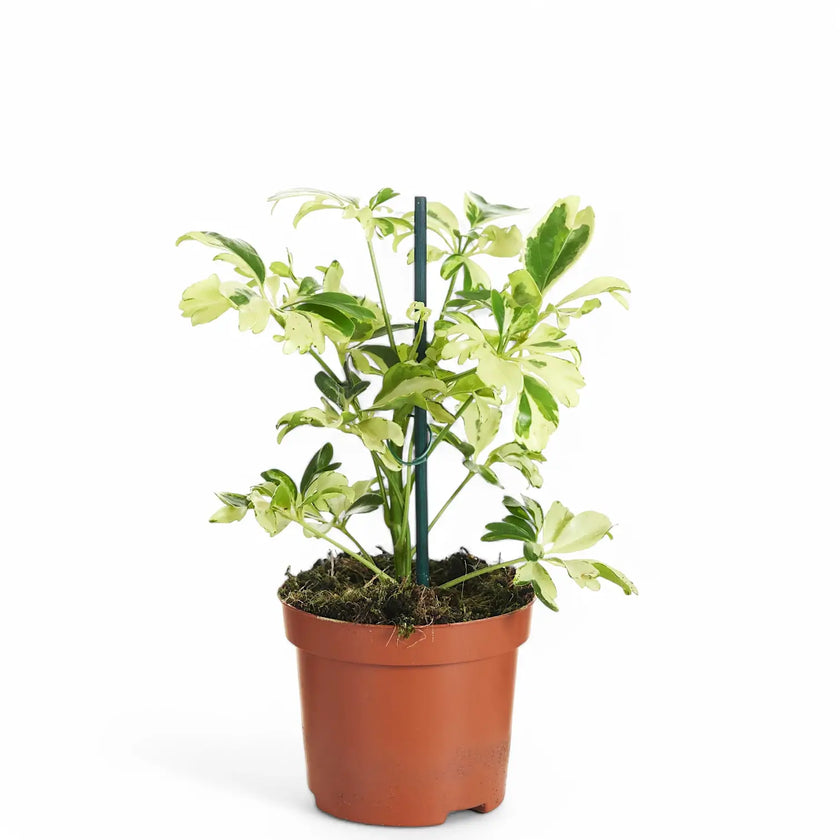
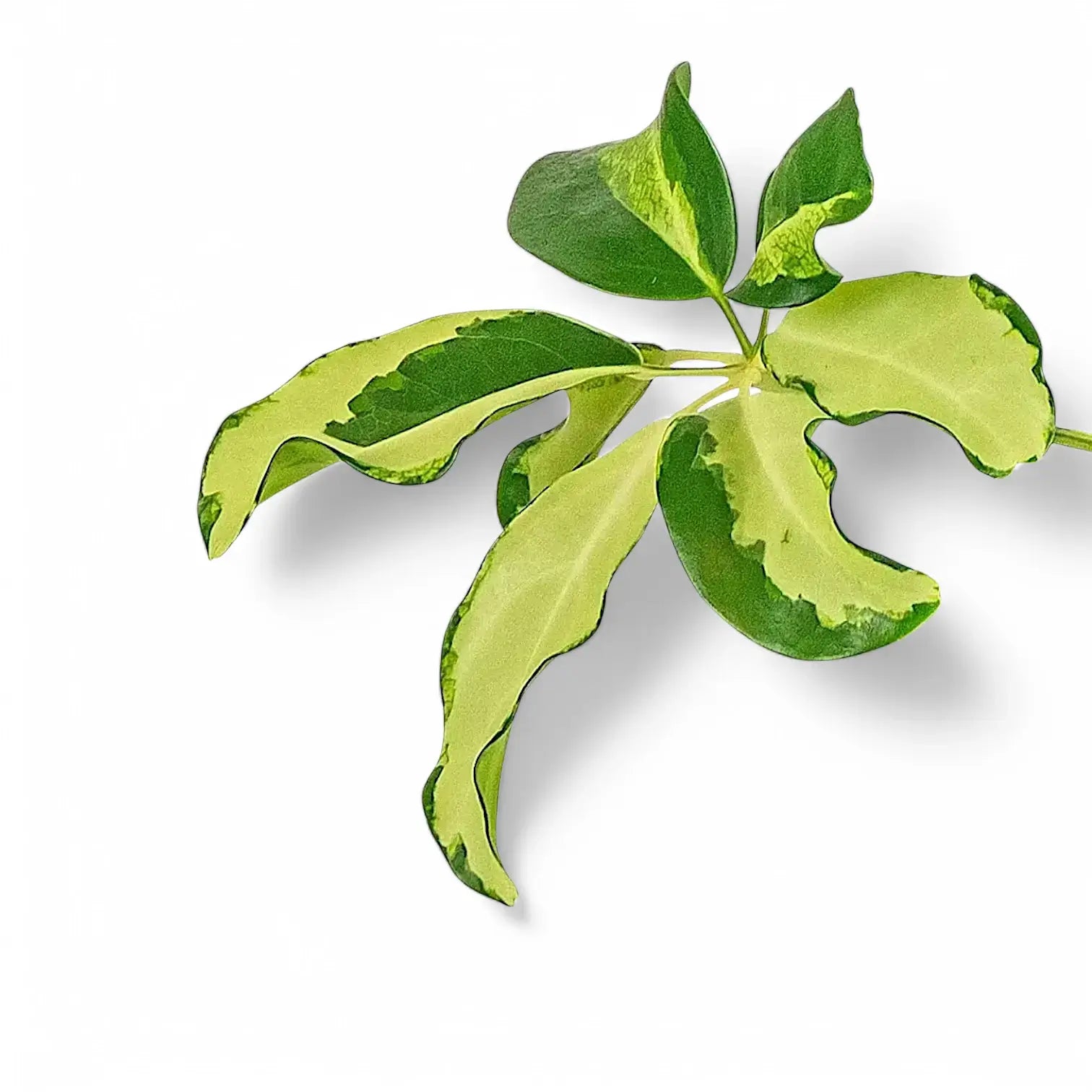
A variegated leaf of Heptapleurum Schefflera arboricola Charlotte on a white backround

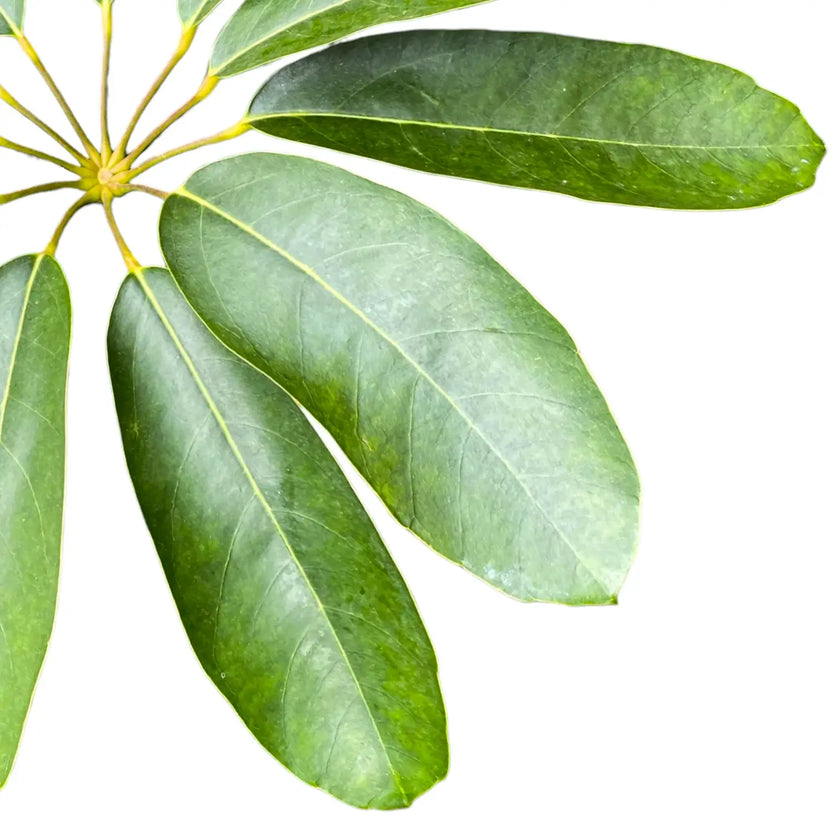
Heptapleurum (Schefflera) - umbrella foliage outline

  • Habit: woody shrub or small tree with umbrella-like leaf whorls; used as a structural plant in bright interiors.
  • Light: medium to bright, indirect light; very low light causes lanky stems and heavy leaf drop.
  • Watering: water thoroughly, then let the top of the mix dry; cold, wet soil is more harmful than cautious dryness.
  • Substrate: prefers standard indoor mix with decent drainage; compact, always-wet compost suffocates roots.
  • Climate: likes stable warmth and modest humidity; avoid placing near draughty doors or radiators.
  • Toxicity: sap can irritate; treat foliage as unsafe to chew and keep away from pets and children.
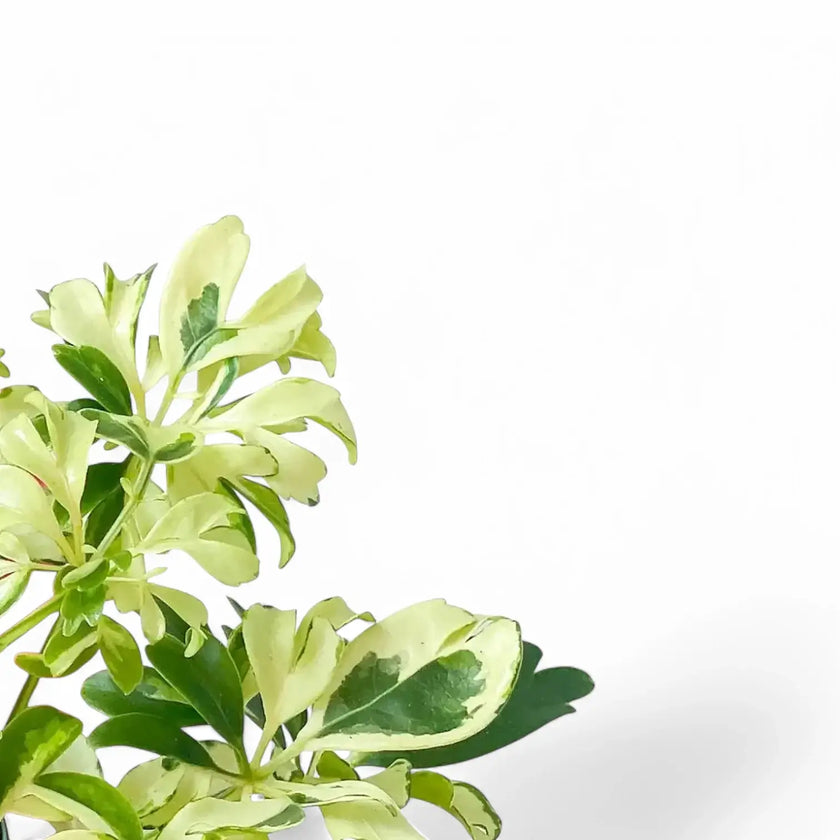
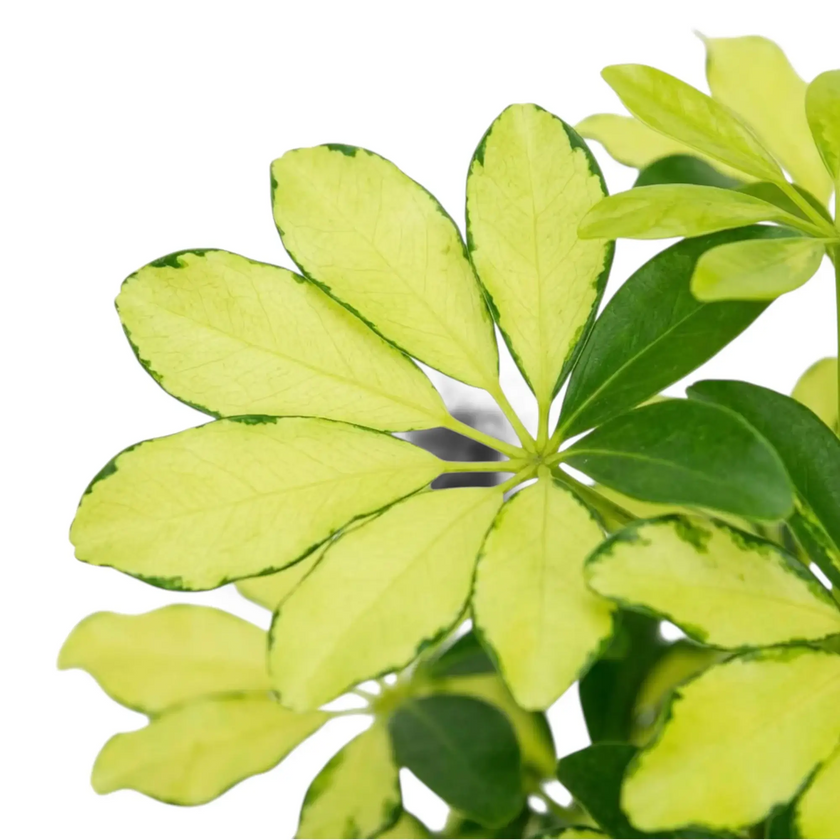
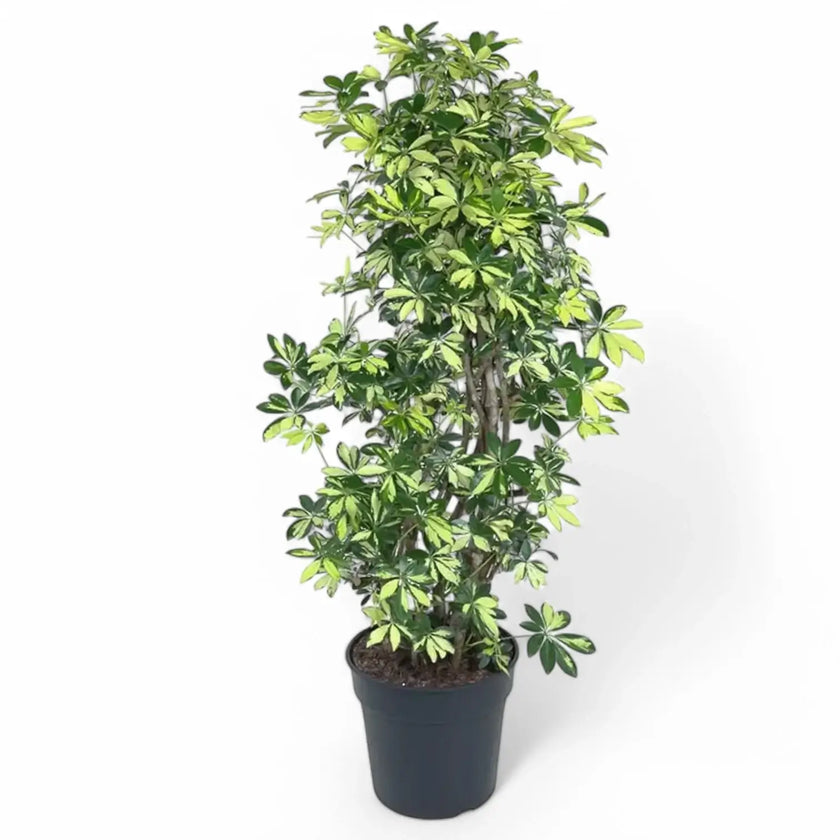
A variegated leaf of Heptapleurum Schefflera arboricola Charlotte on a white backround

Heptapleurum is an accepted genus in Araliaceae native from tropical and subtropical Asia to the northwestern Pacific. Many familiar houseplants are still sold under the older name Schefflera, especially Heptapleurum arboricola cultivars.

Araliaceae

Heptapleurum (Schefflera) - structural “umbrella trees” for indoor spaces

Heptapleurum (Schefflera) - how these “umbrella trees” behave indoors

Heptapleurum (often still sold under the older name Schefflera) brings a lot of structure for relatively little effort. Plants develop elegant whorls of leaflets that fan out like miniature parasols, carried on upright, woody stems that can be trained into slim columns, branching shrubs or loose, airy screens. Most stay manageable in pots yet look substantial enough to visually anchor a space.

Because they are naturally tolerant of a range of light and humidity levels, Heptapleurum is a strong choice for bright, open indoor areas where you want a single, charismatic specimen. They will not turn into trees overnight, but with steady care they can live for years and become real “housemates” rather than short-term décor. You will often see Heptapleurum mentioned alongside other resilient classics in round-ups such as our classic houseplants list.

If you have come across marketing claims that plants like Schefflera “purify” indoor air, it is worth reading our article on air-purifying houseplant myths so you can choose Heptapleurum for the right reasons: structure, presence and longevity, not lab-style air cleaning.

Heptapleurum and your conditions-is this genus a good match?

  • Thrives when: you can offer bright, indirect light, a stable indoor climate and a regular but not heavy-handed watering routine. Spaces with clear daylight and some headroom for upward growth are ideal.
  • More work if: your rooms are very dim, fluctuate between hot and cold, or you tend to overfill saucers “just in case”. Heptapleurum tolerates a lot, but hates cold, soggy roots and extended low light.
  • Choosing the right plant: compact, bushier forms suit closer viewing on stands or shelves; taller, single-stemmed types work better where they can be staked and allowed to rise. Check the likely mature height and habit before you commit and, if you are still mapping out your collection, our overview hub houseplant care guides-start here gives wider context.

Heptapleurum in nature-how habitat informs indoor care

Most Heptapleurum species are native to warm, humid parts of Asia and the western Pacific, where they grow as understory trees and shrubs beneath taller forest canopies or along bright but sheltered forest edges. In these habitats they enjoy filtered light, mild temperatures and soils that are moist but never stagnant.

This background explains their preferences in a pot. Heptapleurum does best with even warmth, decent light and a substrate that holds some moisture without becoming waterlogged. It will put up with the typical conditions of a heated flat far better than many true rainforest plants, but it still sulks if parked in a cold draught or left in a bucket of water. If you want to understand why air spaces in the mix matter just as much as drainage holes, our guide on drainage versus aeration in houseplants is a useful read.

Light levels and placement choices for Heptapleurum

Bright, indirect light brings out the best in Heptapleurum. A position near an east- or west-facing window, or a little back from a sunny south-facing pane, keeps growth compact and leaf colour rich. Variegated cultivars in particular appreciate good light but should be shielded from harsh midday sun to prevent bleaching or crispy edges. For a visual benchmark of what we mean by “bright-indirect”, see our bright-indirect light guide.

In low light, plants respond with sparser foliage and stretched internodes that make them look bare. If you are unsure if a spot is genuinely usable or sliding into “too dim”, our explanation of low-light houseplants helps separate marketing language from actual plant needs.

Watering Heptapleurum and choosing a breathable substrate

Heptapleurum prefers a gentle rhythm: water, then a pause to let the upper layer of mix dry before you water again. A useful rule of thumb is to wait until the top couple of centimetres feel dry and the pot has become noticeably lighter, then water generously so that moisture reaches all the way through the root ball. Always pour away any excess that collects in the saucer-lingering in cold water is one of the fastest ways to damage the roots.

Choose a well-aerated mix that reflects its woodland origins. A peat-free indoor compost loosened with fine bark and a portion of perlite or pumice is usually enough, providing both moisture retention and air spaces. Avoid large, deep pots around a relatively small plant: Heptapleurum roots are happiest when they can quickly draw down the water in their container rather than sitting in a large mass of wet, unused compost. If you’d like a deeper understanding of how pot size and mix influence your watering pattern, you can adapt the principles in our detailed watering guide to your own space and routine.

Heptapleurum comfort zone: temperature, humidity and airflow

These “umbrella trees” are most content in the same temperatures people enjoy-roughly 18-26 °C. Short dips below that are rarely a problem if the mix is on the dry side, but extended cold, especially near single-glazed windows or draughty doors, can trigger yellowing and leaf drop. If your setup is prone to winter chills, our winter houseplant care guide is worth a look.

Heptapleurum is more forgiving of average household humidity than many tropicals, but very dry air will eventually show up as browned tips and tired foliage. A spot out of the path of hot radiators, plus a little extra ambient humidity from nearby plants or a small humidifier, is usually enough. For a broader view on balancing moisture in the air, see our humidity guide for houseplants. Gentle, constant air movement helps the foliage dry after watering without chilling the plant; strong, cold draughts do not.

Shaping Heptapleurum: pruning, training and support

In time, Heptapleurum develops woody stems that can be shaped to suit your space. Young plants often branch freely, forming a bushy silhouette. If you prefer a taller accent, you can select one or two main stems and tie them loosely to a stake, removing lower side shoots as they elongate.

Pruning is straightforward. Shortening overly long or bare stems encourages fresh shoots lower down and helps keep the plant in proportion. Make clean cuts just above a node and avoid removing too much foliage at once. If you’re reviving an old, leggy specimen, rejuvenation pruning is best done in stages over a season rather than in one drastic cut-back, so the plant can respond without going into shock. For mindset and planning around reshaping established plants, the reflections in houseplants beyond the basics may help.

Heptapleurum safety notes for pets and people

Like many members of the Araliaceae, Heptapleurum contains compounds that can irritate the mouth and digestive system if chewed. While it is not among the most dangerous houseplants, it is still sensible to treat it as ornamental only and keep it out of reach of pets or young children who might chew on the leaves.

Routine handling does not normally require special precautions beyond basic hygiene. Use sharp, clean tools for pruning, avoid getting sap in your eyes and wash your hands afterwards, particularly if you have sensitive skin. If you share your home with very determined grazers and need gentler foliage, our houseplants safe for cats guide offers alternative ideas.

Heptapleurum on arrival-unpacking and settling in

A journey in a box is a shock for any large, leafy plant, and Heptapleurum is no exception. It is common to see a few yellowing or drooping leaflets, a bit of wilting or some minor physical scuffs during the first week or two at home. These blemishes mostly reflect transport stress and do not say much about the plant’s long-term prospects.

After unboxing, remove any obviously damaged leaves, position the plant in its new, bright but not sun-blasted spot and check the moisture in the root ball. If the mix feels very dry and the pot is light, water it thoroughly and let it drain; if it still feels evenly moist, wait a few days before watering again. Avoid repotting immediately unless the existing compost is clearly breaking down or the root ball is unstable-most Heptapleurum settles more quickly if you let it adjust before changing its container. For more on this phase, our houseplant acclimatisation guide walks through what is happening inside the plant.

Over the next few weeks you are looking for firm, glossy new leaf growth and a gradual return to normal turgor as signs that it has found its feet.

Heptapleurum troubleshooting-what common signals mean

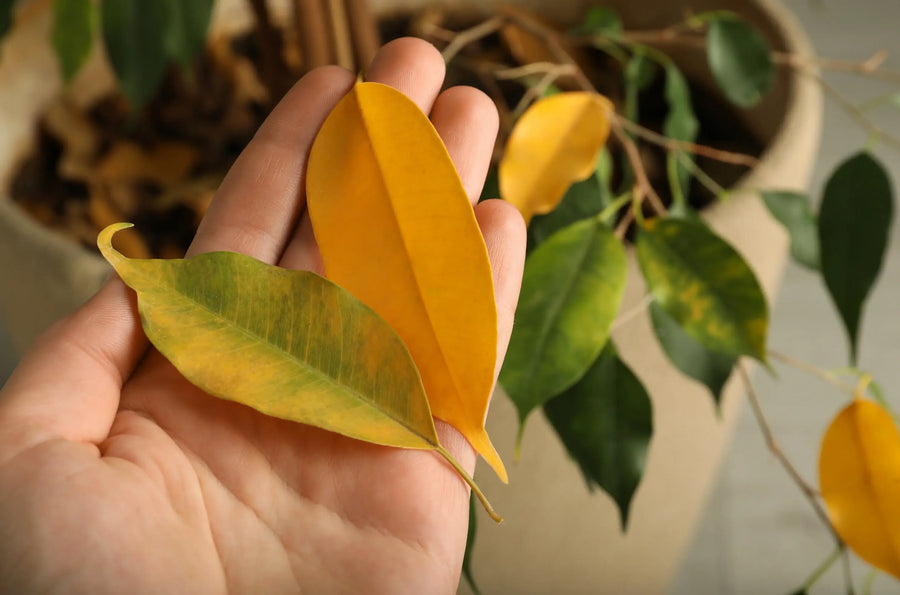
  • Leaves yellowing and dropping from the base: often linked to prolonged wet soil, cold roots or a big drop in light. Check that drainage holes are clear, let the mix dry out a little more between waterings and, if possible, move the plant somewhere brighter and less draughty. For broader patterns, see our guide to leaf drop in houseplants.
  • Long, bare stems with foliage only at the tips: a classic symptom of insufficient light over time. Bring the plant closer to a window or supplement with a grow light, then prune back some of the lankiest shoots to encourage new growth lower down. Our grow lights guide covers what counts as useful artificial light, not just brightness to your eyes.
  • Brown, crisp edges on leaves: usually a sign of very dry air or a mix that swings between parched and saturated. Shift the plant away from heat sources, tidy up your watering pattern and add a little background humidity. For a deeper breakdown of margins and tips, there is a dedicated article on brown leaf tips and how to fix them.
  • Soft, blackened roots or a sour smell from the pot: indicates rot from chronic overwatering or compacted compost. Gently slide the plant from its pot, trim away any mushy tissue, repot into a fresher, more open mix and water sparingly until new growth appears. The step-by-step process in our root rot treatment guide applies well here.

Back to top and choose the Heptapleurum that matches your ceiling height, your light and how full you want the canopy to look ↑

Frequently Asked Questions About Heptapleurum
Worth reading:

Why Your Houseplants Don’t Care What Room They’re In

Why Your Houseplants Don’t Care What Room They’re In

Forget “perfect for bedrooms” and “ideal for bathrooms.” Plants don’t respond to room names — they respond to light, moisture, airflow, temperature, and substrate. This guide explains why room-based advice fails, how indoor microclimates actually work, and ...

Read more