Skip to content

Cart

Your cart is empty.

Monstera

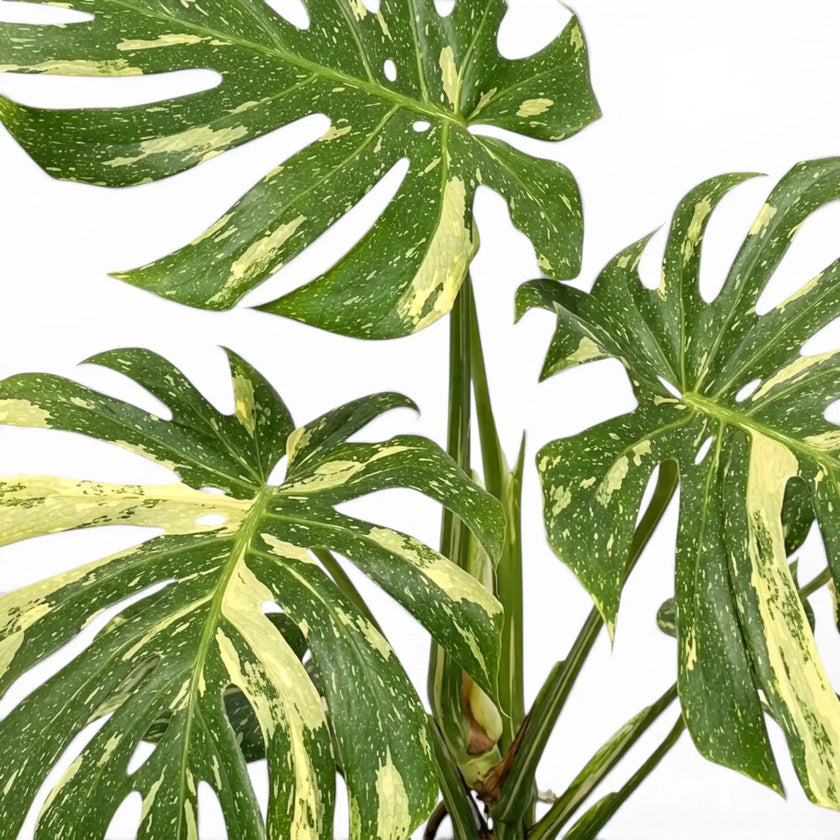
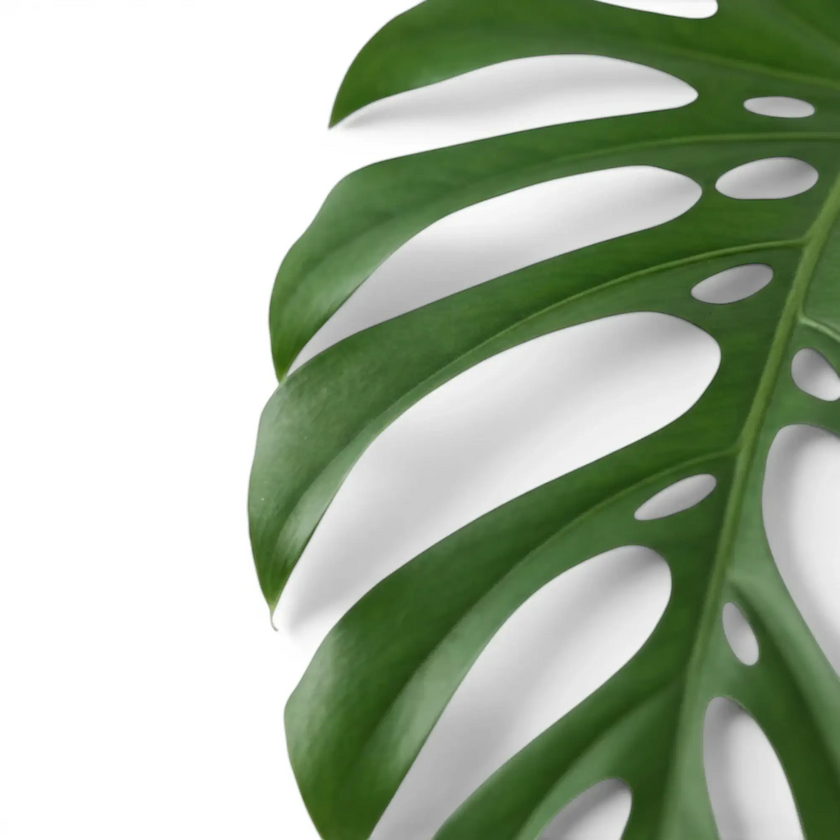
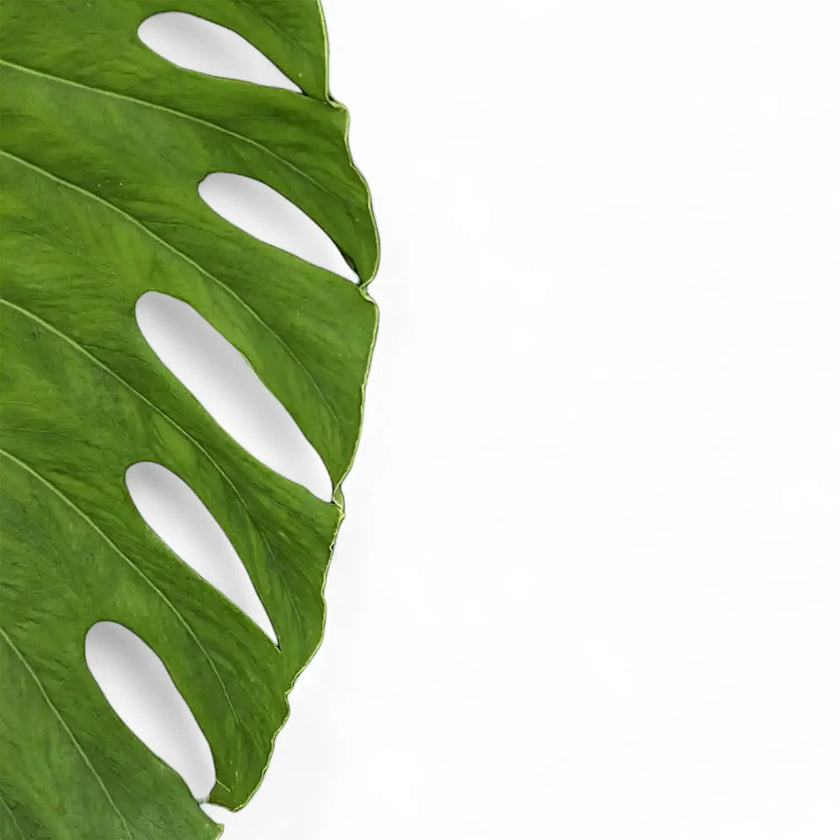
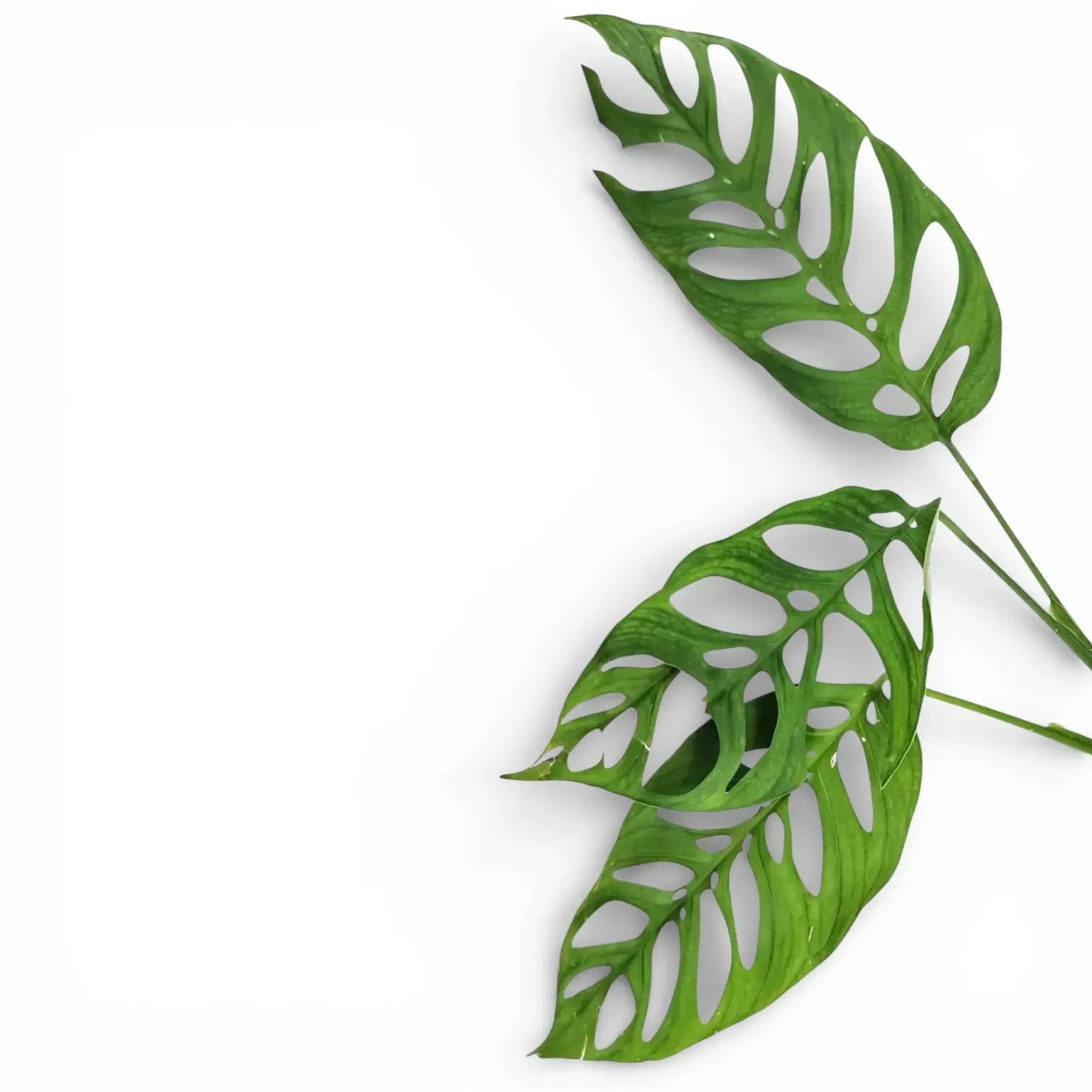
Leaves of a Monstera plant showing large fenestrations on white background

Substrate help

Aroid roots need structure, not dense compost

Choose airy ingredients and ready-to-mix substrate starters for Monstera, Philodendron, Anthurium and related indoor aroids.

Sort by:

Filters

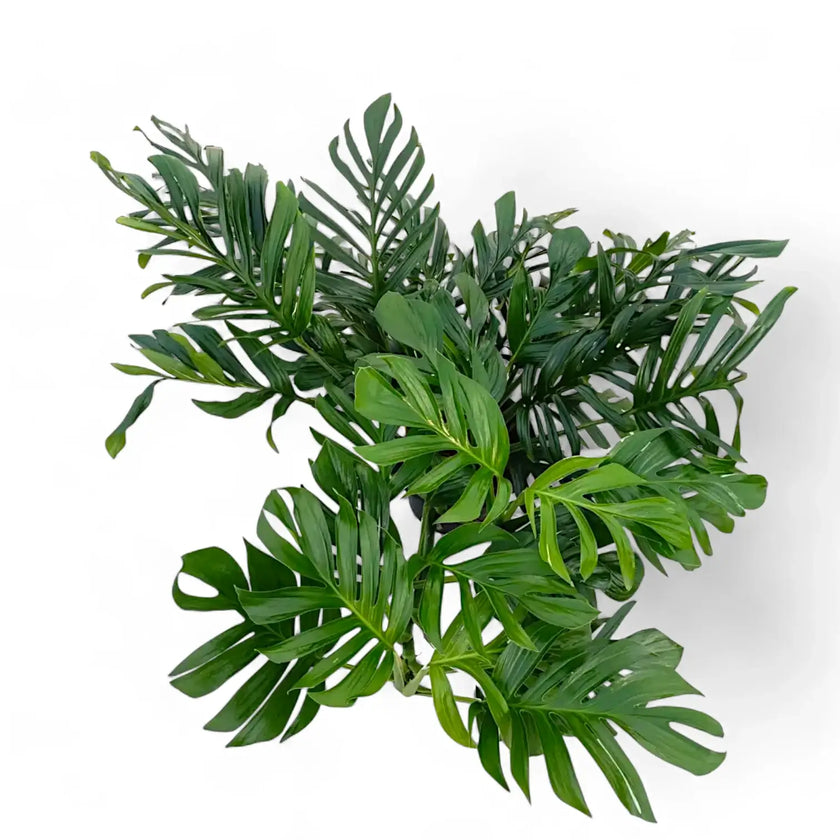
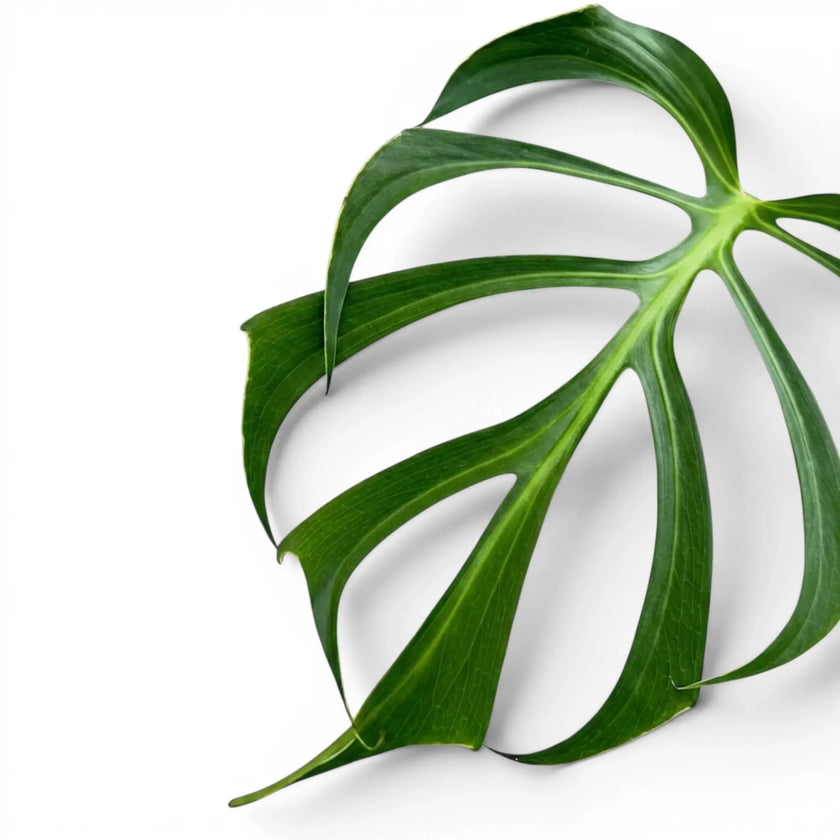
Green, deeply split leaf of  Monstera Burle Marx's Flame on a white background
Monstera 'Burle Marx's Flame' Regular price From €18,75
Monstera 'Crème Brûlée' leaf detail on white background.
Monstera 'Esqueleto' leaf close-up on white background.
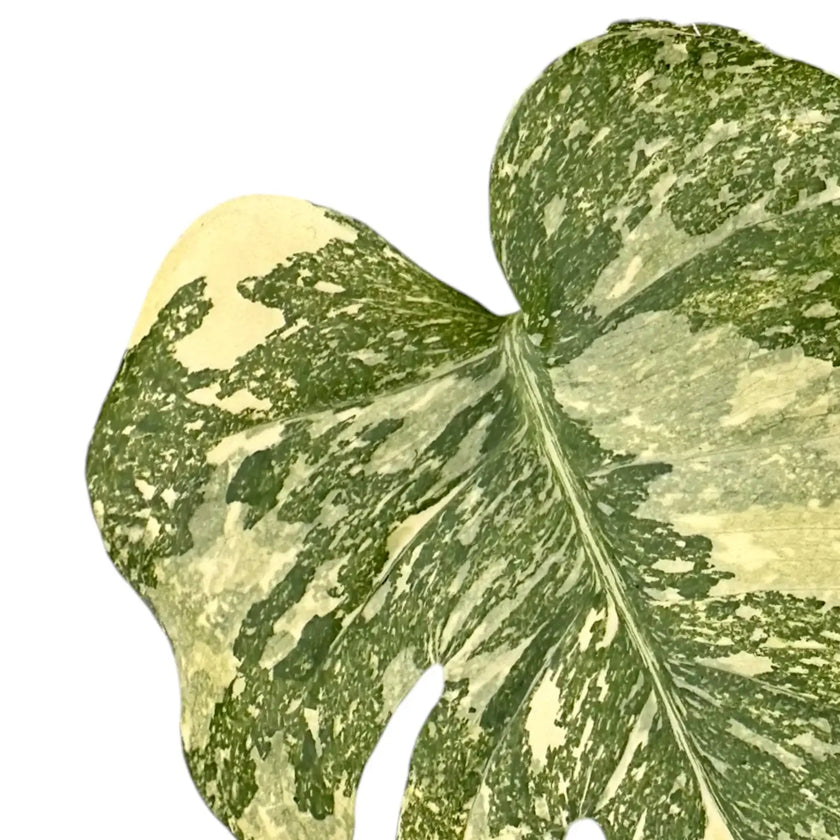
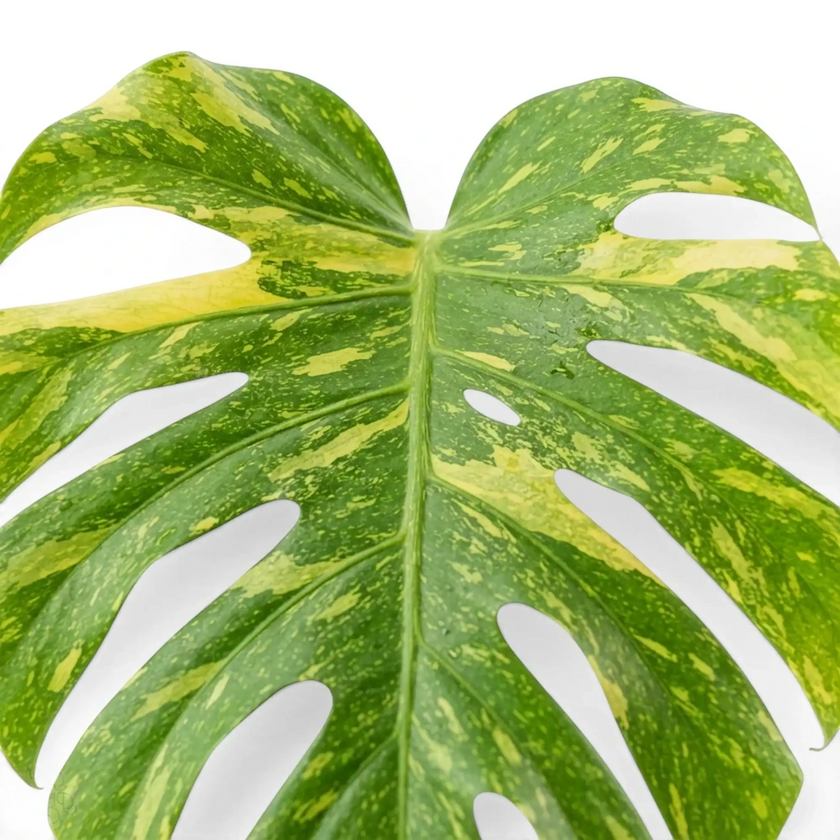
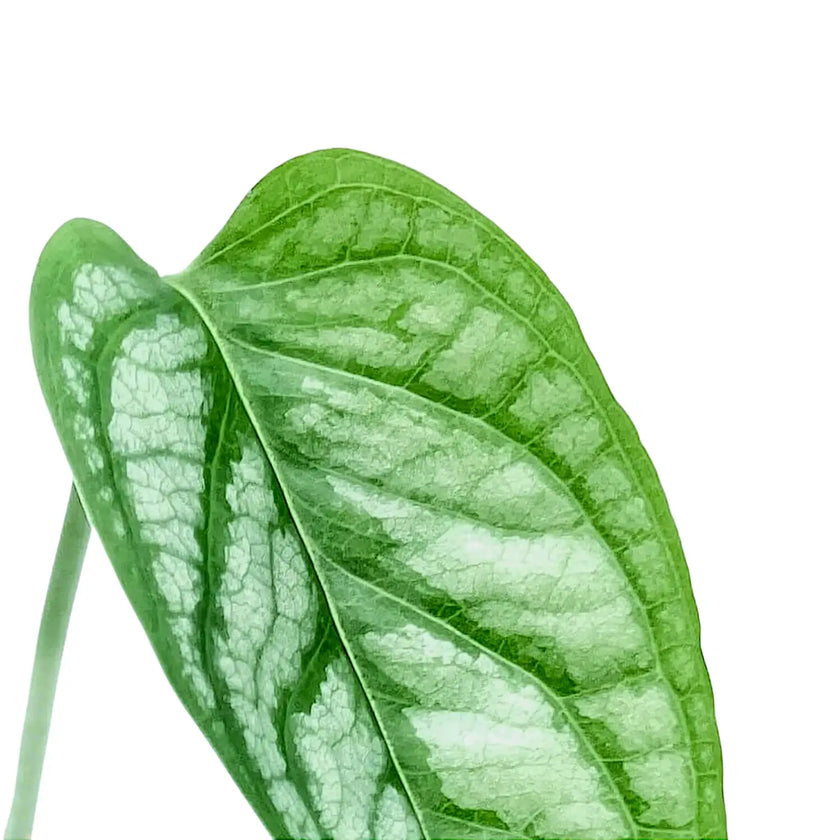
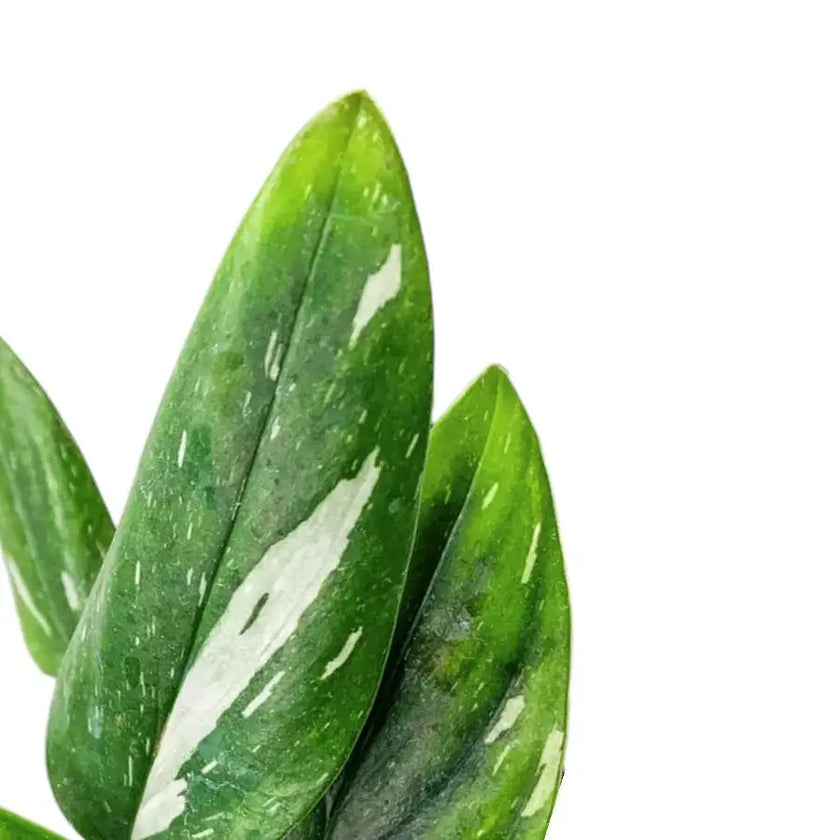
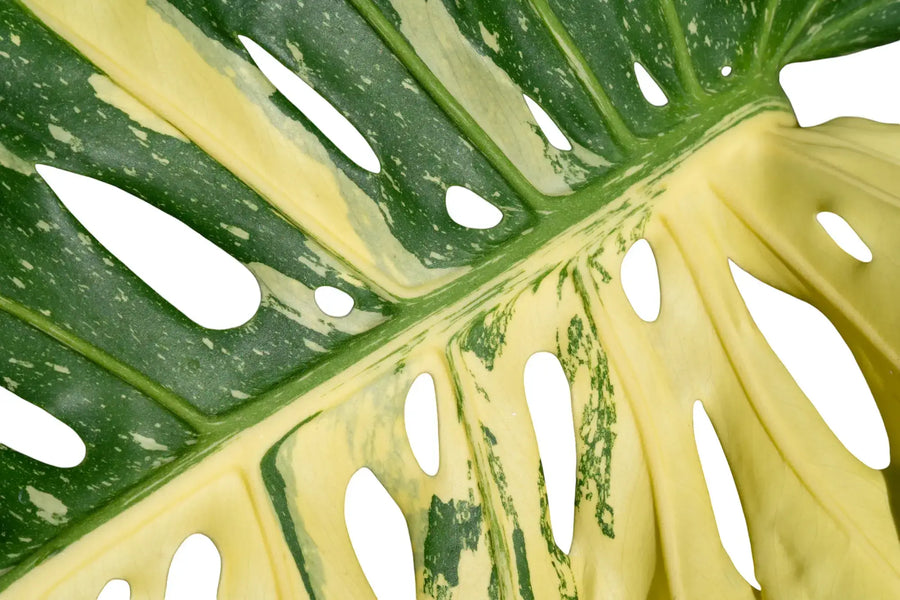
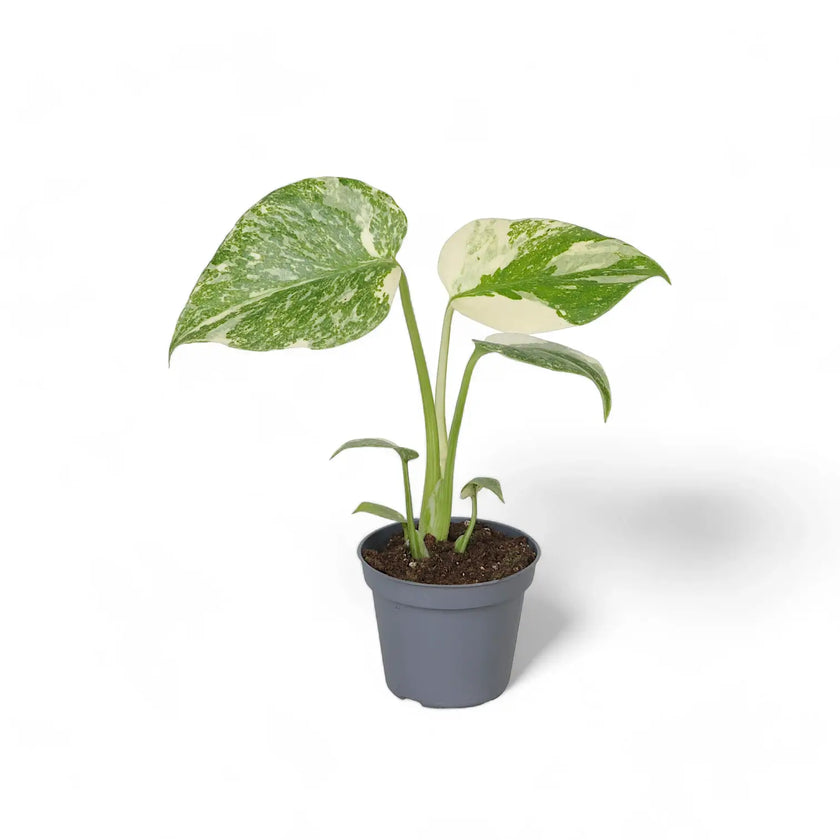
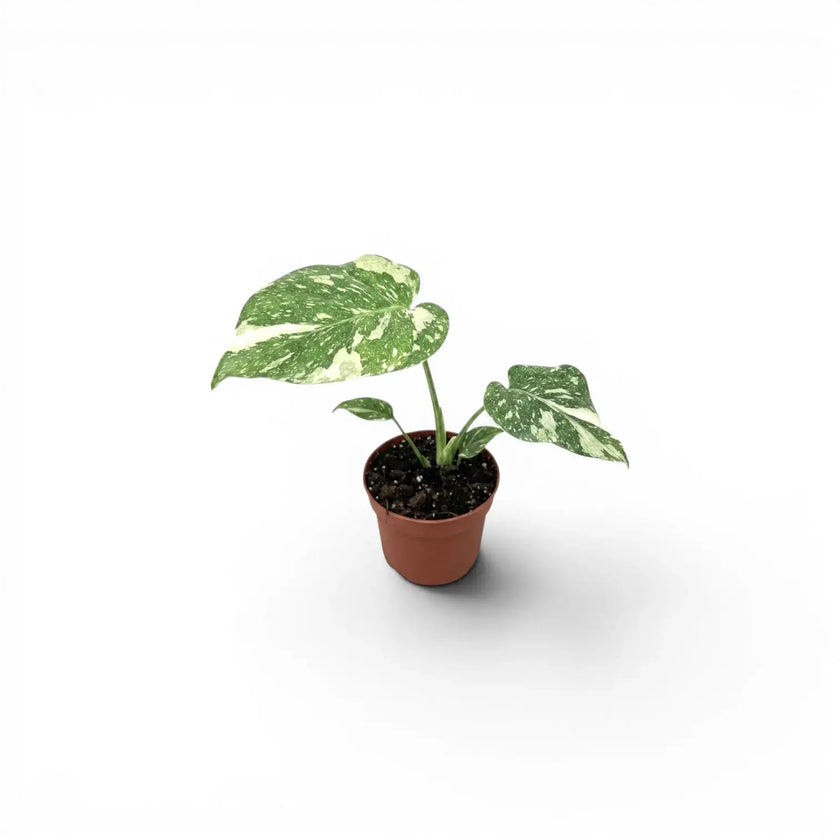
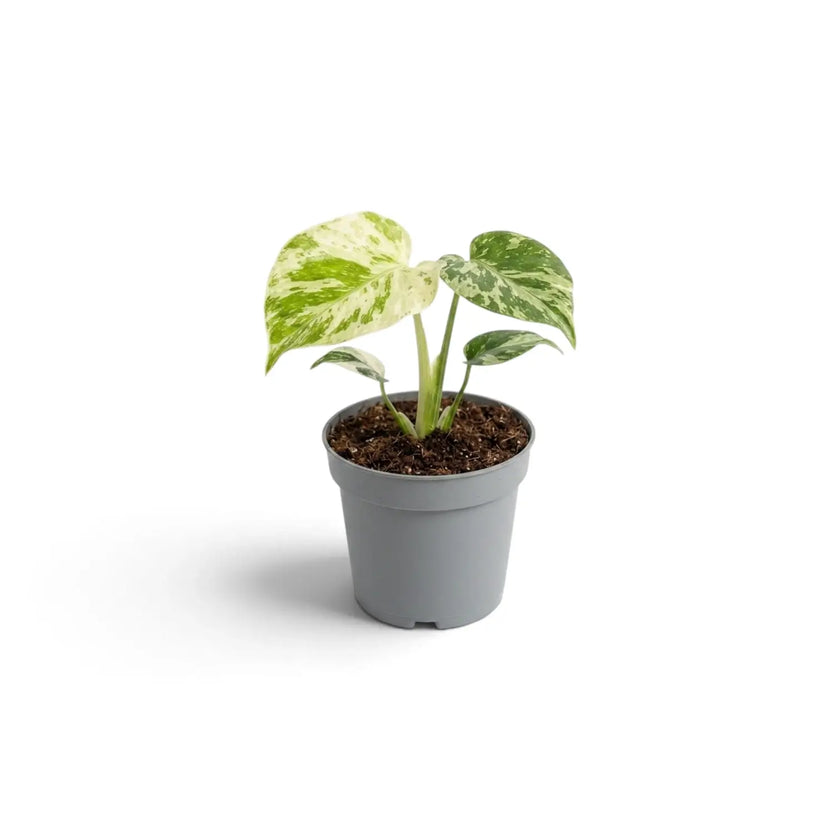
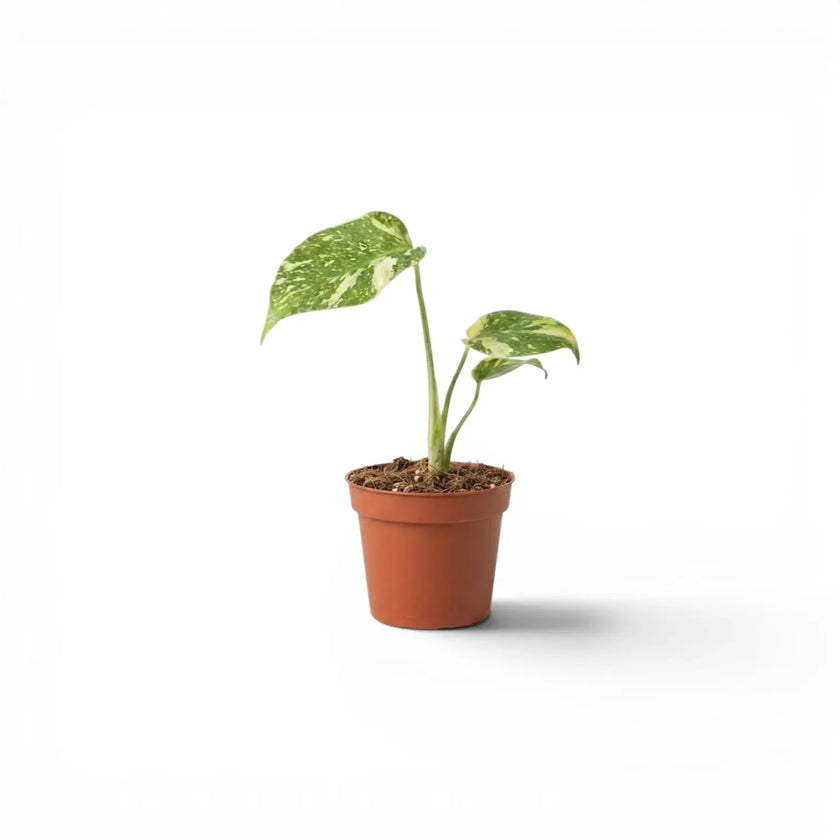
Close-up of Monstera Thai Constellation variegated foliage on a white background
Monstera 'Thai Constellation' Regular price From €14,75
Monstera acacoyaguensis leaf detail on white background.
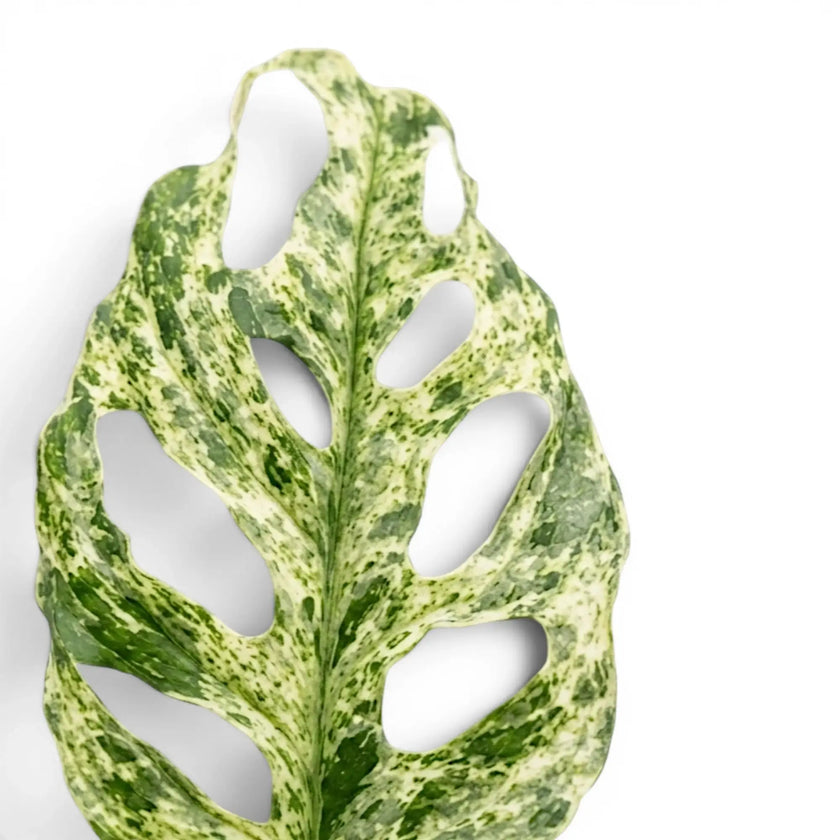
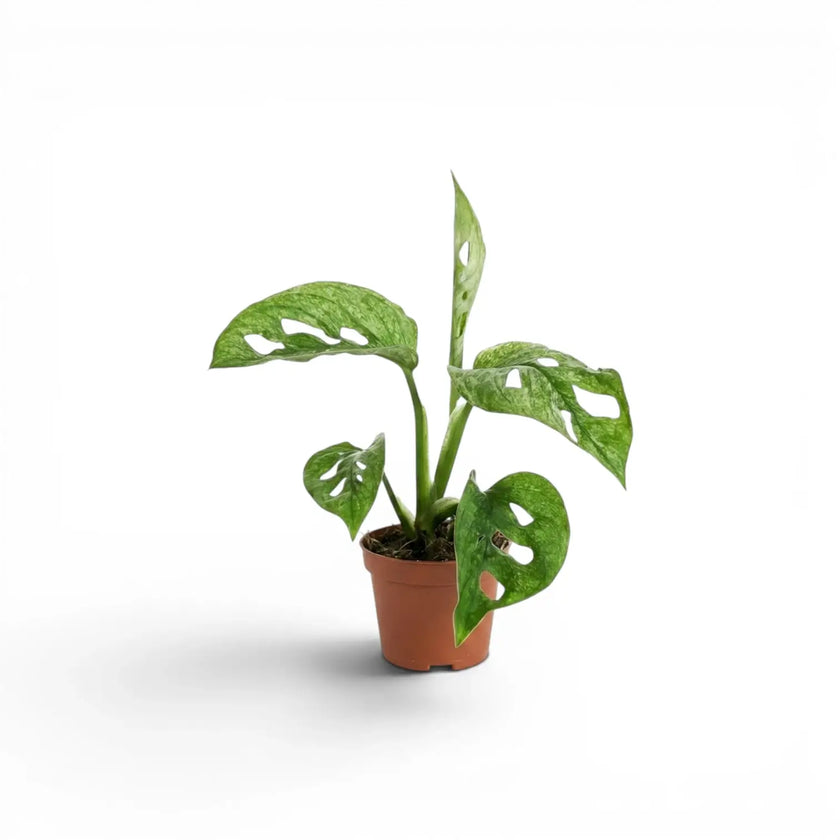
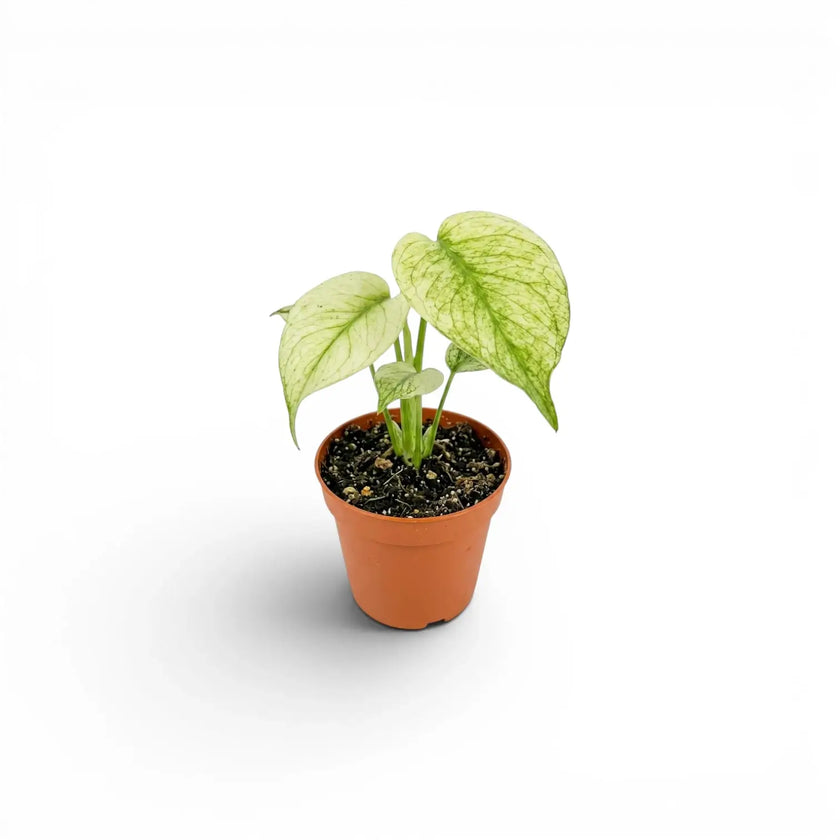
Monstera adansonii 'Frozen Freckles' leaf close-up on white background.
Monstera adansonii 'Frozen Freckles' Regular price From €16,00
Monstera adansonii 'Indonesian Marble' leaf close-up on white background.
Monstera adansonii 'Mint' leaf close-up on white background.
Monstera adansonii 'Mint' Regular price From €12,00
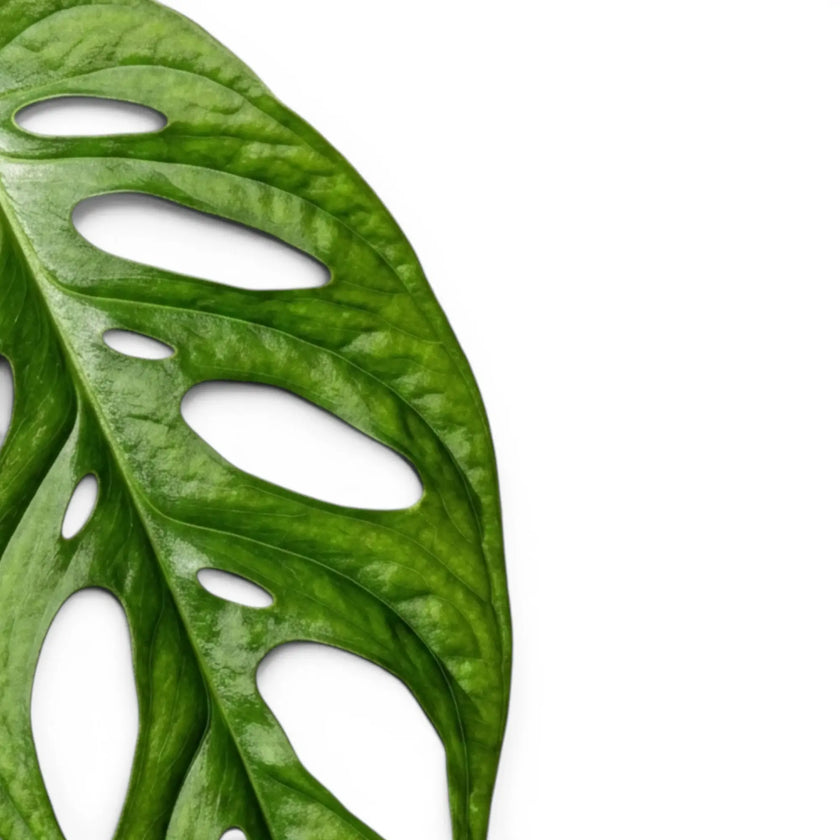
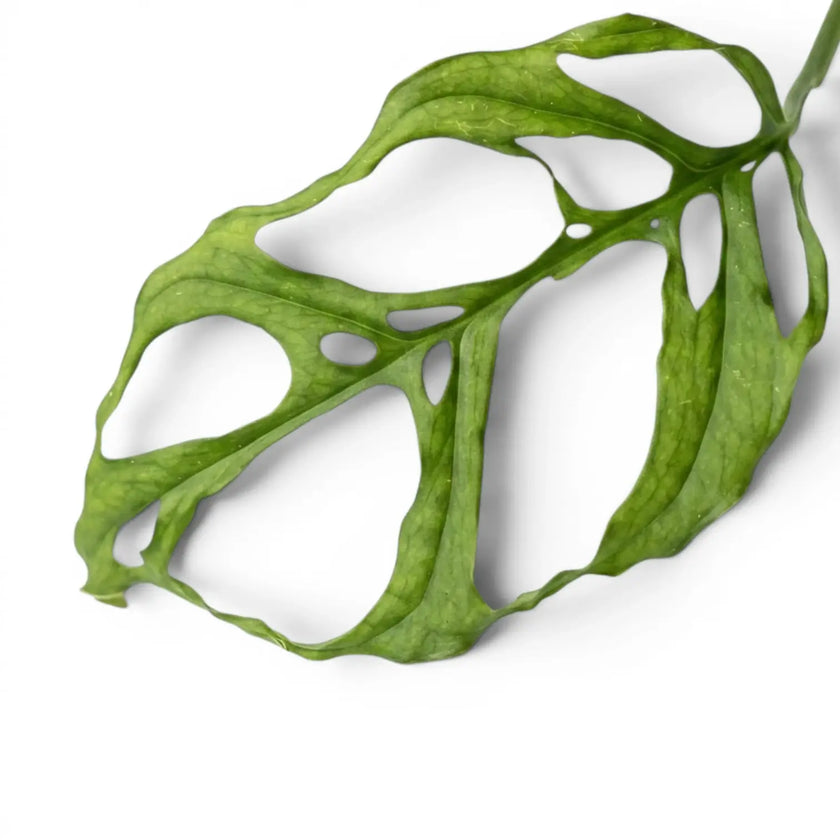
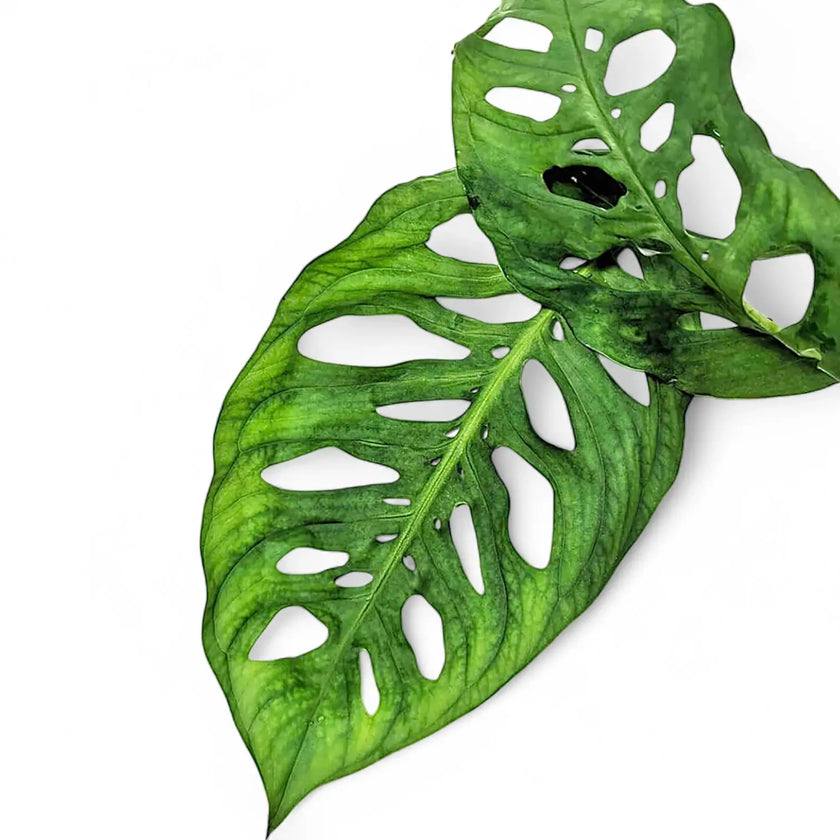
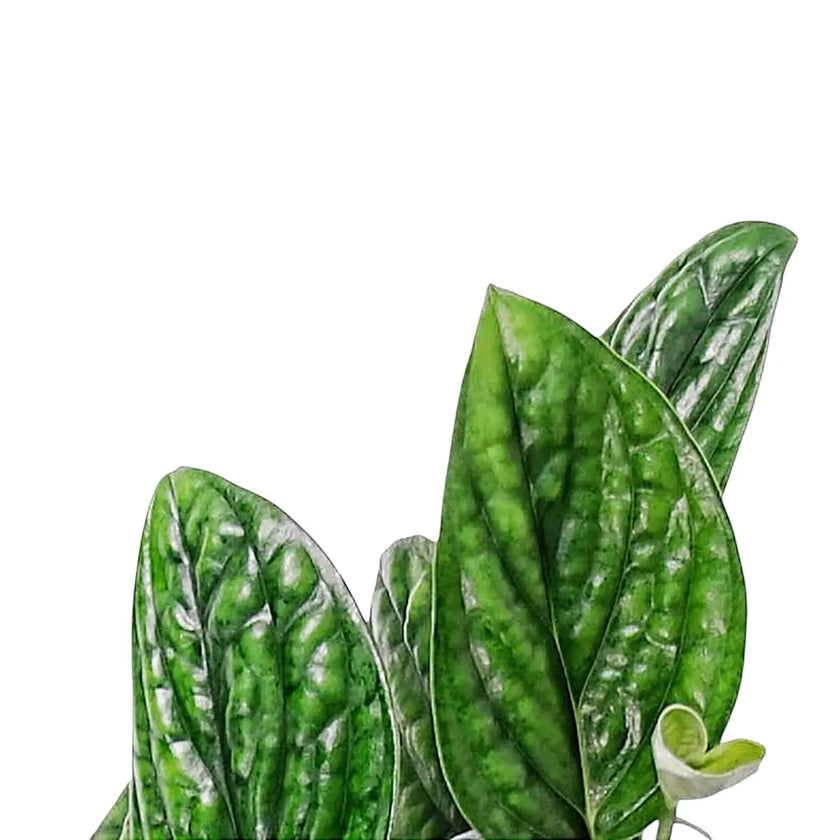
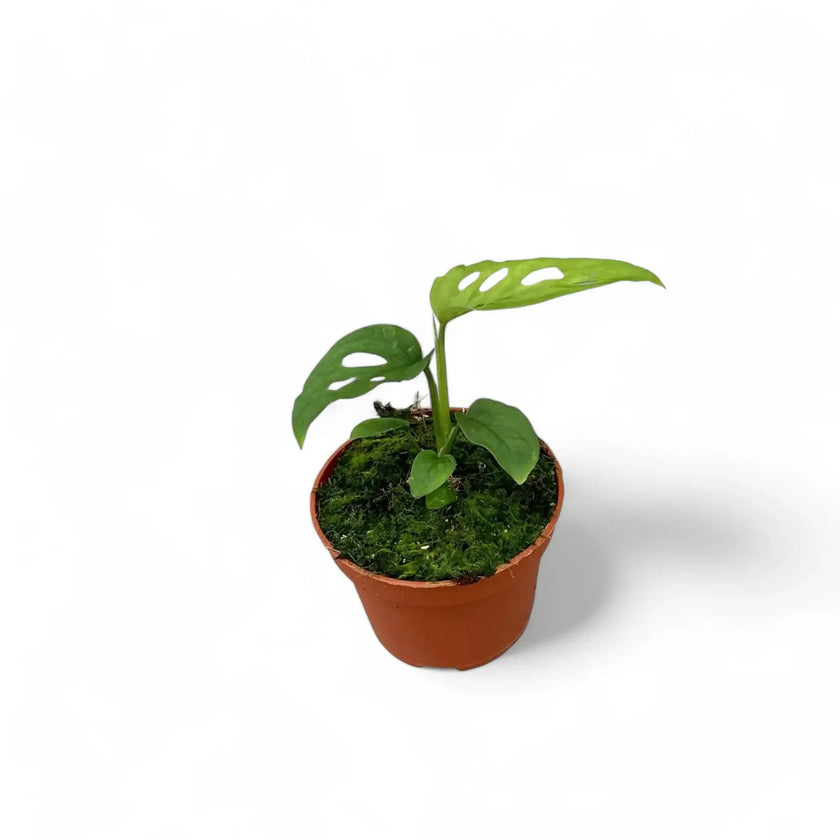
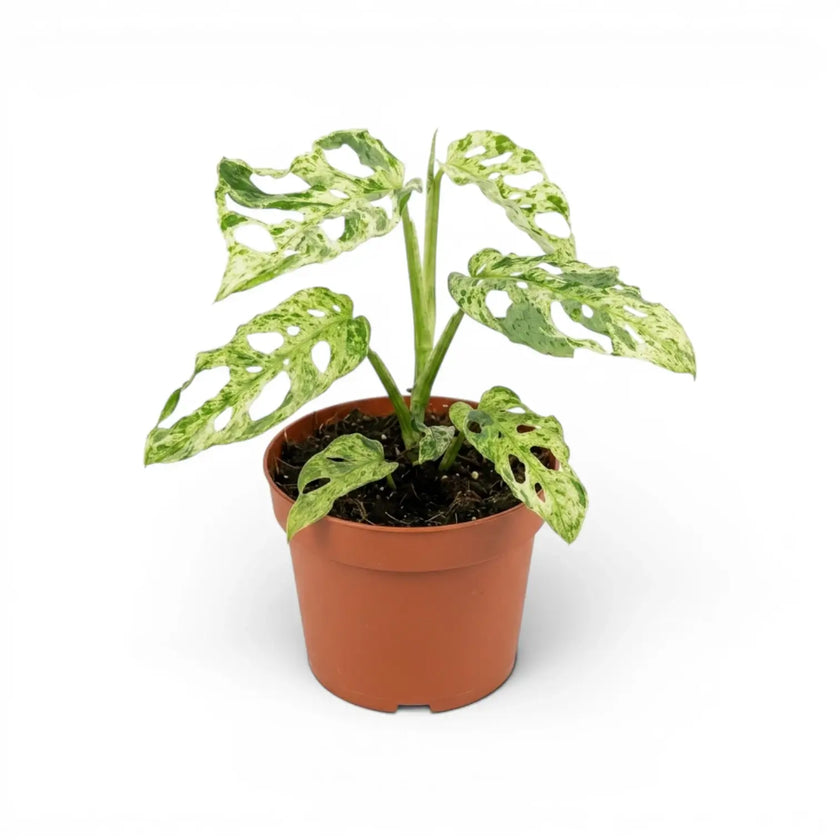
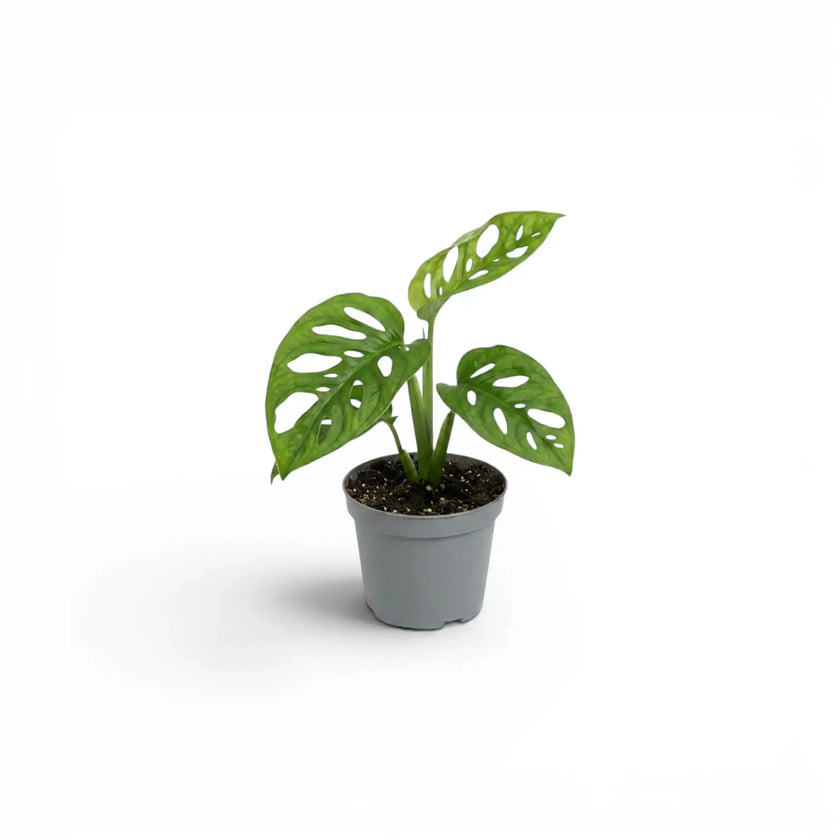
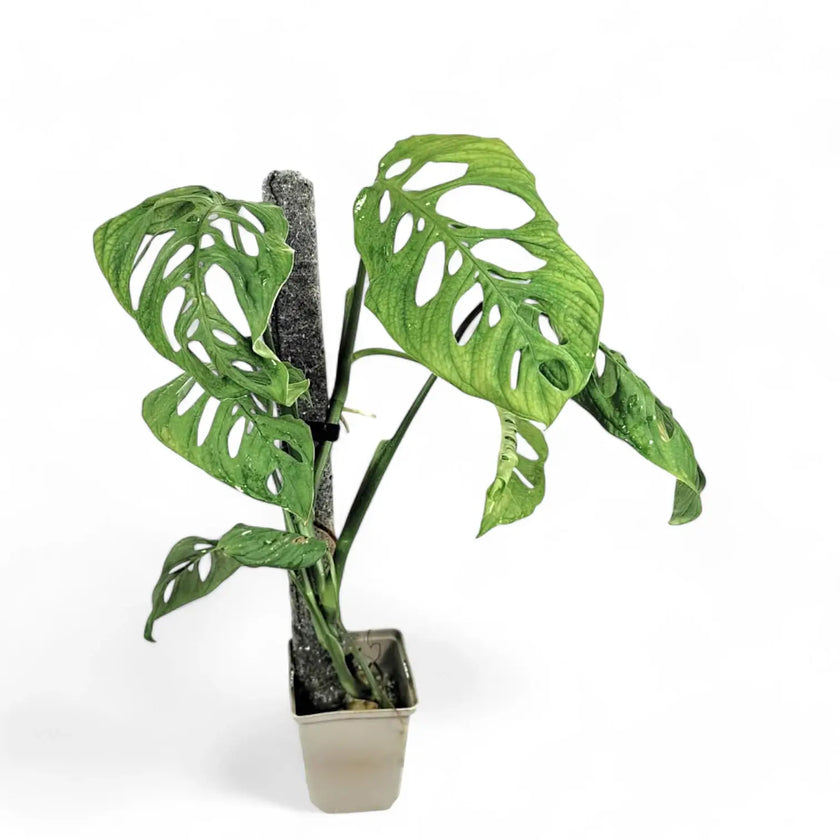
Close-up of Monstera adansonii Monkey Leaf foliage on white backround
Monstera adansonii 'Monkey leaf' Regular price From €10,75
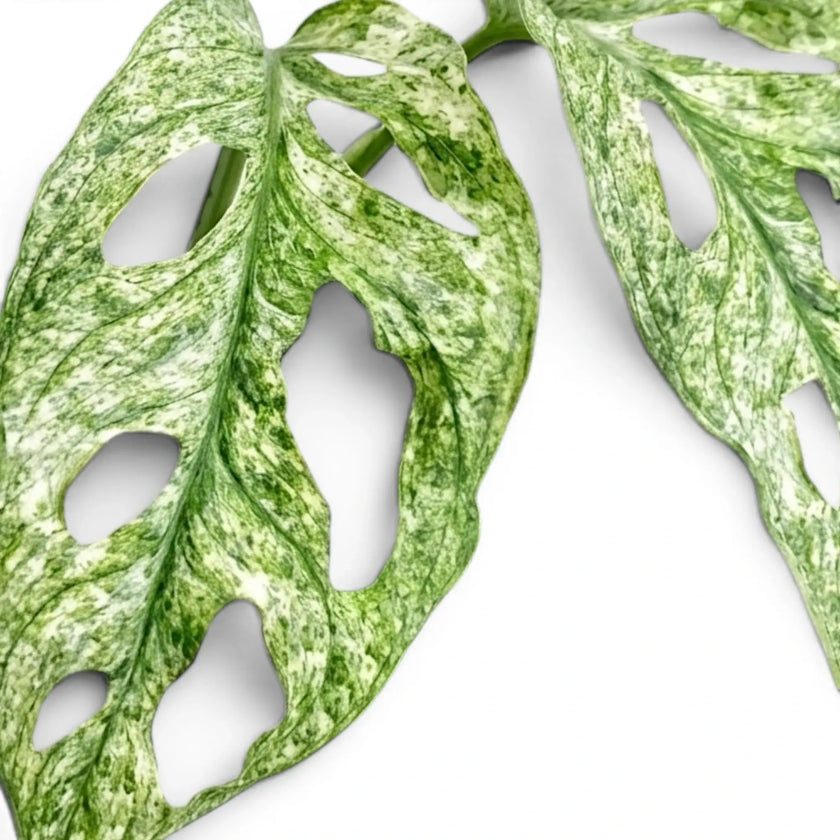
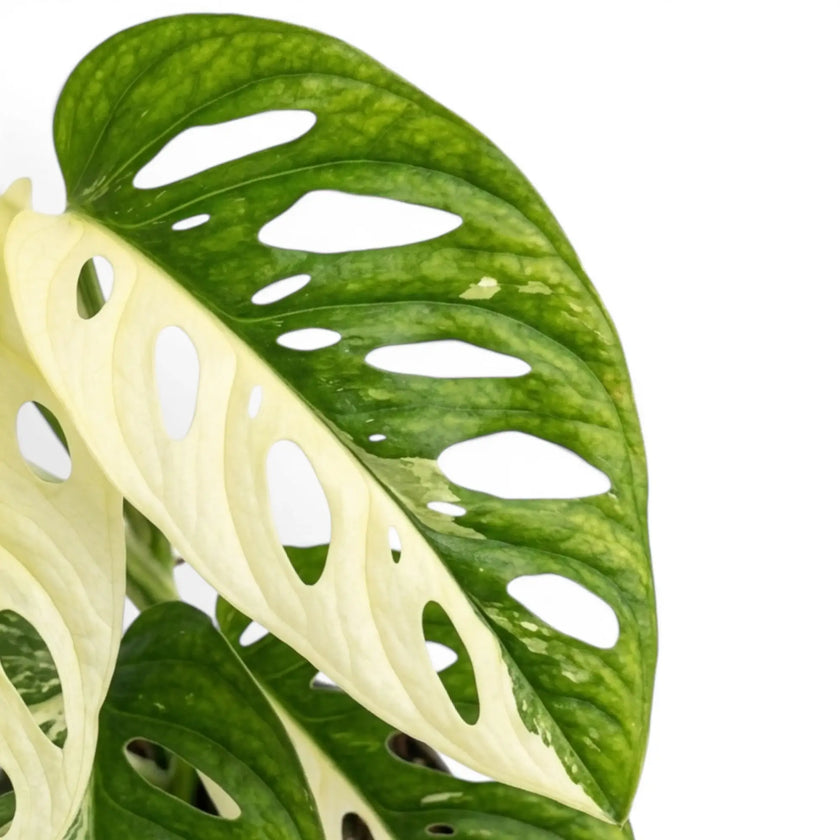
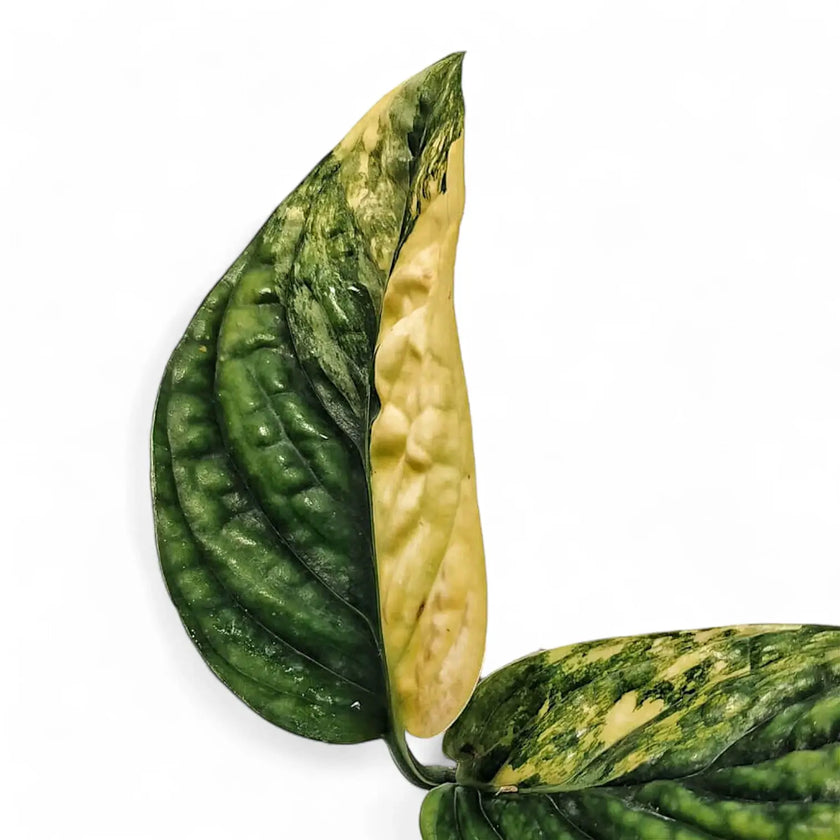
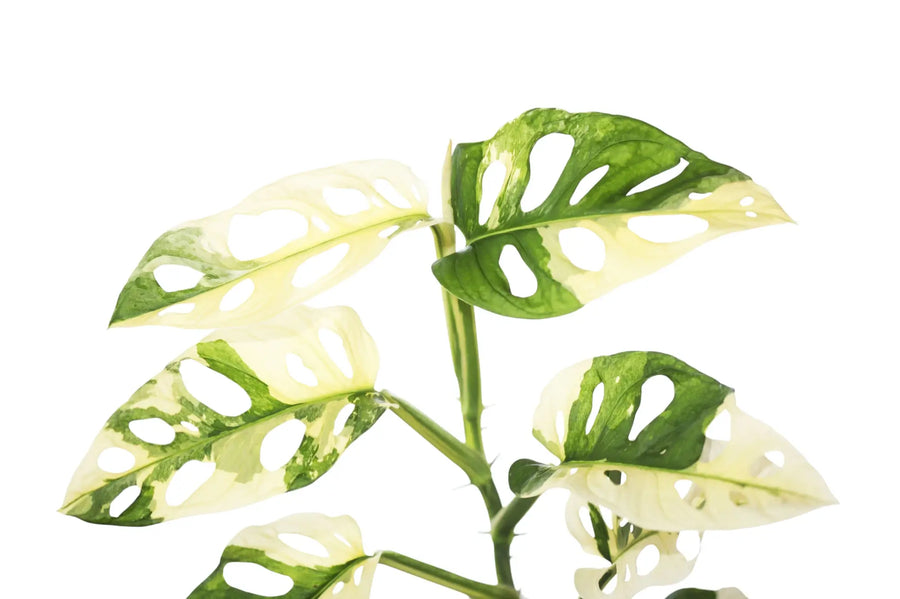
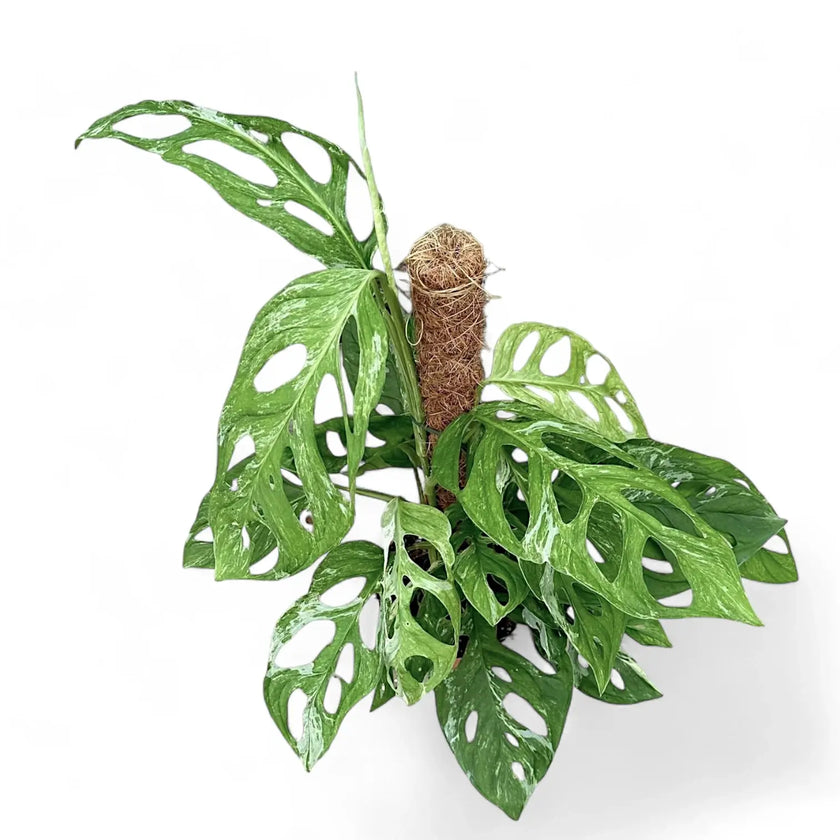
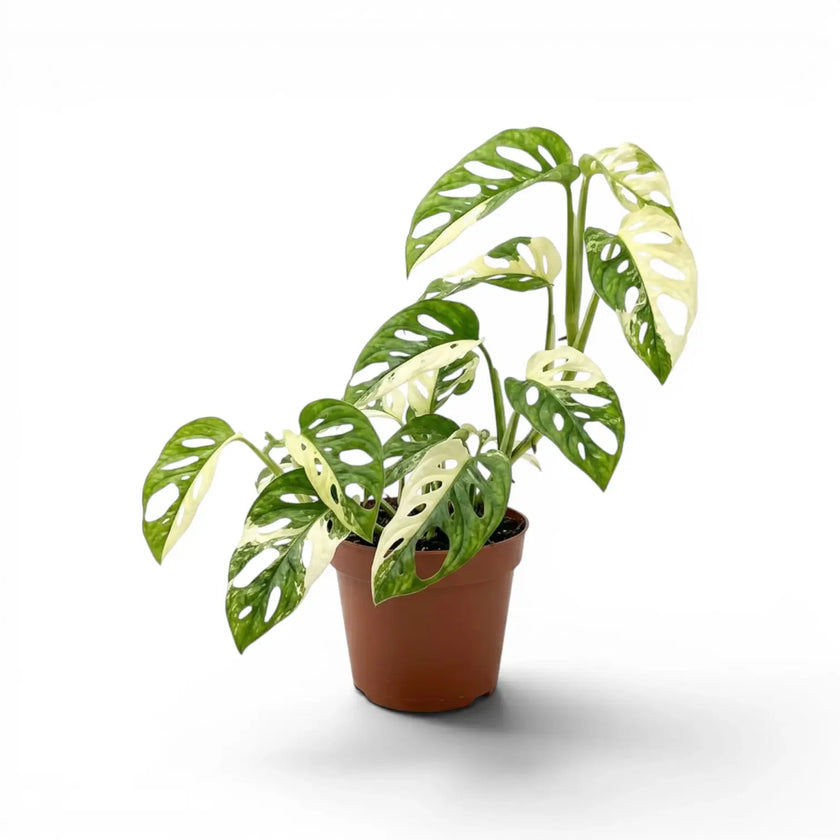
Close-up of Monstera adansonii albo variegated leaves on white backround
Monstera adansonii variegata Regular price From €40,00
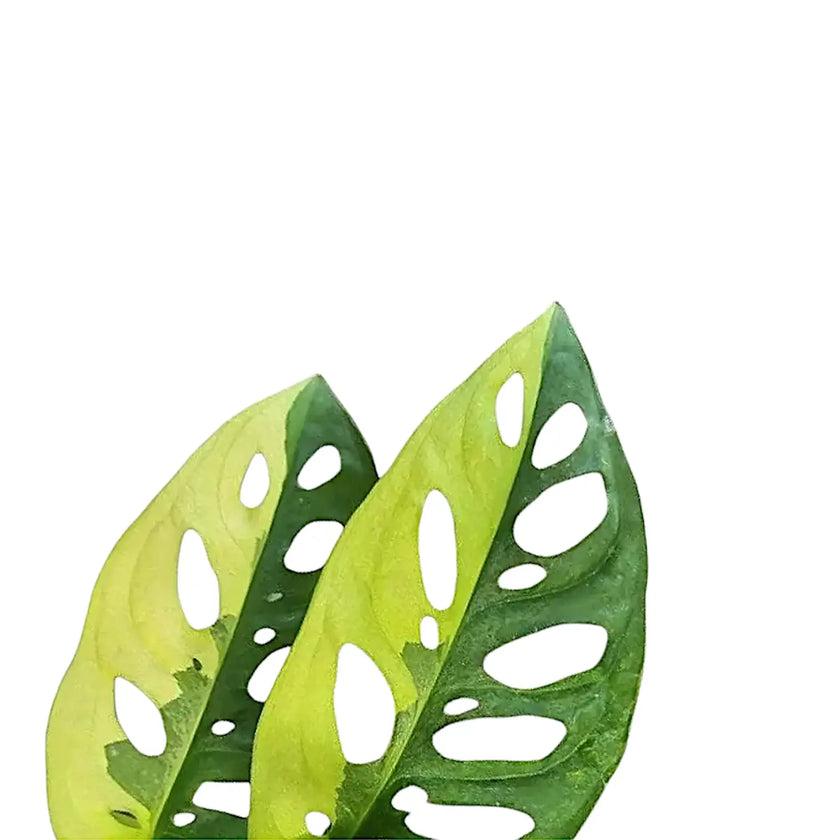
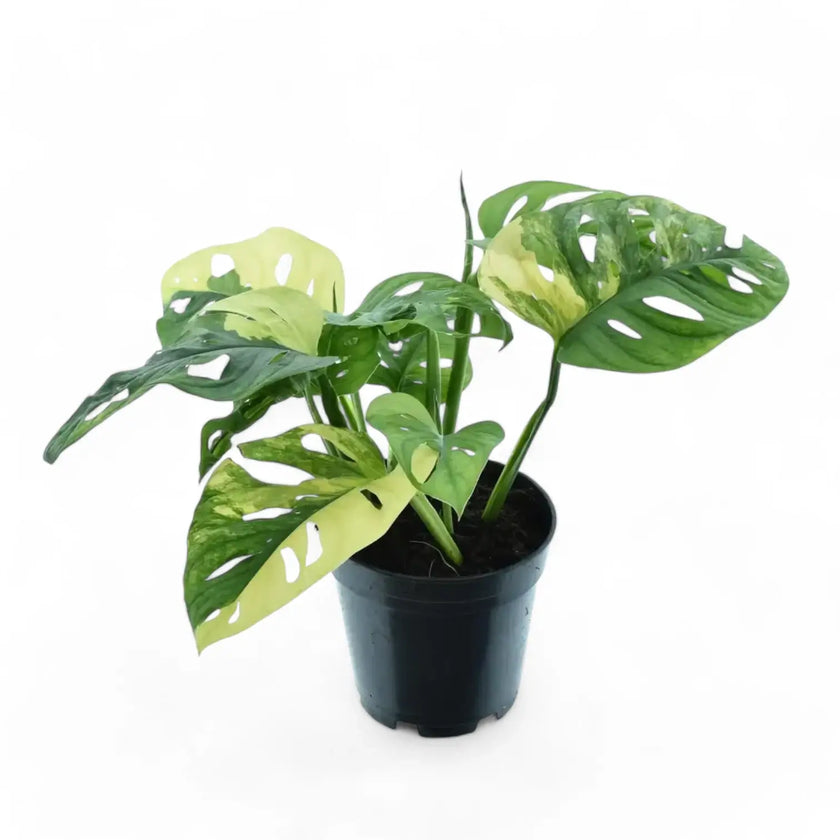
Monstera adansonii variegata 'Aurea' leaf close-up on white background.
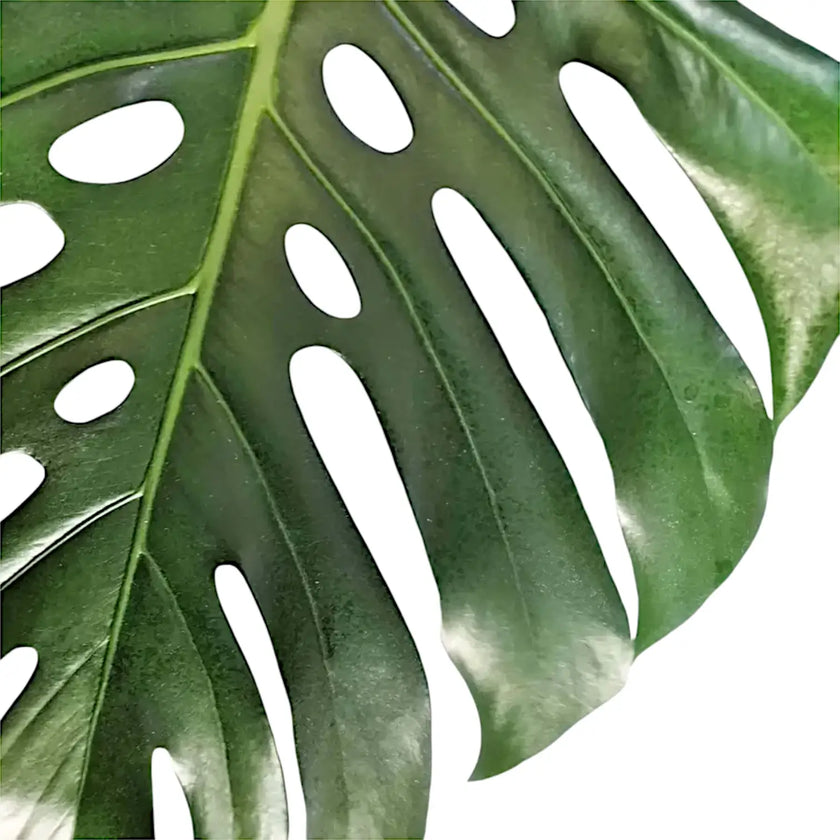
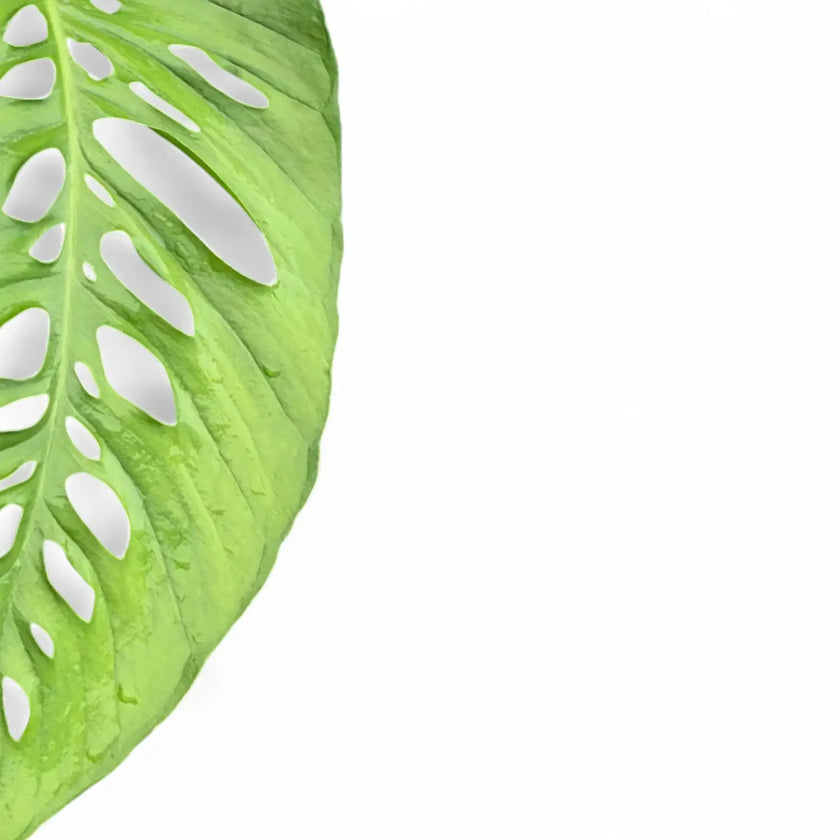
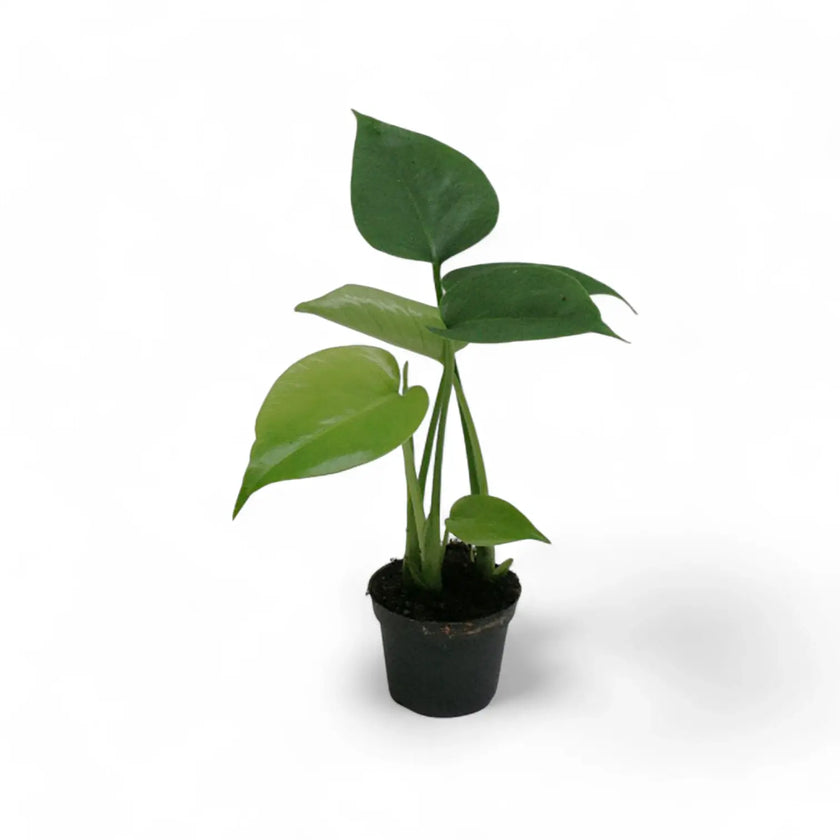
Monstera deliciosa leaf close-up on white background.
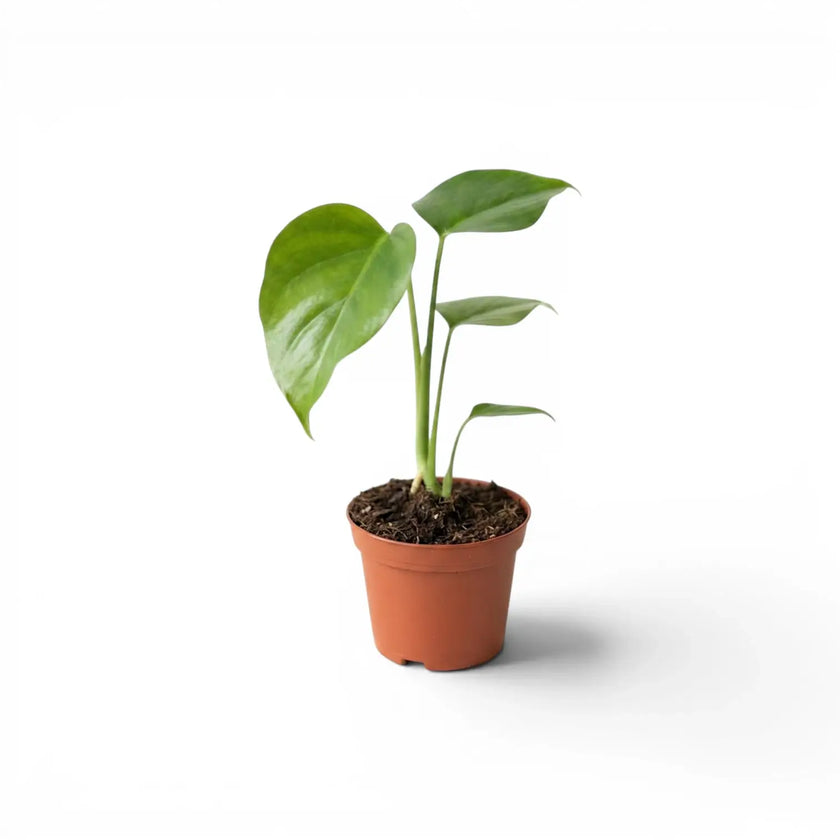
Monstera deliciosa Regular price From €9,50
Monstera deliciosa 'Bulbasaur' potted plant in nursery pot on white background.
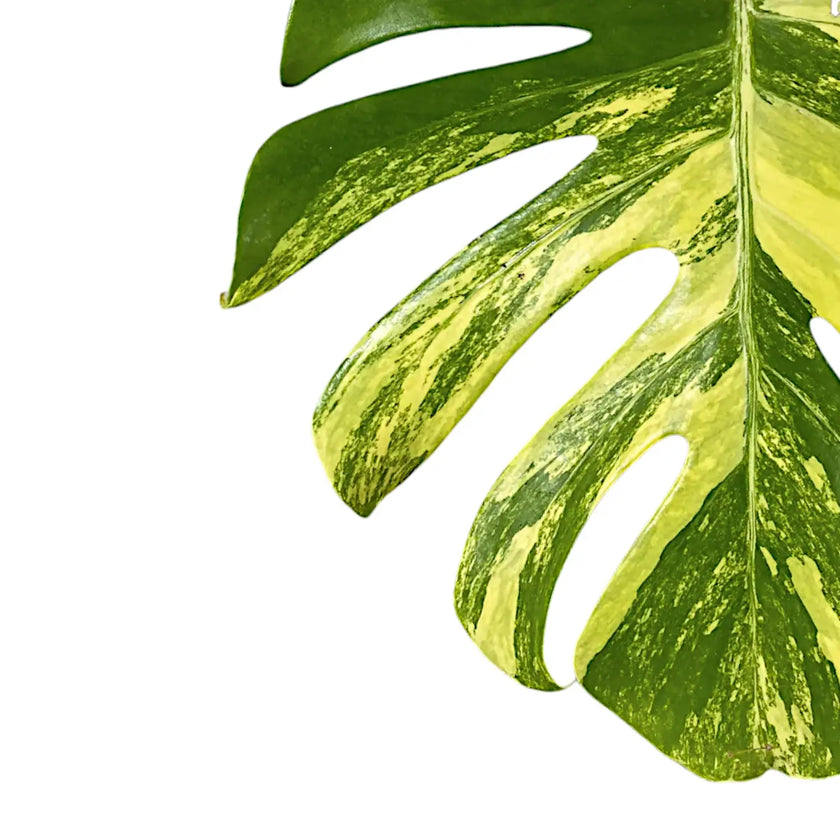
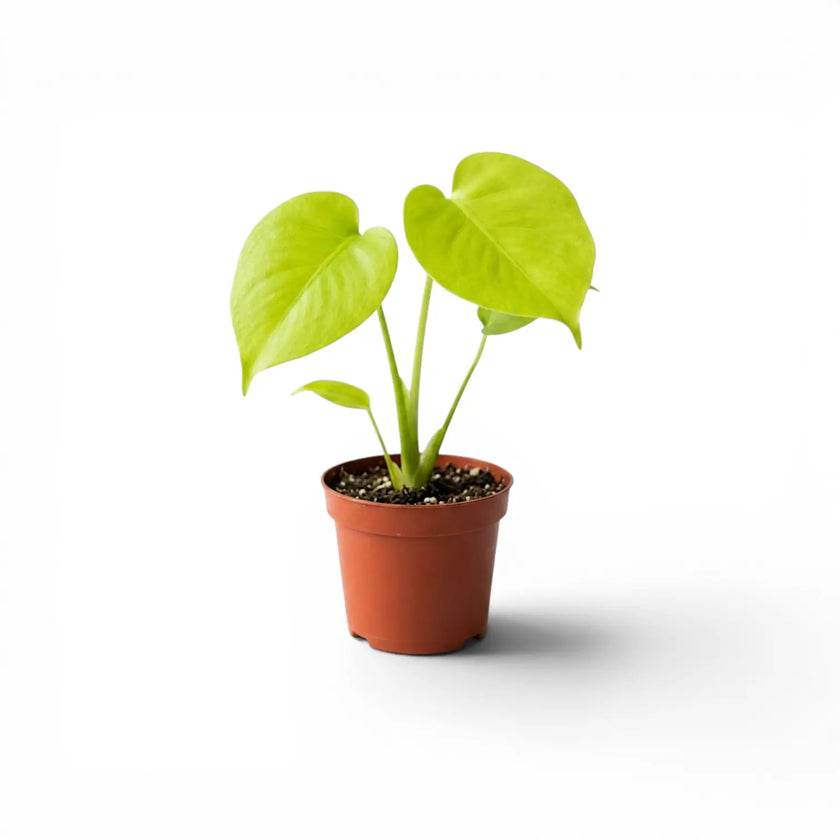
Monstera deliciosa 'Golden' ('Lemon Lime') potted plant in nursery pot on white background.
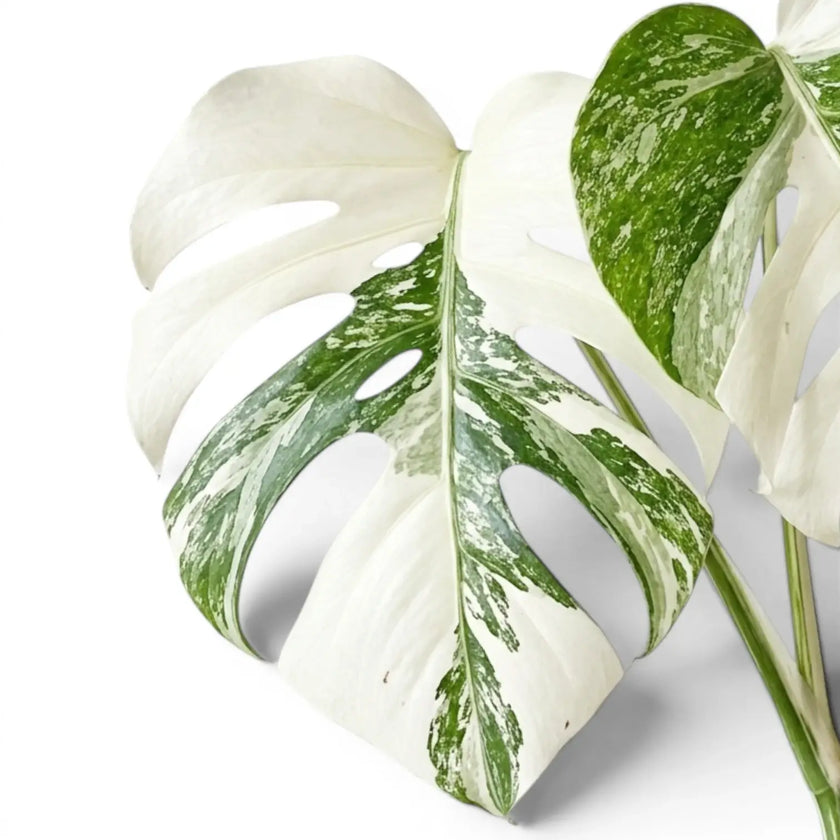
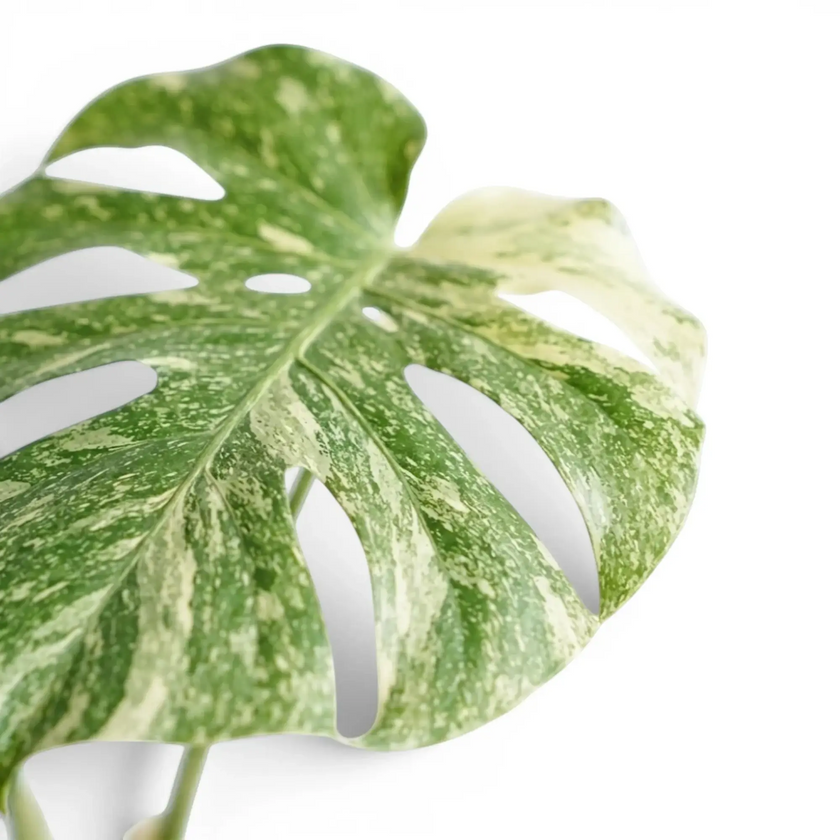
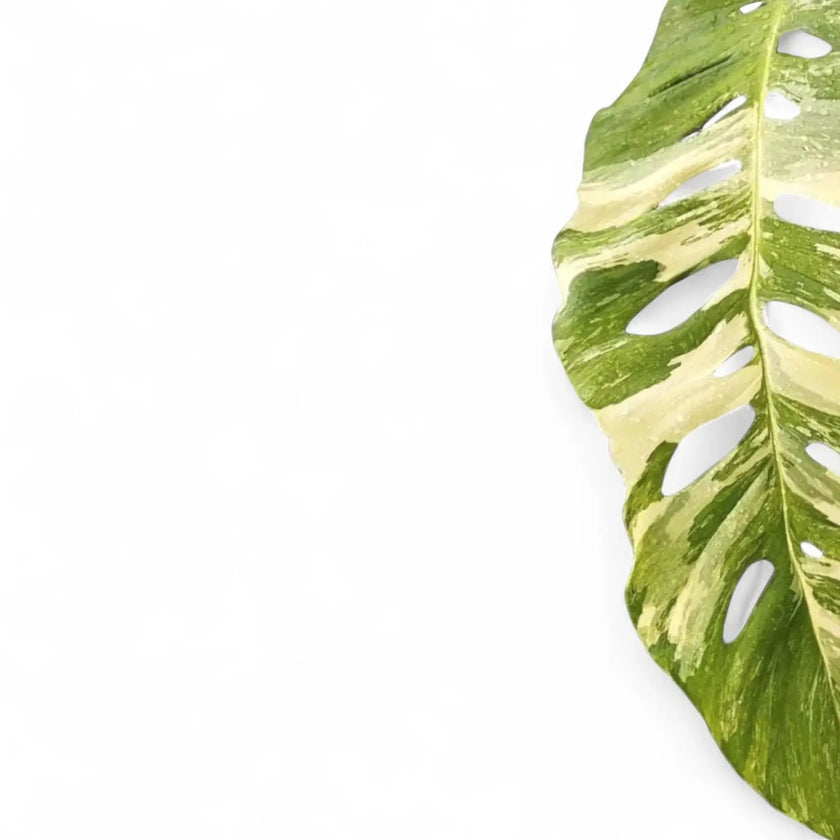
Variegated Monstera leaf on a white background
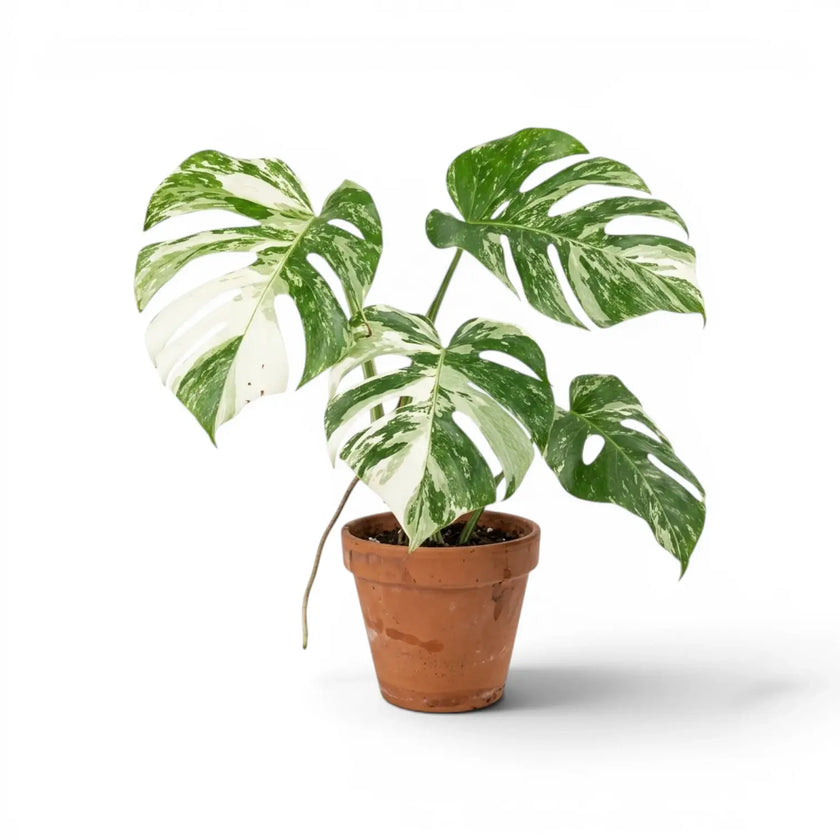
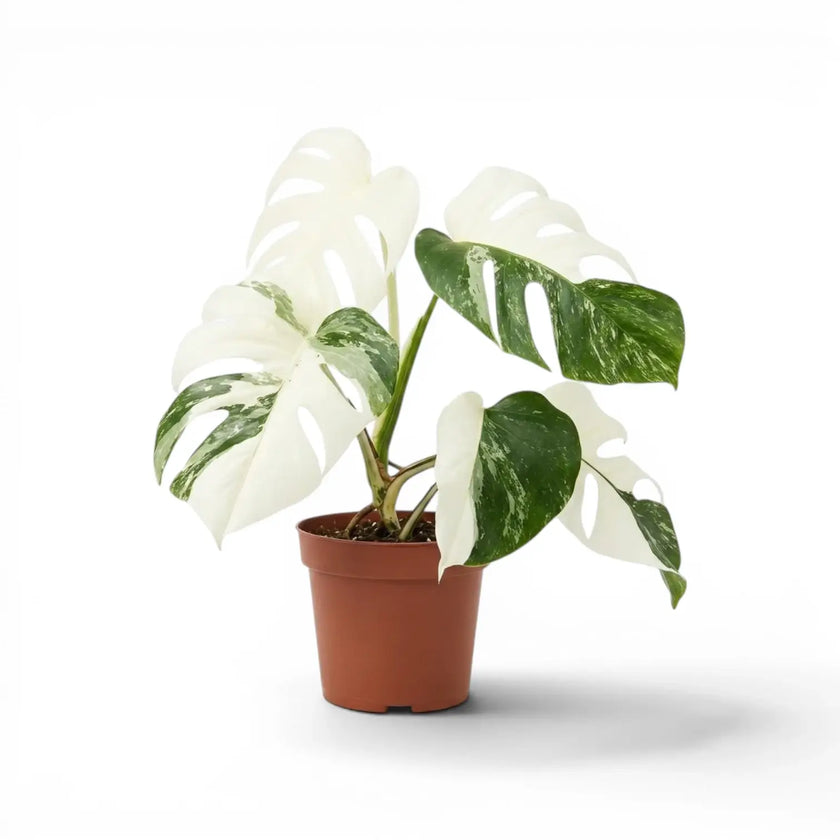
Monstera deliciosa Albo Variegata Regular price €85,50
Monstera deliciosa var. borsigiana 'Aurea variegata' close-up of leaf on white background.
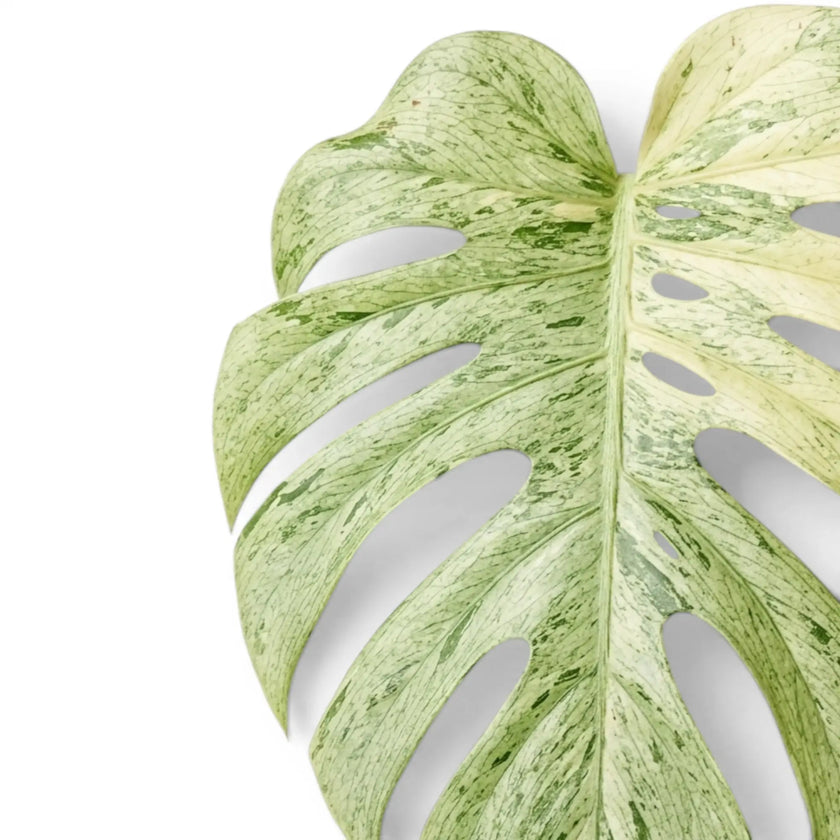
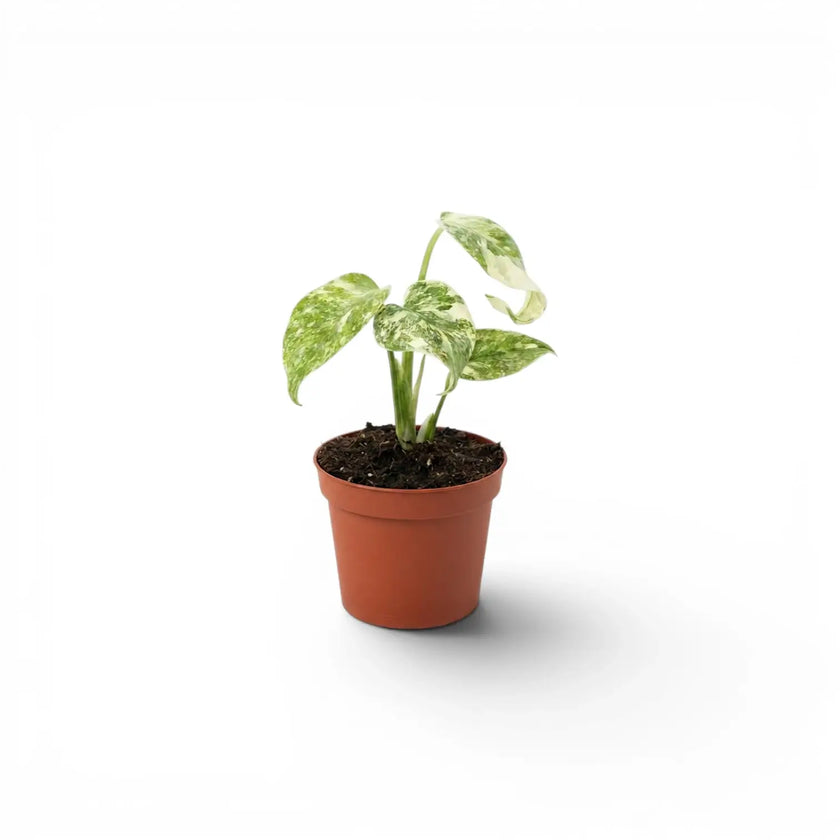
Monstera deliciosa Mint leaf close up on white background
Monstera deliciosa variegata 'Mint' Regular price €45,50
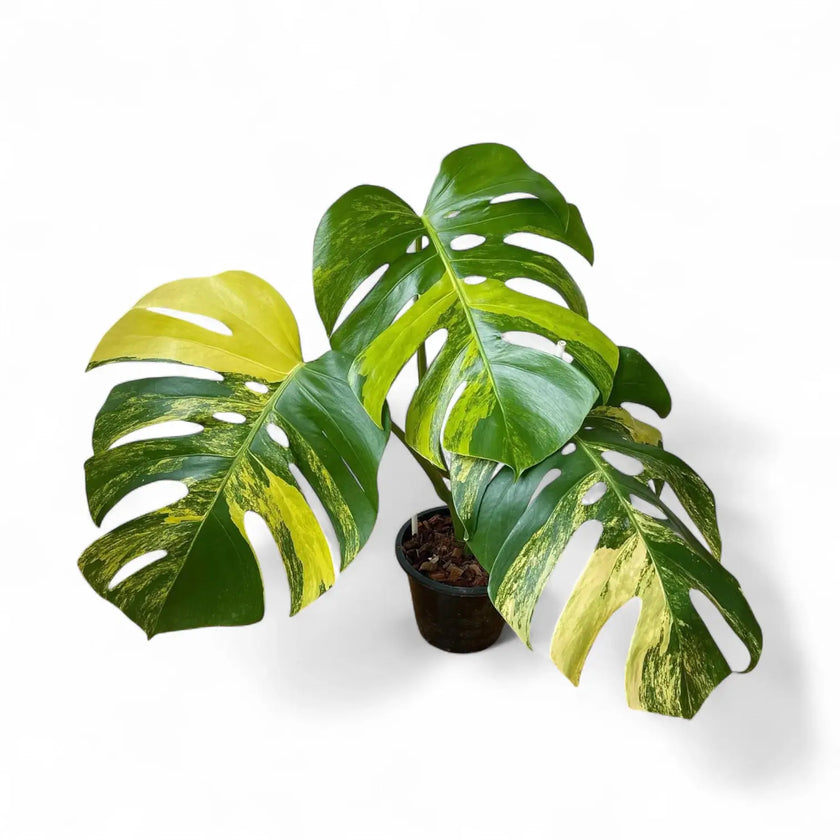
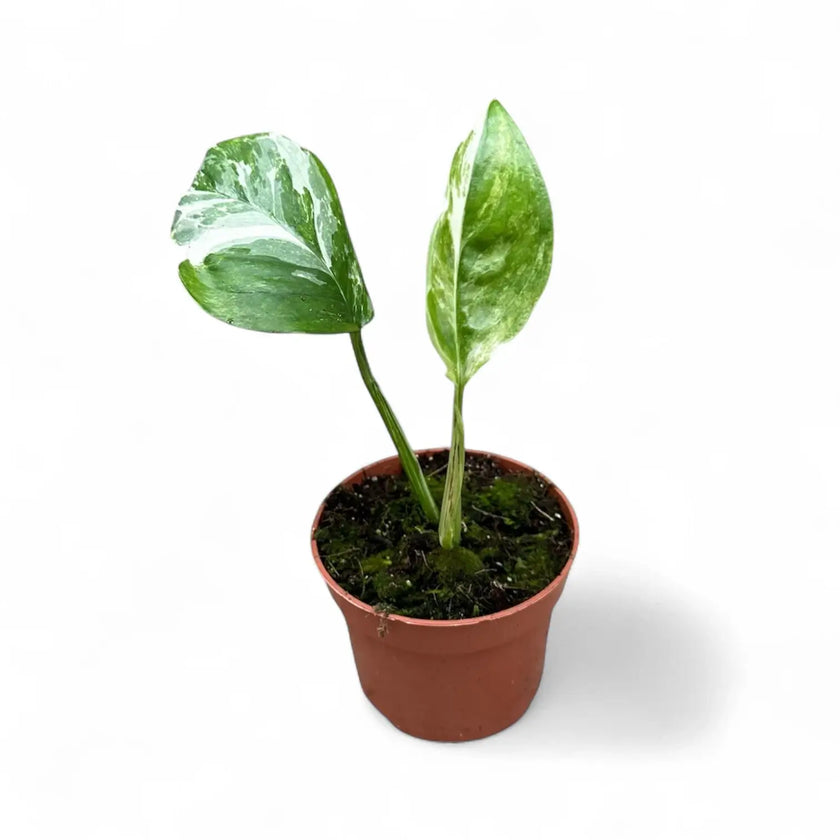
Monstera deliciosa albo Super White variegated plant in a nursery pot on white background
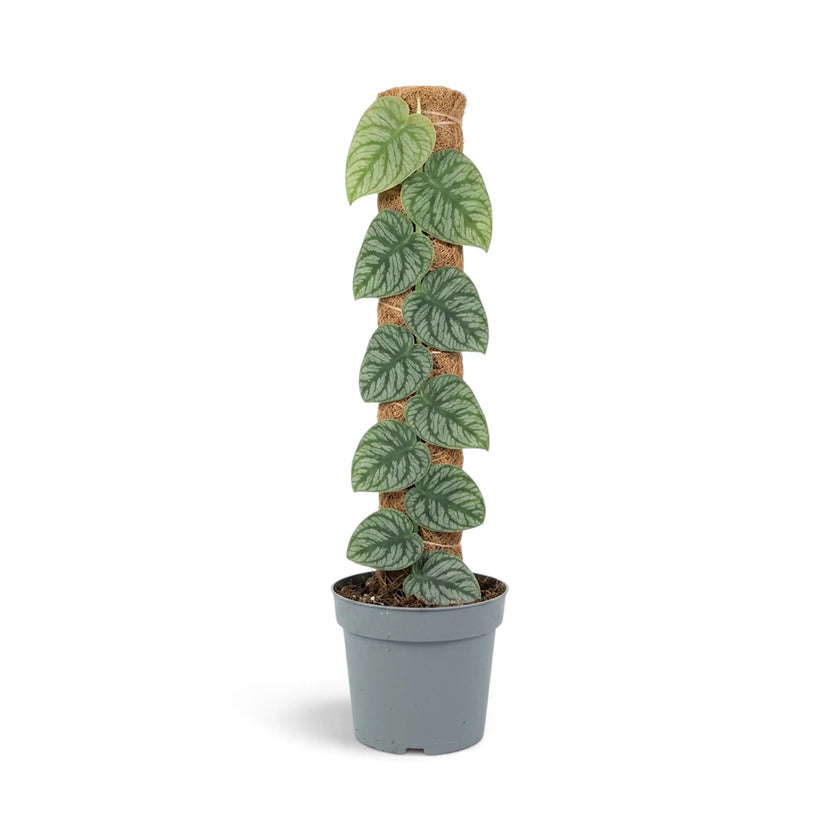
Monstera dissecta leaf close-up on white background.
Monstera dubia close-up of leaf on white background.
Monstera dubia Regular price €37,50
Monstera lechleriana leaf detail on white background.
Monstera lechleriana variegata leaf close-up on white background.
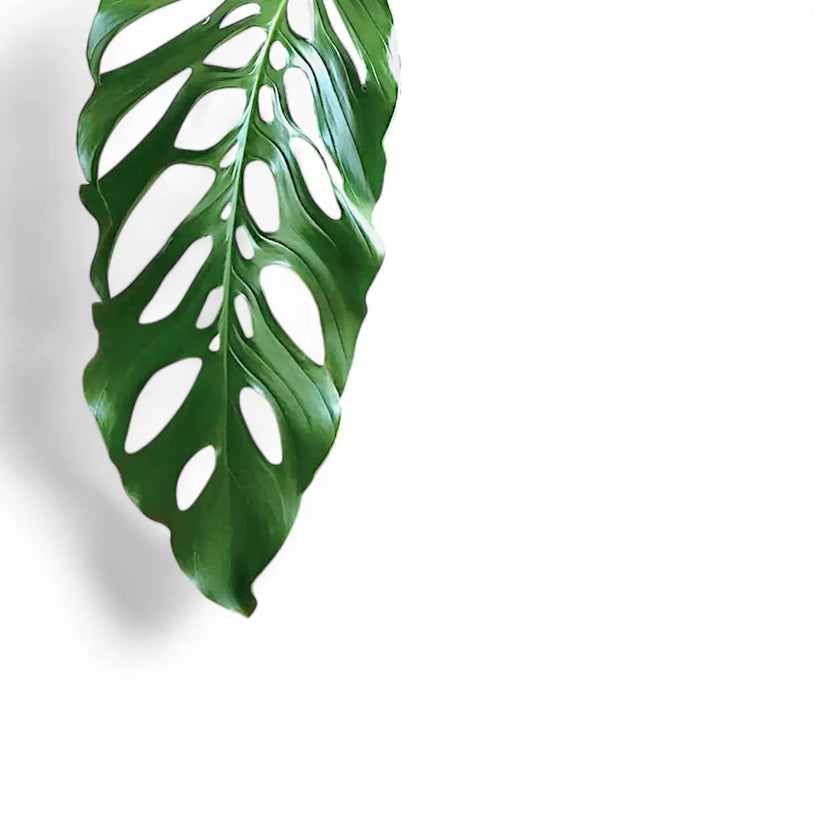
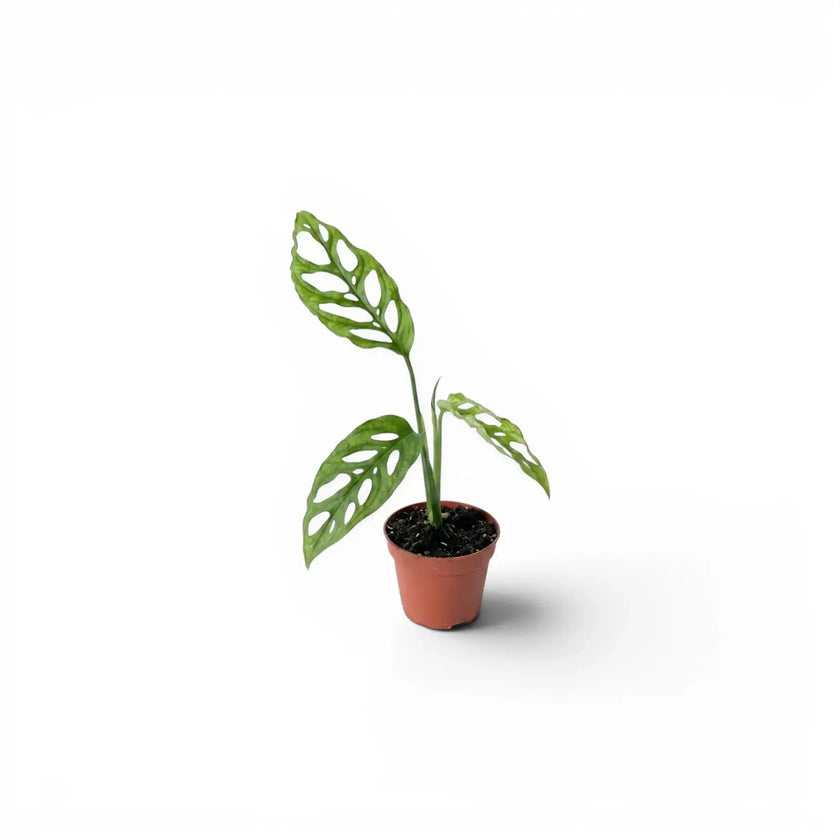
Close-up of Monstera obliqua Peru leaves with large fenestrations on white background
Monstera obliqua (Peru) Regular price From €12,00
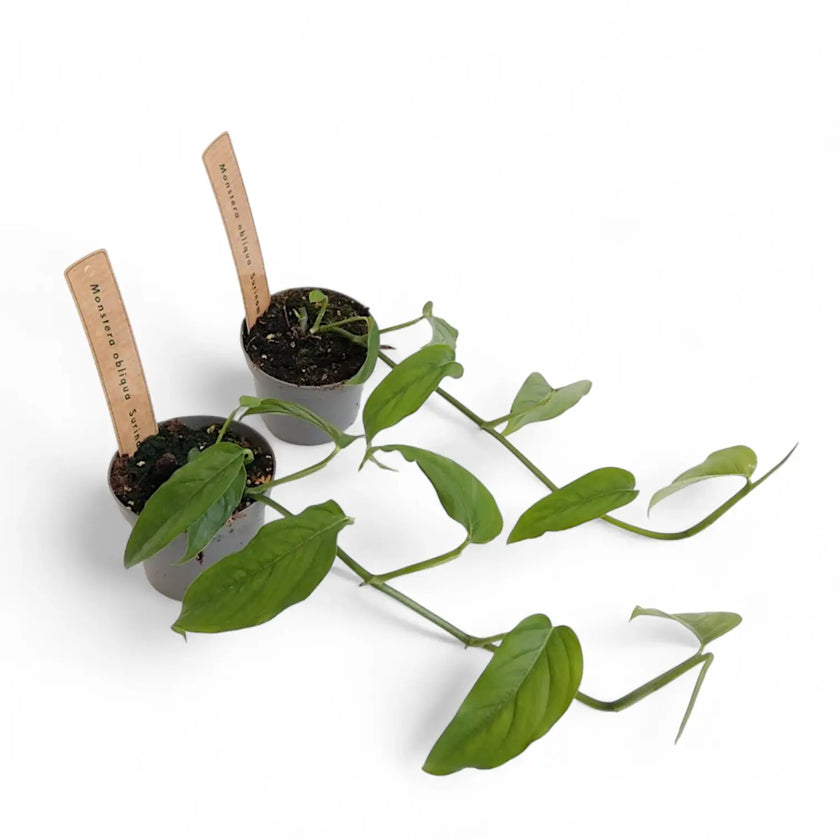
Monstera obliqua (Suriname) close-up of leaf on white background.
Monstera pinnatipartita leaf close-up on white background.
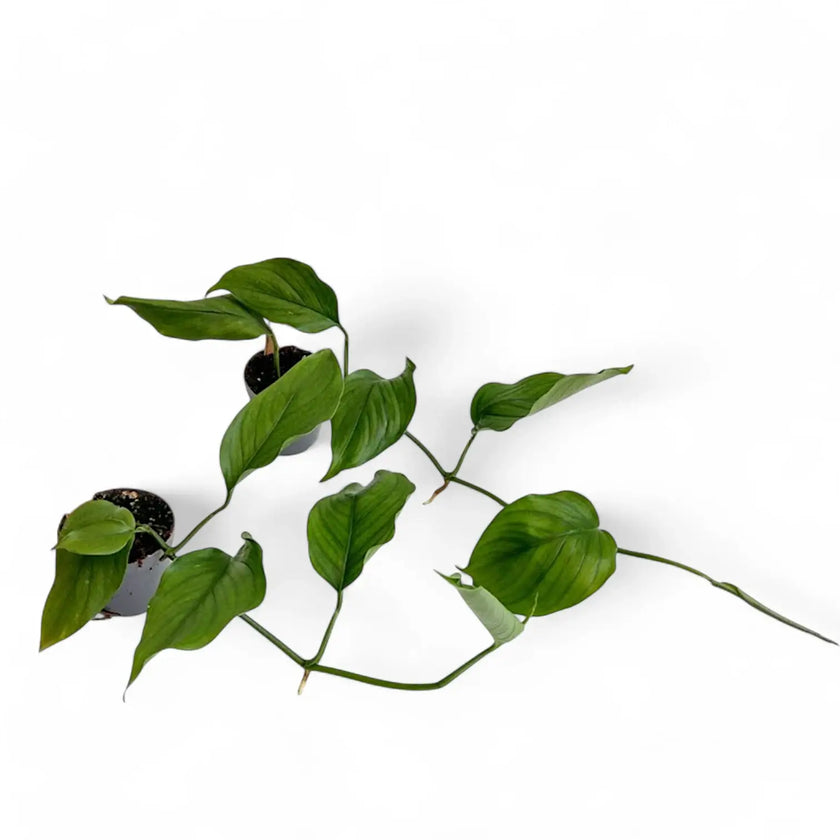
Monstera siltepecana leaf detail on white background.
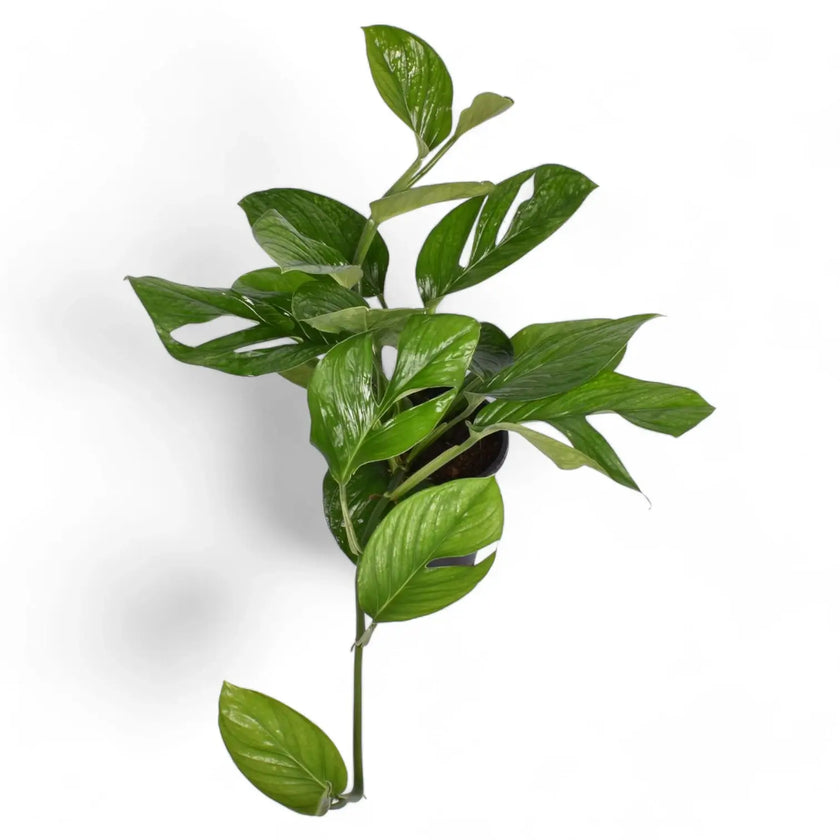
Monstera sp. leaf detail on white background.
Monstera sp. Sold out
Monstera sp. Peru ('Karstenianum') close-up of leaf on white background.
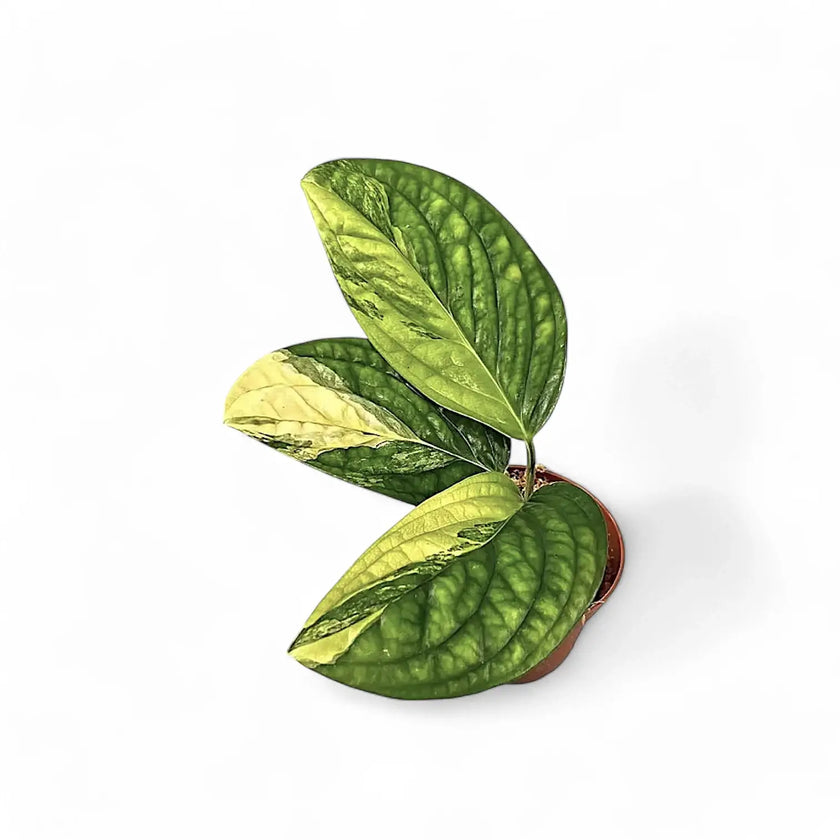
Monstera sp. Peru (karstenianum) variegata leaf close-up on white background.
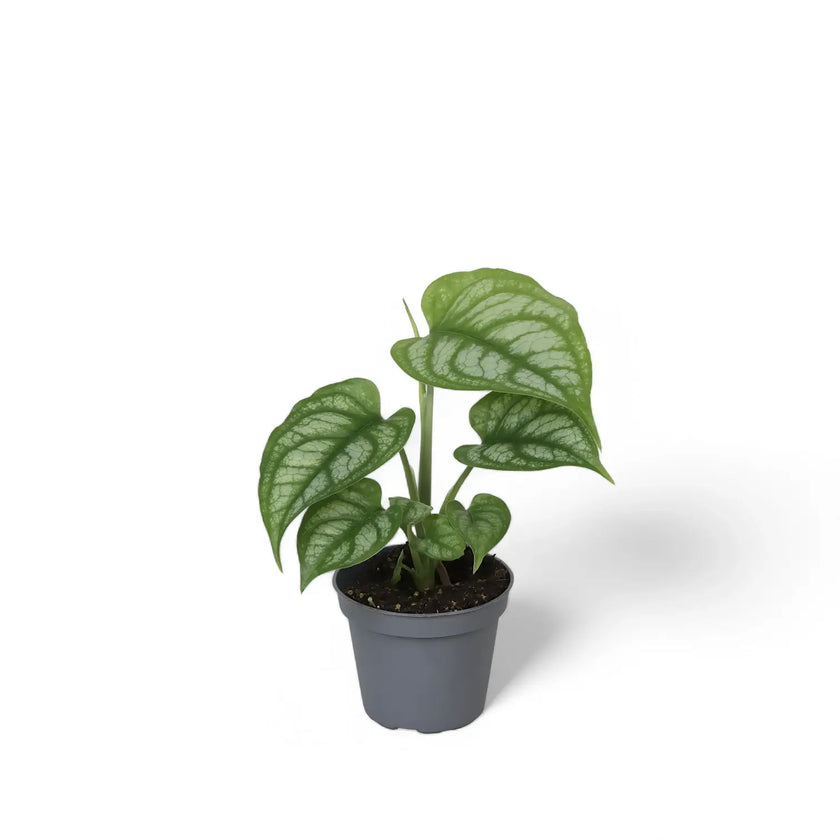
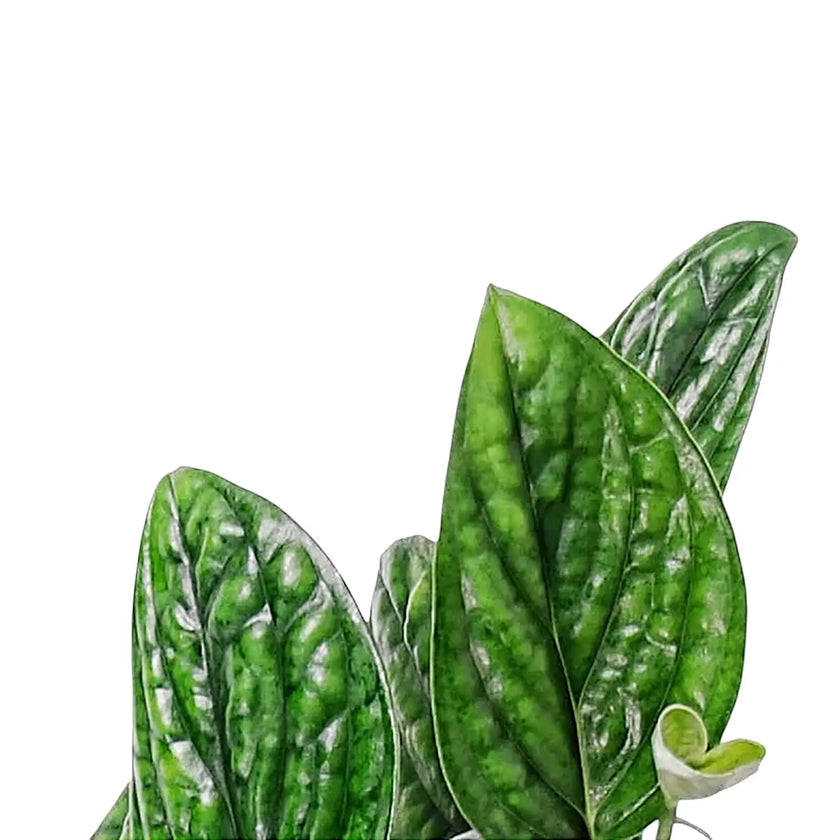
Monstera sp. Velvet (Peru) close-up of leaf on white background.
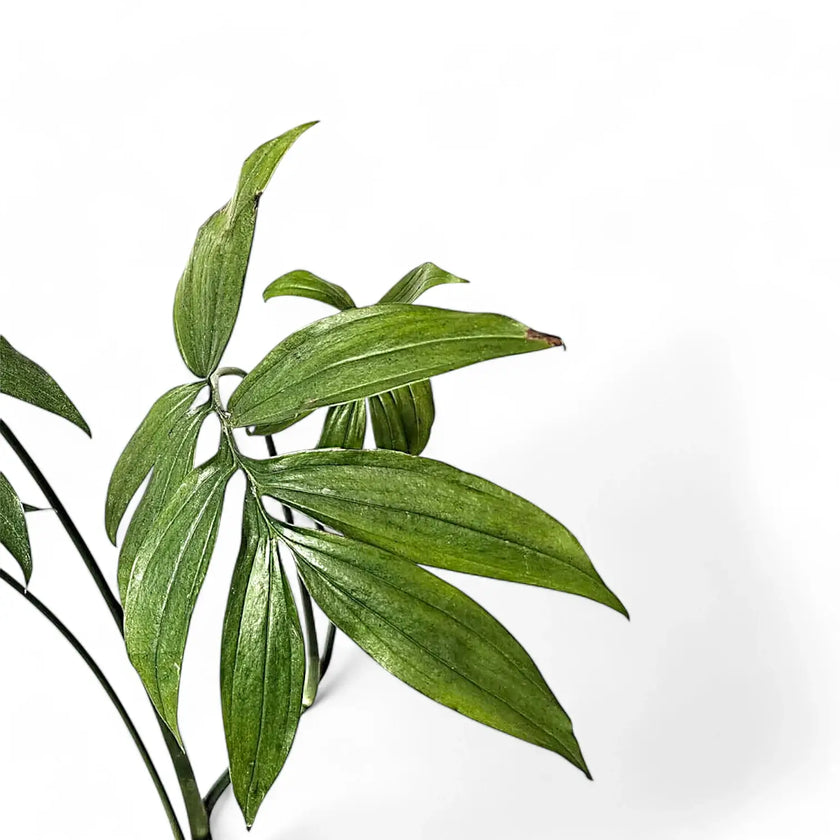
Monstera standleyana variegata close-up of leaf on white background.
Monstera standleyana variegata Regular price €40,00
Monstera subpinnata leaf close-up on white background.
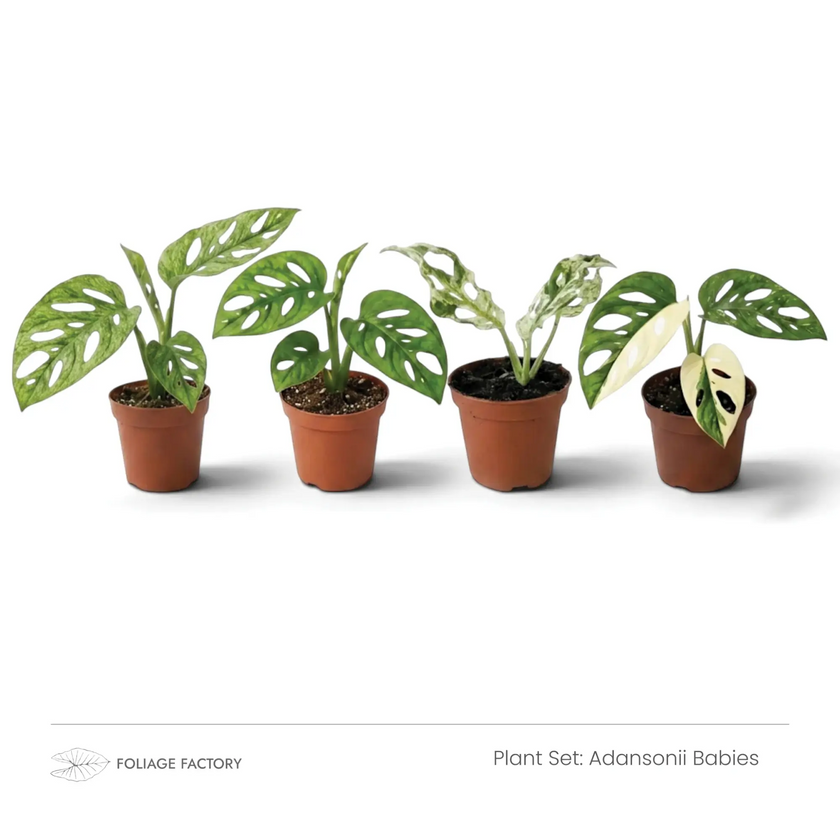
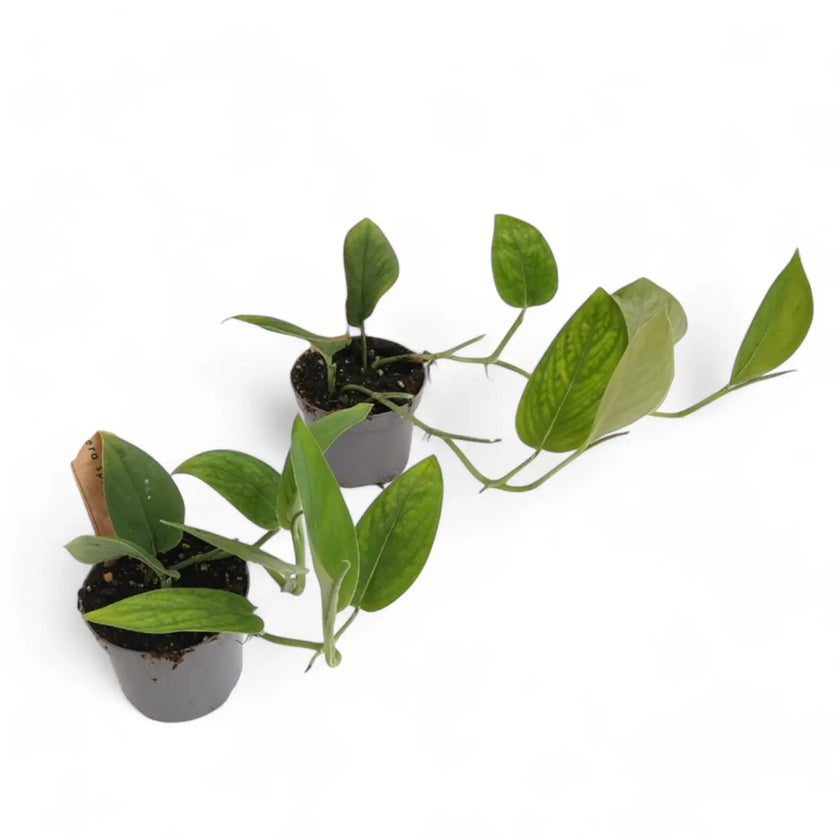
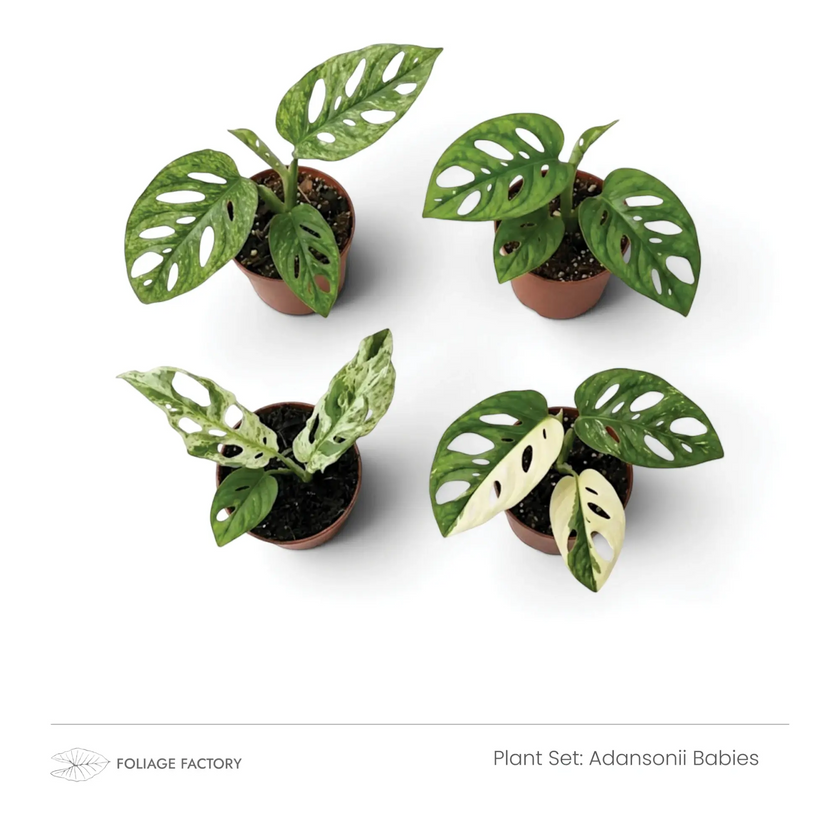
plant set: Adansonii Babies leaf close-up on white background.
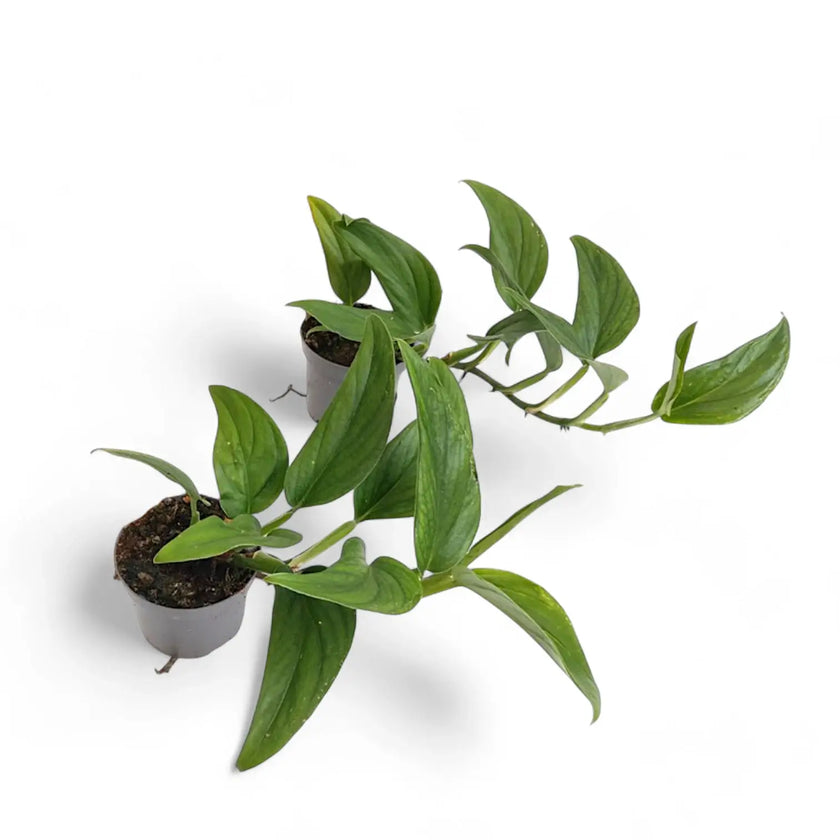
Plant Set: Adansonii Babies Regular price €84,95
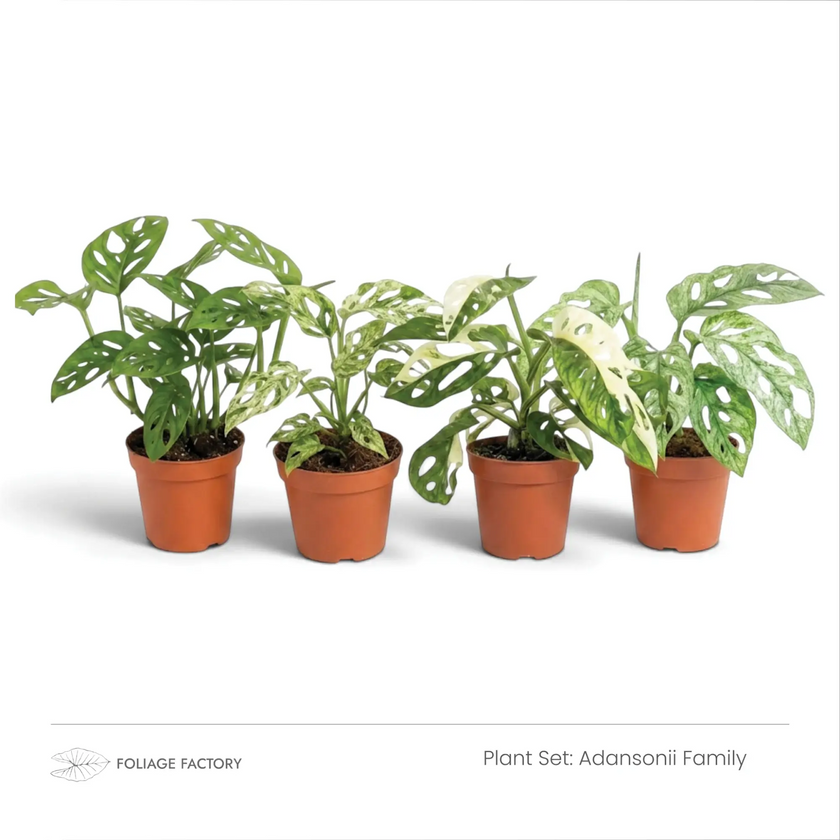
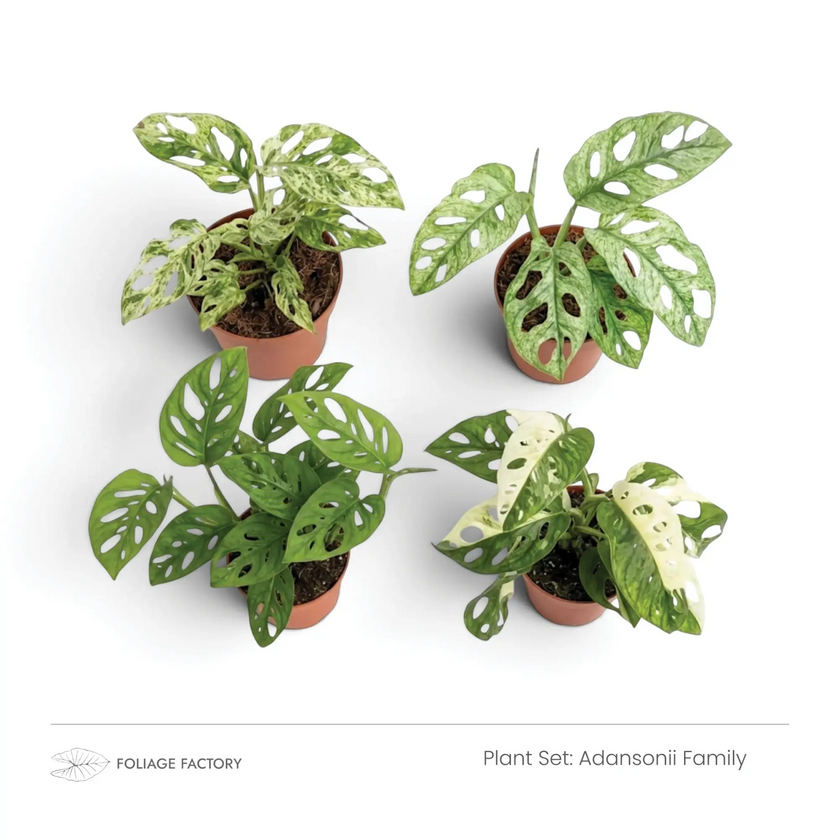
plant set: The Adansonii Family main product photo on white background.
Plant Set: Adansonii Family Regular price €122,95
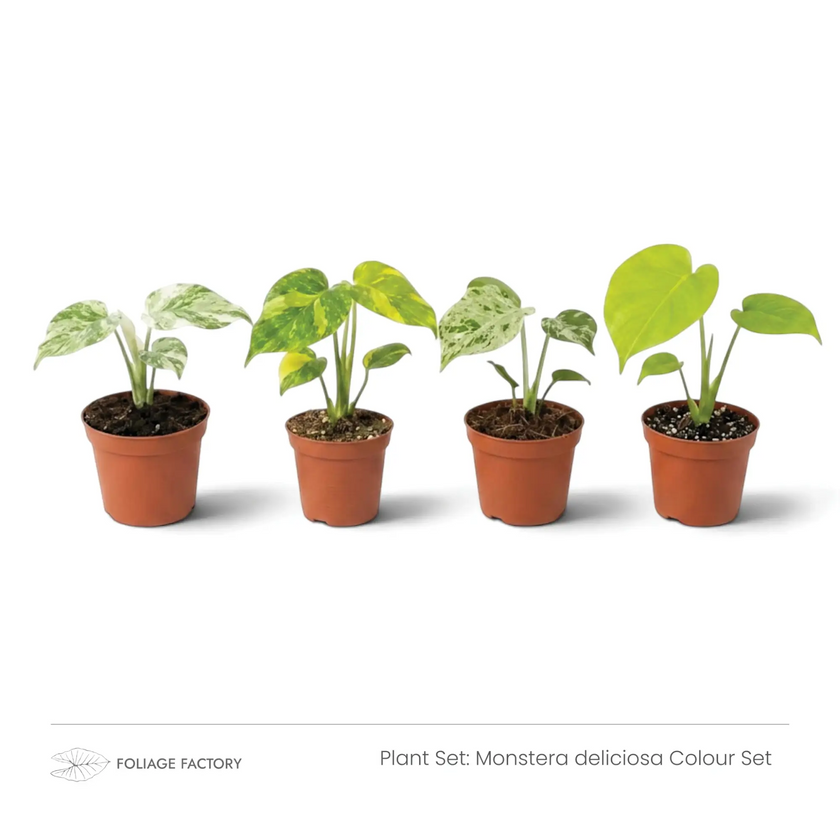
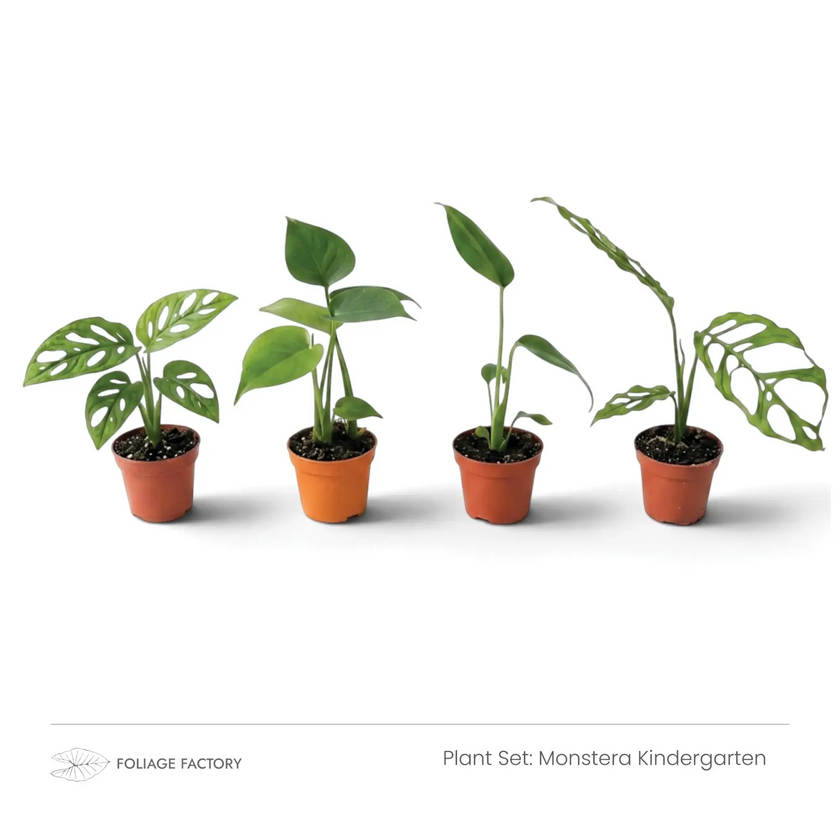
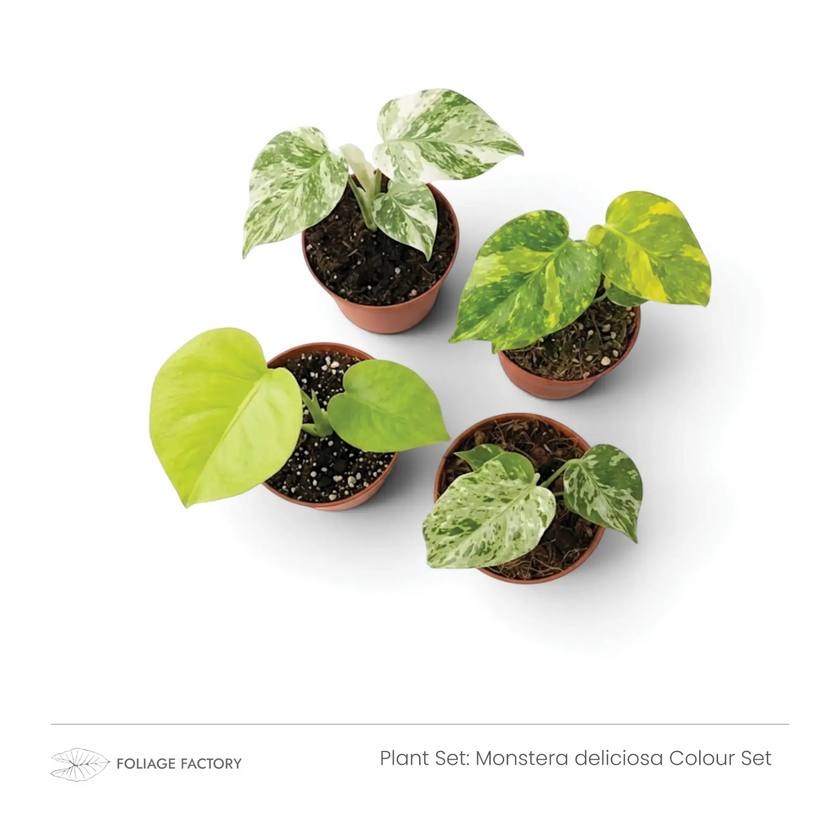
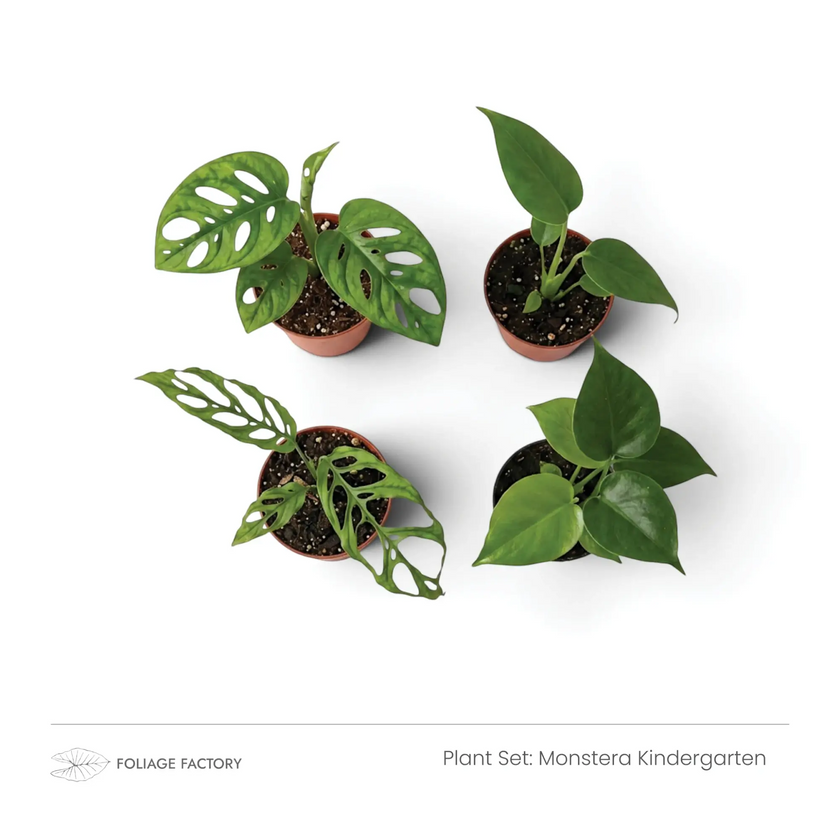
plant set: Monstera Kindergarten close-up of leaf on white background.

Araceae

Monstera

Quick Overview

Monstera: focal climber fundamentals

  • Habit: natural climber that creeps, then climbs; mature plants need real vertical support to show full fenestration.
  • Light: medium to bright, indirect light; too dim gives small, simple leaves, strong glass sun burns broad blades.
  • Substrate: thrives in chunky aroid mix with bark and mineral structure; heavy soil around thick roots is a bad match.
  • Watering: water when top portion of mix has dried and pot feels lighter; avoid both soggy and bone-dry extremes.
  • Climate: warm rooms with some humidity and airflow suit it; cold, wet roots near windows trigger leaf problems.
  • Toxicity: contains irritant crystals; keep foliage out of reach of pets and children.
Botanical Profile

Monstera: botanical profile for fenestrated hemiepiphytic aroids

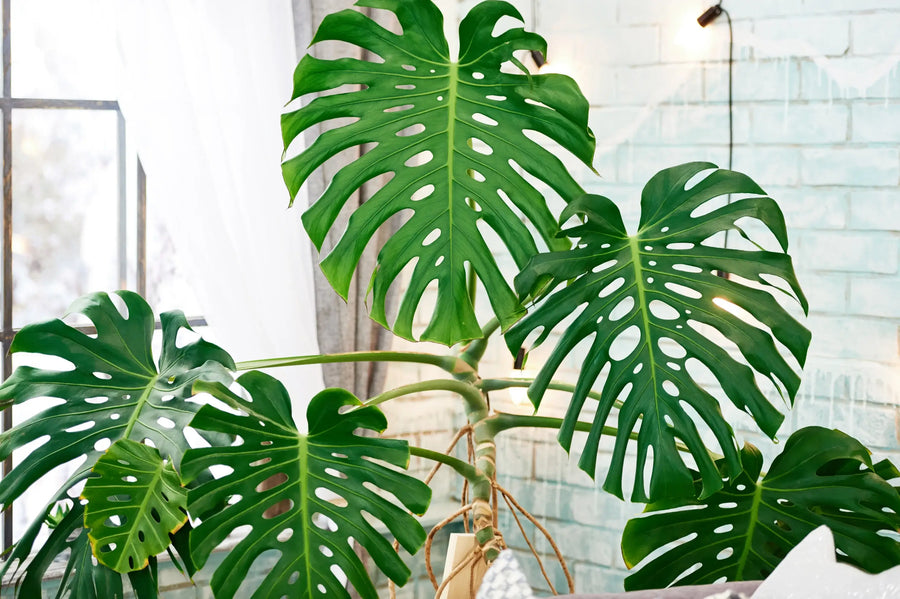
Monstera is a Neotropical aroid genus in Araceae, established by Adanson and now comprising roughly 60 accepted species. The name refers to “monstrous” or unusual leaves, many of which develop perforations and splits as they mature. Species range from small shingling climbers to massive vines such as Monstera deliciosa, widely cultivated for highly decorative foliage.

  • Order: Alismatales
  • Family: Araceae
  • Tribe: Monstereae (subfamily Monsteroideae)
  • Genus: Monstera Adans.
  • Type species: Often associated with Monstera deliciosa Liebm. in modern treatments, although historical typification is complex.
  • Chromosomes: Several species, including Monstera deliciosa, show 2n = 60; other counts in the genus fall in similar mid-range polyploid series.

Range & habitat: Monstera is native to tropical Central and South America, from southern Mexico through Panama and the Andes into parts of Brazil and Bolivia. Species inhabit humid lowland and lower montane forest, often starting as forest-floor seedlings and later climbing tree trunks or rocks as hemiepiphytes, with aerial roots accessing both canopy supports and soil resources.

  • Life form: Evergreen hemiepiphytic vines and climbers with robust, often long-lived stems and numerous aerial roots; a minority of species are more terrestrial in habit.
  • Leaf attachment: Petiolate leaves borne alternately along stems, with pronounced juvenile-adult transitions: young plants have small, entire blades, while adults on mature supports develop large, often deeply fenestrated laminae.
  • Leaf size: Adult leaves in large species frequently reach 30-90 cm in length, and in some taxa such as Monstera gigas exceed 1 m, forming substantial photosynthetic surfaces in the canopy.
  • Texture & colour: Leathery, glossy blades in mid- to dark green; some species show bluish, matte or silvery patterns, while juvenile foliage in shingling species tends to be thinner and adheres closely to substrates.
  • Notable adaptation: Fenestrations and lobing appear to balance mechanical resilience, water-shedding and light distribution through the canopy layer while reducing investment in solid leaf tissue in exposed, windy forest environments.

Inflorescence & fruit: Monstera bears typical aroid inflorescences with a fleshy spadix enclosed by a spathe, often produced in clusters once plants reach mature size. Many species set fleshy infructescences with packed berries; in Monstera deliciosa the ripened fruit is edible, while in other species fruits primarily serve to attract birds and mammals that disperse seeds along forest edges and within understory corridors.

Details & Care

Monstera: climbing aroids that grow into split-leaf icons

Monstera plants start compact and simple, then gain size and character as stems climb. Leaf shape usually changes as the plant matures on a support and keeps producing new leaves without long pauses.

In a collection, the main decision is not “which Monstera is best,” but how much vertical space and support you want to give. With a pole or plank, Monstera can become a tall, sculptural room plant; without support it tends to sprawl.

Choosing within Monstera

  • Scale: smaller-leaved climbers suit shelves and poles; larger-leaved forms need floor space and a sturdy support.
  • Leaf texture: some types stay thin and fast; others build thicker leaves and slower, heavier stems.
  • Growth direction: plan early whether you want a tight climber or a freer, wider plant.

Support and shape

  • Climbing habit: tie stems in early so aerial roots can attach and the plant stays upright.
  • Leaf size: bigger leaves usually come from steady growth, support, and enough light for strong energy balance.
  • Spacing: long gaps between leaves often point to light that is too low for the plant’s pace.

Light and watering in real rooms

Aim for bright, indirect light with a clear view of the sky. Morning or late-day sun can be fine if the plant is acclimated. Water deeply, then let the pot dry partly before watering again; the goal is moist, oxygenated roots, not constant wetness.

  • Substrate: a chunky, airy mix helps roots breathe and reduces the risk of slow, sour pots.
  • Humidity: normal household humidity is often workable; steadier humidity supports smoother leaf expansion.
  • Feeding: consistent, moderate feeding during active growth keeps leaf size and colour stable.

Common setbacks

  • Yellowing leaves: often a watering mismatch; check how long the pot stays wet and how deep it dries.
  • Blackened patches: cold exposure plus wet roots can trigger damage; keep nights warm and avoid chilling drafts.
  • Stalled growth: usually light or root constraints; confirm the plant has space and a stable spot.
  • Pests: thrips and mites can distort new leaves; inspect newest growth closely.

Aerial roots are normal. Guide them into the pole or the pot if you want a cleaner look; cutting every aerial root can slow anchoring and make stems harder to train.

Monstera sap contains calcium oxalates and can irritate if chewed; keep it away from pets and small children if they tend to nibble.

Frequently Asked Questions About Monstera