top of page

Phyllotaenium lindenii — Rare Colombian Aroid with Bold White Veins


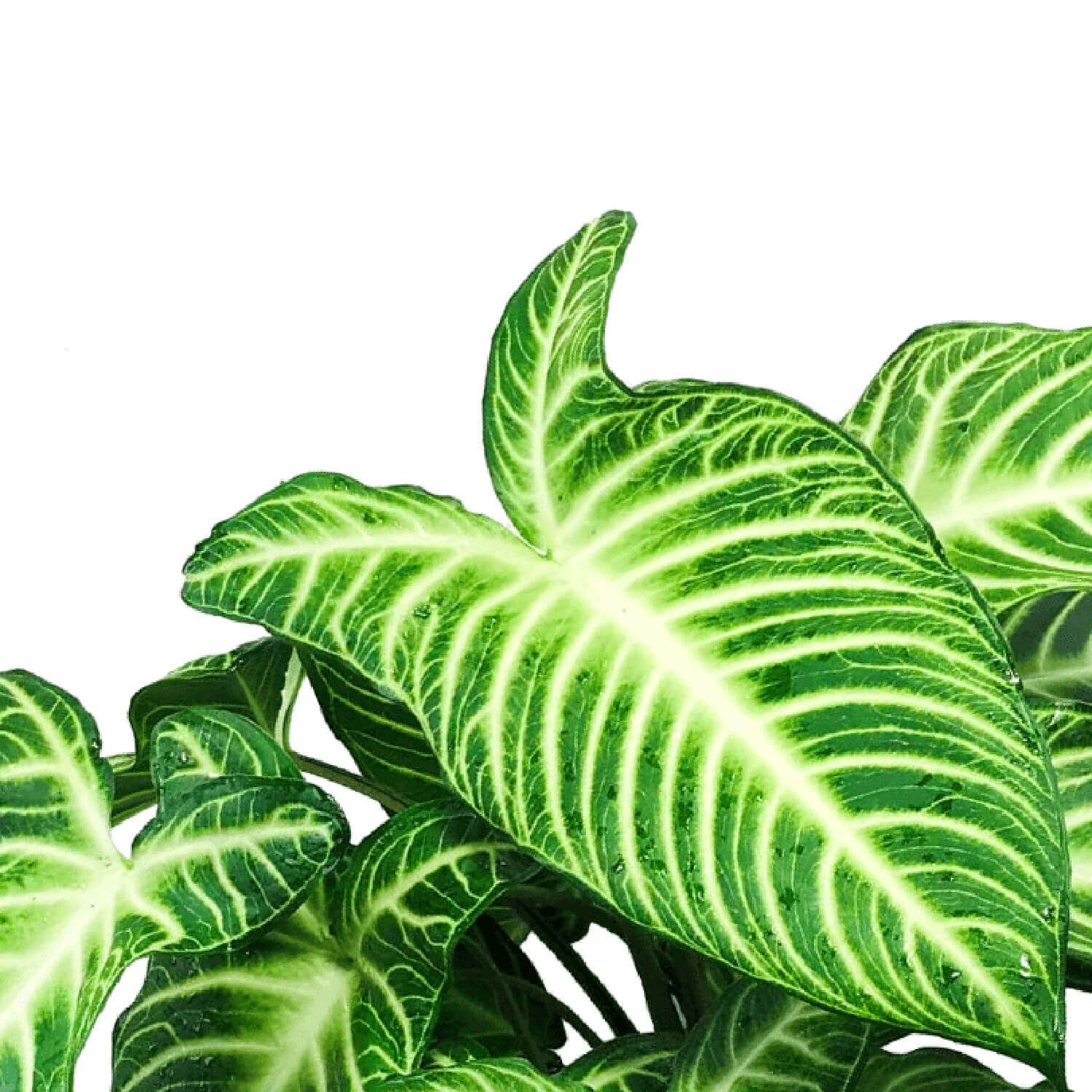
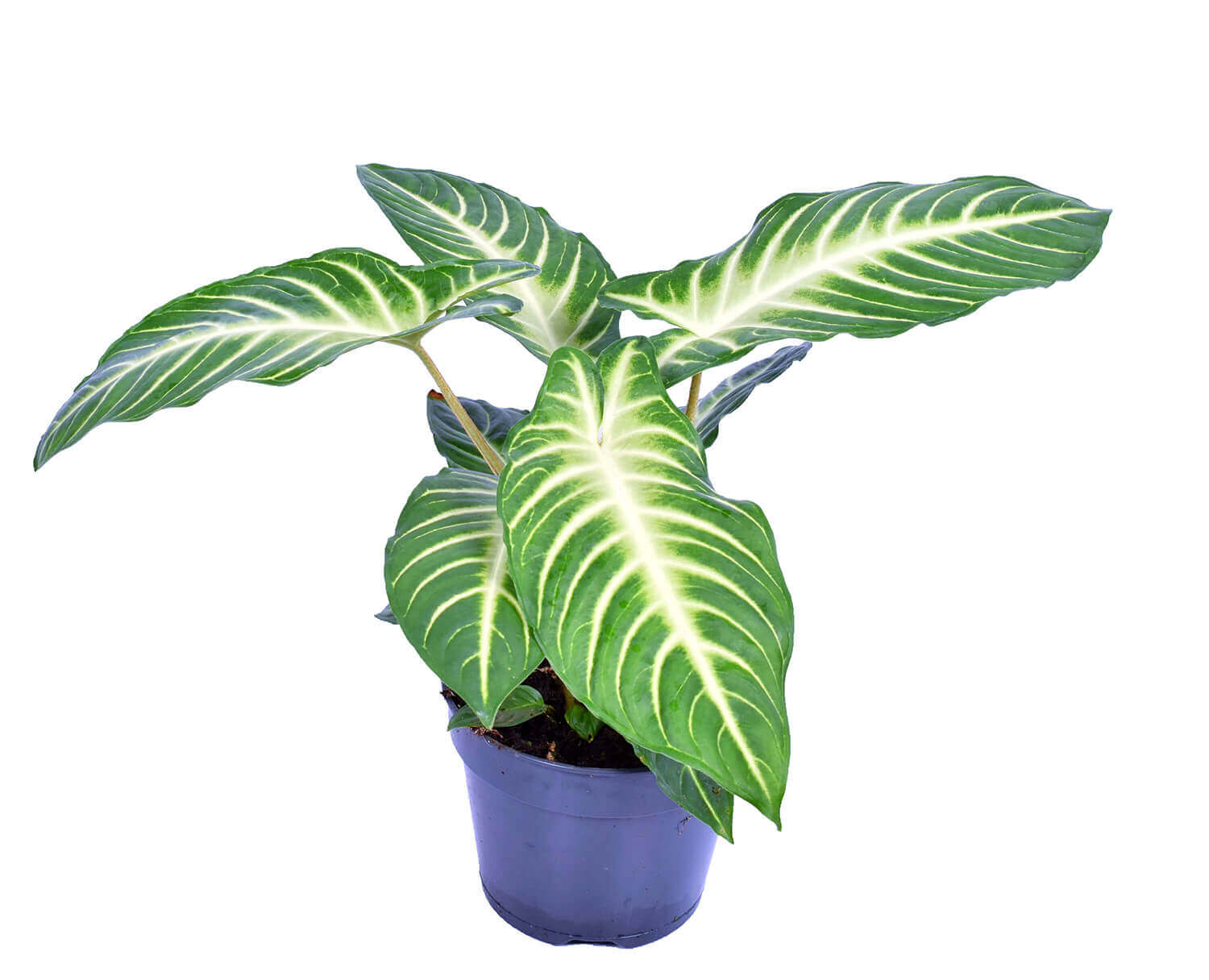
Phyllotaenium lindenii André is a terrestrial arrowhead aroid prized for deep green leaves cut by crisp, cream-white primary and secondary veins. Mature blades show pronounced basal lobes and a satin sheen, while petioles are flattened above, green with purple striping, and sparsely clothed in reddish-brown, scruffy hairs. A fully subterranean, globose stem produces a tidy, upright rosette that reads as high-contrast “living graphic art.”


● Taxonomy Snapshot and Synonyms


Accepted name: Phyllotaenium lindenii André. Historical placements include Caladium lindenii and Xanthosoma lindenii; reinstated to Phyllotaenium based on morphology and phylogenetic data. Using these synonyms once improves findability for growers searching older literature.


● Natural Range and Habitat


Native to Colombia (lowland tropical rainforest, including parts of the Magdalena Valley). Grows as an understory herb in warm, humid, shaded sites with continuously moist, well-aerated soils rich in organic matter.


● Leaf Form, Texture and Vein Contrast


  • Blade shape: Sagittate (arrow-shaped) with prominent basal lobes; not peltate.
  • Colour and pattern: Dark green lamina with cream to pale-green variegated venation; strong secondary and tertiary vein visibility.
  • Petioles: Flattened adaxially, green with purple striping; sparse reddish-brown indument adds texture.
  • Size: Mature leaves typically 30 – 40 cm; overall plant height about 50 – 60 cm in containers.
  • Habit: Terrestrial, non-climbing; foliage emerges from a fully subterranean, corm-like stem.

● Light Placement to Enhance White Veining


  • Best: Bright, indirect light (open shade / filtered light) to maximise vein contrast and blade thickness.
  • Tolerated: Medium light with slower growth and softer contrast.
  • Avoid: Direct midday sun that can scorch lamina or wash out patterning.

● Moisture Balance and Humidity Control


  • Watering: Keep substrate evenly moist, never waterlogged. Let the top 2 – 3 cm dry slightly before re-watering so roots stay oxygenated.
  • Environment-led adjustments: In warm, bright conditions mixes dry faster; in cooler, lower light they dry slower — adjust frequency accordingly.
  • Humidity: Stable 60 – 80% supports clean margins and peak vein contrast; consistent levels matter more than chasing high peaks.

● Root-Zone Substrate and Potting Strategy


  • Mix recipe: 40% quality potting compost, 25% fine/medium orchid bark, 20% perlite or pumice, 15% coco coir or fine bark for moderated moisture.
  • Container: Pot with generous drainage; choose a stable, slightly snug fit to protect the subterranean stem from wobble and rot.
  • Semi-hydro: Can adapt to inert substrates (e.g., mineral mixes) with careful nutrient and oxygen management.

● Nutrition and Repotting Rhythm


  • Fertilising: Light, regular feeding with a balanced liquid fertiliser at label rate maintains steady growth and colour.
  • Repotting: Infrequent. Repot only when rootbound; minimal disturbance helps maintain momentum.

● Troubleshooting Growth and Leaf Health


  • Yellowing leaves: Often excess moisture or compacted mix; improve aeration and watering cadence.
  • Brown tips/margins: Low or fluctuating humidity or uneven moisture; stabilise conditions and watering.
  • Reduced vein contrast: Insufficient light or nutrient deficiency; increase filtered light and ensure balanced feeding.
  • Pests: Watch for spider mites and mealybugs; rinse foliage and treat with insecticidal soap as needed.

● Styling Notes


  • Show as a single specimen to spotlight white venation; pair with solid green aroids to heighten contrast.
  • Use matte, dark planters to frame patterns; give leaves clearance to preserve clean edges.

● Etymology


Phyllotaenium from Greek phyllon (leaf) + tainia (band/ribbon), referencing banded venation; lindenii honours Belgian botanist and horticulturist Jean Jules Linden.


● Grower Questions About Phyllotaenium lindenii


  • Can it grow outdoors in summer? Yes, in warm, humid, shaded sites above 15 °C; acclimatise to prevent scorch.
  • Does it go dormant? Growth can slow under cool or low-light conditions; under stable indoor care it typically maintains foliage without a marked dormancy.
  • Is it toxic? Like many Araceae, contains insoluble calcium oxalates; avoid ingestion and contact with pets/children.

● Add Phyllotaenium lindenii to Cart


Secure a rare, white-veined Colombian aroid with unmistakable structure and contrast. Phyllotaenium lindenii brings collector-grade foliage and straightforward, science-based care to indoor displays. Add to Cart and elevate your patterned-leaf lineup.

Phyllotaenium lindenii (aka Xanthosoma lindenii)

Sold out

  • Phyllotaenium lindenii (aka Xanthosoma lindenii) is approximately 25 cm tall and comes in a ⌀ 14 cm pot

Frequently bought together:

bottom of page