top of page

Yucca rostrata – Cold-Hardy, Sculptural, and Exceptionally Low-Maintenance


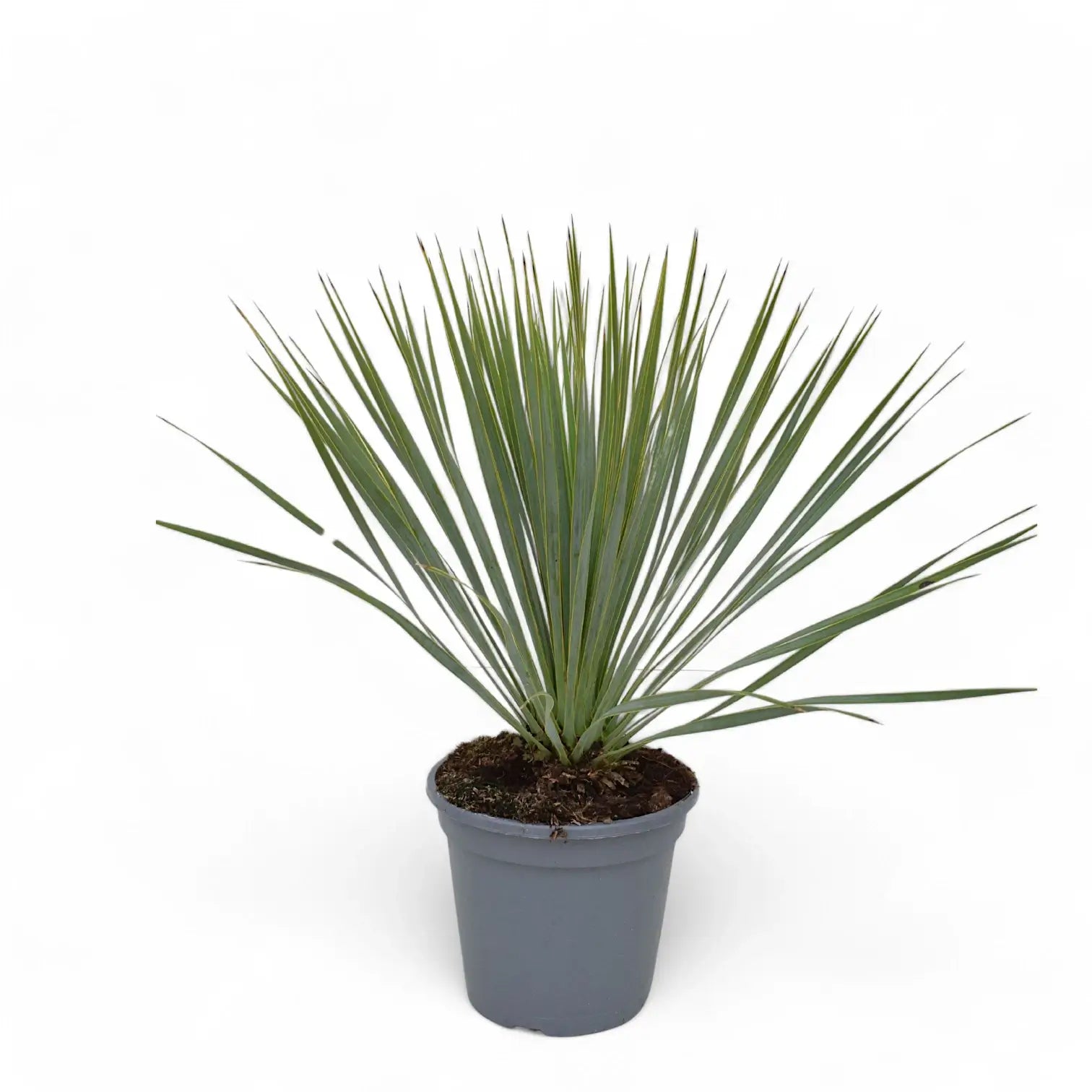
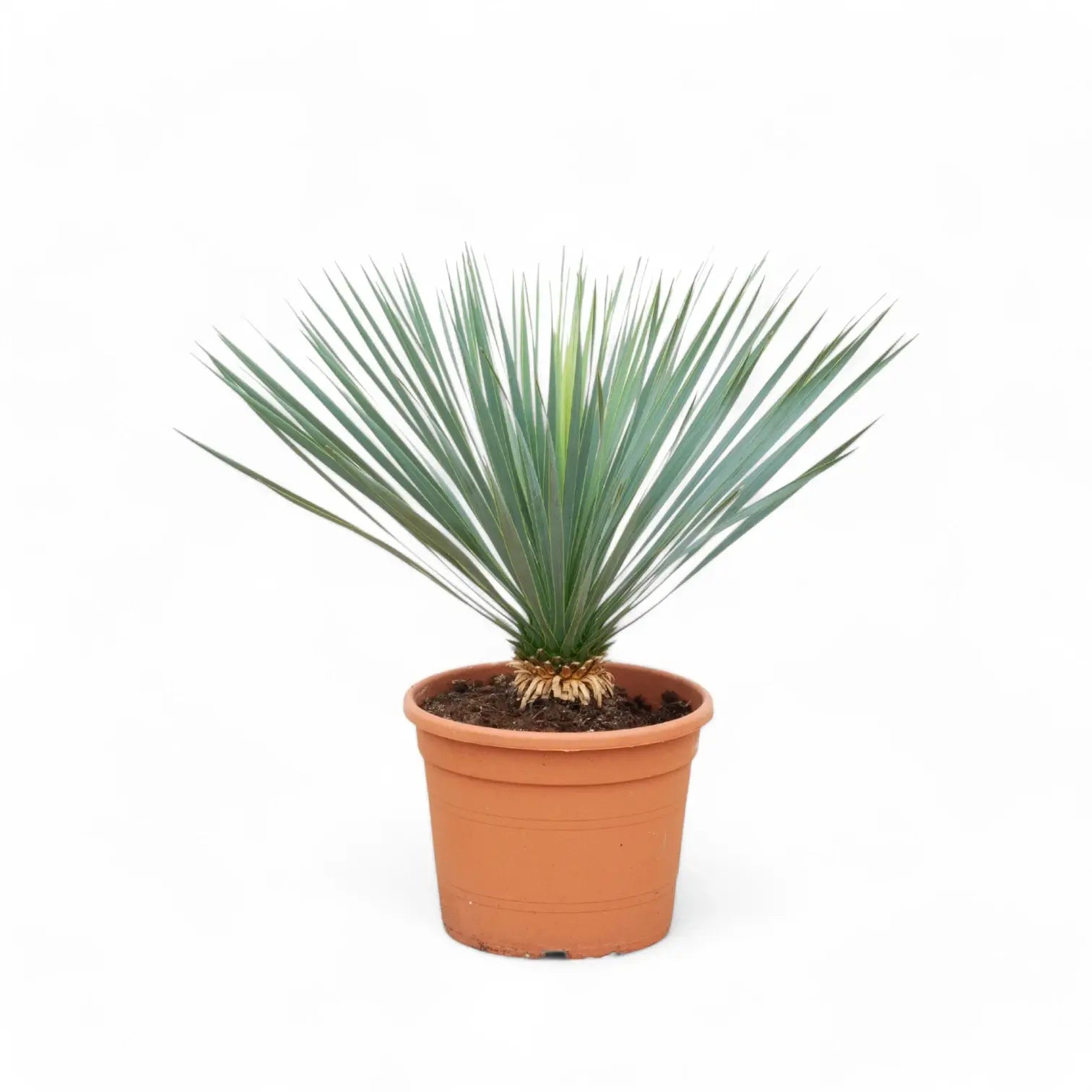
Yucca rostrata Engelm. ex Trel., commonly known as the Beaked Yucca or Big Bend Yucca, is a striking architectural plant native to the Chihuahuan Desert. With its dense blue-green leaf rosettes and symmetrical growth, it adds dramatic structure to xeric gardens and bright indoor spaces alike. Exceptionally cold hardy and drought-tolerant, it thrives with minimal care and is perfect for collectors of hardy desert species or statement plants for modern interiors.


● Defining Features of Yucca rostrata


  • Sculptural Growth: Forms dense spherical rosettes atop a thick trunk over time — a natural focal point indoors or out.
  • Extreme Cold Hardiness: Survives down to – 28 °C (USDA Zone 5) in dry, well-drained soils — one of the toughest yuccas available.
  • Flowering: Mature specimens may produce tall spikes of creamy-white flowers in late spring, attracting pollinators — though indoor flowering is extremely rare.
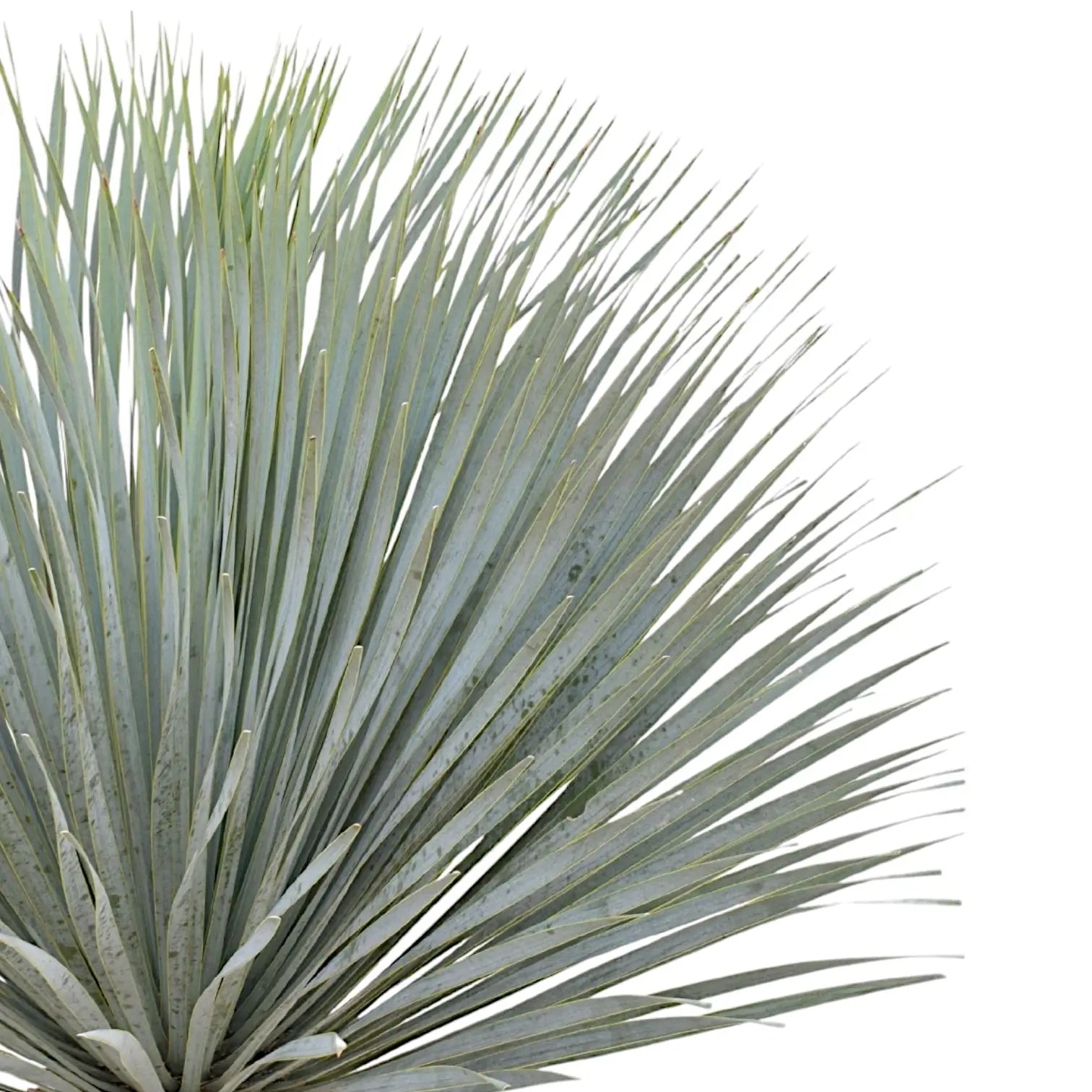
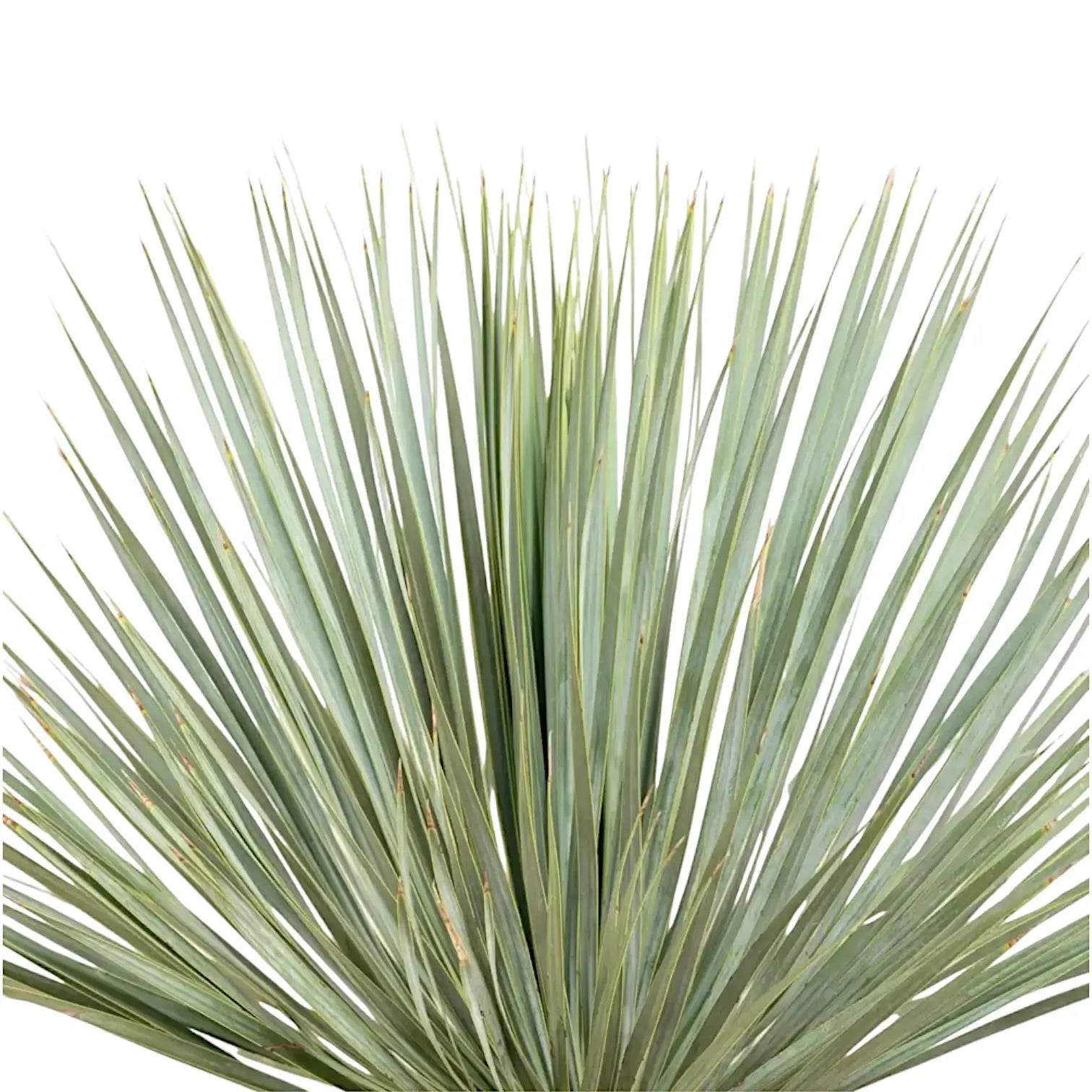
  • Leaf Texture: Long, narrow, blue-grey leaves with firm but non-cutting margins form a pom-pom-like canopy.
  • Slow-Growing: Adds only a few centimeters per year. Reaches 4 – 4.5 m outdoors over decades; remains compact (up to 2 – 2.5 m) in pots.

● Care Guide: How to Grow Yucca rostrata Successfully


  • Light Requirements: Needs full sun outdoors or 3 – 5 hours of direct light indoors. Brightest possible indoor location recommended.
  • Watering: Water deeply but infrequently. Let the soil dry out almost completely before watering again. Overwatering is the most common cause of decline.
  • Soil: Prefers mineral-rich, fast-draining soil. Use a cactus mix or blend with perlite, sand, and grit to prevent root rot.
  • Fertilization: Feed quarterly with a low-nitrogen, balanced cactus fertilizer. Avoid fertilizing in winter or during extreme heat.
  • Temperature: Ideal range is 15 – 27 °C. Protect from overly humid indoor spaces and cold, wet winter soils outdoors.
  • Humidity: Thrives in dry air. Do not mist or grow in enclosed, humid rooms like bathrooms.
  • Potting and Repotting: Use a heavy container with drainage holes to prevent tipping. Repot every 3 – 4 years or when roots fill the container.
  • Root System: Develops a deep taproot outdoors but stays relatively shallow in pots. Use weighty containers to stabilize as it matures.
  • Pruning: Remove dead leaves for a clean trunk or leave them to form a protective “skirt.”
  • Propagation: Best propagated from basal pups when available. Allow offsets to callous before replanting into dry, gritty soil.
  • Cold Tolerance Warning: Hardy to – 28 °C, but only in dry soil. Ensure perfect drainage in winter, especially in clay or compacted soils.

● Common Problems and Prevention


  • Root Rot: Always the top concern — caused by overwatering or dense, wet soil. Repot immediately if roots are black or mushy.
  • Spider Mites: Common in warm, dry interiors. Treat with insecticidal soap or neem oil and increase airflow.
  • Mealybugs: Appear as cottony masses in leaf bases. Remove manually or treat early with alcohol on a swab.
  • Yellowing Leaves: Caused by too much water or poor drainage. Adjust care routine and ensure mineral-based substrate.
  • Brown Leaf Tips: Often from low humidity or inconsistent watering. Adjust care and avoid misting.

● Frequently Asked Questions


  • How long does it take to reach full height? Yucca rostrata is extremely slow-growing. Outdoors, it can take 20 – 30 years to reach 4 m or more. In pots, it remains compact for many years.
  • Can it stay outside year-round? Yes — in dry, well-drained soil and mild climates (Zone 5 or higher). In wetter regions, grow in raised beds or pots and shelter from winter rain.
  • Does it flower indoors? Almost never. Flowering requires full sun and years of maturity, typically only achievable outdoors.
  • Can I grow it in a pot? Absolutely. Just use a deep, gritty substrate and a heavy pot to support its top-heavy form as it ages.
  • Is it safe to touch? Yes — leaf edges are firm but not sharp. However, the tips can be pointed, so avoid brushing against mature plants in tight spaces.

● Order Yucca rostrata Today


Yucca rostrata is one of the most impressive slow-growing desert plants — combining minimal care with maximum visual impact. Order now and enjoy its sculptural form, resilience, and timeless appeal indoors or in your dry garden design.

Yucca rostrata

Sold out

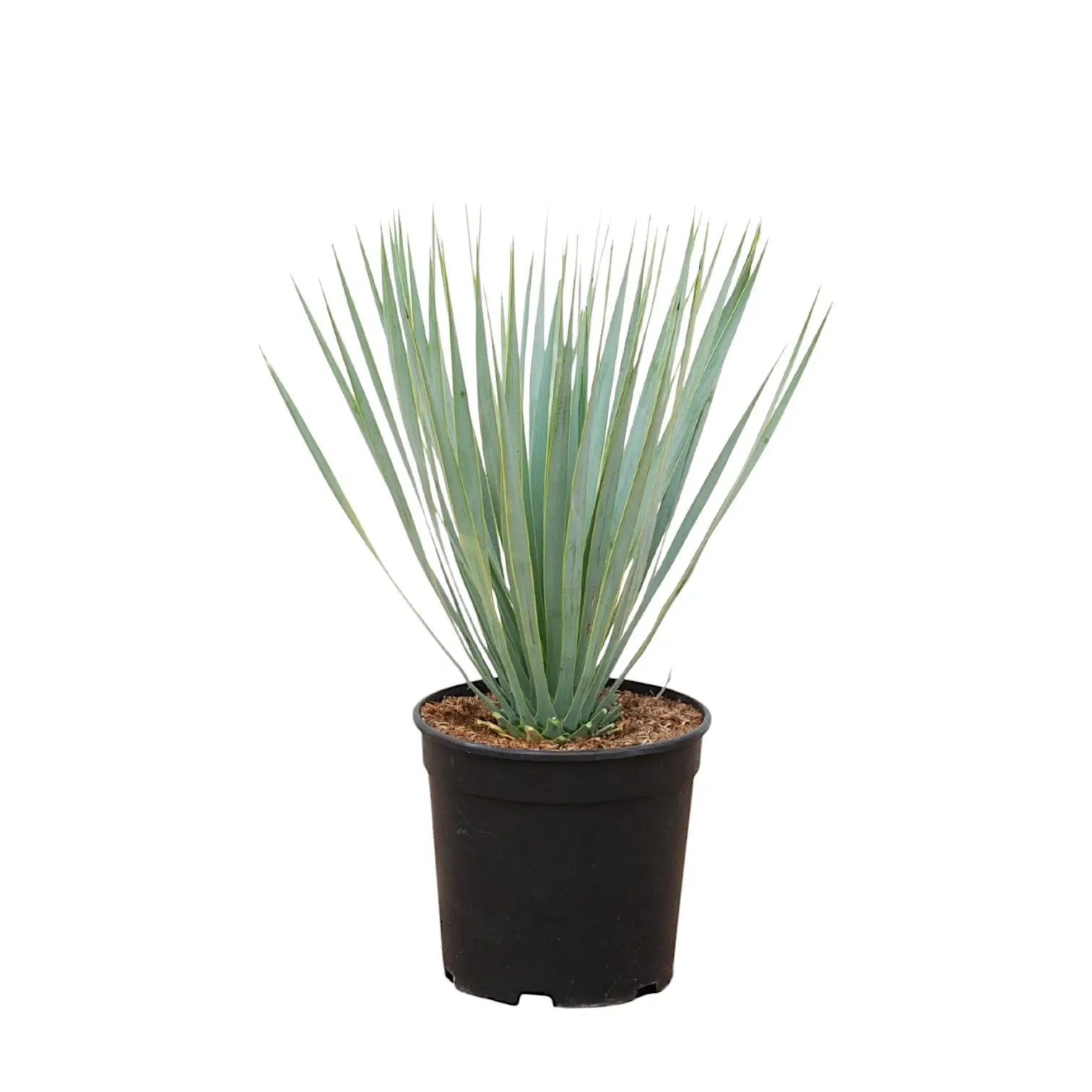
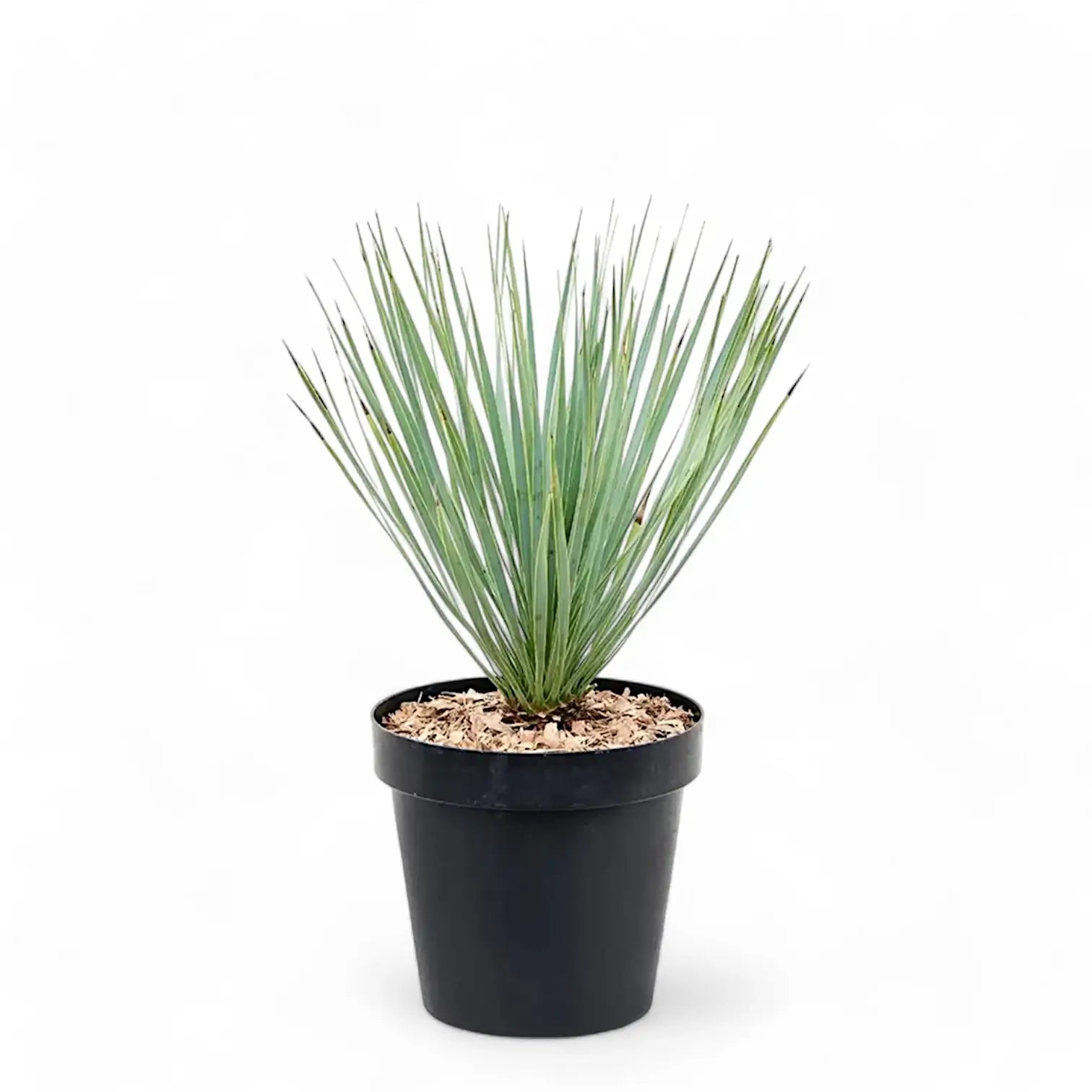
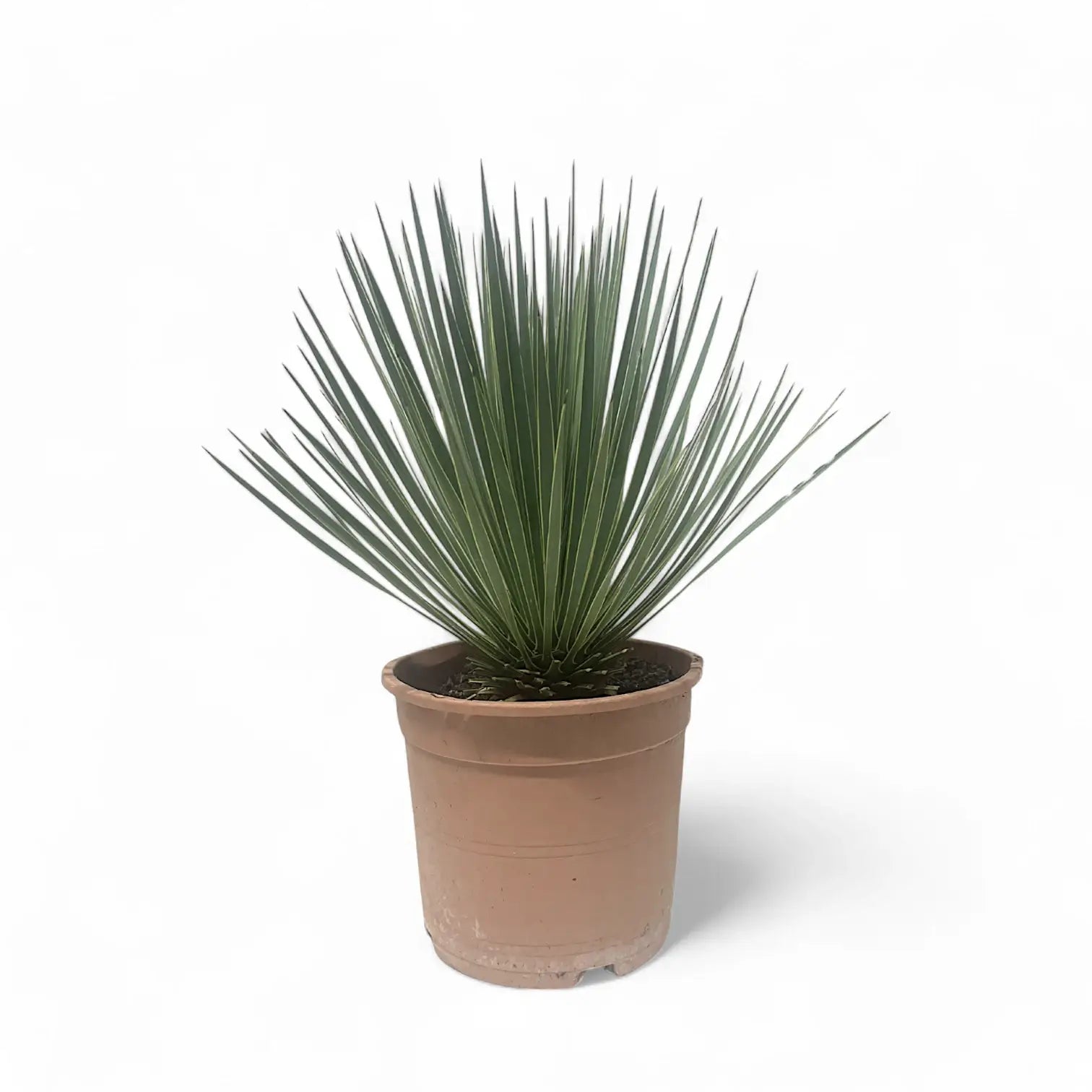
  • Yucca rostrata is approximately 60 cm tall and comes in a ⌀ 20 cm pot

Frequently bought together:

bottom of page