

Etiolation — Or Why Is My Plant So Leggy?
Leggy, stretched stems are your plant’s early warning sign. This guide explains why it happens and how to fix it with better light, smarter feeding, targeted pruning, and propagation.
Read more
This is your no-fluff, myth-free guide to converting houseplants to semi-hydroponics — without root rot, stalling, or unnecessary stress. Whether you're growing a few tropicals or managing an entire plant room, you'll find everything you need to make the switch confidently. Or not — but by the end, you'll know exactly whether semi-hydro is right for you and your plants.


Semi-hydroponics replaces organic soil with a passive, mineral-based system that uses capillary action to deliver water and nutrients. It works particularly well for tropical foliage plants like Monstera, Philodendron, Anthurium, Calathea, and Hoyas.
|
✔ Switch to semi-hydro if... |
✖ Hold off if... |
|---|---|
|
You want consistent moisture & clean care |
You grow dry-adapted succulents or caudex plants |
|
You can flush and feed occasionally |
You need full neglect tolerance |
|
Your plant has active roots or growth |
The plant is dormant or root-bound in soil |
|
You want fewer pests, mold, and soil issues |
You rely on organic feeding or compost |
If you’re growing tropicals in an indoor environment with moderate humidity and light, you’re likely a great candidate.

Semi-hydroponics depends on capillary action — the upward movement of water through tiny gaps between particles. This wicking effect moves water from a reservoir up through the substrate to the plant’s roots.
Think of it like a sponge at the base of your pot — it draws moisture upward as needed.
When transitioning, soil roots typically die off — they’re built for air pockets, not constant moisture. Water roots (aka hydro roots) are thicker, smoother, and adapted to stay hydrated continuously.
✔ Normal during transition:
✖ Not normal:
💡Root melt isn’t failure — it’s a sign the plant is adapting. Wait for new roots before panicking.
To function well, every passive hydro system needs:
Avoid full submersion of roots early on. Start with 1–2 cm of water at the base and top-water occasionally until hydro roots grow down into the moisture zone.

The substrate you use in semi-hydro replaces soil entirely — so it must provide structure, oxygen, and consistent access to water without compacting, decomposing, or feeding pathogens.
But not all inert media perform the same. Some hold more water, some offer better airflow, and others don’t wick at all without help.
Here’s how to choose the right material (or blend) for your plant’s root type and conditions.
|
Feature |
Why It Matters |
|---|---|
|
Inert & pH-neutral |
No rot, no pests, no nutrient disruption |
|
Porous but stable |
Allows oxygen flow and doesn’t collapse |
|
Reusable |
Rinses clean, lasts multiple cycles |
|
Capillary-capable |
Draws water upward from reservoir |
💡 Remember: fine-grain materials like Pon and zeolite wick well; large particles like LECA and lava need help (pre-soaking or mixing).
|
Substrate |
Water Retention |
Aeration |
Wicking |
Nutrient Buffer |
Best For |
|---|---|---|---|---|---|
|
LECA |
Low–Medium |
High |
Medium |
Low |
Aroids, orchids, Hoyas |
|
Pon |
Medium–High |
Medium |
High |
High |
Calathea, Peperomia, soft roots |
|
Seramis |
Medium–High |
Medium |
Medium |
Medium |
Cuttings, Maranta, seedlings |
|
Pumice |
Low |
High |
Low |
Low |
Succulents, Euphorbia, mixes |
|
Perlite |
Low |
Very High |
Weak |
None |
Propagation, lightweight blends |
|
Zeolite |
Medium |
Medium |
High |
High |
Root-sensitive species, prayer plants |
|
Lava Rock |
Low |
High |
Low |
None |
Large pots, base layer, stability |
No single substrate works for all species. Your choice depends on:
💡Thick, aerial roots (Monstera, Philodendron) love airflow
💡Fine, moisture-sensitive roots (Calathea, Maranta) need better wicking and buffering
We’ll break all of this down in the next section, with practical recipes tailored to your plant’s needs.
Curious about the science behind LECA, Pon, pumice, or zeolite?
📌 Check out our deep dive into non-organic substrates for detailed performance comparisons, substrate chemistry, and how each material affects airflow, wicking, and nutrient buffering.
No single substrate blend fits all houseplants. Your ideal mix depends on root structure, humidity tolerance, and your setup’s moisture behavior.
Here are tested, mineral-only recipes, organized by plant type — with optional tweaks for pot size, humidity, and root sensitivity.
Perlite is added in small amounts to improve airflow, lighten heavy mixes, and speed up drying near the crown — especially helpful in humid rooms or for rot-prone plants. Use washed horticultural-grade perlite, not building-grade.
Flush cycle: Every 2–3 weeks
Flush cycle: Every 2–3 weeks
Flush cycle: Every 1–2 weeks
Flush cycle: Top-water only, as needed
⚠️ Feeding warning: Do not fertilize until roots form. Use clean, feed-free water only for the first 2–3 weeks.
Flush cycle: Every 1–2 weeks
Flush cycle: Every 2–3 weeks
All ratios are adjustable. Don’t chase perfection — match your mix to how fast your substrate dries, how your plant responds, and how often you want to flush. Start simple, observe, then adapt.

Switching a plant from soil to semi-hydro is a biological reset — not just a repot. Soil roots are adapted to air pockets and irregular moisture. In contrast, hydro systems deliver consistent moisture via passive capillary flow, which means your plant needs time to adapt.
This section walks you through a smooth, myth-free transition process, helping you avoid rot, stalling, and unnecessary stress.
⚠️ Don’t overclean: a few specks of soil won’t cause rot. Digging aggressively damages fine root hairs and slows adaptation.
Once potted, do not unpot to check roots again — this only resets the process.
💡 Breathable or mesh pots help maintain oxygen flow around the roots during the early transition phase.
⚠️ Submerging unadapted roots can cause suffocation and melt. Keep the water line low and increase only once new hydro roots begin growing downward.
💡If the plant is unstable, use a bamboo stake or soft plant tie to prevent wobbling.

The next 2–4 weeks are all about adaptation. Expect temporary changes as the plant reprograms its root system:
💡 Keep humidity above 50%, avoid intense sun, and don’t fertilize yet. Just use soft, room-temperature water.
…then it’s time to start feeding.
Start with ¼-strength hydroponic or semi-hydro fertilizer, diluted in clean water. Alternate feedings with plain water to prevent salt buildup.
⚠️ Do not use soil, coco, or organic fertilizers in semi-hydro setups. These often contain biological materials (fish, kelp, compost, etc.) designed to break down in soil. In a closed, stagnant water system, they:
Stick with mineral-based, pH-stable hydroponic nutrients only. For dilution rates and formula recommendations, refer to Section 6.

In semi-hydro, nutrition is entirely in your hands. Mineral substrates like LECA, Pon, and pumice provide zero nutrients — so regular feeding is essential. But because roots absorb directly from the water, mistakes show up fast. Overfeeding, wrong formulas, or skipped flushes can all lead to damage.
This section breaks down how to fertilize correctly, when to start, what to avoid — and how to keep your water clean and your roots thriving.
Never feed right after switching from soil to semi-hydro. Wait until at least one of the following is true:
For most plants, this happens around 2–4 weeks post-transition. No signs yet? Don’t feed — just wait.
Feed every second or third watering, alternating with plain water. This avoids salt buildup, which can burn roots and stall growth.
|
Plant Type |
Dilution |
Feed Frequency |
|---|---|---|
|
Aroids (Monstera, Philodendron) |
¼ to ½ strength |
Every 2nd watering |
|
Hoyas, Peperomia |
¼ strength |
Every 2nd or 3rd |
|
Prayer plants (Calathea, Maranta) |
Max ¼ strength |
Every 3rd, flush often |
|
Succulents, Euphorbia |
⅛ to ¼ strength |
Monthly during growth |
|
Rooted cuttings & young plants |
⅛ strength |
Every 2–3 weeks |
💡 What does "¼ strength" mean?
If your fertilizer says 5 ml per liter, use just 1.25 ml per liter. Always pre-dilute in water before adding it to the reservoir. Never pour concentrate directly onto the roots.
These formulas are designed for passive watering systems. They contain stable, readily available nutrients, and they don’t rot or clog the reservoir.
If you’re using a hydro-specific fertilizer, follow the manufacturer’s dilution instructions for passive systems. These are typically balanced around 3–1–2 or 5–3–2 NPK with added micronutrients like magnesium, calcium, and iron.
These often contain organics, bio-stimulants, or slow-release elements intended for microbe-rich soil. In semi-hydro, these ingredients break down in stagnant water and cause serious issues:
Even "organic-certified" soil fertilizers (like fish emulsion or seaweed extract) will rot in semi-hydro systems and lead to root failure.
✖ Organic fertilizers (fish, kelp, compost tea): rot and clog the reservoir
✖ Urea-based formulas: rapid EC spikes, root burn risk
✖ Soil or coco-specific blends: not water-stable, feed unpredictably
✖ Slow-release pellets (Osmocote, tabs): not designed for submerged systems

Fertilizer salts accumulate over time, even if you’re feeding gently. Flushing clears out these residues, prevents root burn, and resets the medium.
💡Flush every 2–3 weeks for most plants — more often in:
|
Week |
Action |
|---|---|
|
1 |
Feed at ¼ strength |
|
2 |
Water only (flush) |
|
3 |
Feed again |
|
4 |
Flush thoroughly |
💡 Always adjust based on growth rate, humidity, and reservoir use.
If you're managing 10+ plants or sensitive species, an EC or TDS meter helps fine-tune your feeding.
|
Reading Type |
Ideal Range |
What to Do |
|---|---|---|
|
EC |
0.5–1.5 mS/cm |
Most tropicals grow well here |
|
TDS |
300–1000 ppm |
Safe range for moderate feeders |
|
EC > 2.0 |
Too high |
Flush immediately, reduce next feed |
|
TDS < 150 ppm |
Underfed |
Increase dilution slightly |
|
pH |
5.8–6.2 ideal |
Use rain, filtered, or soft water if needed |
|
Symptom |
Likely Cause |
Solution |
|---|---|---|
|
Leaf tips turning brown |
Salt buildup |
Flush twice, reduce feeding strength |
|
Pale new growth |
Underfeeding or pH issue |
Increase feed slightly, check water pH |
|
Cloudy or smelly water |
Organic contamination |
Stop organics, flush fully |
|
Crust on substrate |
Accumulated salts |
Flush heavily, review fertilizer dose |

Stable conditions = stable care. In semi-hydro, your routine doesn’t need to change unless your environment does.
Most tropical plants in nature grow year-round under consistent light, temperature, and humidity. So unless your indoor conditions shift significantly, you shouldn’t blindly reduce watering or feeding in winter, just because it's winter.
If you’re using:
…then your plants are still in active growth. Cutting back on watering or fertilizer can cause nutrient deficiency or slow root activity — even in January.
But if your setup changes — like reduced light, cold nights, or low humidity from heating — then it’s time to adapt.
|
Condition |
Action |
|---|---|
|
Light drops, no supplemental LEDs |
Slightly reduce water and feed; monitor root activity |
|
Temperatures fall below 18 °C |
Watch uptake; reduce feeding if roots stall |
|
Radiators dry air or heat pots |
Wick systems and top layers help retain moisture |
|
Cold floors or window zones |
Elevate pots, insulate bases, or shift location |
|
Tap water is cold (<15 °C) |
Let it reach room temp before using |
💡 Cold roots = slow roots. Most semi-hydro issues in winter come from cold zones, not overwatering.
Use these as guidelines, not rigid routines:
|
Task |
Frequency |
Notes |
|---|---|---|
|
Check reservoir level |
1–2× per week |
Top up or flush depending on uptake |
|
Observe new growth & roots |
Weekly |
Use root tips and leaf behavior to guide adjustments |
|
Flush substrate |
Every 2–3 weeks |
Especially important in fine substrates like Seramis |
|
Feed |
2–3× monthly |
See Section 6 for dilution and scheduling |
|
Wipe trays/pots |
Weekly |
Prevent biofilm near light exposure |
|
Symptom |
What to Do |
|---|---|
|
Water sits for too long |
Lower reservoir, improve airflow |
|
Reservoir empties rapidly |
Increase monitoring, check light or heat |
|
Growth halts or stalls |
Check root health, review feeding schedule |
|
Leaves show tip burn |
Flush, reduce feed strength, reassess light |
|
Substrate surface stays soggy |
Lower humidity, raise pot or switch setup |
Stable grow lights + stable temperatures = stable growth. Don’t disrupt it with seasonal assumptions and advice taken from outdoor gardening.

Semi-hydro makes root systems more visible — but interpreting what you see still takes context. Drooping doesn’t always mean overwatering. Yellowing doesn’t always mean nutrient deficiency. And not all root loss is failure.
This section helps you spot problems early, understand what they mean, and decide what to fix (and what to leave alone).
Start with the symptom you see and expand the relevant section. Then check the table for severity, likely causes, and what to fix.
🟡 = Monitor, no rush
🟠 = Needs adjustment
🔴 = Act promptly
|
When It Happens |
Severity |
Likely Cause |
What to Do |
|---|---|---|---|
|
Right after switching to semi-hydro |
🟡 |
Root melt (normal adaptation) |
Wait 2–3 weeks, no feeding, steady humidity |
|
No new roots, persistent droop |
🟠 |
Roots too cold or inactive |
Lower water level, raise pot, improve airflow |
|
Long-term droop + yellowing |
🔴 |
Root rot from anaerobic zone |
Unpot, clean, remove mushy roots, repot in fresh mix |
💡Root melt vs. rot:
|
Pattern |
Severity |
Likely Cause |
What to Do |
|---|---|---|---|
|
Lower leaves only, slowly yellowing |
🟡 |
Natural aging |
No action needed |
|
Pale tips + yellowing new leaves |
🟠 |
Underfeeding or lockout |
Light feeding + flush; see Section 6 for guidance |
|
Rapid yellowing + droop |
🔴 |
Salt buildup or root stress |
Flush hard, inspect roots, reduce feed temporarily |
💡 Yellowing in semi-hydro often points to salt imbalance or underfeeding, not overwatering.
|
Situation |
Severity |
Likely Cause |
What to Do |
|---|---|---|---|
|
No new leaves 2–3 weeks post-transfer |
🟡 |
Normal recovery period |
Observe patiently, don’t feed yet |
|
No water use + no root growth |
🟠 |
Cold or oxygen-poor roots |
Elevate pot, adjust location, increase airflow |
|
Stalled growth > 4 weeks |
🔴 |
Root failure or compacted substrate |
Unpot, inspect roots, refresh or replace substrate |
💡 Look at the base of the pot — new root tips are a better growth sign than leaves.
|
What You Notice |
Severity |
Likely Cause |
What to Do |
|---|---|---|---|
|
Swampy or fermenting smell |
🔴 |
Anaerobic bacteria or organic residue |
Unpot immediately, rinse roots, replace medium |
|
Wet top layer, stagnant reservoir |
🟠 |
Blocked wicking or airflow |
Top-dress with pumice, raise pot, or flush to refresh |
|
Clear water but sour smell |
🟠 |
Biofilm in reservoir |
Disinfect outer container, flush, clean all surfaces |
💡 Never “let it dry out” to fix rot. Improve oxygenation, flush, and repot if needed.
They thrive on decomposing organic matter. If you've used soil-based, coco, or organic fertilizers, these feed anaerobic bacteria in stagnant reservoirs. This quickly leads to biofilm, slime buildup, and oxygen loss — all of which suffocate roots.
|
Where You See It |
Severity |
Likely Cause |
What to Do |
|---|---|---|---|
|
Top layer of LECA or Seramis |
🟡 |
Evaporation salts |
Flush well, monitor feed strength |
|
Salt ring outside pot |
🟠 |
Hard water, infrequent flushes |
Switch to filtered/rain water, flush more often |
|
Salt clumps deep in substrate |
🔴 |
Long-term accumulation |
Rinse media thoroughly or replace if degraded |
Use this before touching the roots:
💡 Still unsure? Flush first. You can always repot later — not the other way around.
Read our full guide to self-watering pots for container comparisons, wick techniques, and the best pairings for semi-hydro systems.
Semi-hydro can be stable long-term — if you know when to intervene and when to leave things alone. The biggest mistakes often come from overreacting: unnecessary repotting, stacking stressors, or using the wrong substrate too long.
This section walks you through when to refresh the top layer, when a full repot is needed, and when to hit reset — plus how to scale your setup without chaos.
Use this flow to decide your next step:
|
Substrate |
Lifespan |
When to Act |
|---|---|---|
|
LECA |
5+ years |
Rinse if slimy; replace only if foul |
|
Pumice |
Indefinite |
Rinse and reuse freely |
|
Seramis |
12–18 months |
Replace when crumbling or over-retentive |
|
Pon |
1–2 years |
Refresh when fines settle or airflow drops |
|
Lava rock |
5+ years |
Heavy but stable — rarely needs replacing |
|
Zeolite |
3–5 years |
Flush if salt builds up, or rotate between plants |
💡 Don’t replace substrate by default. If it still drains, wicks, and smells clean — keep it.

|
Scenario |
Action |
Reason |
|---|---|---|
|
Wicking slows but roots are healthy |
Refresh |
Restores flow without disturbing the plant |
|
Pot is root-bound or airflow drops |
Repot |
Improves structure, hydration, and access |
|
Foul smell, mushy roots, or biofilm |
Full reset |
Indicates bacterial failure or rot — clean out |
A safe maintenance routine for stable plants:
💡Do this every 6–12 months depending on plant and substrate.

💡Many resets are due to bacterial contamination — often caused by using soil or organic fertilizers in water-based systems. These break down and feed anaerobic microbes, leading to slime, biofilm, and rot.
💡Never remove healthy leaves “to reduce stress.” In semi-hydro, leaves help regulate hydration.
|
Action |
Feed Delay |
Setup Type |
Monitor For |
|---|---|---|---|
|
Refresh only |
None |
Normal reservoir |
Water use, root growth |
|
Full repot |
10–14 days |
Shallow reservoir |
New roots, no melt |
|
Reset + pruning |
14–21 days |
Wick or low water |
Root rebound, tip growth |
💡 One intervention at a time. Don’t repot, prune, relocate, and feed in one day.

As your collection grows, so do the logistics. These tips keep things manageable:
|
Tip |
Why It Helps |
|---|---|
|
Standard pot sizes |
Easier to flush, organize, and stack |
|
Label each pot |
Track substrate, plant, and dates |
|
Group by water uptake |
Schedule trays instead of individual pots |
|
Elevate all pots |
Prevent cold shock and stagnation |
|
Track flush/feed cycles |
Spot salt issues or neglect early |
|
Setup Type |
Ideal For |
|---|---|
|
Wick-fed trays |
Cuttings, propagation, grouped plants |
|
Self-watering pots |
Larger aroids or high-demand species |
|
Capillary mats |
High-density racks or grow tents |
|
Flush trays with overflow |
>15 plants in one area |
Quick answers, with jump links to the exact sections they reference. Use this as your “bookmark” hub when you need a fast check mid-setup.
Most tropical foliage plants (and some succulents with fleshy roots) adapt well. Skip plants that require very specific organic or acidic conditions, such as many carnivorous plants, or anything that truly relies on long dry cycles unless you’re building a highly customized mineral strategy.
Start here: Why Switch to Semi-Hydro and Custom Mineral Mixes by Plant Type.
Watch roots and water use, not just leaves:
Use these sections as your checklist: Transition Guide and Diagnosing Problems.
No. Most mineral substrates last a long time. Regular flushing and occasional surface refresh usually handle salt buildup and fines settling. Replace only if media breaks down, stops draining or wicking properly, or the system stays off even after corrective steps.
Common causes include cold roots, stalled adaptation, salt buildup, compaction, fines, or a reservoir level that doesn’t match current root length.
Start with a flush, then assess root behavior and conditions before repotting. Use: Diagnosing Problems and Daily, Weekly & Seasonal Care.
If your nutrient label provides passive-hydro guidance, follow it. If not, a safe baseline is feeding every 2nd or 3rd watering, alternating with plain water to reduce salt buildup. Adjust by plant type, growth rate, substrate, and water quality.
Full framework here: Feeding & Flushing.
Do a true reset: remove mushy roots, disinfect the setup, switch to fresh rinsed mineral media, and restart with low water or wick-only moisture. Hold off feeding for 2–3 weeks while new hydro roots form.
Step-by-step is in: Advanced Maintenance – Full Reset.
Fastest failure triggers are usually preventable:
Harmful bacteria thrive on decomposing organic material. Once soil fertilizers, compost-based products, or other organic inputs sit in a stagnant reservoir, they can trigger foul smells, cloudy or fermented water, biofilm buildup, oxygen collapse, and fast root rot.
Use these sections as guardrails: Transition Guide, Feeding & Flushing, and Advanced Maintenance.
No. Remove most of it, but don’t obsess over every speck. Aggressive scrubbing damages fine roots and slows adaptation. If you want a fully clean root system, it’s often easier to do a more thorough rinse later, once the plant has already started producing hydro roots.
See the process: Transition Guide.
LECA works, but wicking can be unreliable on its own—especially in smaller pots, shallow-rooted plants, or setups where the reservoir sits low. Mixing in finer media like Pon, Seramis, or zeolite improves capillary action and nutrient buffering for moisture-sensitive roots.
Compare options here: Choosing the Right Substrate and Custom Mineral Mixes.
Every 2–3 weeks is a strong default for most setups. Flush more often if you use fine substrates like Pon or Seramis, hard tap water, or feed frequently. If you see white crust or tip burn, flush sooner and reassess dosing.
Technique + timing: Feeding & Flushing.
You now have a complete, myth-free, fact-based guide to transitioning, maintaining, and scaling semi-hydro houseplant care. Whether you're keeping one Anthurium happy or juggling 30 Hoyas in Pon — you’re equipped.
For readers interested in the science behind semi-hydroponics, root adaptation, and mineral nutrition, the following sources offer reliable, research-based information. These references support the care practices outlined in this guide and provide a solid foundation for further learning.
Thakulla, D., Dunn, B., & Hu, B. (2021). Soilless Growing Mediums. Oklahoma State University Extension Fact Sheet HLA-6728
Compares inert hydroponic media like expanded clay, perlite, etc., including their cost, pH, and reusability.
Pinkerton, M., Whitman, B., Eason, H., & Gomez, C. (2021). Common Media Used in Hydroponics. University of Florida IFAS Extension, Publication #ENH1359
Overview of physical properties of soilless media – e.g. pore space, water-holding, aeration – and common substrates such as coco coir, perlite, pumice, expanded clay.
Shrestha, A., & Dunn, B. (2017). Hydroponics (HLA-6442). Oklahoma State University Extension.
General introduction to hydroponic systems; discusses passive wick systems that rely on capillary action to draw water to plant roots and compares soil vs. hydroponic growth.
Treftz, C., Kratsch, H., & Omaye, S. (2015). Hydroponics: A Brief Guide to Growing Food Without Soil. University of Nevada, Reno Extension, FS-15-08
Explains hydroponic techniques including subirrigation; notes that in passive systems, a porous medium transports nutrient solution to roots via capillary action.
Semananda, N. P. K., Ward, J. D., & Myers, B. R. (2018). A Semi-Systematic Review of Capillary Irrigation: The Benefits, Limitations, and Opportunities. Horticulturae 4(3)
Literature review of capillary watering methods – wicks, mats, ebb-and-flow – finding they improve water efficiency and yield for container-grown plants, especially ornamentals, by evenly wicking moisture while reducing leachate.
Dhanraj, D. (2020). Performance of Foliage Ornamentals in Hydroponic Nutrient Solutions. Journal of Floriculture and Landscaping 6(1): 9–13
Study demonstrating growth of common indoor foliage plants in passive hydroponic setups, measuring root length and plant performance under different nutrient solution regimes in soilless culture.
Pinkerton, A. (2023). Mineral and Fertilizer Salt Deposits on Indoor Plants. University of Maryland Extension
Advises leaching accumulated fertilizer salts by periodically flushing inert growing media with large volumes of water; warns that bottom-wicking without periodic top-flushing can lead to salt buildup that causes leaf burn and root desiccation.
Leaching Salts from Potting Mixes. (2017). PlantTalk Colorado™ – Colorado State Univ. Extension (Fact Sheet #1339)
Discusses diagnosing salt stress in potted plants – white crust on medium, leaf burn, wilting despite moisture – and provides a method to flush excess soluble salts from the root zone by thorough top watering.
Amrhein, J.J., Rotondo, F., Kubota, C., Miller, S.A., & Testen, A.L. (2025). Diagnostic Guide for Pythium Root Rot in Hydroponic Leafy Green and Herb Production. Plant Health Progress.
Current peer-reviewed guide to identifying and managing root rot in hydroponic systems — excellent root health reference.
Williams-Woodward, J. (2022). Root Disease Management in Hydroponic Systems. e-GRO Alert E706.
Extension publication summarizing sanitation, prevention, and system design for managing root pathogens in hydroponics.
Palande, V., Zaheer, A., & George, K. (2018). Fully Automated Hydroponic System for Indoor Plant Growth. Procedia Computer Science, 132, 1143–1150.
Engineering-focused study describing passive and active hydroponic systems in controlled indoor environments.
Cerro, C. (2022). Future of Dwelling: Indoor Plants and Produce. American University of Sharjah – WIT Sustainable City Conference.
Explores the integration of hydroponic plant systems in indoor living spaces and architectural sustainability.
Nguyen, N.T., McInturf, S.A., & Mendoza-Cózatl, D.G. (2016). Hydroponics: A Versatile System to Study Nutrient Allocation and Plant Responses to Nutrient Availability and Exposure to Toxic Elements. Frontiers in Plant Science / PMC5091364.
Explains how passive hydro systems facilitate nutrient uptake research; supports substrate and EC/TDS monitoring discussion.
Etiolation — Or Why Is My Plant So Leggy?
Leggy, stretched stems are your plant’s early warning sign. This guide explains why it happens and how to fix it with better light, smarter feeding, targeted pruning, and propagation.
Read more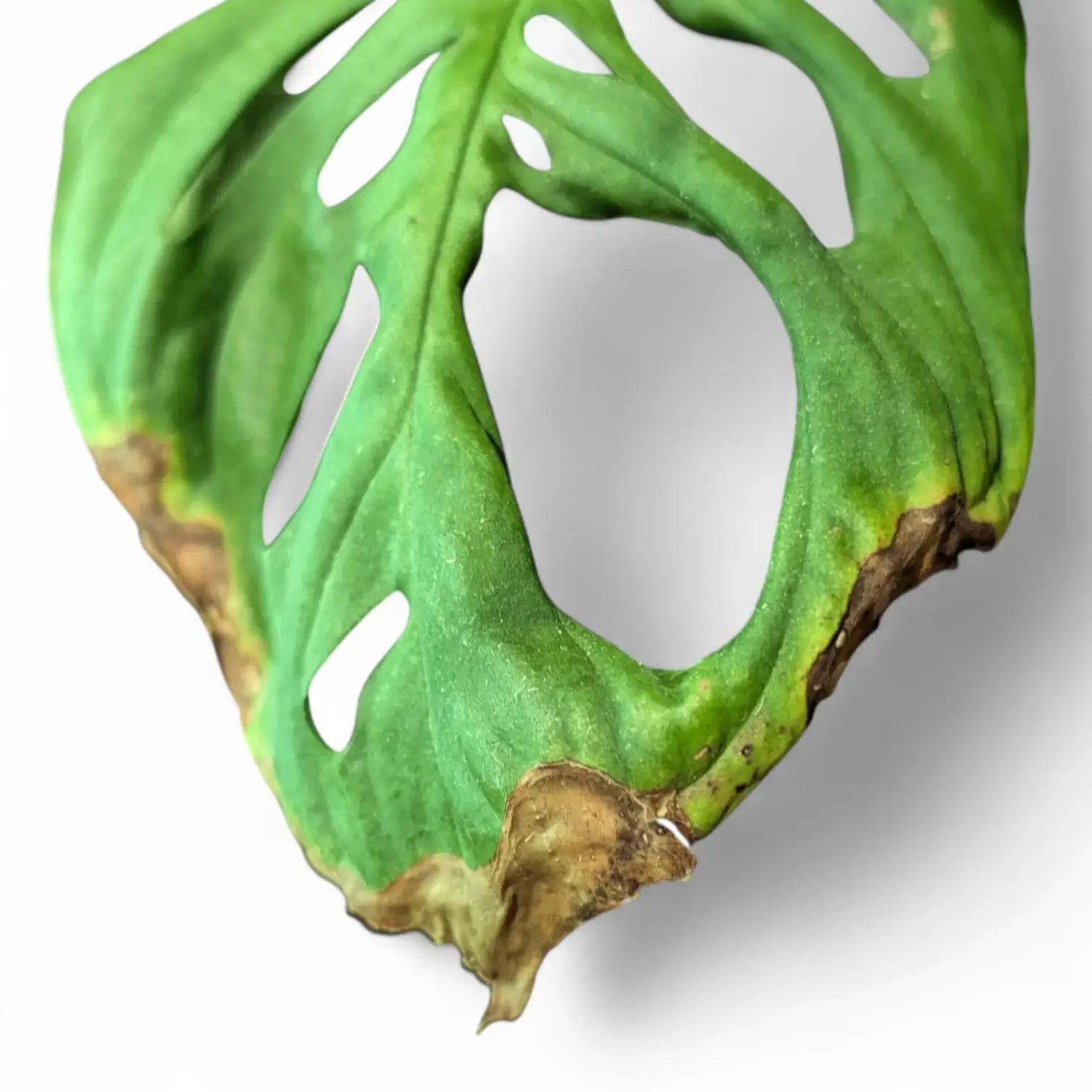
Brown Leaf Tips on Houseplants: All Real Causes and Fixes Explained
Brown, crispy tips don't automatically mean dry air. This guide shows what tip burn really is, why it happens, and how to diagnose watering, water quality, salts, roots, nutrients, and environment ...
Read more