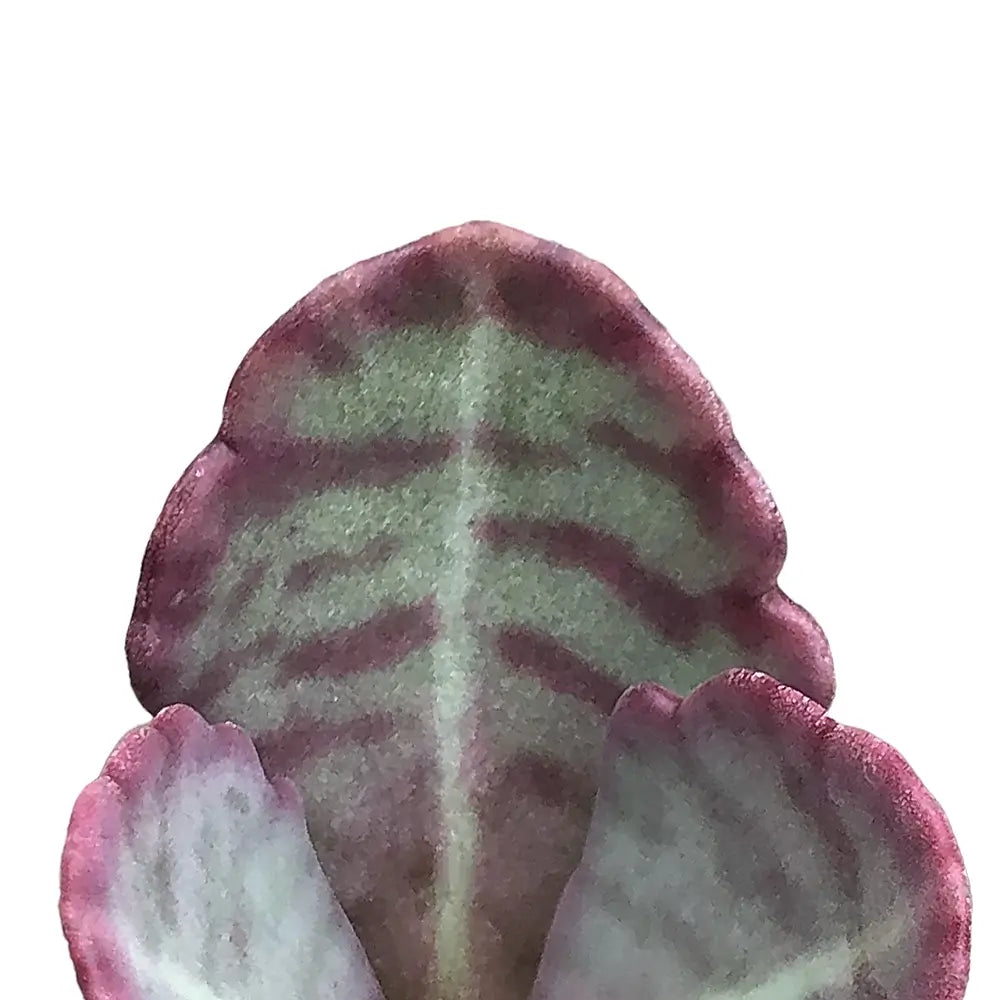
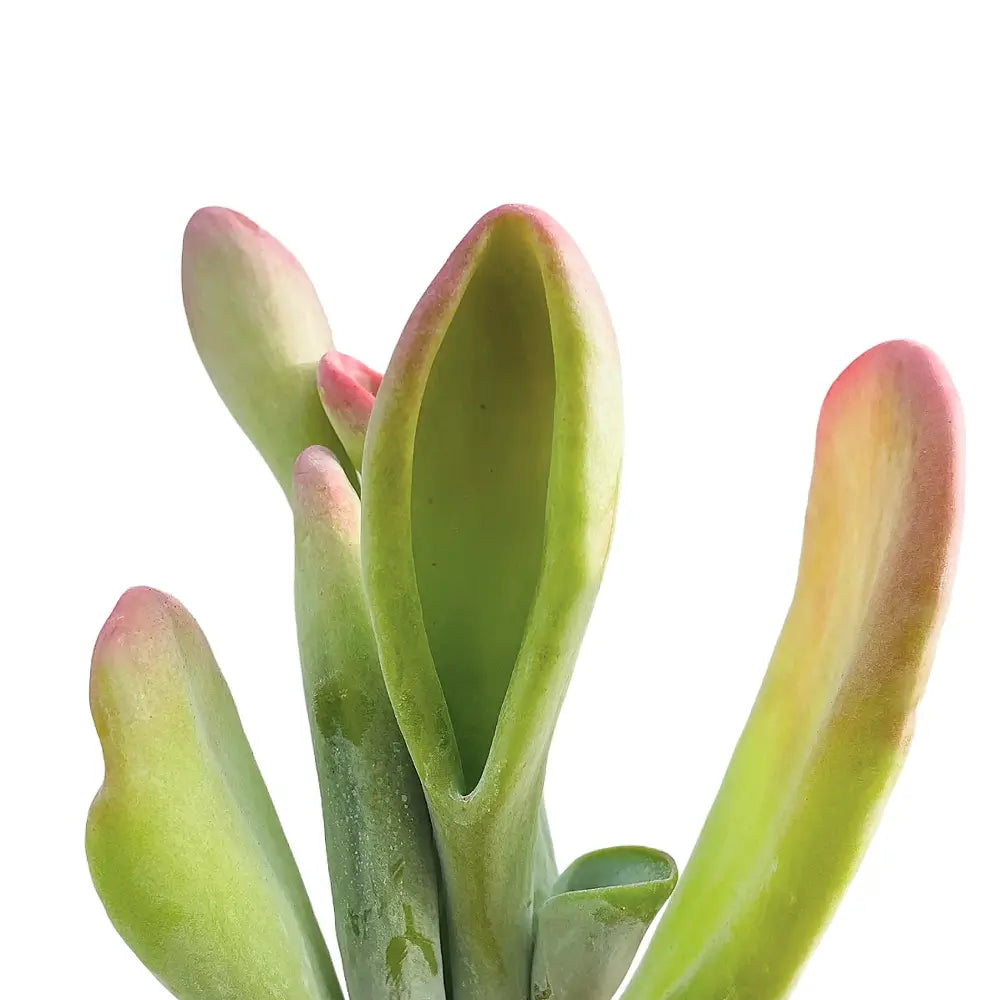
Kalanchoe – sculptural succulents and flowering indoor options
Kalanchoe – what these succulents contribute indoors
Kalanchoe gives you strong shapes and bright flowers without demanding constant attention. The fleshy leaves store water, so short dry spells are rarely a crisis, and well-grown flower heads can look good for weeks. It is one of those succulents that still feels intentional and styled on a windowsill rather than wild or messy.
Within this Kalanchoe range you will see everything from classic, compact Kalanchoe blossfeldiana with tight flower clusters to more architectural species with broad, sculptural leaves. They are natural candidates for the brightest spots in your home where many thin-leaved tropicals would burn or wilt. If you want to see how they sit among other light-loving species, check our full-sun houseplants guide.
Kalanchoe and your conditions – quick suitability check
- Works well when: you have bright windows, remember to water deeply but not often, and prefer plants that hold their shape without weekly trimming.
- Not ideal if: most areas are cool and dim, or if you like to “top up” water frequently so pots stay damp almost all the time.
- Extra note: many gift Kalanchoe are sold at peak bloom; after that first display they usually take a quieter stretch to rebuild strength before flowering again. The rest-and-growth rhythm is described more generally in our houseplant dormancy guide.
Kalanchoe in habitat and what that teaches about care
Most Kalanchoe species originate from Madagascar and parts of Africa, often growing in shallow, gritty pockets of soil on rock faces or well-drained slopes. Rain usually comes in bursts, the ground dries quickly and light can be intense. Plants deal with this by storing water in leaves and stems and by slowing growth when conditions are poor.
Indoors, the lesson is simple: give Kalanchoe plenty of light, a lean, mineral-rich substrate and watering that comes in thorough sessions with long gaps in between. Heavy, peat-dense soil in deep pots combined with frequent light watering is almost always the wrong combination for this genus. Many Kalanchoe use CAM photosynthesis, taking in CO₂ mainly at night; if you are curious about that mechanism, our CAM plants explainer goes into more depth.
Kalanchoe light needs, sun exposure and rebloom potential
Kalanchoe shows its best shape and colour in strong light. A position close to a south- or west-facing window, with several hours of direct sun that is not extreme, keeps stems sturdy and foliage compact. In weaker light, the plant stretches, leaves become widely spaced and flowers are sparse or absent.
Glass that bakes in midday sun can still push things too far, especially for plants that have just come from softer shop conditions. If you see sharp bleached areas or crisp edges on the sun-facing side, move the plant a little back from the window or filter the light with sheer curtain. For a broader look at how “desert” and “jungle” succulents differ in their light needs, use our arid vs jungle succulents guide as a comparison, and for diagnosing damage use our sunburn vs sun stress article.
Many Kalanchoe types react strongly to day length. Buds tend to form when days are bright but nights stay long and properly dark. Lamps shining on the plant late into the evening can easily disturb that rhythm and slow down new bloom formation; our piece on light and daylength myths explains why.
Kalanchoe watering rhythm and gritty substrate choices
Kalanchoe roots cope far better with brief dryness than with lingering damp. Let most of the substrate dry before reaching for the watering can: the pot should feel noticeably lighter, and a wooden stick pushed down through the mix should come up almost clean rather than coated in wet soil. When in doubt, wait a little longer rather than watering early.
A good starting mix is around half quality potting soil and half mineral or chunky material such as pumice, coarse perlite and fine gravel. The aim is a structure where water passes through quickly, air can still move between particles and the mix does not collapse into a dense mass over time. If you want to understand how substrate and watering interact across your collection, the principles in our ultimate watering guide for houseplants and our substrate guide apply well to Kalanchoe too.
When it is time to water, do it properly: soak until liquid runs from the drainage holes, then let everything drain and empty any saucer afterwards. Constantly damp lower layers rot the finest roots first, and by the time foliage reacts, the damage is often already extensive. Persistently soggy, organic mixes are also a classic setup for fungus gnats; if they show up, see our fungus gnat guide.
Temperature, rest periods and airflow for Kalanchoe
Indoors, Kalanchoe is happiest in temperatures around 18–26 °C. Shorter dips are usually tolerated if the mix is dry, but long spells below about 12 °C, especially in wet substrate, slow growth and sharply increase rot risk. Pots sitting against cold winter glass or by draughty balcony doors are classic hidden problems. For more on keeping warm-loving plants stable, see our winter care guide.
Normal household humidity suits Kalanchoe very well. Persistently damp air combined with stale corners tends to give fungal spots and soft stems rather than any benefit. A little movement of air from an open window or a fan on low helps foliage dry after watering without chilling the plant.
After a heavy flowering period, it is common for growth to slow and leaves to thicken while the plant recovers. That quieter phase can worry new owners, but it matches the rest cycles described in our houseplant dormancy guide.
How Kalanchoe grows, responds to pruning and feeding
Kalanchoe typically starts as a compact mound of fleshy stems that gradually branch and harden with age. New shoots often appear from lower nodes after flowering or after you cut back longer growth. Left untouched, the plant can become top-heavy and lean; occasional pruning keeps fresh foliage closer to the pot and helps maintain a tidy outline.
Fertiliser needs are modest. Use a balanced liquid feed at low strength now and then when the plant is clearly growing or forming buds. Pouring concentrated fertiliser into a sparse, mineral mix can damage fine roots, so it is safer to feed gently and regularly than to rely on rare strong doses. Skip feeding altogether while the plant is resting or recovering from root issues; improved substrate and light will do more than extra nutrients in those phases. If you want structure for your feeding routine, our beginner fertilising guide lays out the basics.
Many Kalanchoe are easy to multiply from cuttings. If you want to turn a single plant into a small group or share it, our propagation guide covers where to cut, how to root and what to expect with succulents.
Kalanchoe and pet safety – what to know
Many Kalanchoe species contain cardiac glycosides, which can be dangerous when eaten by pets or grazing animals. In homes with cats, dogs or small mammals that like to nibble, treat Kalanchoe as a display plant for out-of-reach spots rather than floor-level containers. Skin contact with intact plants rarely causes trouble, but sap should be rinsed from hands and kept away from eyes and mouth.
If your household has persistent plant chewers, build your main plant zone around options from our cat-safe houseplants guide and keep Kalanchoe in truly inaccessible positions.
Kalanchoe after shipping – first weeks at home
Shipping and a sudden change in environment can knock Kalanchoe off balance for a while. It is common for a few older leaves to yellow, some flowers to fade more quickly or growth to pause while the plant adjusts to new light and temperature. Growers often ship on the dry side to avoid rot in transit, so leaves may feel slightly softer than usual on arrival.
Unpack the plant, remove loose debris from the pot and place it in a bright spot that avoids the harshest midday sun at first. Check moisture deeper in the pot before watering heavily; the surface layer can look dry while the lower half is still damp. Hold off on repotting unless you see clear signs of rot. Once new leaves or buds appear in your conditions, you can consider moving up a pot size or reshaping the plant. For more detail on this settling-in period, our houseplant acclimatisation guide explains the process in depth.
Kalanchoe troubleshooting: four frequent warning signs
- Soft, glassy leaves at the base: early rot from too much water in a dense or cold mix. Cut away mushy tissue, let the substrate dry almost fully, then repot into a grittier blend and water less often. Follow the steps in our root rot treatment guide.
- Long bare sections between leaves: light levels are too low. Move the plant nearer a bright window with some direct sun and trim back stretched stems to encourage new, compact growth. For more light-friendly candidates, compare with our full-sun houseplants guide.
- Flower heads collapsing soon after purchase: usually a mix of natural end of the forced bloom and stress from transport or heat. Remove spent stems so energy goes into new shoots, keep the plant bright and avoid big swings between very dry and very wet substrate.
- Sharp brown patches on the sun-facing side: sunburn from intense midday light through hot glass. Step Kalanchoe a little back from the window or add sheer curtain so it still receives strong light without scorching. Our article on sunburn vs sun stress helps confirm what you are seeing.
Kalanchoe – questions we hear a lot How much sun does Kalanchoe really need?
Indoors, Kalanchoe does best as a true sun lover. Aim for a bright position with at least a few hours of direct sun, especially in the morning or late afternoon. Limp, stretched or very pale leaves usually signal that light isn’t strong enough. If in doubt, compare your setup with the scenarios in our full-sun houseplants guide.
What is a good watering pattern for Kalanchoe?
Let most of the mix dry first, then water thoroughly and drain well. A light pot and a dry feel in the lower layer are better guides than a calendar. In cooler seasons or lower light, expect the gaps between waterings to extend naturally. The logic in our watering guide explains why.
Will Kalanchoe flower again after the first flush?
Yes, as long as roots stay healthy and light is strong. Remove faded flower stems, maintain a gritty, free-draining mix and provide bright days with longer, uninterrupted nights to support new bud formation. For more on the rest-and-growth cycle, read our dormancy explainer.
Do you need to prune Kalanchoe regularly?
Light, occasional pruning helps more than heavy, rare cuts. Taking off spent flower stalks and trimming leggy stems keeps plants compact and encourages fresh branching. Most types respond well and fill out rather than sulking. If you want to turn trimmings into new plants, see our propagation guide.
Back to top Ready to use those sunny spots properly? Choose your Kalanchoe favourites from our Foliage Factory range and add them to your cart ↑