Skip to content

Cart

Your cart is empty

Monstera

Monstera are statement climbers that start as creeping juveniles and become deep-cut, fenestrated focal plants once they have support, light and time. Indoors they behave like big structural vines that want bright, indirect light, a chunky aroid mix and real vertical surfaces to lean into.

  • Needs medium to bright, indirect light and sturdy poles or fixtures to climb
  • Likes open, bark- and mineral-rich mixes and watering only when the upper mix has dried
  • Can fill whole corners; footprint and eventual leaf size need planning

Use this collection when you are ready to give Monstera proper supports and a long-term spot, not a temporary pot on a crowded shelf.

Sort by

Filters

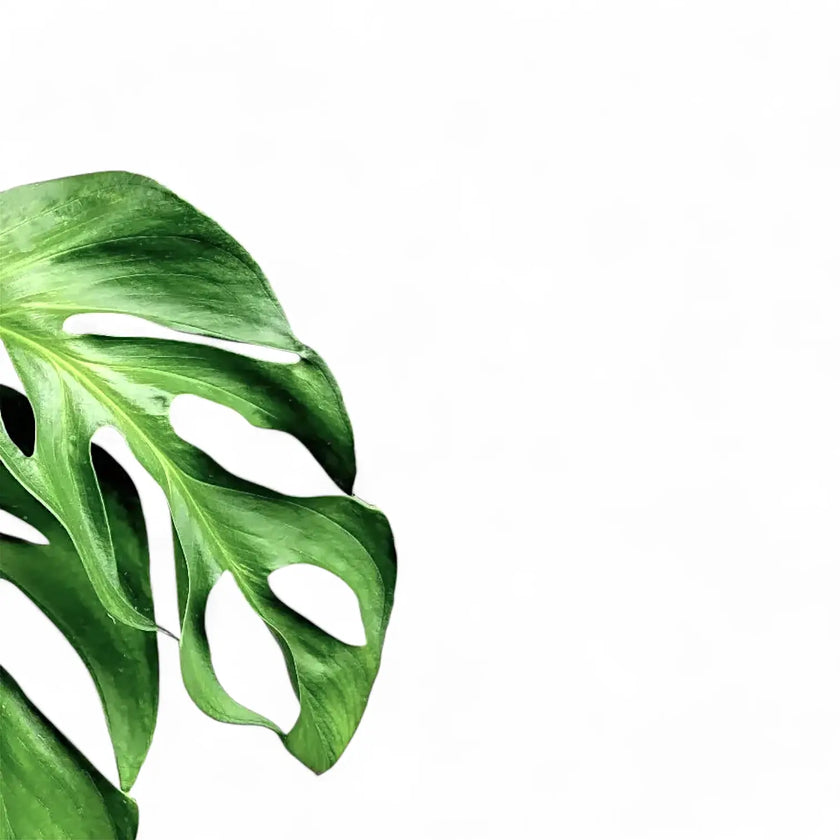
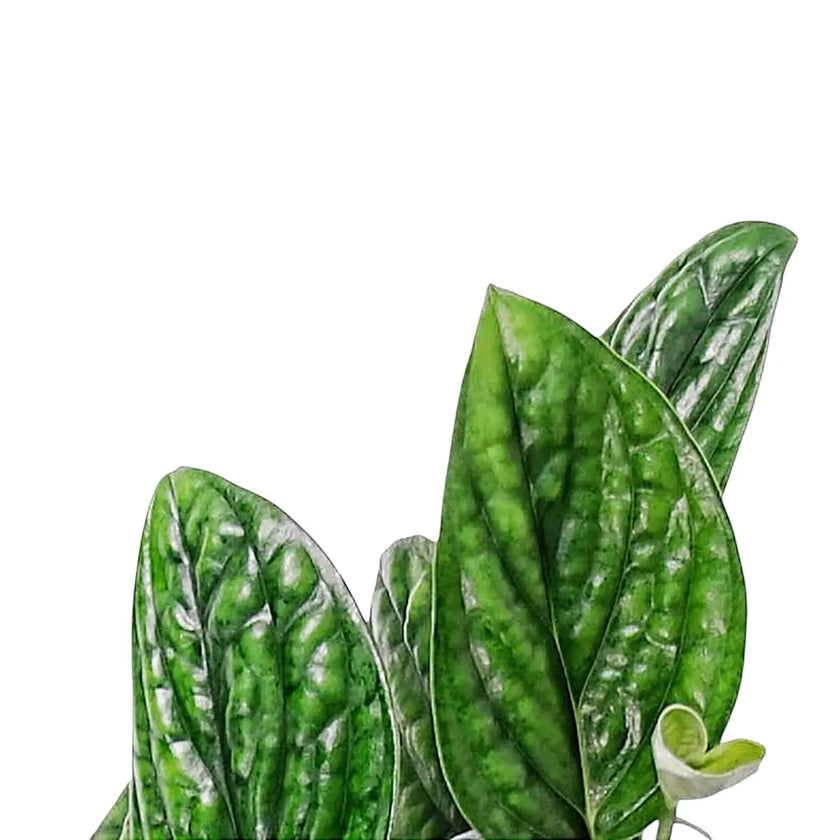
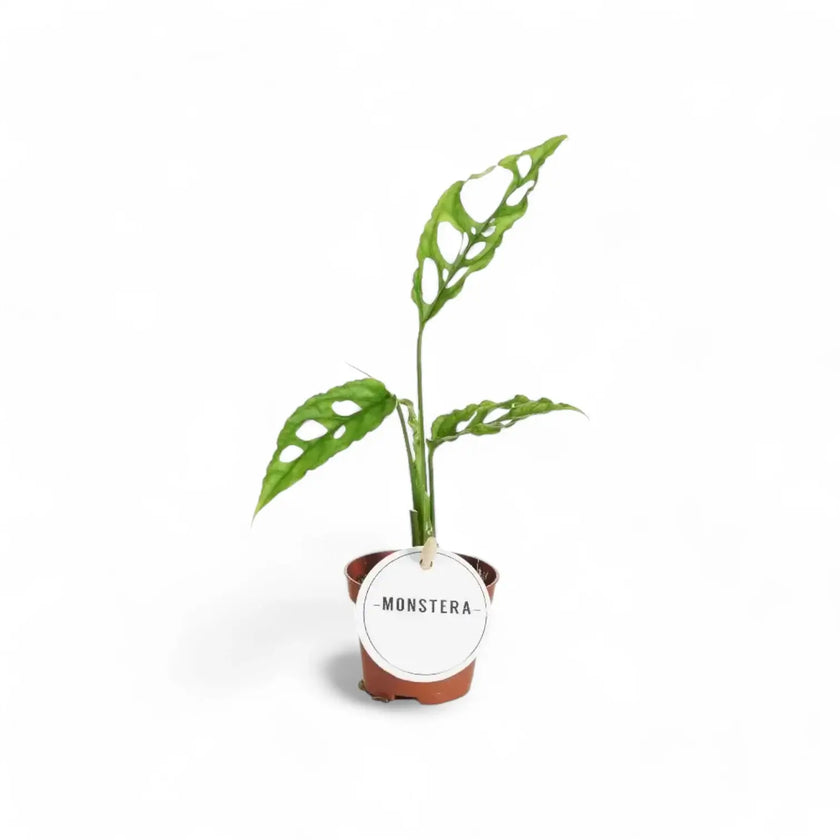
Monstera 'Burle Marx's Flame' leaf close-up on white background.Monstera 'Burle Marx's Flame' potted houseplant in nursery pot on white background, product photo 3.
Monstera 'Burle Marx's Flame' PriceFrom €23,50
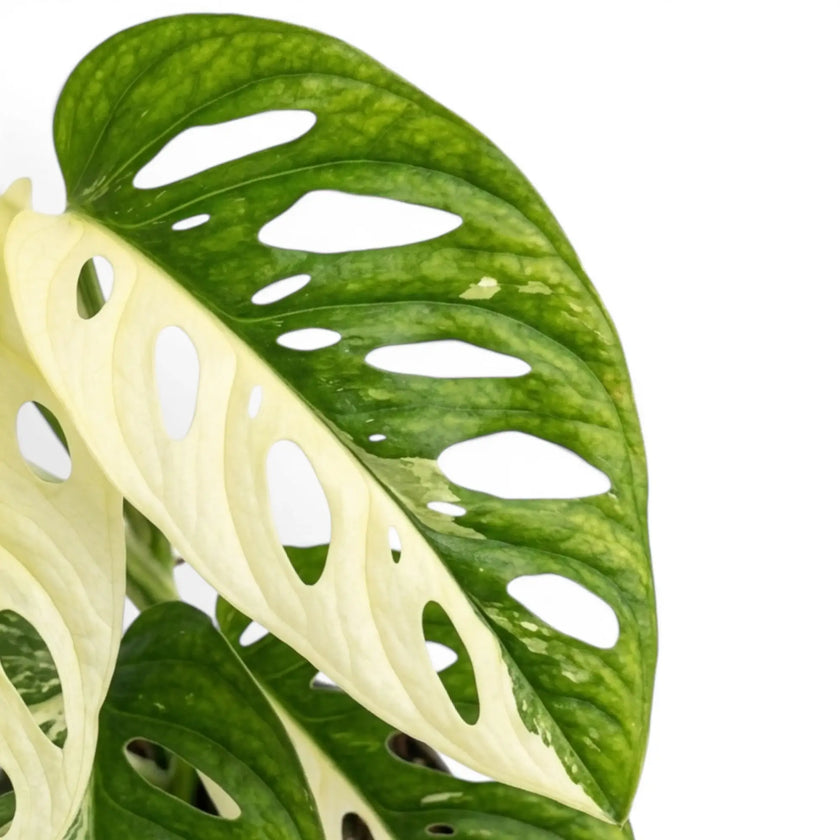
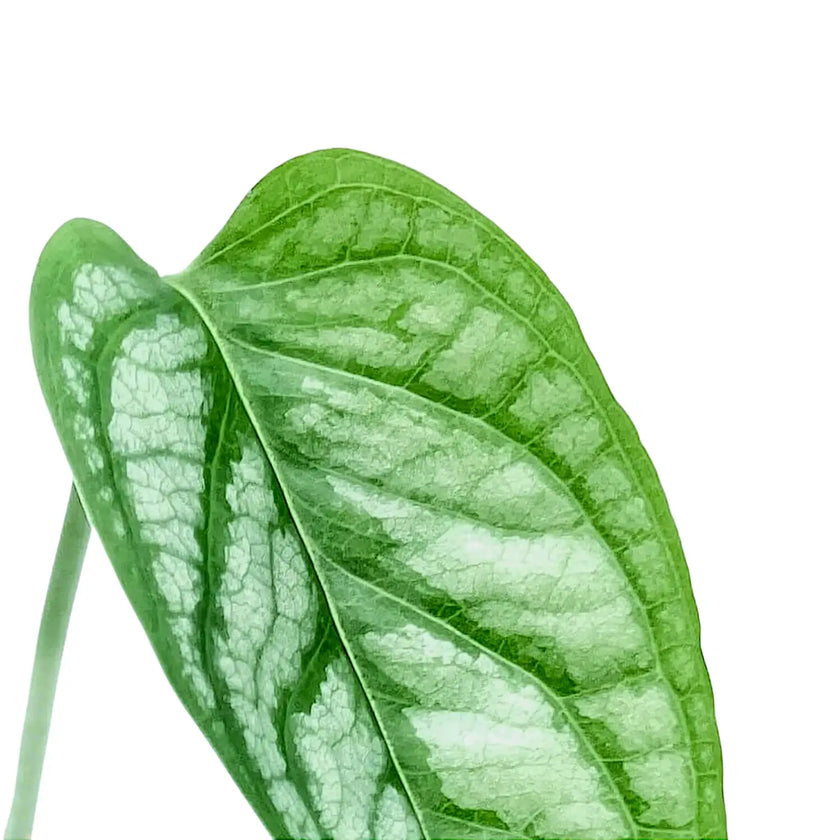
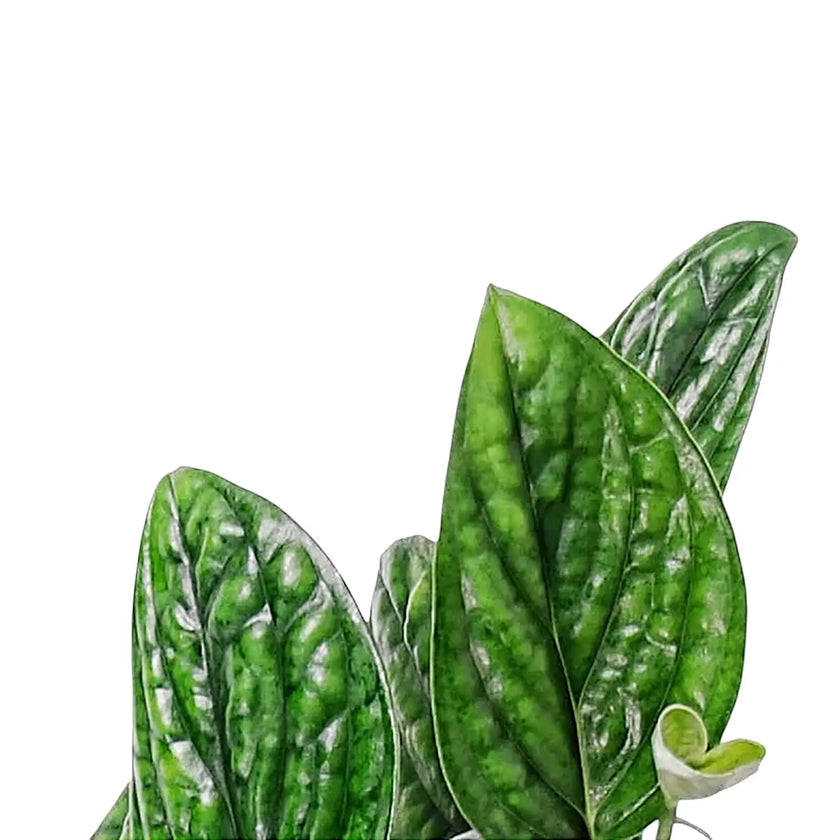
Monstera 'Crème Brûlée' leaf close-up on white background.Monstera 'Crème Brûlée' potted houseplant in nursery pot on white background, product photo 2.
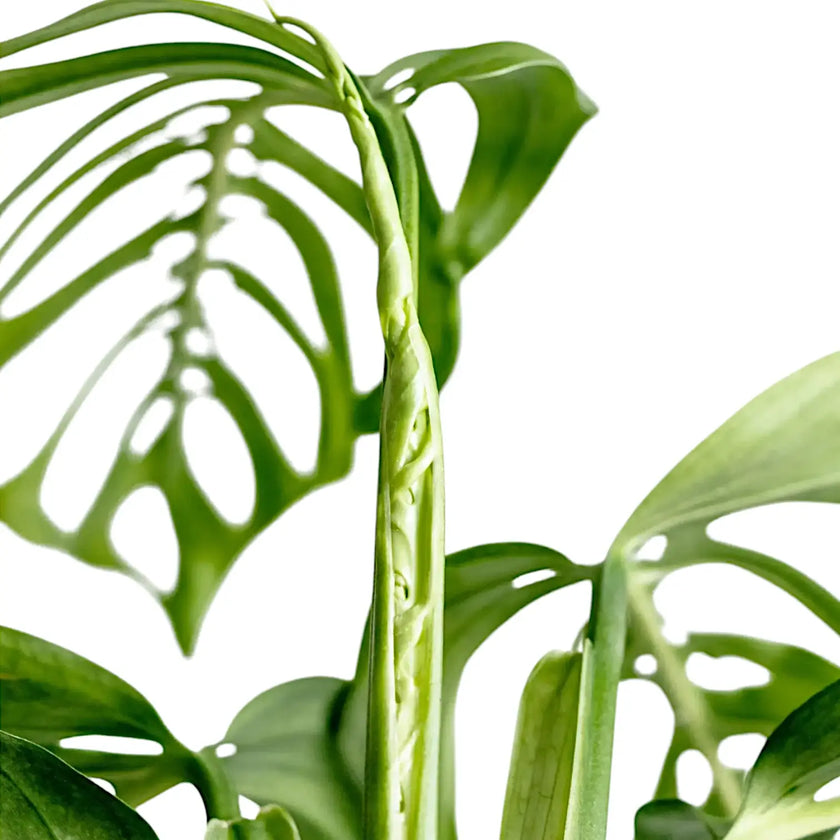
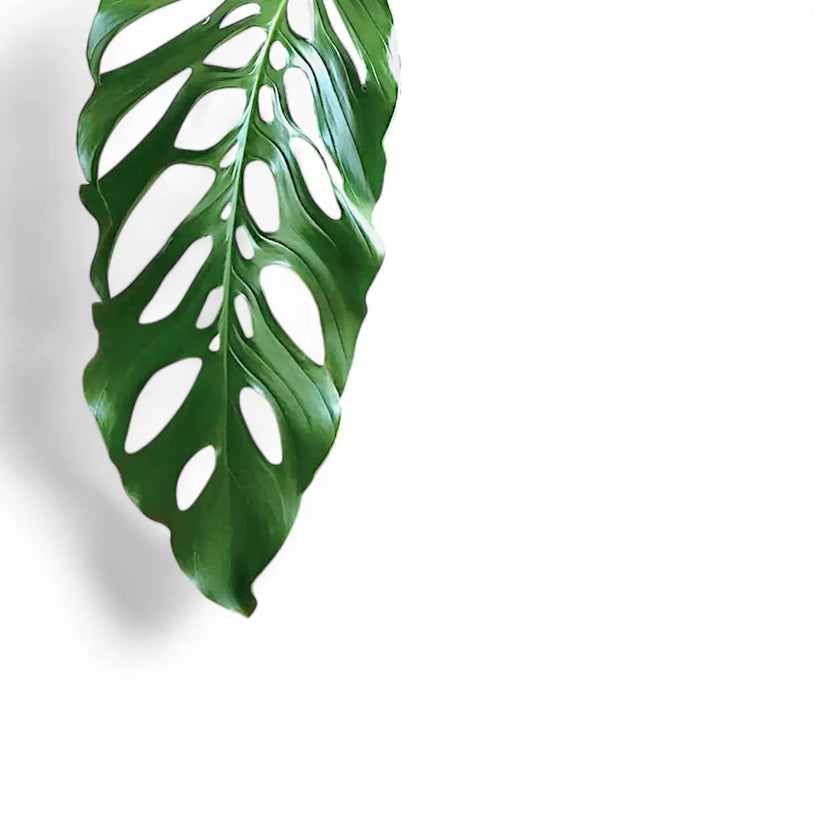
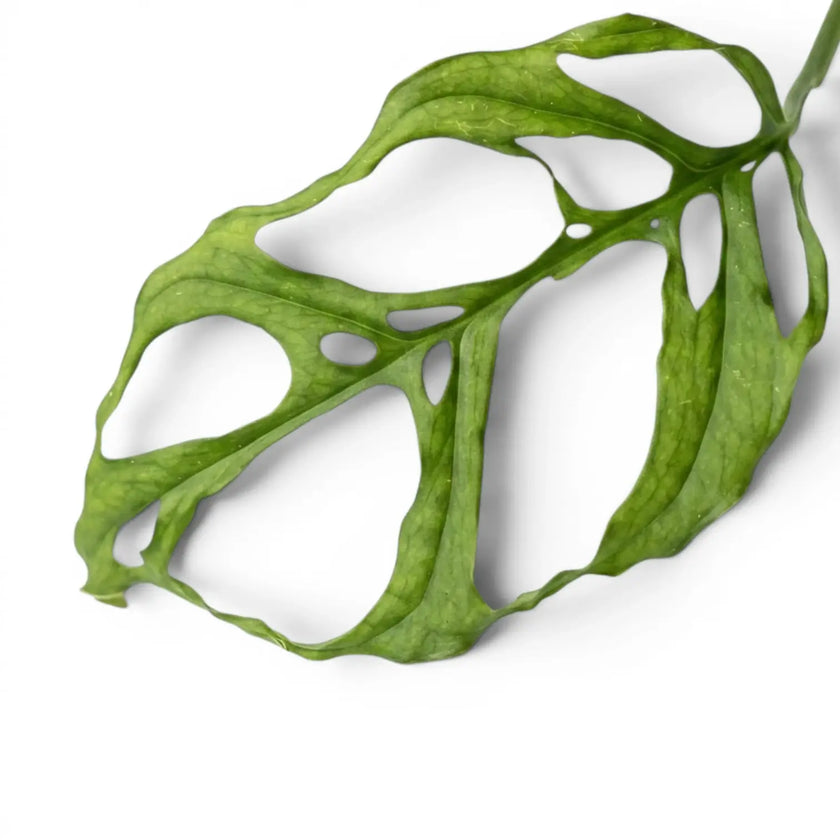
Monstera 'Esqueleto' leaf close-up on white background.Monstera 'Esqueleto' potted houseplant in nursery pot on white background, product photo 2.
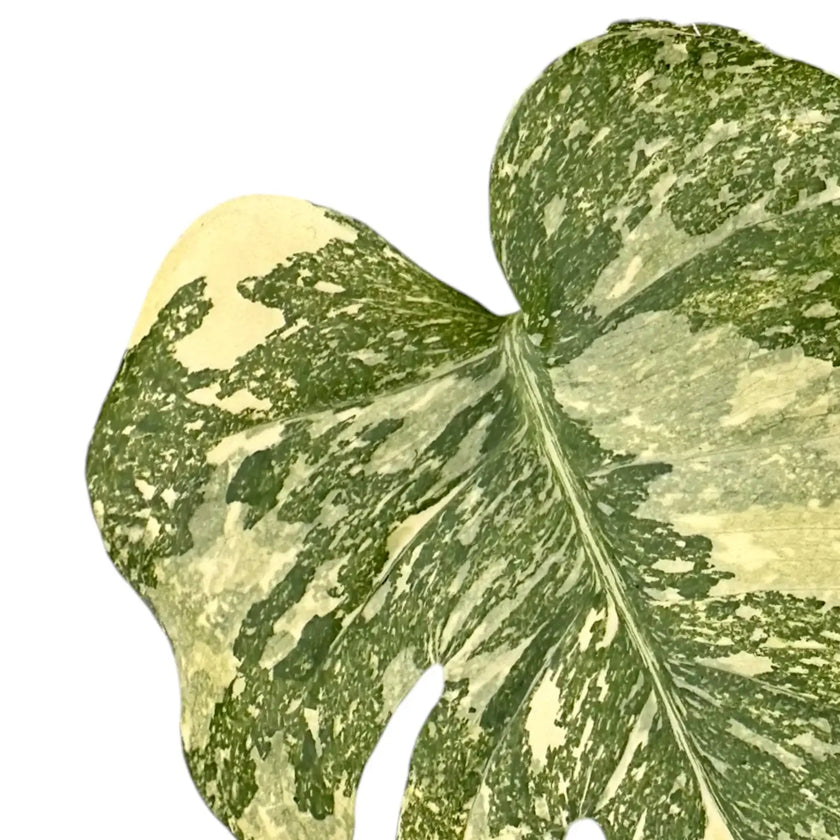
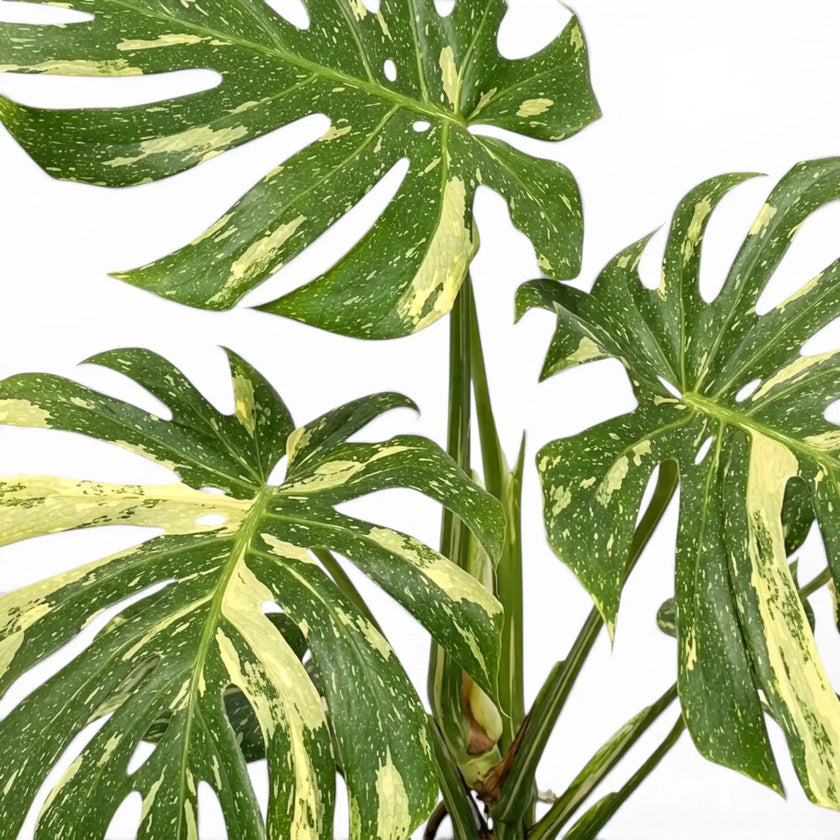
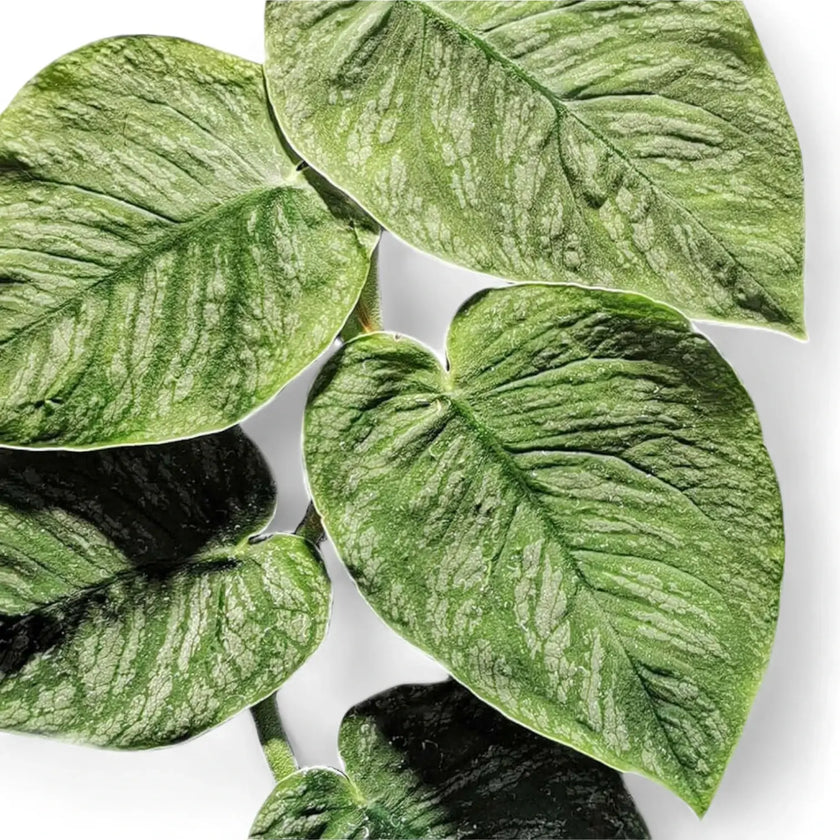
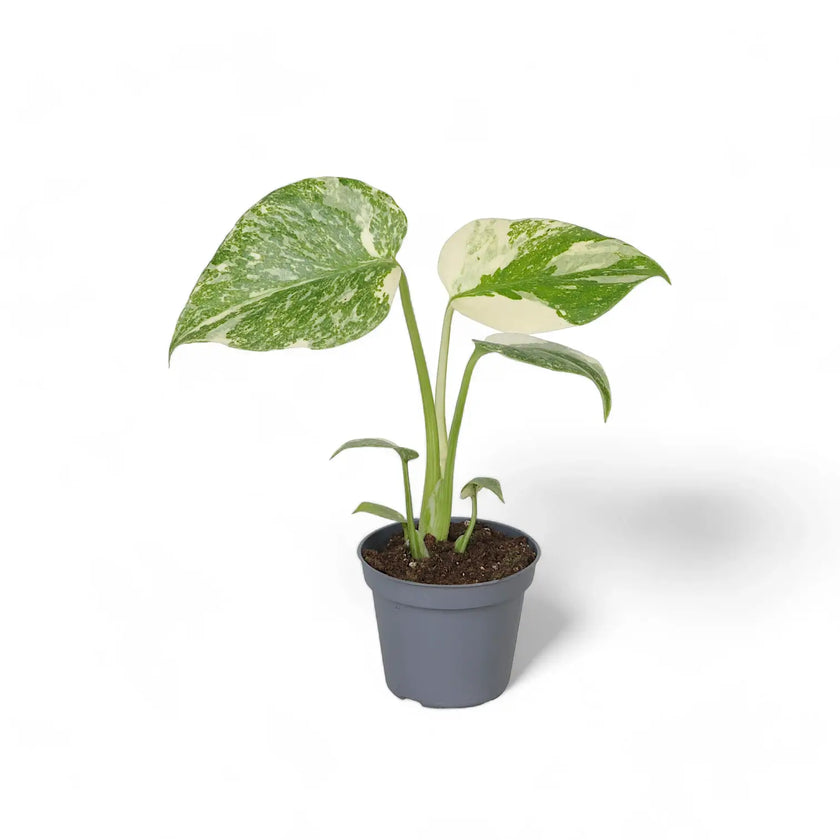
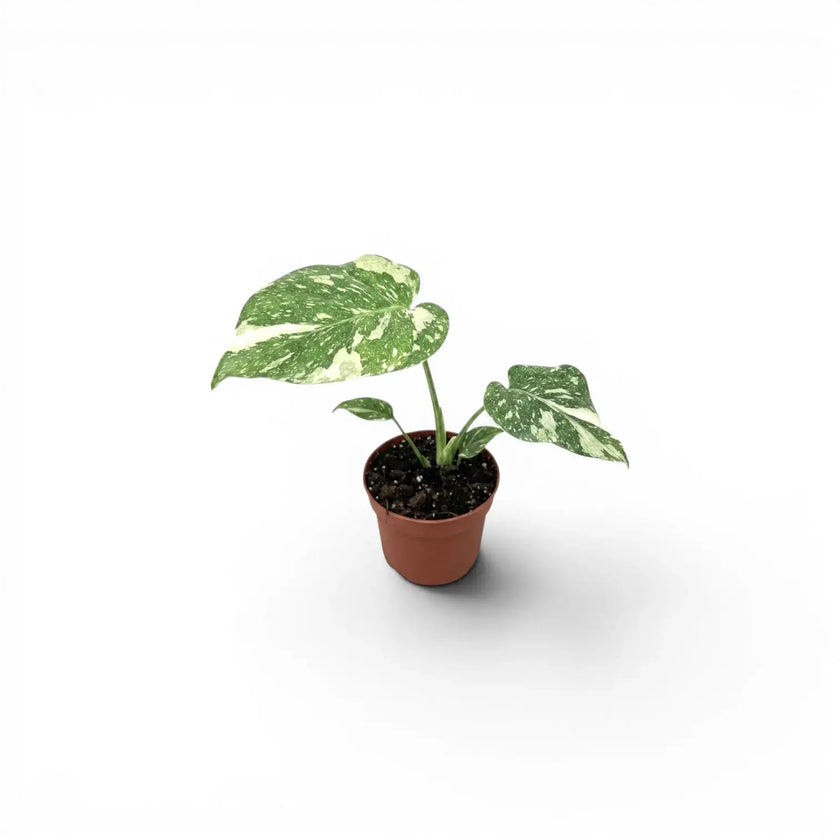
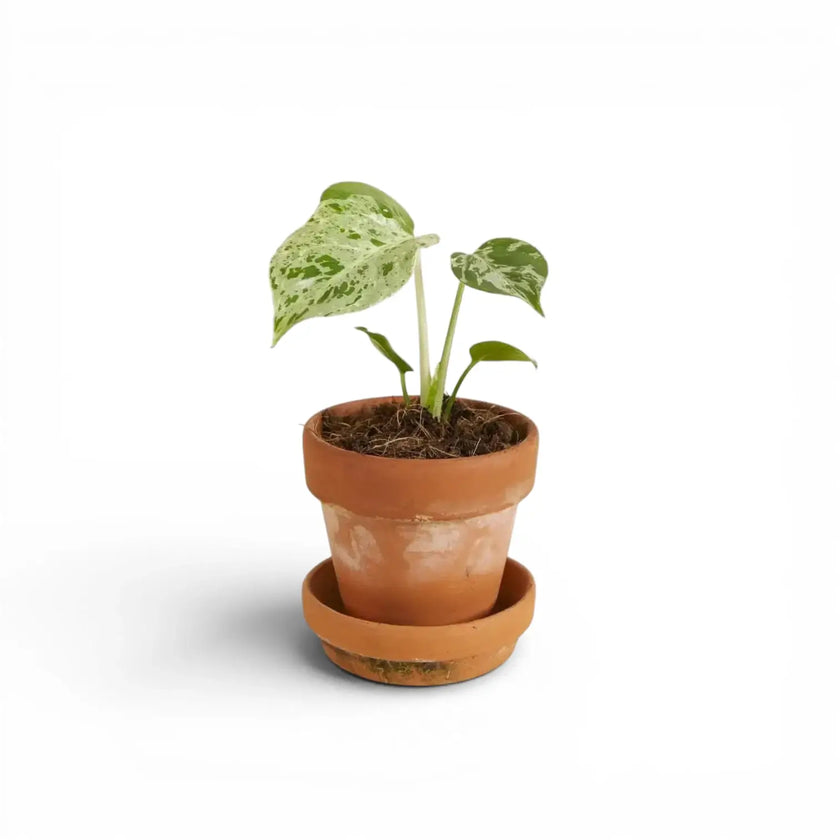
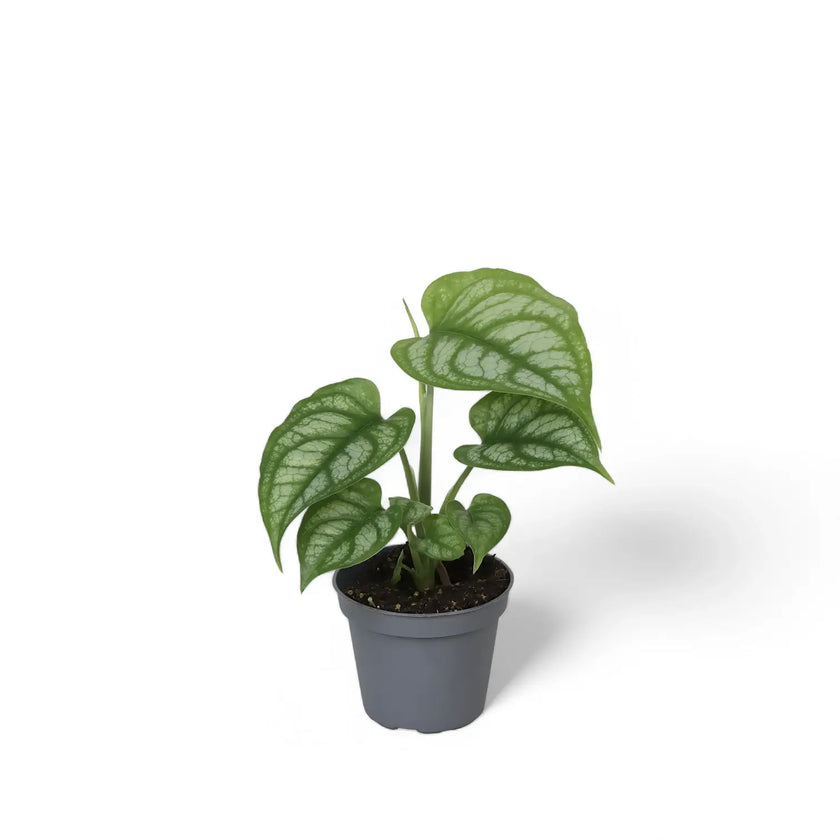
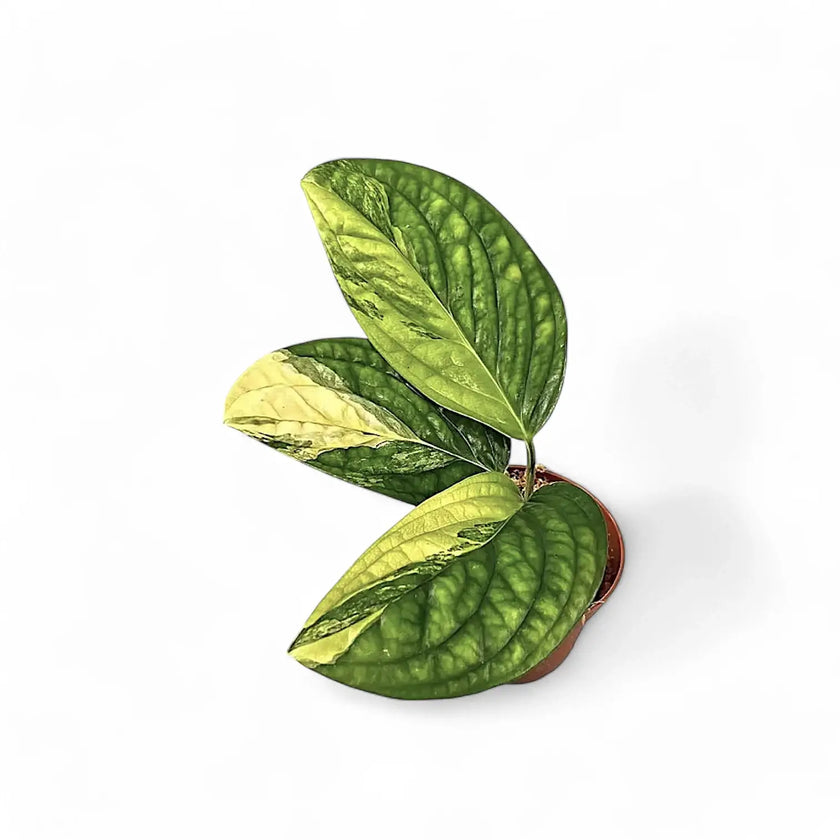
Monstera 'Thai Constellation' leaf close-up on white background.Monstera 'Thai Constellation' potted houseplant in nursery pot on white background, product photo 3.
Monstera 'Thai Constellation' PriceFrom €24,25
Monstera acacoyaguensis leaf close-up on white background.Monstera acacoyaguensis potted houseplant in nursery pot on white background, product photo 2.
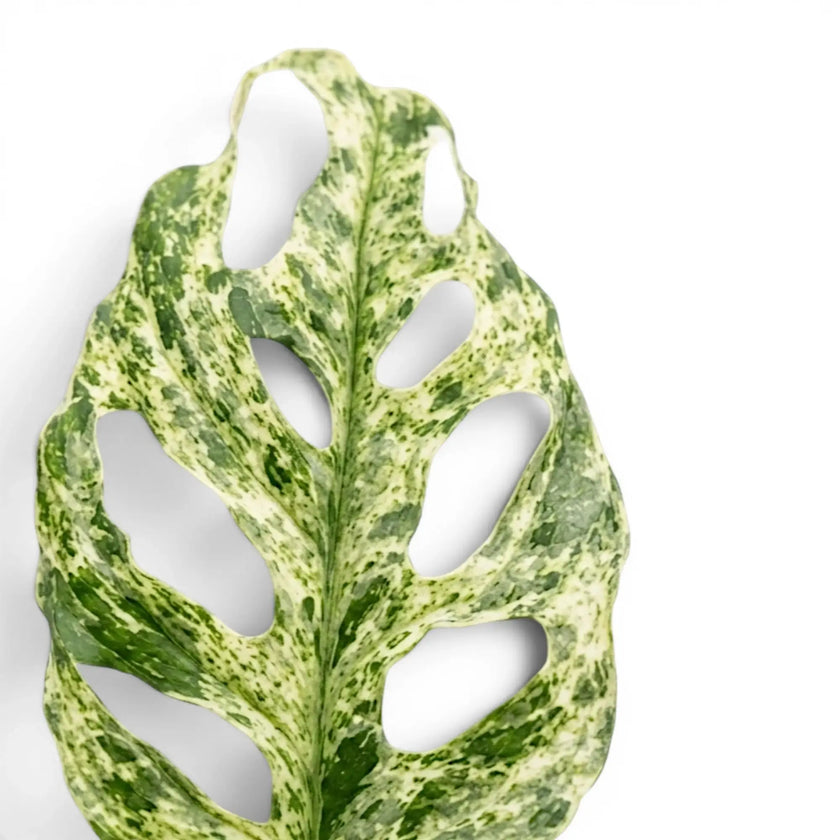
Monstera adansonii 'Frozen Freckles' leaf close-up on white background.Monstera adansonii 'Frozen Freckles' potted houseplant in nursery pot on white background, product photo 3.
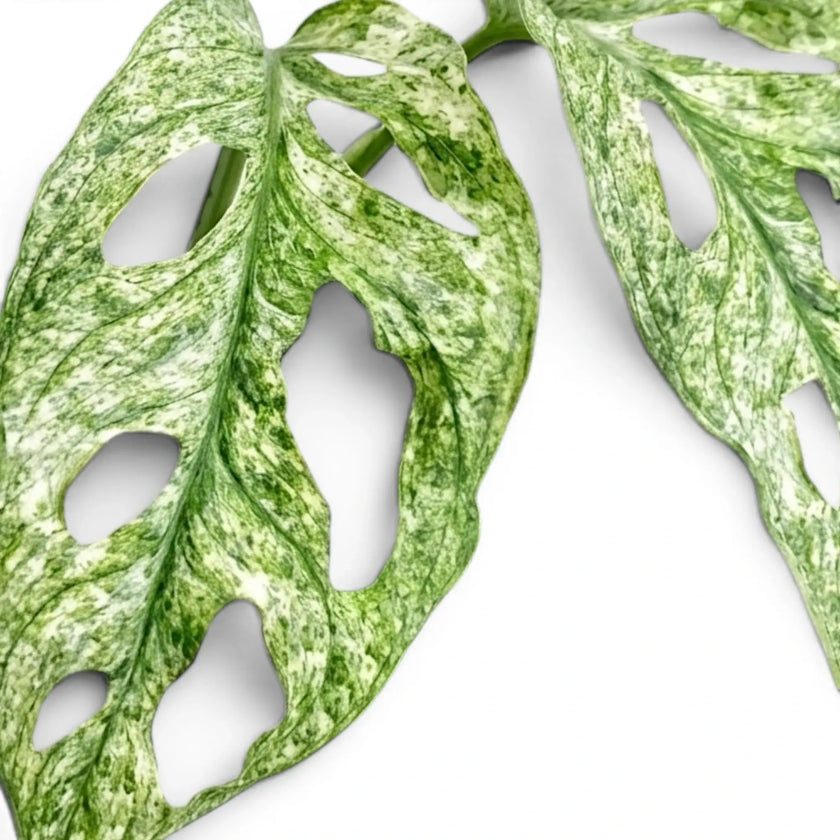
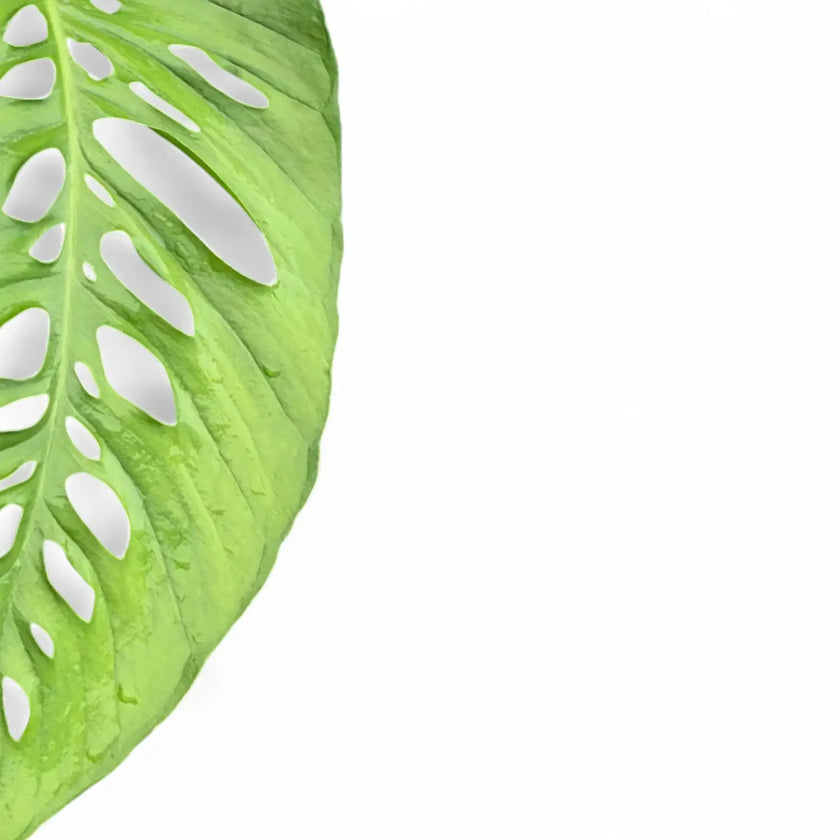
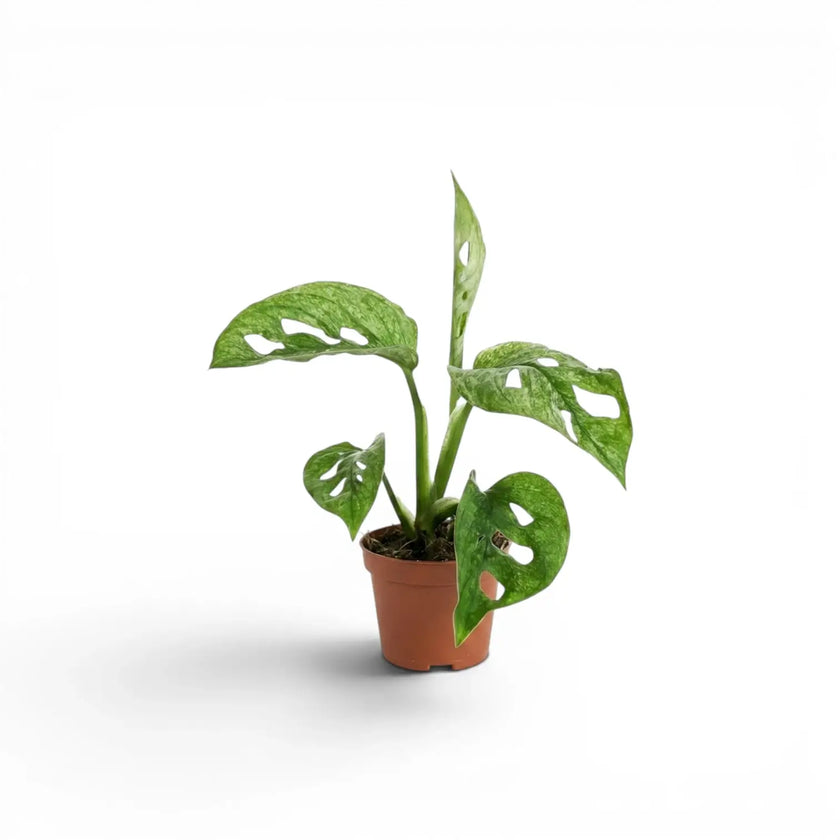
Monstera adansonii 'Indonesian Marble' leaf close-up on white background.Monstera adansonii 'Indonesian Marble' potted houseplant in nursery pot on white background, product photo 2.
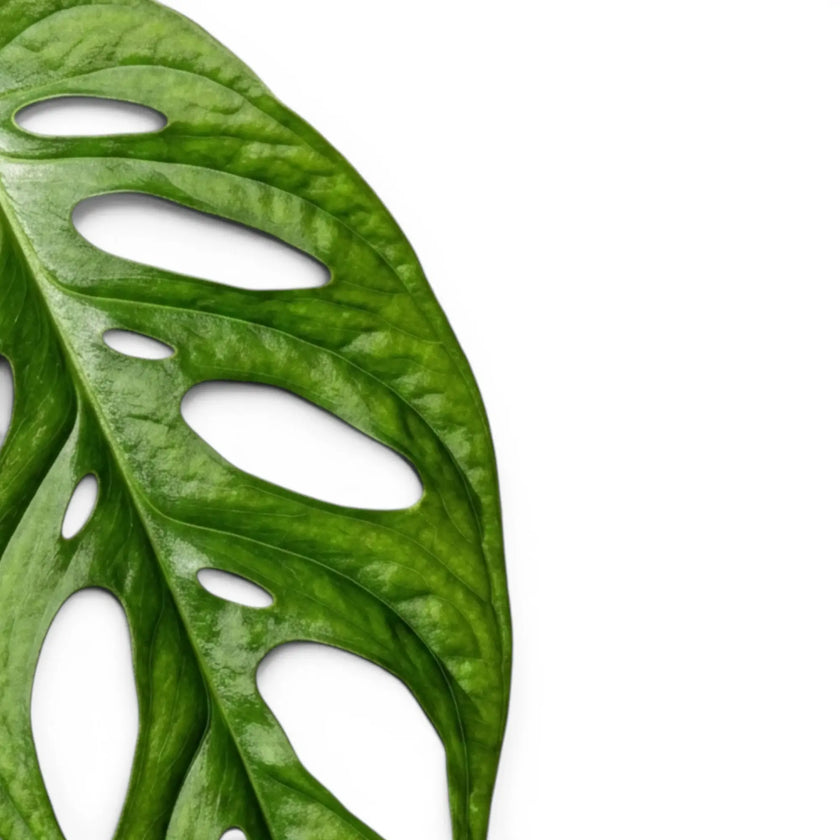
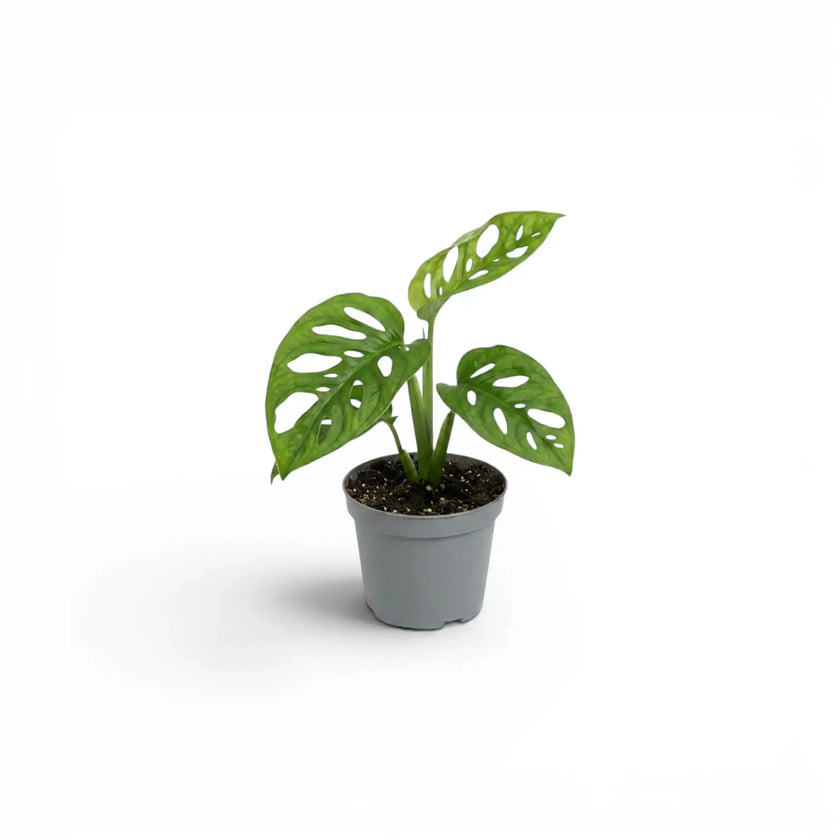
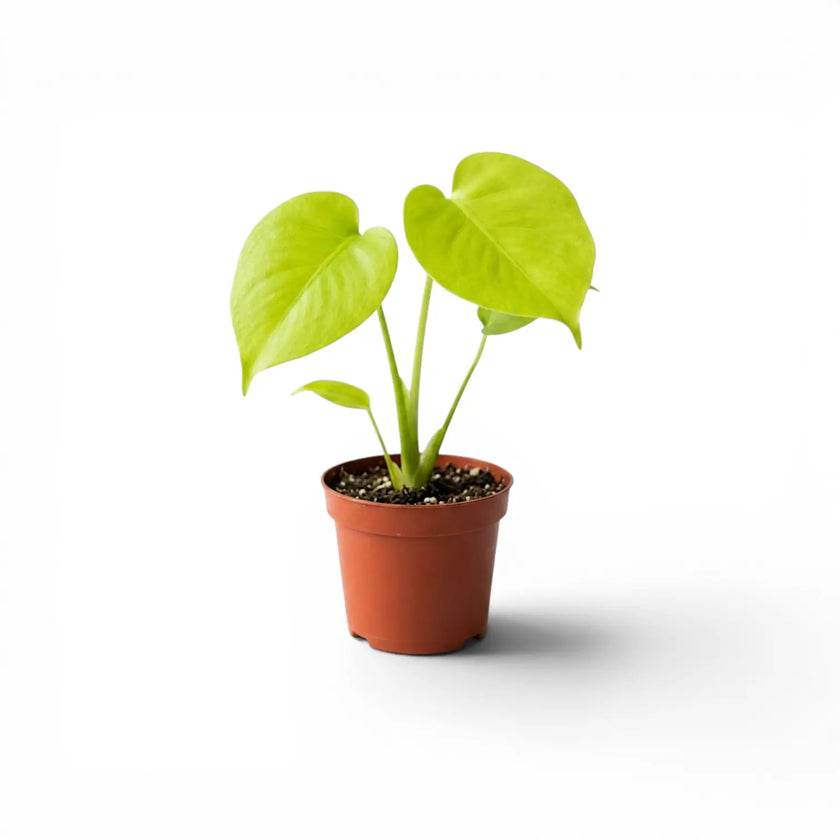
Monstera adansonii 'Mint' leaf close-up on white background.Monstera adansonii 'Mint' potted houseplant in nursery pot on white background, product photo 3.
Monstera adansonii 'Mint' PriceFrom €11,00
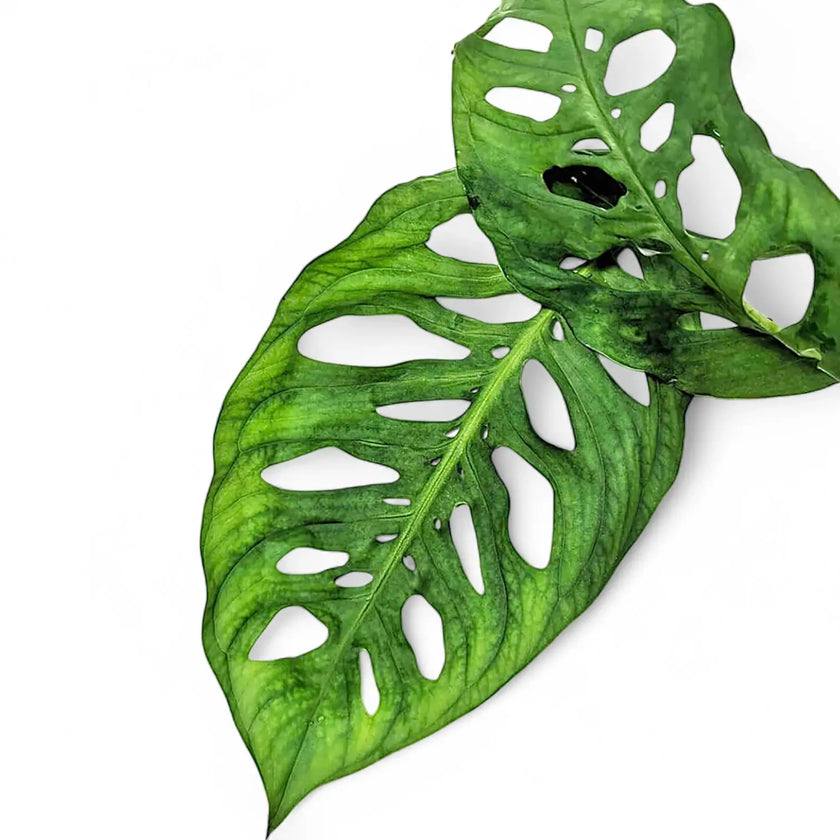
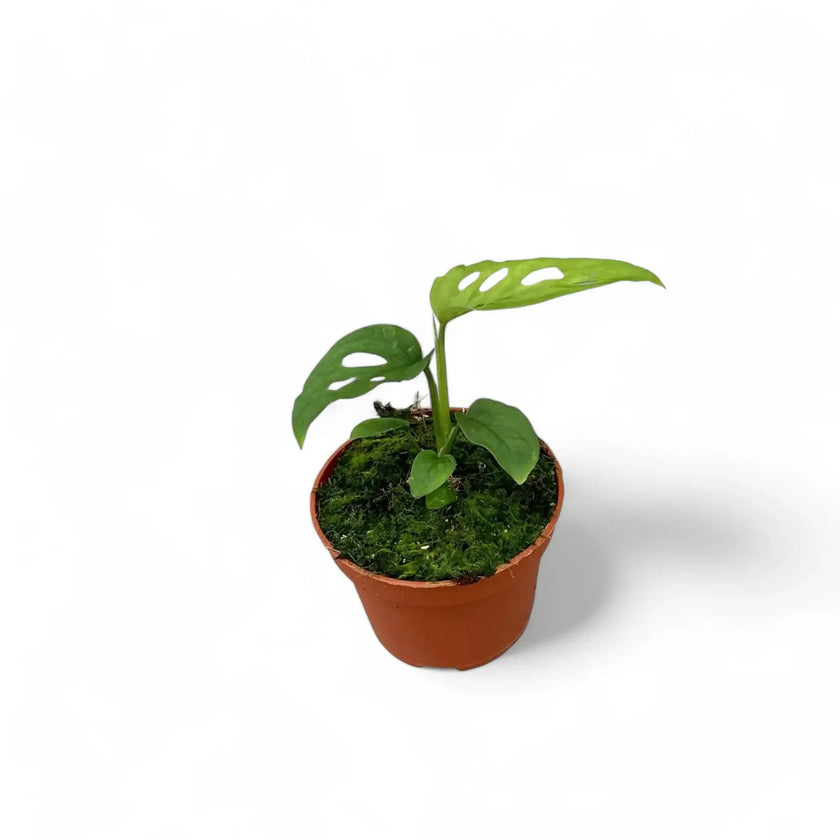
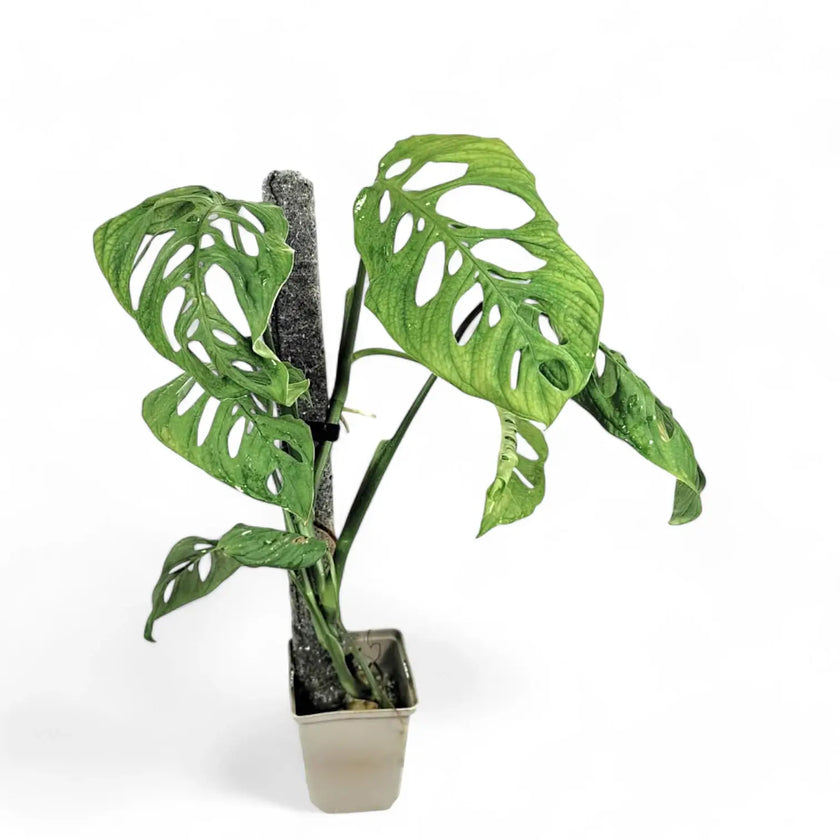
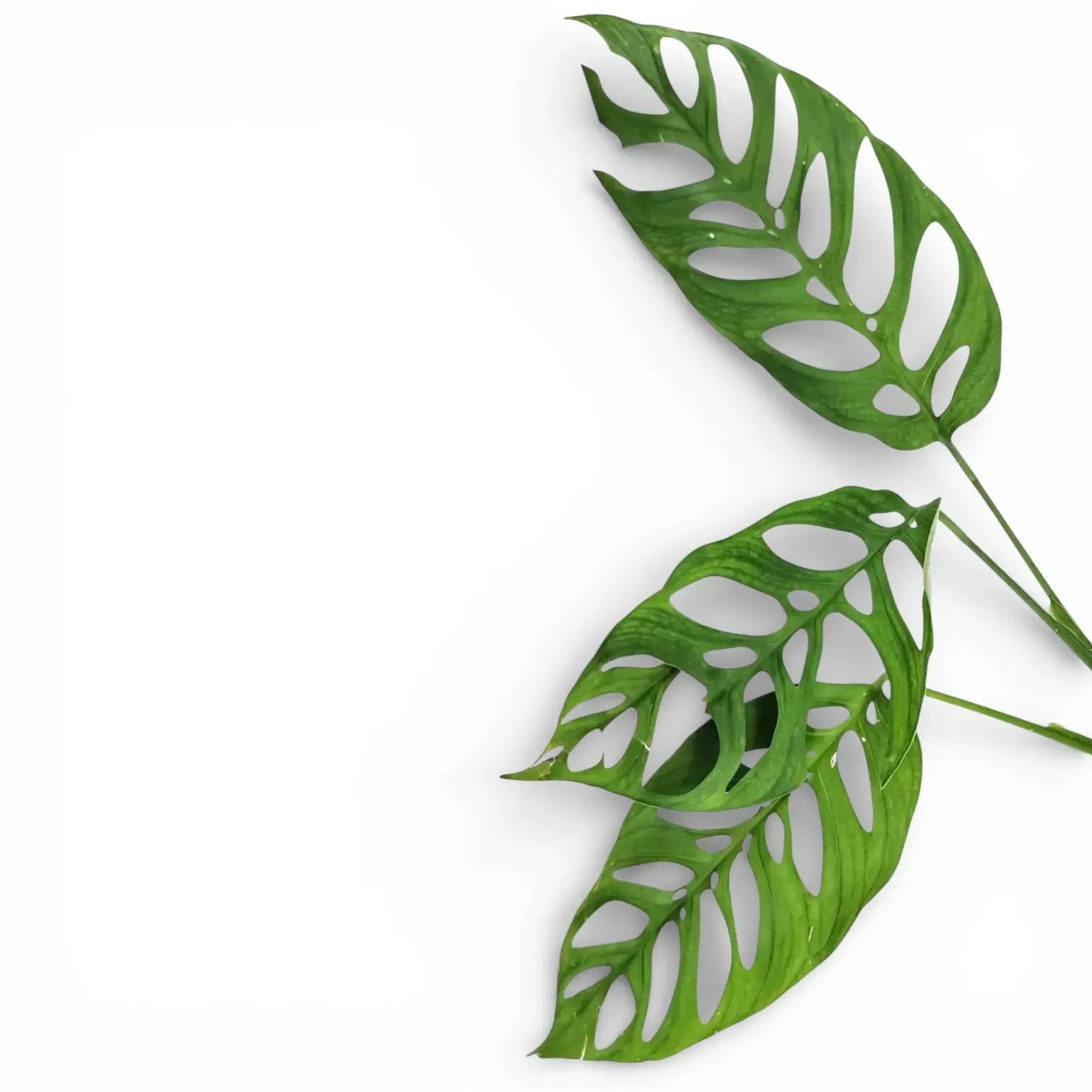
Monstera adansonii 'Monkey leaf' leaf close-up on white background.Monstera adansonii 'Monkey leaf' potted houseplant in nursery pot on white background, product photo 8.
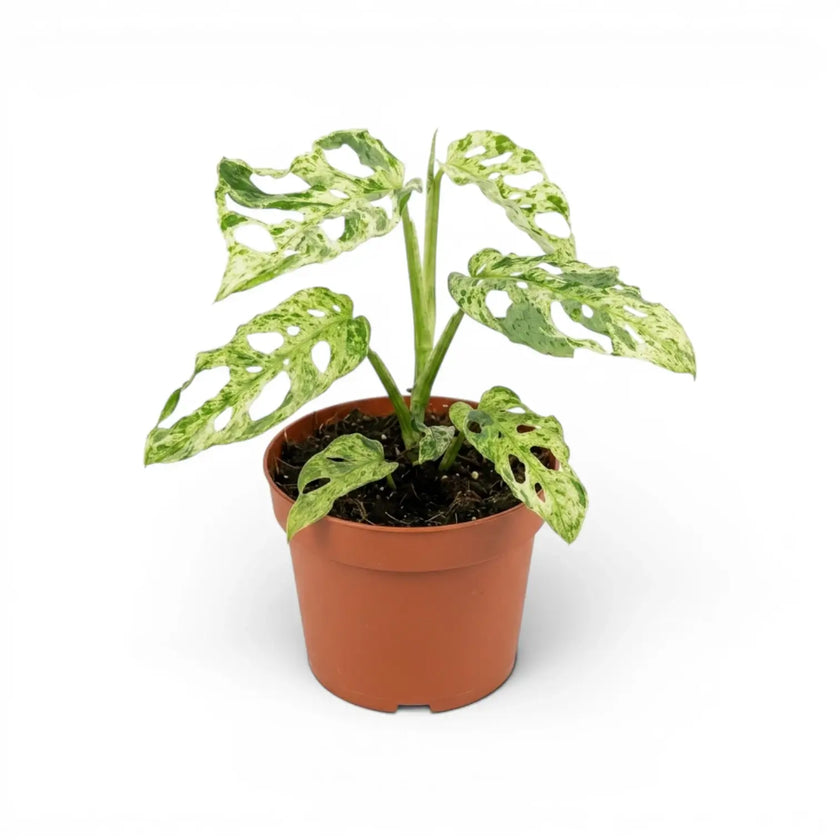
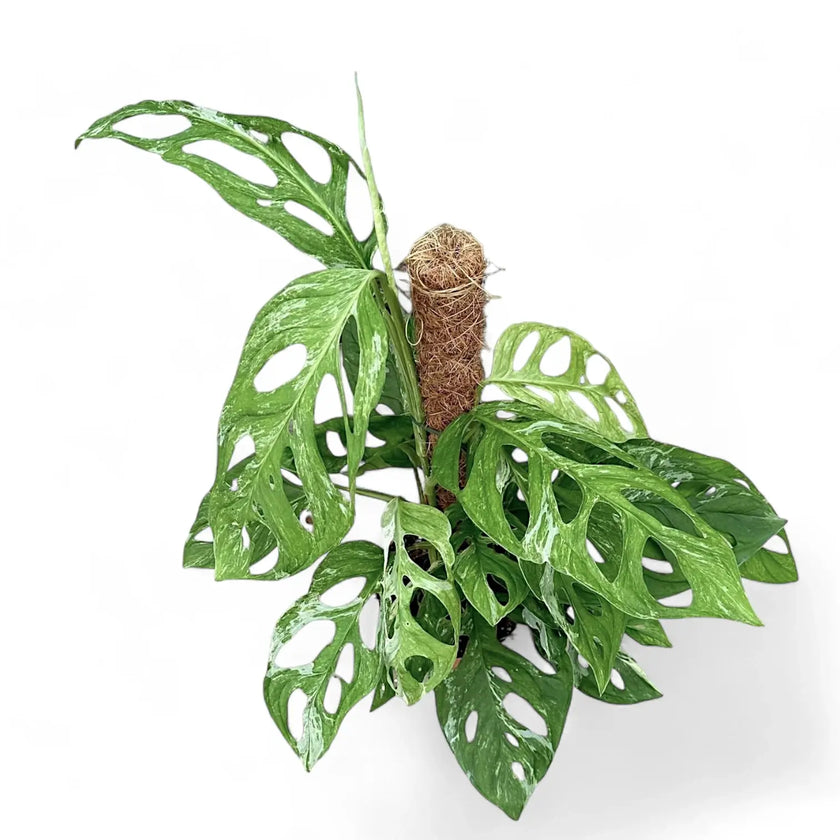
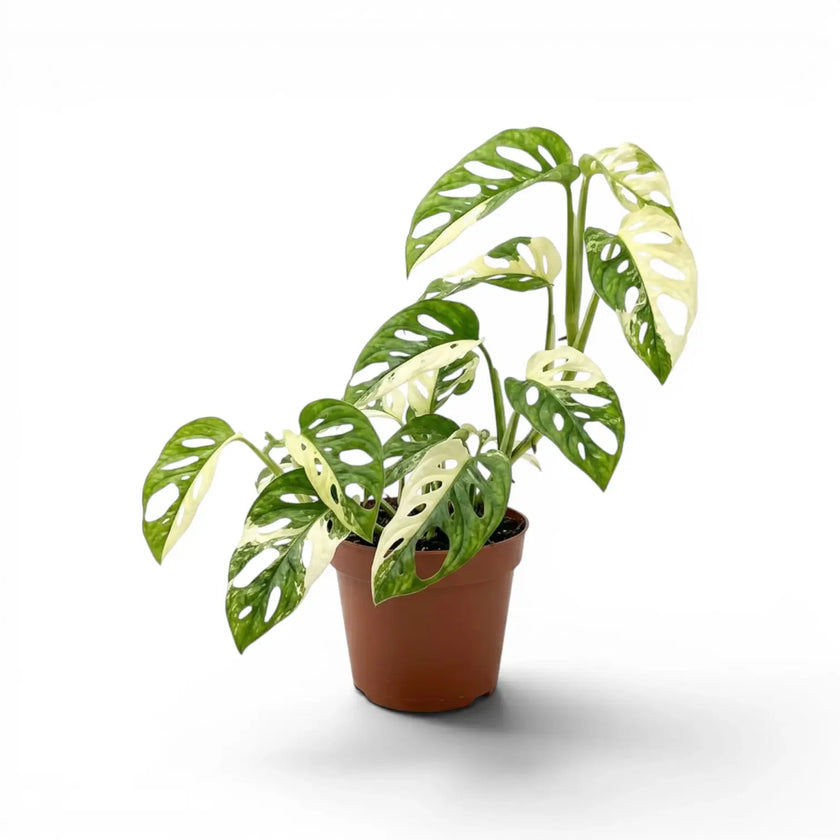
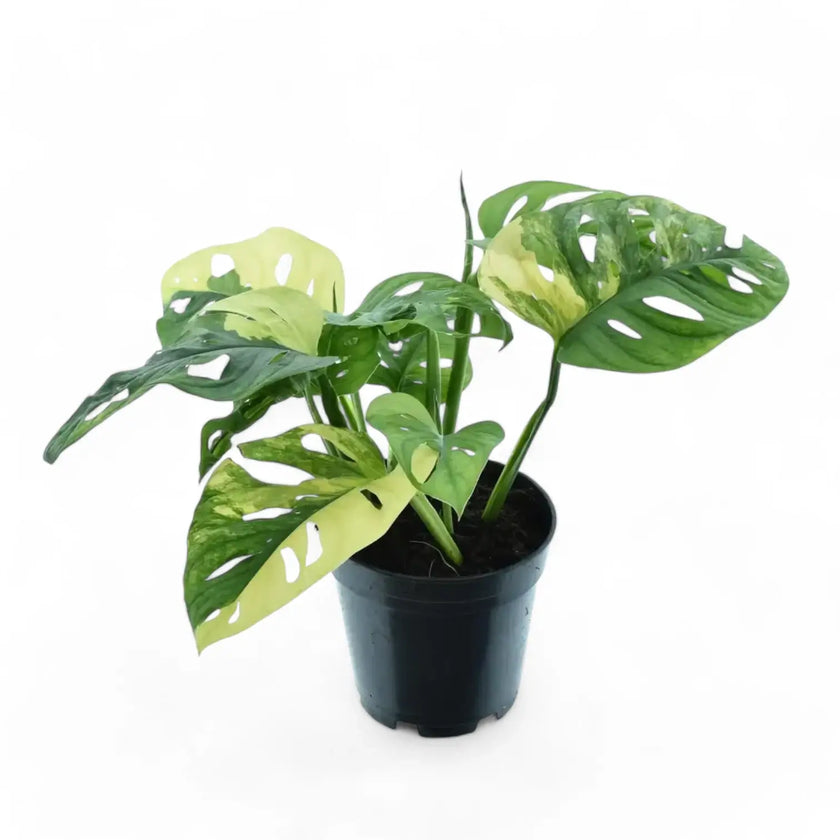
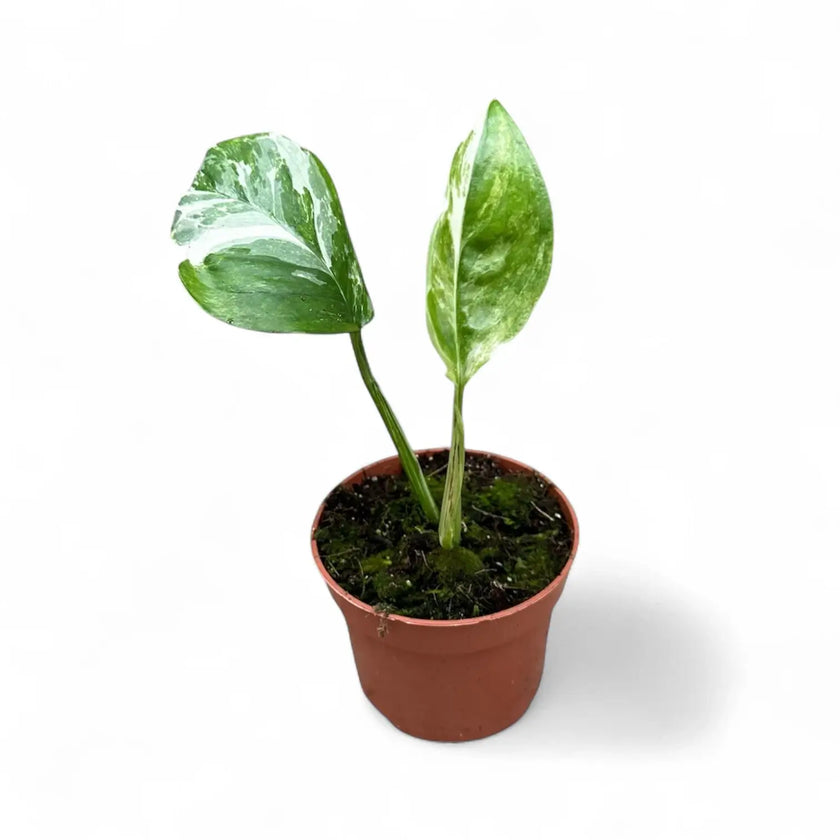
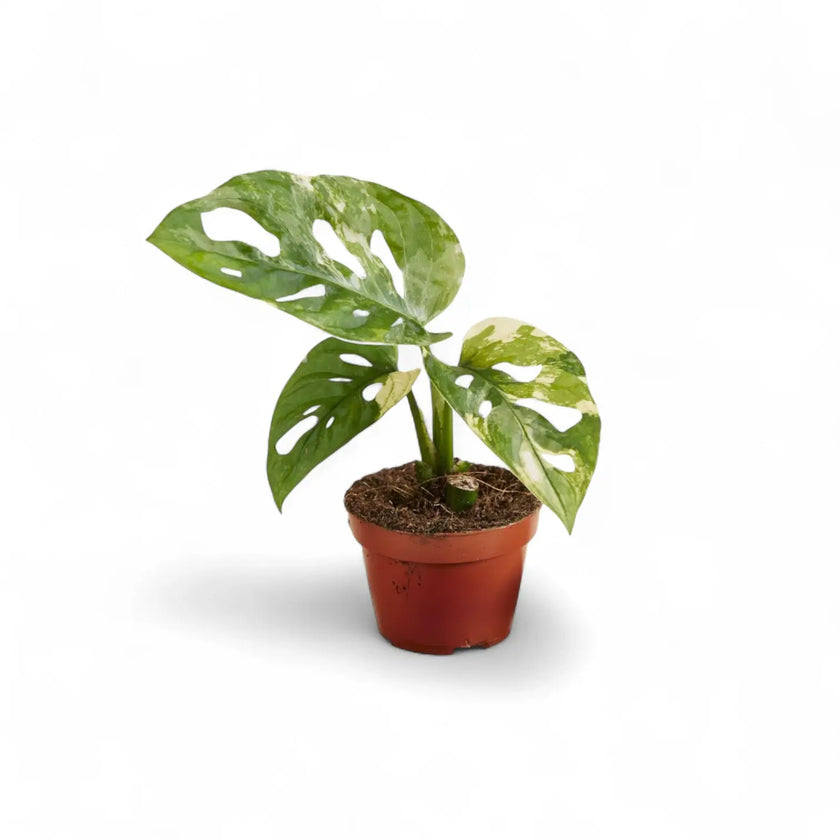
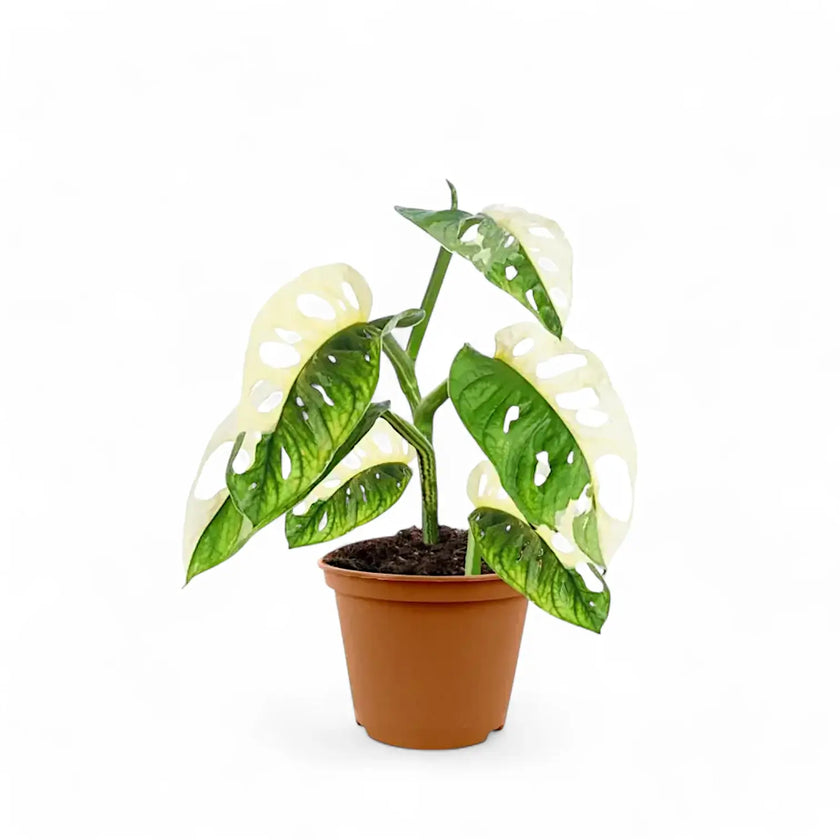
Monstera adansonii variegata potted houseplant in nursery pot on white background, product photo 1.Monstera adansonii variegata potted houseplant in nursery pot on white background, product photo 2.
Monstera adansonii variegata PriceFrom €39,00
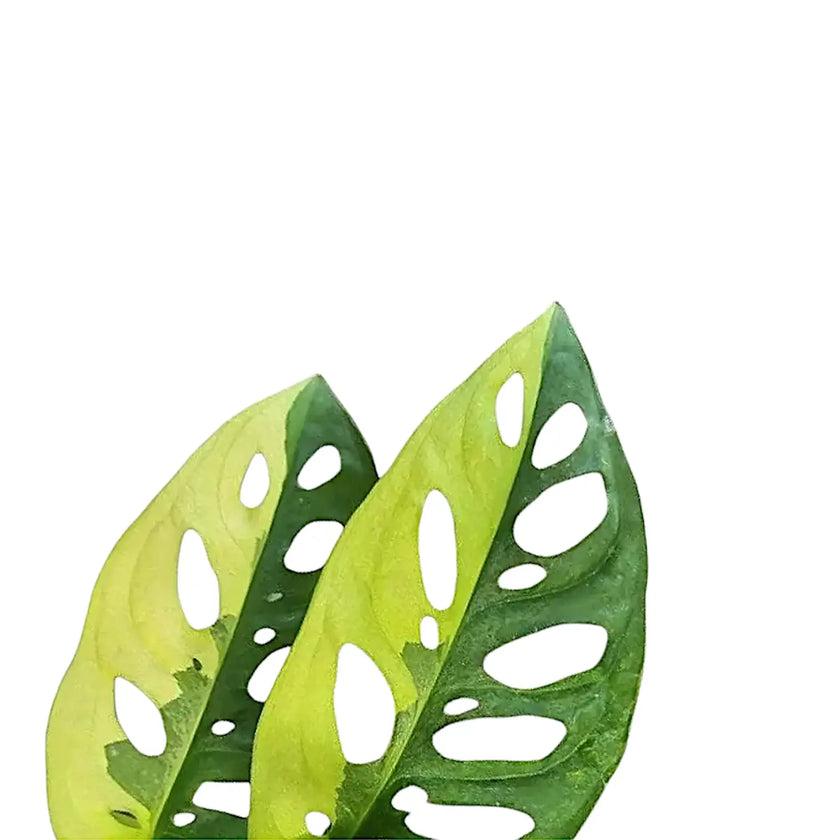
Monstera adansonii variegata 'Aurea' leaf close-up on white background.Monstera adansonii variegata 'Aurea' potted houseplant in nursery pot on white background, product photo 2.
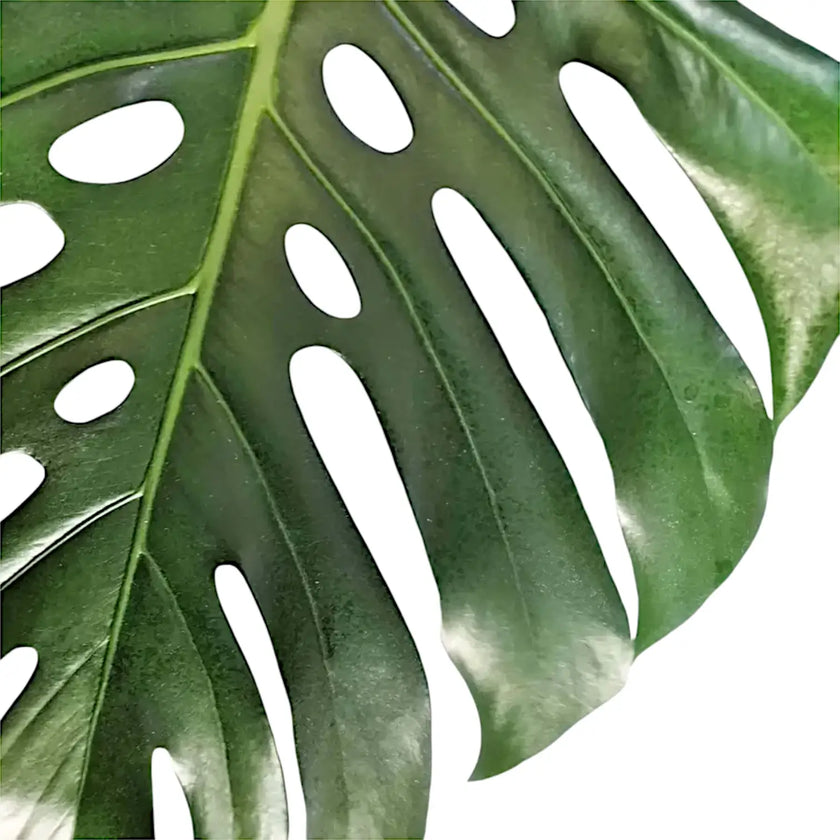
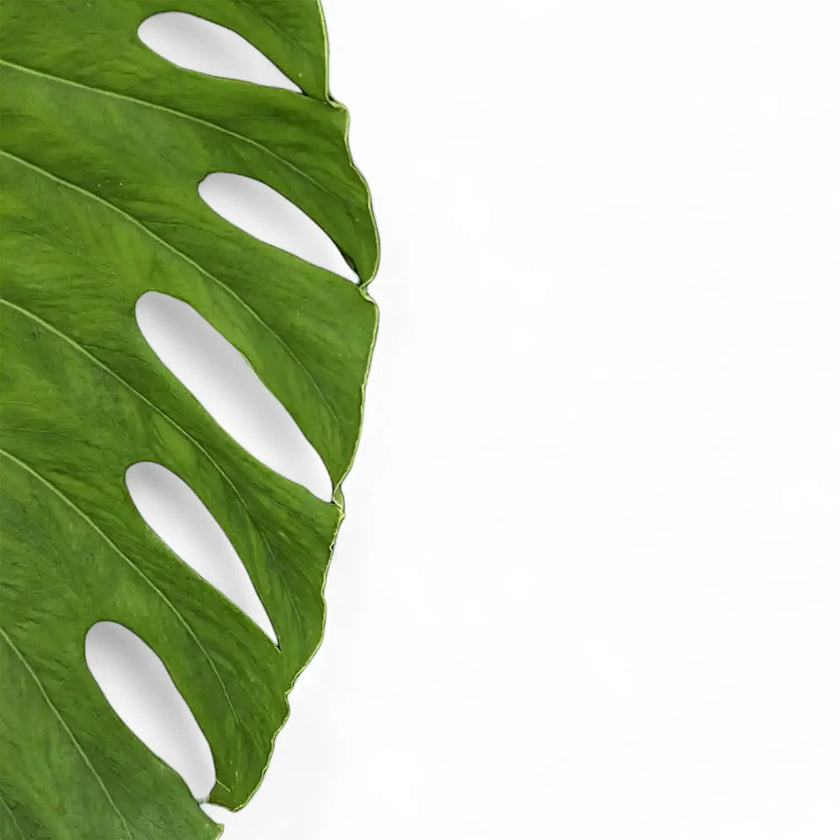
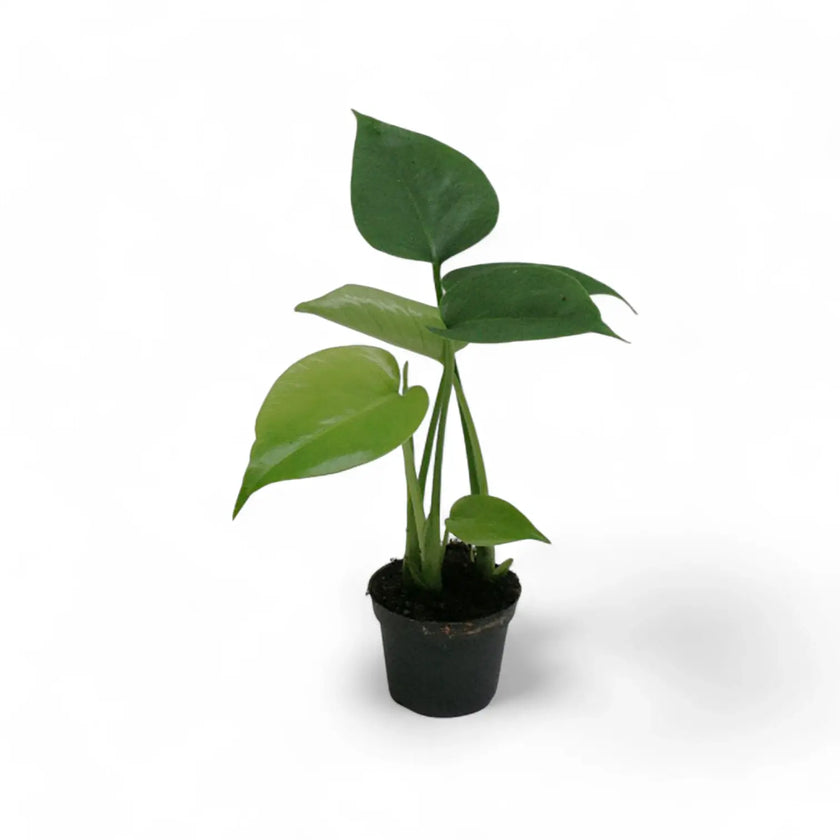
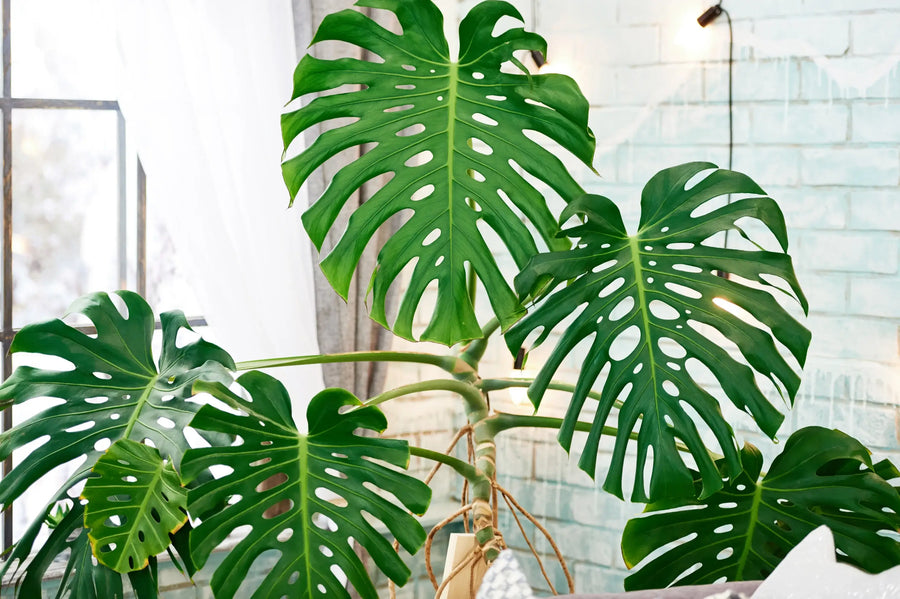
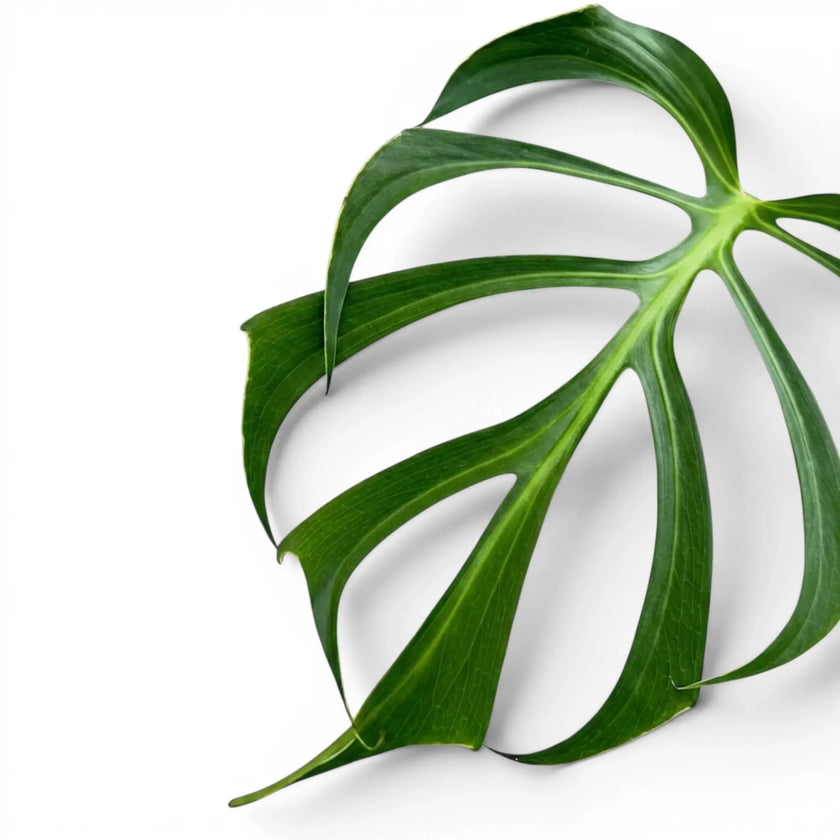
Monstera deliciosa leaf close-up on white background.Monstera deliciosa potted houseplant in nursery pot on white background, product photo 6.
Monstera deliciosa PriceFrom €5,75
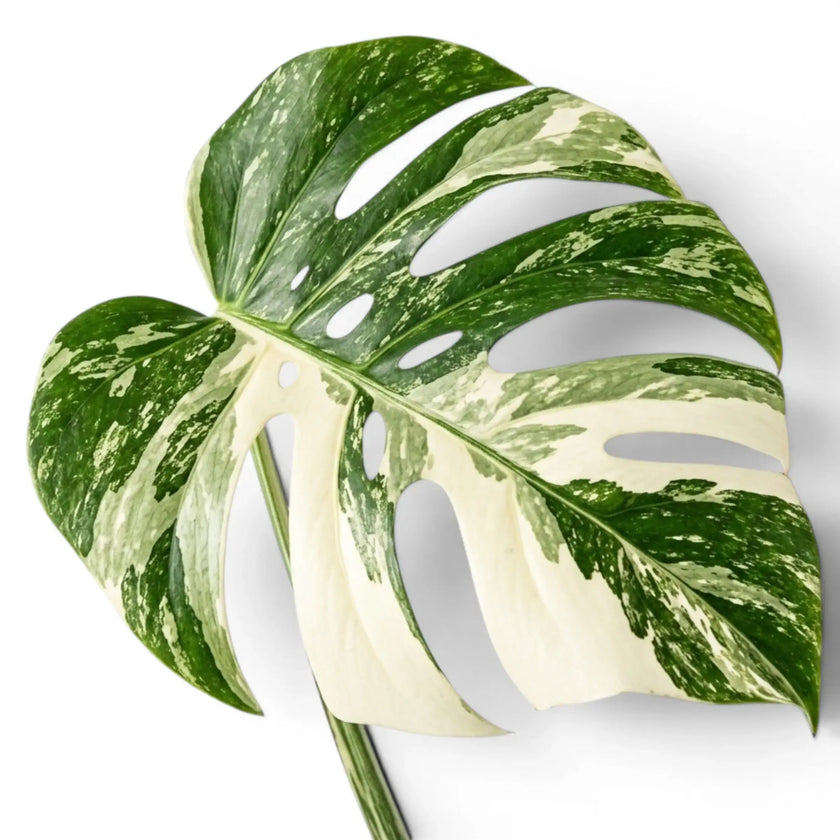
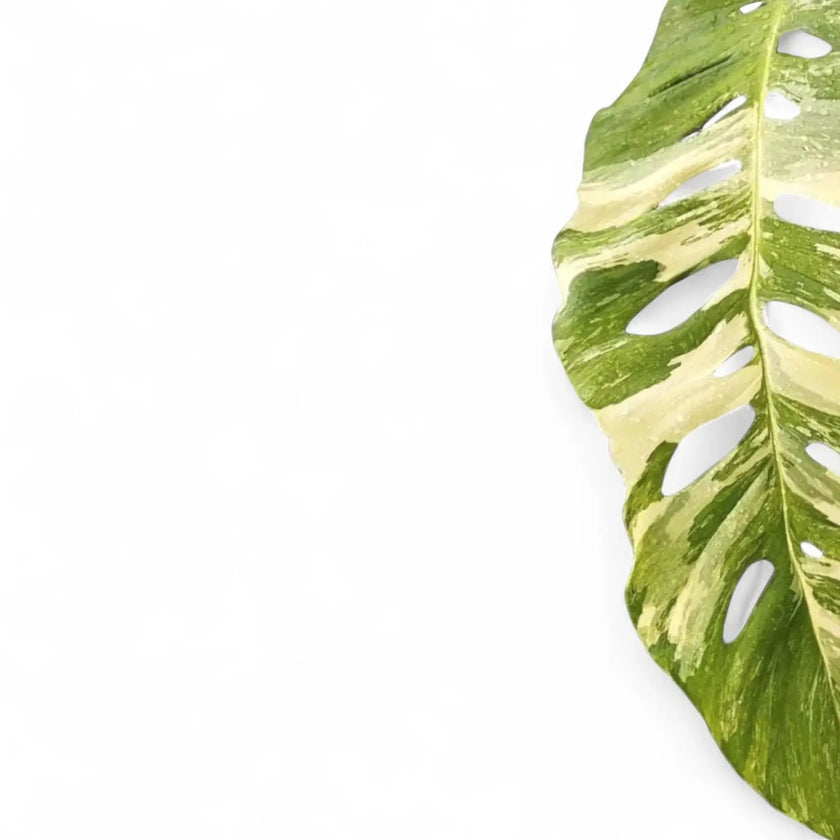
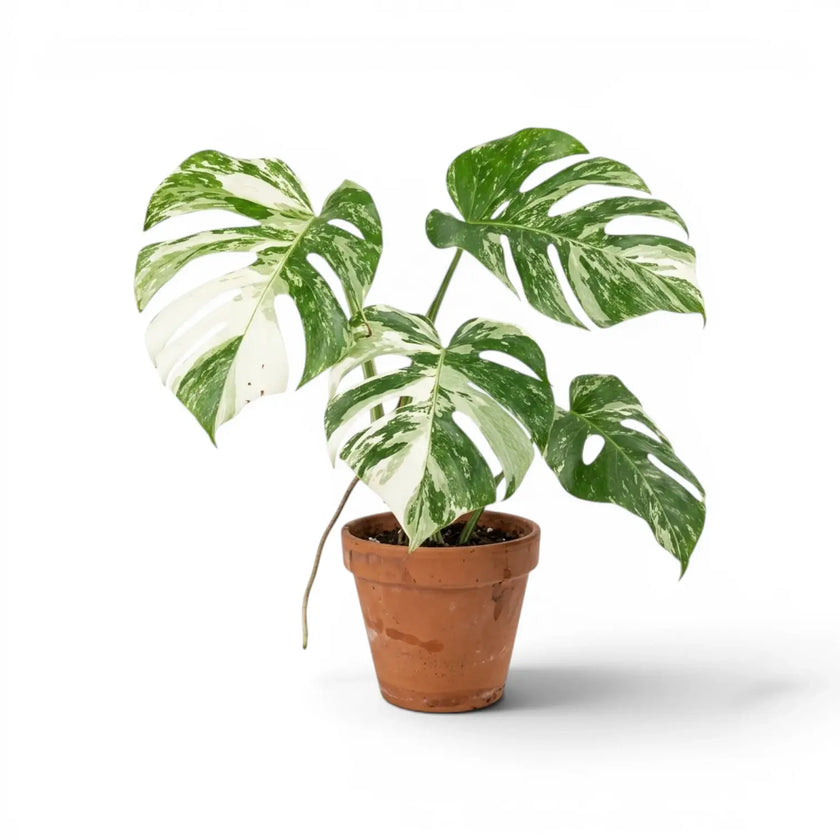
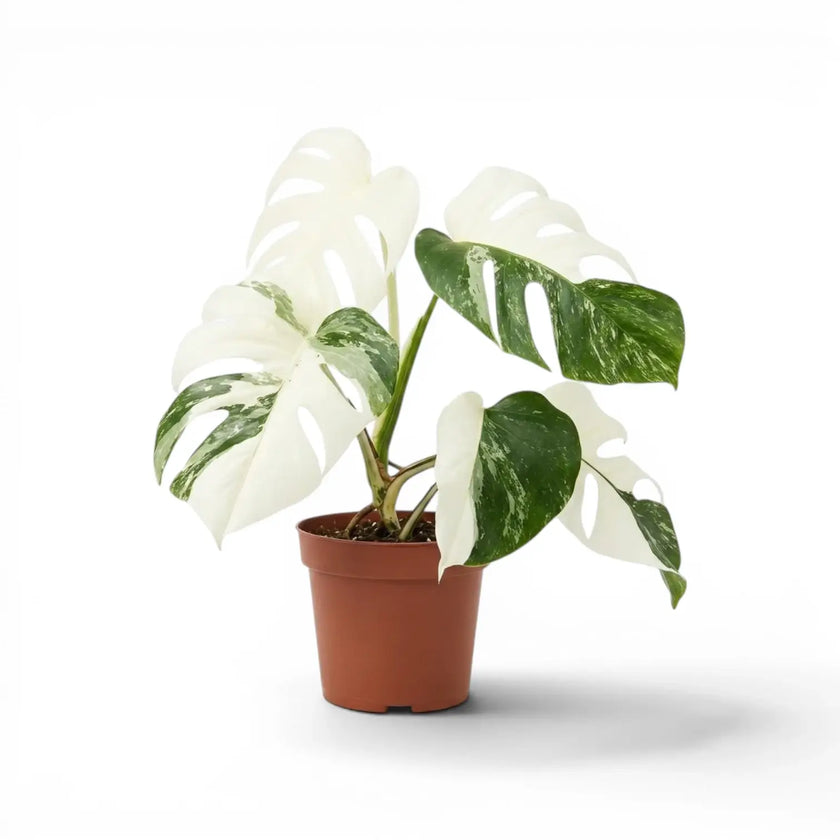
Monstera deliciosa Albo Variegata leaf close-up on white background.Monstera deliciosa Albo Variegata potted houseplant in nursery pot on white background, product photo 2.
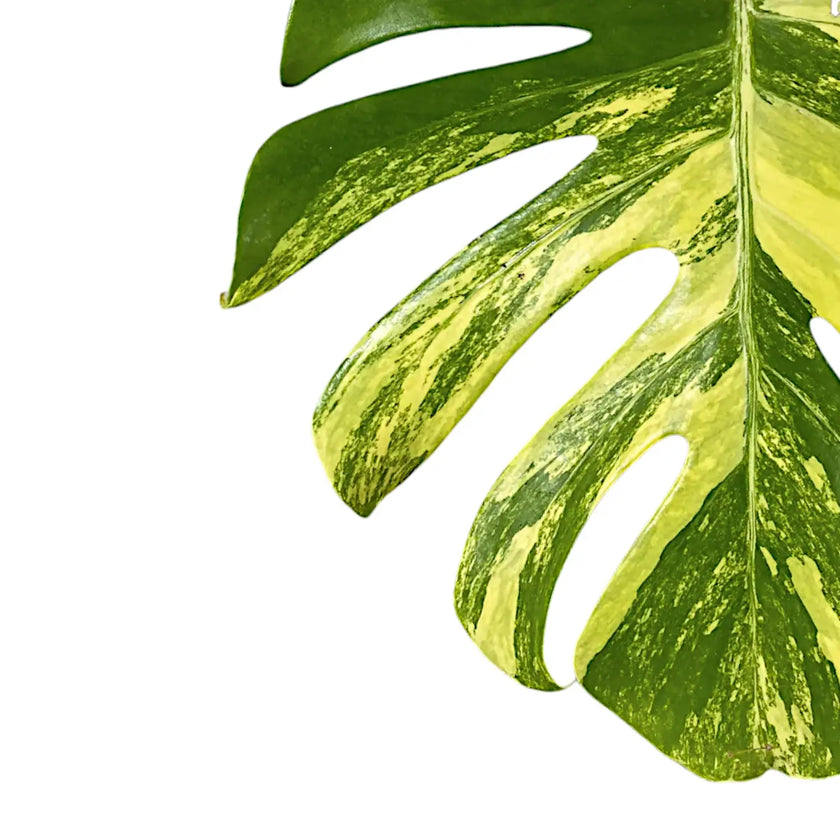
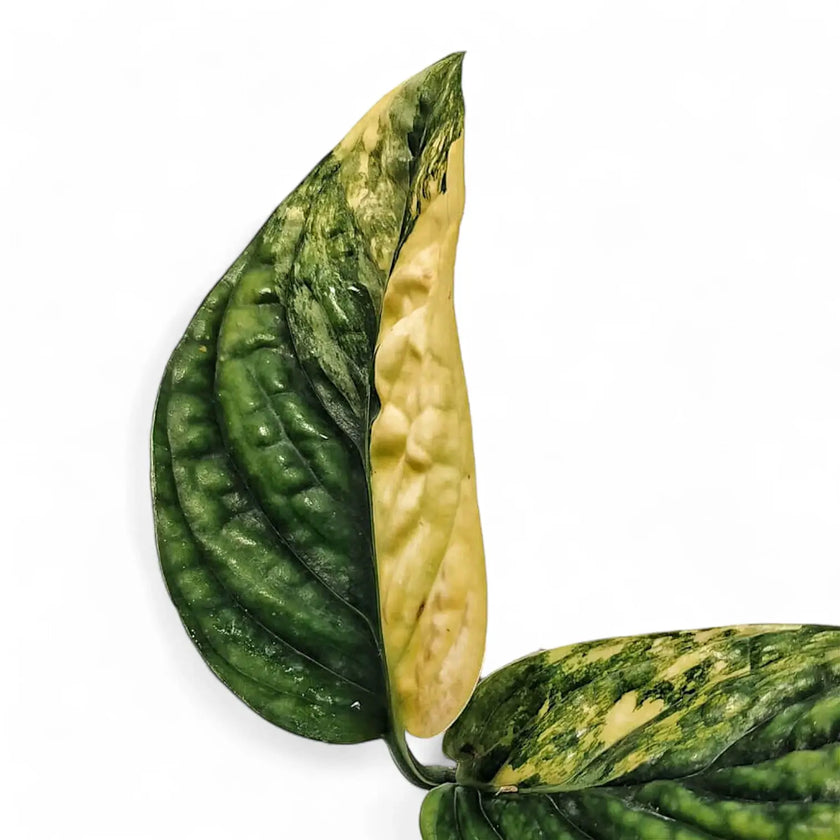
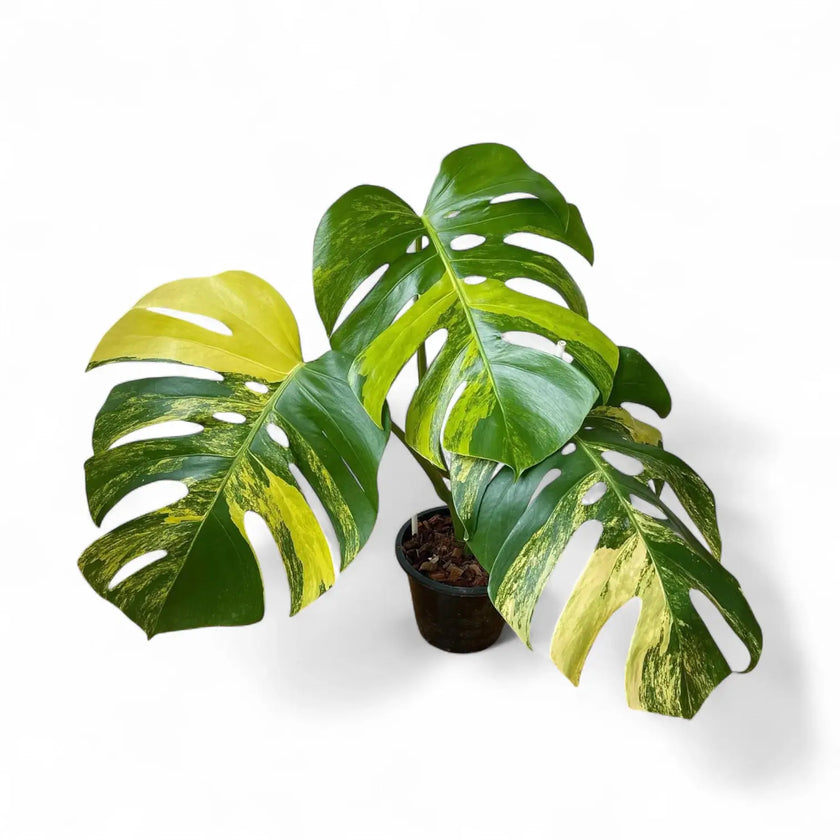
Monstera deliciosa var. borsigiana 'Aurea variegata' leaf close-up on white background.Monstera deliciosa var. borsigiana 'Aurea variegata' potted houseplant in nursery pot on white background, product photo 2.
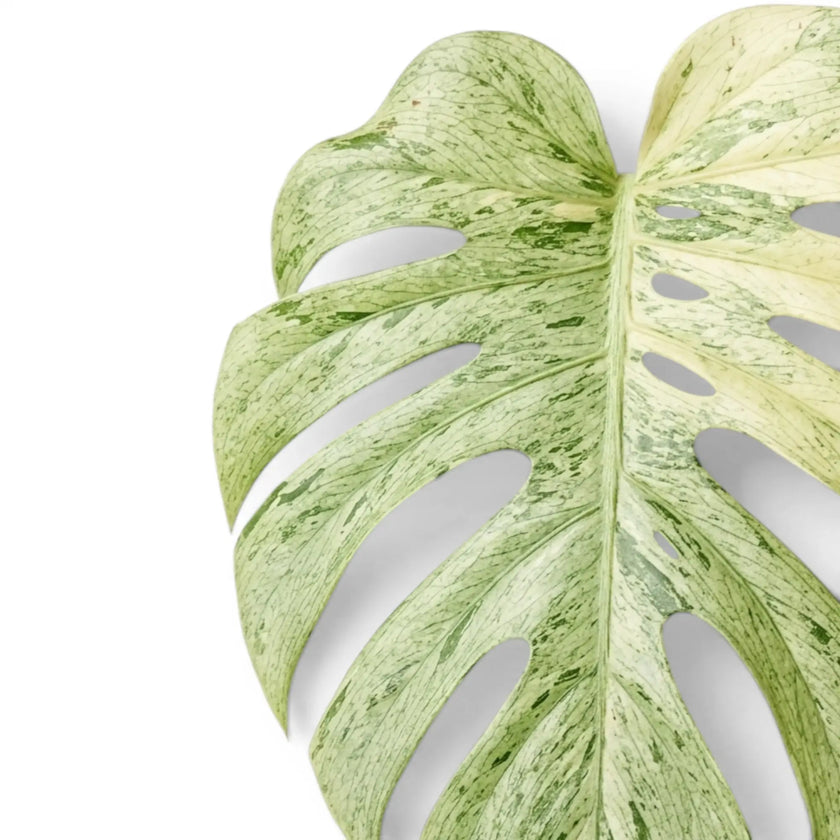
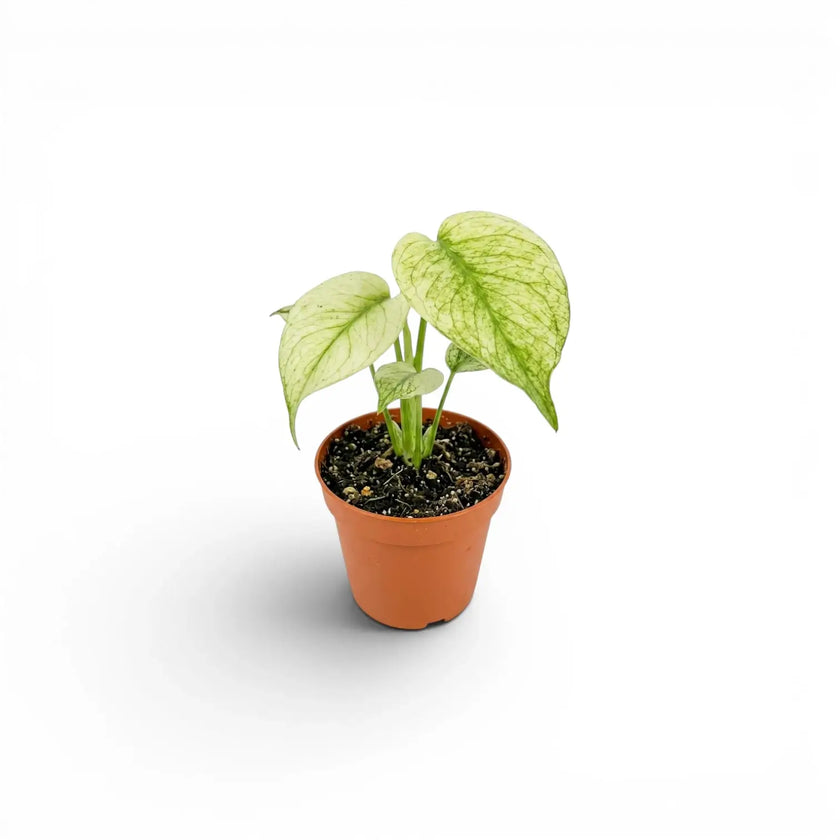
Monstera deliciosa variegata 'Mint' leaf close-up on white background.Monstera deliciosa variegata 'Mint' potted houseplant in nursery pot on white background, product photo 2.
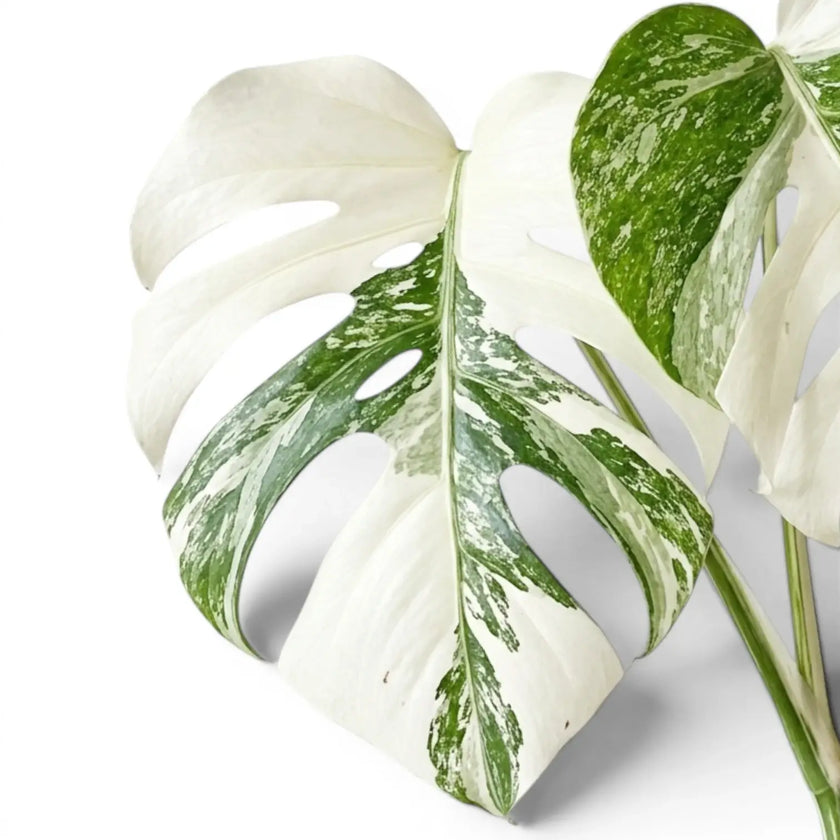
Monstera deliciosa variegata 'Super White' leaf close-up on white background.Monstera deliciosa variegata 'Super White' potted houseplant in nursery pot on white background, product photo 2.
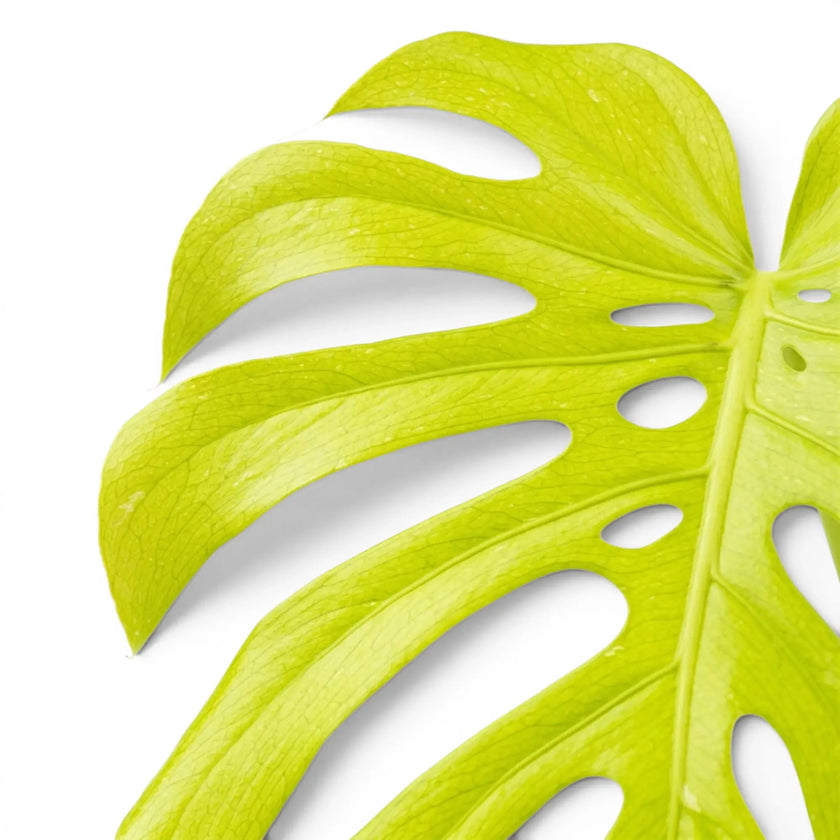
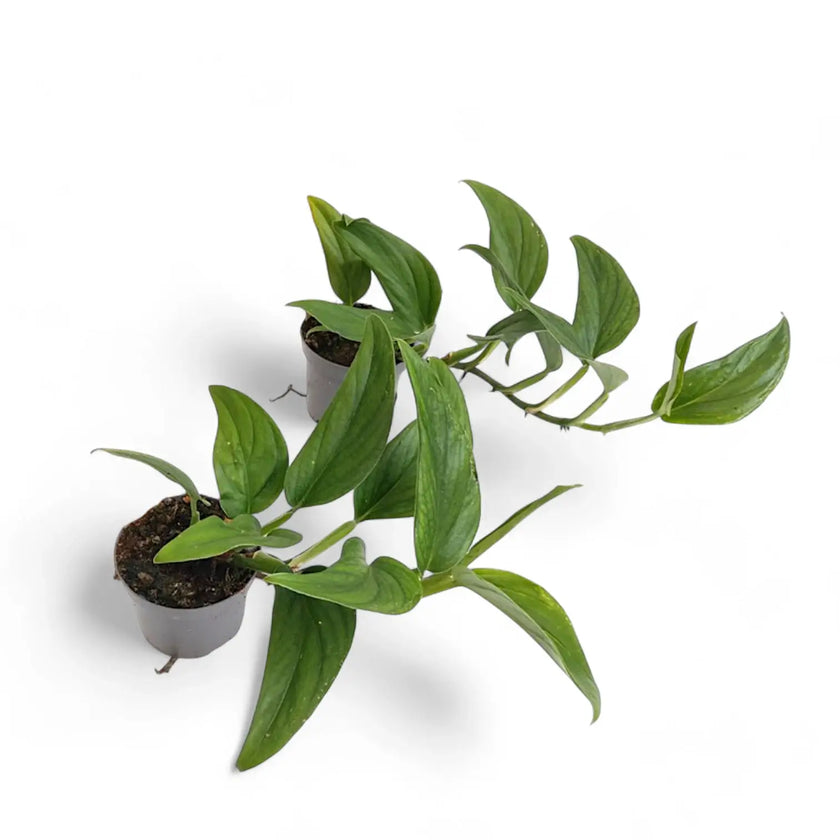
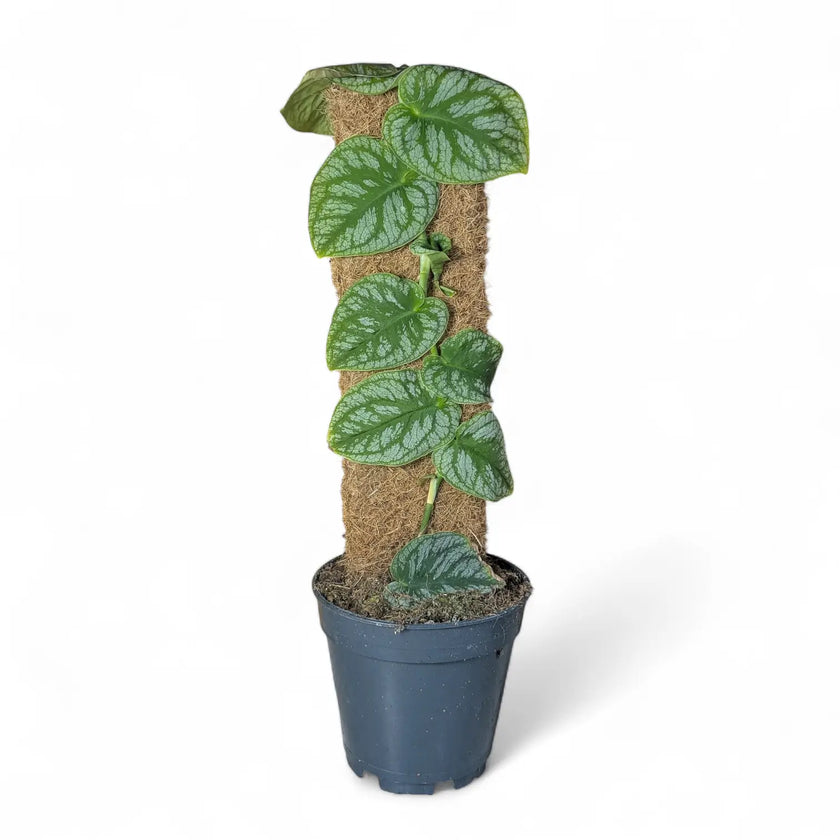
Monstera dissecta leaf close-up on white background.Monstera dissecta potted houseplant in nursery pot on white background, product photo 2.
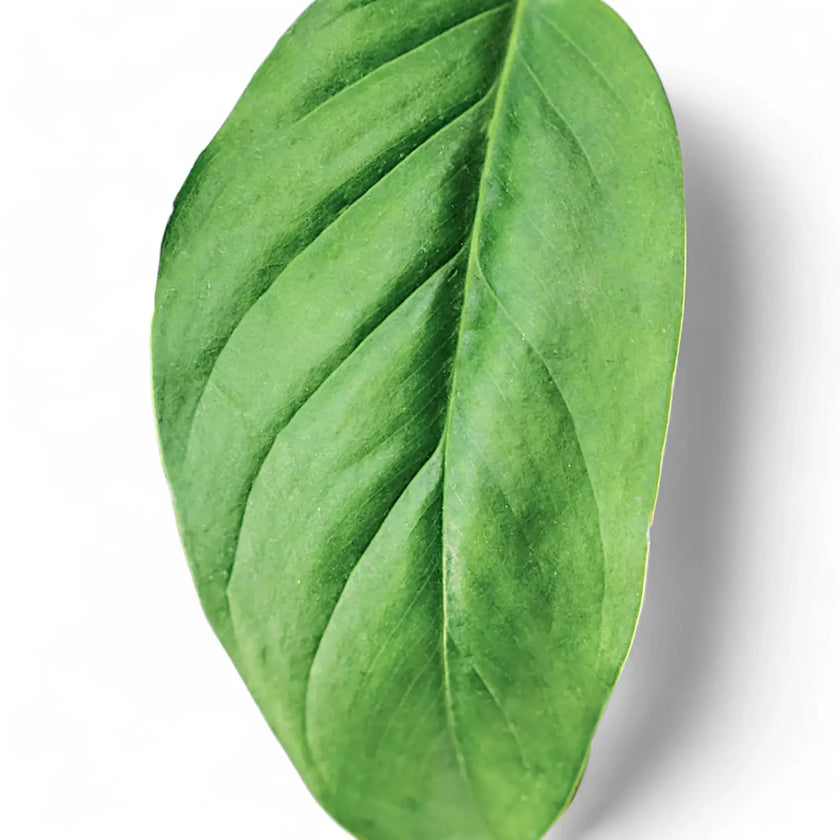
Monstera dubia leaf close-up on white background.Monstera dubia potted houseplant in nursery pot on white background, product photo 2.
Monstera dubia Price€40,00
Monstera lechleriana leaf close-up on white background.Monstera lechleriana
Monstera lechleriana variegata leaf close-up on white background.Monstera lechleriana variegata potted houseplant in nursery pot on white background, product photo 2.
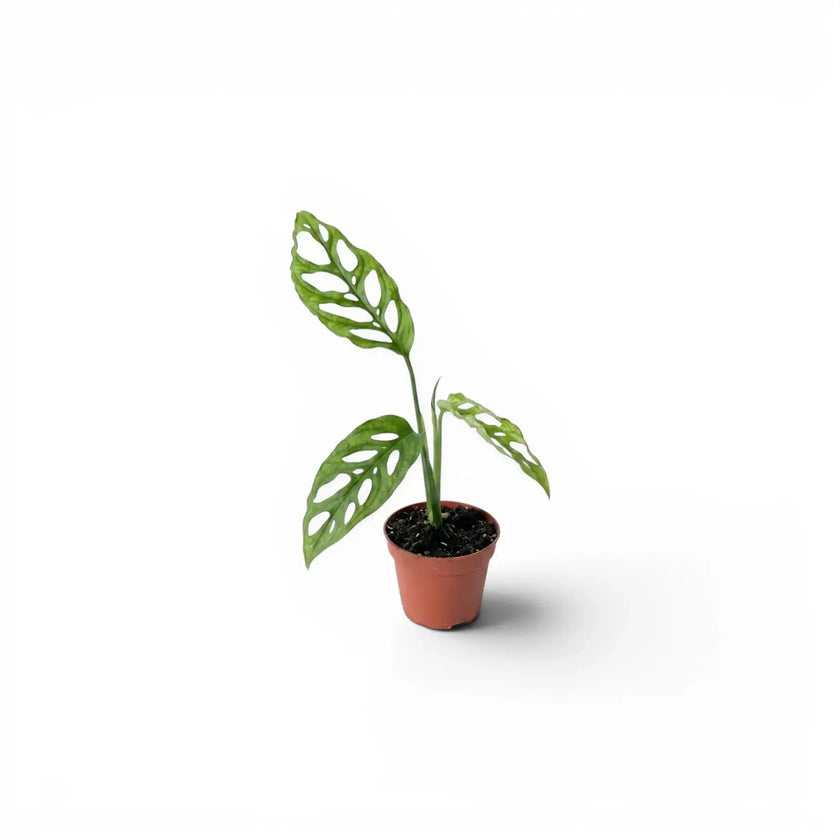
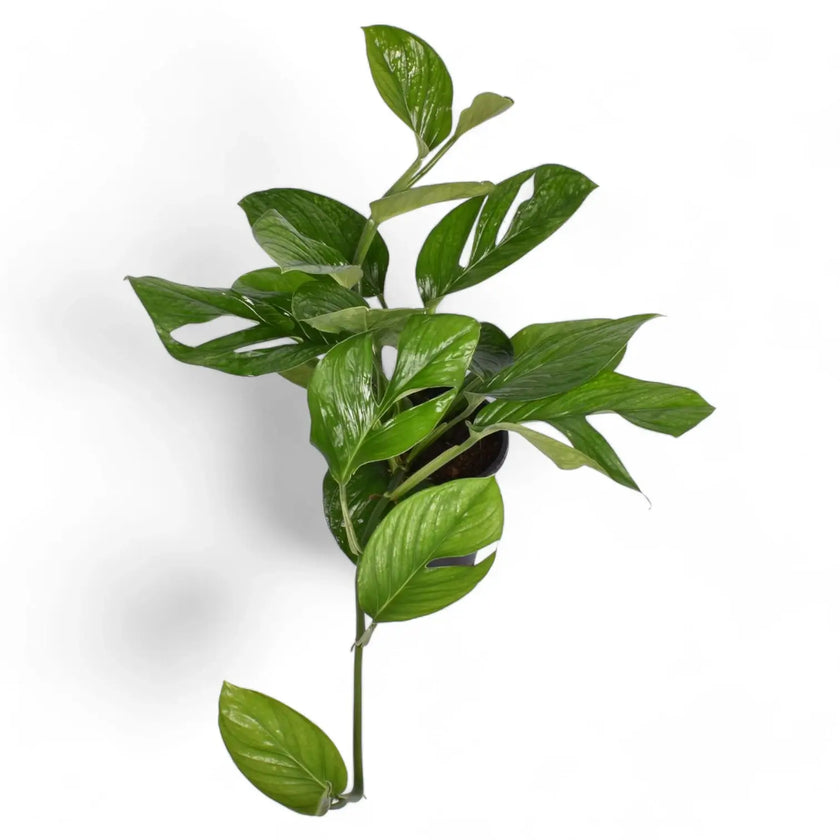
Monstera obliqua (Peru) leaf close-up on white background.Monstera obliqua (Peru) potted houseplant in nursery pot on white background, product photo 12.
Monstera obliqua (Peru) PriceFrom €10,25
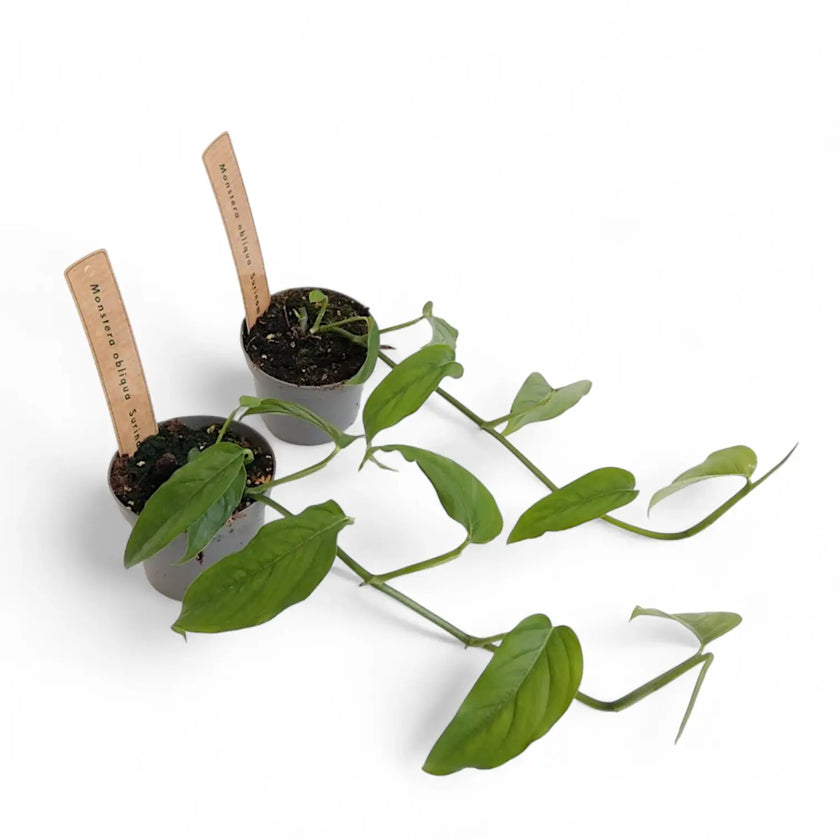
Monstera obliqua (Suriname) leaf close-up on white background.Monstera obliqua (Suriname) potted houseplant in nursery pot on white background, product photo 2.
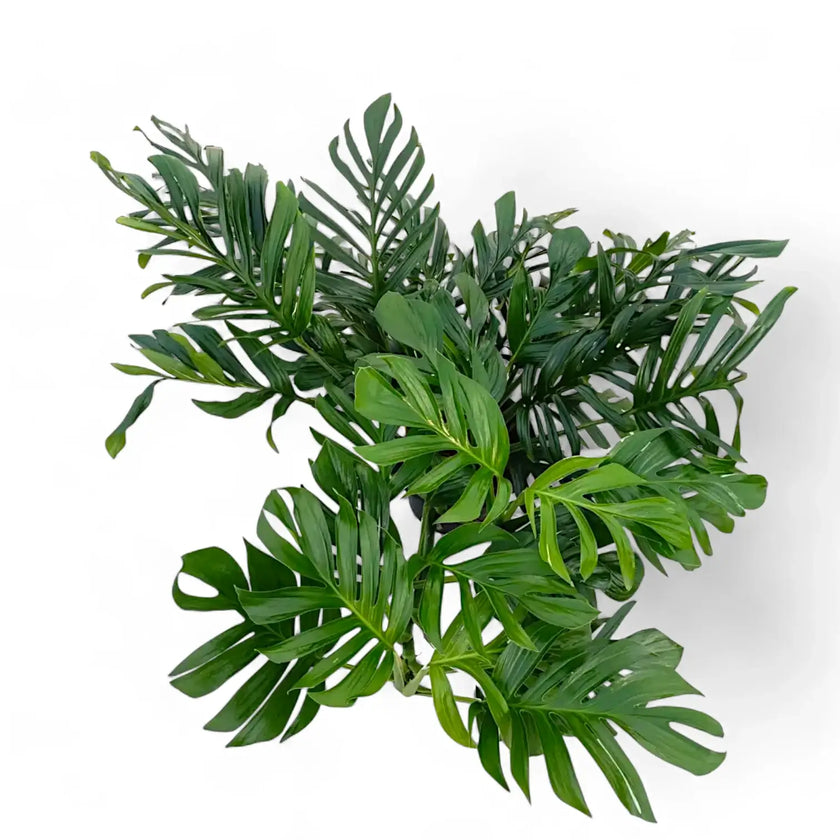
Monstera pinnatipartita leaf close-up on white background.Monstera pinnatipartita potted houseplant in nursery pot on white background, product photo 2.
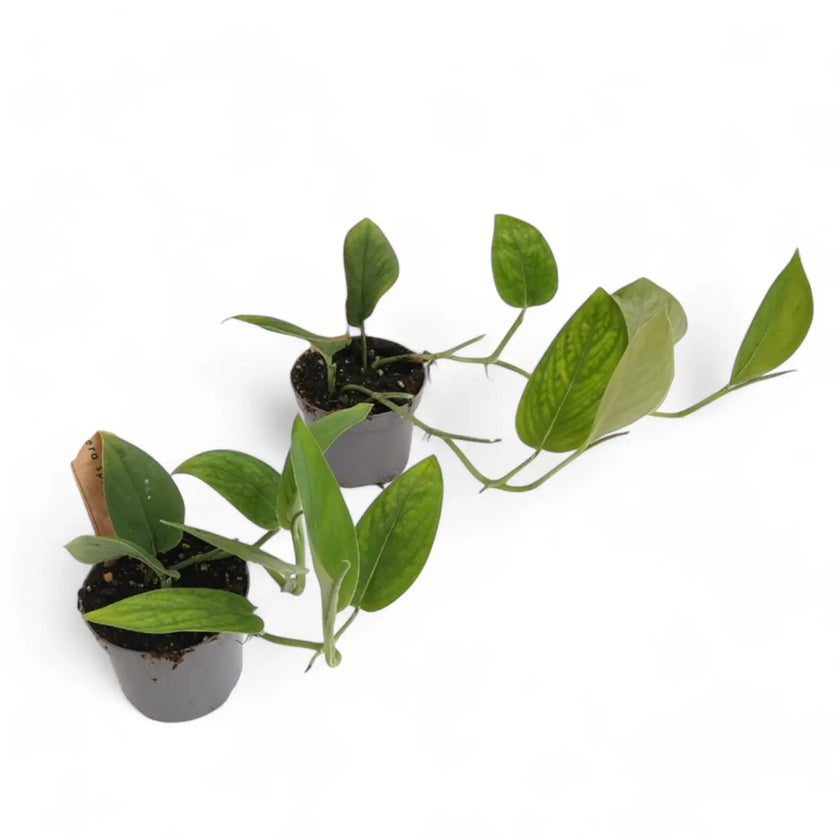
Monstera siltepecana leaf close-up on white background.Monstera siltepecana potted houseplant in nursery pot on white background, product photo 3.

Monstera — botanical profile for fenestrated hemiepiphytic aroids

Monstera is a Neotropical aroid genus in Araceae, established by Adanson and now comprising roughly 60 accepted species. The name refers to “monstrous” or unusual leaves, many of which develop perforations and splits as they mature. Species range from small shingling climbers to massive vines such as Monstera deliciosa, widely cultivated for highly decorative foliage.

  • Order: Alismatales
  • Family: Araceae
  • Tribe: Monstereae (subfamily Monsteroideae)
  • Genus: Monstera Adans.
  • Type species: Often associated with Monstera deliciosa Liebm. in modern treatments, although historical typification is complex.
  • Chromosomes: Several species, including Monstera deliciosa, show 2n = 60; other counts in the genus fall in similar mid-range polyploid series.

Range & habitat: Monstera is native to tropical Central and South America, from southern Mexico through Panama and the Andes into parts of Brazil and Bolivia. Species inhabit humid lowland and lower montane forest, often starting as forest-floor seedlings and later climbing tree trunks or rocks as hemiepiphytes, with aerial roots accessing both canopy supports and soil resources.

  • Life form: Evergreen hemiepiphytic vines and climbers with robust, often long-lived stems and numerous aerial roots; a minority of species are more terrestrial in habit.
  • Leaf attachment: Petiolate leaves borne alternately along stems, with pronounced juvenile–adult transitions: young plants have small, entire blades, while adults on mature supports develop large, often deeply fenestrated laminae.
  • Leaf size: Adult leaves in large species frequently reach 30–90 cm in length, and in some taxa such as Monstera gigas exceed 1 m, forming substantial photosynthetic surfaces in the canopy.
  • Texture & colour: Leathery, glossy blades in mid- to dark green; some species show bluish, matte or silvery patterns, while juvenile foliage in shingling species tends to be thinner and adheres closely to substrates.
  • Notable adaptation: Fenestrations and lobing appear to balance mechanical resilience, water-shedding and light distribution through the canopy layer while reducing investment in solid leaf tissue in exposed, windy forest environments.

Inflorescence & fruit: Monstera bears typical aroid inflorescences with a fleshy spadix enclosed by a spathe, often produced in clusters once plants reach mature size. Many species set fleshy infructescences with packed berries; in Monstera deliciosa the ripened fruit is edible, while in other species fruits primarily serve to attract birds and mammals that disperse seeds along forest edges and within understory corridors.


Monstera – realistic indoor care, growth habits and buying guide

Monstera growth story – why this climber becomes the focal point

Monstera is a slow burn, not a weekend makeover. Young plants start out with smaller, simpler leaves and fairly tight node spacing. Given time, stable light and something firm to climb, stems thicken, leaves expand and the familiar holes and splits become more dramatic from one new leaf to the next. Growth is usually measured rather than chaotic, which gives you time to decide what shape you actually want. For a species-level deep dive, our Monstera deliciosa care guide shows how the classic form behaves over years indoors.

In many homes, Monstera ends up as the plant that pulls a corner together. Big leaves frame smaller pots, aerial roots search for grip, and with some basic training a single plant can become a slim column, a broad room divider or a multi-stem feature specimen instead of just another leafy background piece. It sits firmly among the “modern classics” we group in our classic houseplants list.

Checking whether Monstera really fits your room and routine

  • Good match if: you have bright, softened light, a bit of vertical space to play with and do not mind tying in stems, pruning from time to time and repotting when the root ball demands it. If you are building a broader collection, houseplant-care guides – start here helps you place Monstera among other options.
  • Hard work when: rooms are cool and gloomy, you cannot provide any kind of support, or you only enjoy plants that stay small, tidy and hands-off.
  • Expectation check: the huge, heavily split leaves you see on mature specimens do not appear overnight. They are the result of years of growth under decent conditions, not a default setting on every new Monstera. If you are eyeing slow, variegated forms like Monstera deliciosa ‘Thai Constellation’, our Thai Constellation story explains why those leaves take even more patience.

Forest climbing strategy – how wild Monstera shapes indoor care

In habitat, many Monstera species behave as hemiepiphytes in warm, humid forests of Central and South America. Seedlings often germinate in leaf litter on the forest floor, then lock onto nearby trunks and climb into brighter layers under the canopy. Roots weave through decomposing debris, bark and cracks in wood rather than dense, cold mineral soil, and water around them tends to move on rather than stagnate.

Translated into living-room conditions, this points to a loose, organic mix, reliable warmth, good air around the roots and light that is strong but filtered. Plants kept this way usually respond with thicker stems, more confident roots and more generous leaf size than ones stuck in compacted compost in the darkest corner of the room. Monstera is one of the climbers we discuss in our aroids overview and behaves much closer to the epiphytes described in our epiphytes vs soil guide than to shrubs rooted in heavy ground.

Light, fenestrations and leaf size in Monstera

Most Monstera will do their best work in bright, diffused light. Being close to a window with thin curtains, or just off to the side of an unobstructed east- or west-facing window, normally keeps internodes shorter and allows leaves to mature properly. In genuinely low light, stems reach, leaves stay small and even inherently fenestrating species may keep producing plain blades, no matter how old the plant is. For realistic benchmarks of “bright-indirect”, refer to our bright-indirect light guide.

Hard midday sun through bare glass is a different problem: tissue overheats, then bleaches or turns crisp in patches, and those scars never fill in. If you move Monstera into stronger light, do it gradually so new leaves can adapt. If your eyes are not sure how “bright” a position really is, the examples in our window-orientations guide are usually more honest than guessing. If you are tempted to park Monstera in “low light” corners because of marketing claims, read our low-light explainer first.

Monstera roots, watering rhythm and chunky aroid mixes

Monstera roots are happiest when they can breathe. Aim for a cycle where you drench the pot thoroughly and then wait until roughly the upper third to half of the mix feels dry by touch or pot weight before watering again. Pushing the plant through repeated full drought gives you limp leaves with dry edges and stalls new growth; keeping the mix heavy, cold and wet for days on end is an open invitation to rot. The logic behind this “soak, then let part of the mix dry” approach is laid out in our ultimate watering guide.

An aroid-style substrate usually works best: start with a quality peat-free indoor mix, then add generous coarse material such as bark pieces, perlite or pumice and some fibrous components. The goal is a structure that still holds a film of moisture around roots but leaves enough gaps for air to move. If you want concrete recipes and ratios, the blends in our aroid substrate guide and the broader substrate overview are written with plants like Monstera in mind. For root-health troubleshooting patterns, see articles under the root-health tag.

Temperature, humidity and seasonal comfort for Monstera

Monstera’s comfort zone indoors sits roughly between 18 and 28 °C. Brief dips either side of that are rarely a crisis, but cool, wet soil below about 15 °C is a fast track to root damage that later shows up as dark, translucent spots and stalled growth. Cold air running across a freshly watered pot is especially unhelpful, particularly in winter; our winter houseplant care guide covers practical ways to buffer plants in cooler months.

Most homes offer enough ambient humidity for Monstera to survive, especially when light and watering are sensible. Very dry air, particularly right beside heaters, can push leaf tips and margins to dry out faster. Moderate humidity paired with gentle airflow does far more than daily misting: air movement through the canopy and over the pot helps the surface layer dry and discourages fungi and pests from settling into still pockets. For realistic humidity targets and options, see our humidity guide.

Teaching Monstera to climb – supports, pruning and shape

Monstera grows as a vine with clearly separated nodes and internodes. Aerial roots emerge from these nodes and will anchor into rough supports, disappear into the substrate or attach themselves to anything textured nearby if they get the chance. Left without guidance, stems lean and spread outwards; given a sturdy stake, pole or similar, they tend to pull upwards and produce broader, more regular leaves. This is the same basic strategy we describe for other climbers in our epiphytes vs soil guide.

Pruning a stem just above a node encourages new branches from lower points and helps you avoid the classic single, top-heavy cane. Removing torn, heavily marked or very old leaves clears space and keeps energy flowing into stronger growth. During active periods, a complete fertiliser at reduced strength every few waterings is usually plenty. Feed should be considered a fine-tuning tool for an already decent setup, not a repair kit for compacted soil or chronic overwatering – something we expand on in houseplants beyond the basics.

Monstera, myths and safety around pets and people

As with many aroids, Monstera tissues contain insoluble calcium oxalate crystals. Chewing leaves or stems can irritate the mouth and throat, and swallowing plant pieces may lead to drooling, pawing at the mouth or stomach upset in pets. In homes with animals or children that like to chew plants, keep Monstera well out of reach and use genuinely pet-safe foliage from our cat-safe houseplants guide for floor-level positions.

Monstera is also frequently advertised as an “air-purifying” statement plant. If that claim is part of why you are considering it, read our breakdown of the air-purifying houseplants myth and our wider houseplant-care myths article so you are choosing it for structure and longevity, not for lab-style air cleaning.

When Monstera first arrives – acclimatisation and early decisions

After a trip in a box, many Monstera look a little unimpressed. Slightly droopy leaves, one or two yellowing older leaves and small creases or scuffs from packaging are common even when shipping was careful. These marks say more about the journey than about the plant’s future performance.

Once unpacked, remove loose debris from the pot, check moisture with a finger or by lifting the container and place the plant somewhere with bright, softened light away from harsh midday sun. Skip immediate repotting unless you see obvious rot or completely collapsed mix. Over the next couple of weeks, pay more attention to what new leaves look like than to older foliage; fresh growth formed in your conditions is the best indicator of how well Monstera has settled in. Our houseplant acclimatisation guide walks through this phase step by step.

Monstera troubleshooting – decoding stress signals

  • Long, thin stems with undersized leaves: almost always a light shortage. Move the plant closer to a bright window with softened light or add suitable grow lighting and rotate the pot regularly to keep growth even. The principles in our grow-lights guide help you choose and position lamps in a way Monstera can actually use.
  • Older leaves yellowing one after another from the base: often points to roots sitting in a mix that never really dries. Slide the plant from its pot, trim away brown, mushy roots, repot into a fresher, chunkier substrate and let the upper layer dry properly before you water again. The steps in our root-rot guide and the patterns in our leaf-drop explainer give you a clear checklist.
  • Sharp brown or bleached patches on leaves: usually the result of strong sun through glass or drought combined with very dry air. Shield Monstera from harsh midday rays, re-establish a more even watering rhythm and keep it away from hot air streams. To separate crisp burning from mild “tan”, compare with our sunburn vs sunstress guide.
  • Curling leaves and drooping petioles: a classic drought response in warm conditions. Check whether the root ball has dried right through, give a thorough soak and aim to water a bit earlier next time so the plant does not reach that extreme again.
  • Speckled, silvery streaks or fine webbing: typical signs of pests such as spider mites or thrips. Isolate the plant, inspect both sides of the leaves and stems carefully, rinse foliage if possible and start an appropriate treatment while also improving airflow. Our guides on spider mites, thrips and beneficial insects outline options.

FAQ – Monstera for indoor growers Does Monstera really need a moss pole?

No, it will grow without one, but a proper support changes how it behaves. Without anything to climb, stems lean and grab whatever they can. With a pole or stake, the plant usually grows more upright, takes up less floor space for its size and tends to produce larger leaves over time, echoing the epiphytic strategy described in our epiphyte vs soil guide.

Can Monstera manage in a north-facing room?

Placed close to a bright north-facing window, many Monstera will cope, though growth is slower and more compact. Deeper into the room where the view of the sky shrinks, stems stretch and leaves remain small. If that is your only aspect, adding a grow light above or beside the plant can make the difference between survival and strong growth; the scenarios in our grow-lights guide help you design that setup.

How often should Monstera move to a bigger pot?

Change pots when roots form dense circles at the base, the mix stays wet for a long time or watering becomes uneven because parts of the root ball dry out faster than others. In practice, that often works out to every one to three years depending on pot size and growth speed, not every spring by default. For timing and method, see our repotting guide.

Why do fresh Monstera leaves sometimes look marked straight away?

Any crease, scar or deformity that appears as a new leaf unfolds was almost always caused while it was still rolled inside its sheath. Short dry spells, cold drafts or a knock to the developing leaf can all leave permanent marks. Concentrate on improving current conditions; later leaves grown in a more stable environment should open cleaner.

What is happening when Monstera drips from its leaf tips?

Those droplets are guttation fluid: excess water and dissolved minerals pushed out through special structures at the leaf margins when the plant has taken up more water than it can use or evaporate. Seeing this from time to time is normal in moist substrate and higher humidity. If it happens constantly and the mix never feels lighter, ease back on watering to keep roots safe from rot. For more background, see our guttation explainer.

Back to top Browse our Monstera range and pick the form and size that actually fits your space – from compact starters to climbers ready to conquer a wall ↑

Monstera – statement climber fundamentals

  • Habit: natural climber that creeps, then climbs; mature plants need real vertical support to show full fenestration.
  • Light: medium to bright, indirect light; too dim gives small, simple leaves, strong glass sun burns broad blades.
  • Substrate: thrives in chunky aroid mix with bark and mineral structure; heavy soil around thick roots is a bad match.
  • Watering: water when top portion of mix has dried and pot feels lighter; avoid both soggy and bone-dry extremes.
  • Climate: warm rooms with some humidity and airflow suit it; cold, wet roots near windows trigger leaf problems.
  • Toxicity: contains irritant crystals; keep foliage out of reach of pets and children.

Make Sure to Read:


Further Guides: