
Light
Bright indirect • approx. 10,000–20,000 lux


VAT included · plus
Quick overview of our standard shipping rates, free-shipping thresholds and typical transit times for the countries we currently serve. Remote-area surcharges for certain postcodes are added automatically at checkout where applicable.
For full details, winter shipping rules and packaging information, please visit our Shipping & Delivery page.
| Country | Shipping | Free from | Transit time |
|---|---|---|---|
| Austria | € 12.95 | € 100 | 2–4 working days |
| Belgium | € 8.95 | € 100 | 1–2 working days |
| Bulgaria | € 21.95 | € 300 | 5–7 working days |
| Croatia | € 29.95 | € 300 | 5–7 working days |
| Cyprus (²) | € 39.95 | No free shipping | 5–7 working days |
| Czechia | € 16.95 | € 150 | 2–4 working days |
| Denmark (¹) | € 16.95 | € 150 | 2–4 working days |
| Estonia | € 18.95 | € 200 | 2–4 working days |
| Finland | € 29.95 | € 300 | 5–7 working days |
| France (¹) | € 12.95 | € 100 | 2–4 working days |
| Germany | € 8.95 | € 70 | 1–2 working days |
| Greece (¹²) | € 29.95 | € 300 | 5–7 working days |
| Hungary | € 18.95 | € 200 | 2–4 working days |
| Ireland | € 14.95 | € 150 | 2–4 working days |
| Italy (¹) | € 14.95 | € 150 | 2–4 working days |
| Latvia | € 18.95 | € 200 | 5–7 working days |
| Lithuania | € 18.95 | € 200 | 2–4 working days |
| Luxembourg | € 12.95 | € 100 | 1–2 working days |
| Malta (²) | € 39.95 | No free shipping | 5–7 working days |
| Netherlands | € 8.95 | € 100 | 1–2 working days |
| Poland | € 12.95 | € 100 | 2–4 working days |
| Portugal (¹) | € 14.95 | € 150 | 2–4 working days |
| Romania | € 21.95 | € 300 | 5–7 working days |
| Slovakia | € 18.95 | € 200 | 5–7 working days |
| Slovenia | € 18.95 | € 200 | 5–7 working days |
| Spain (¹) | € 14.95 | € 125 | 2–4 working days |
| Sweden | € 18.95 | € 200 | 2–4 working days |
| Switzerland | € 29.95 | € 300 | 5–7 working days |
Secure shipping – carefully packed orders with safe delivery across the EU, UK and Switzerland.
28-day plant guarantee – if a plant arrives damaged or fails soon after delivery, we help you make it right.
Free returns – simple, cost-free returns according to our policy.
For full details, please see:
Light
Bright indirect • approx. 10,000–20,000 lux
Water
Water when ~0–10% dry
Substrate
Moisture-retentive + airy • Steady-moist • Organic-forward • Fine
Temperature
Ideal: 18–28 °C • Avoid below: 15 °C
Humidity
Humid 60–80 % +
Growth habit
climbing pitcher plant
Support
optional
Growth speed
High
Max size indoors
Max. height with support: 300 cm • Max. spread: 200 cm
Toxicity & safety
Non-toxic & Pet Friendly
Origin & habitat
Hybrid of Nepenthes ampullaria and (Nepenthes sibuyanensis × Nepenthes ventricosa)
These metrics are standardised reference points. We compile them by reviewing and cross-checking multiple botanical and horticultural references, then refining them through real-world growing experience. Source links: Plant Care Resources.
Please use the values as guidance. Conditions vary by home, so the same plant can respond differently. For plant-specific context, read the full product description and browse our Plant Care Guides.
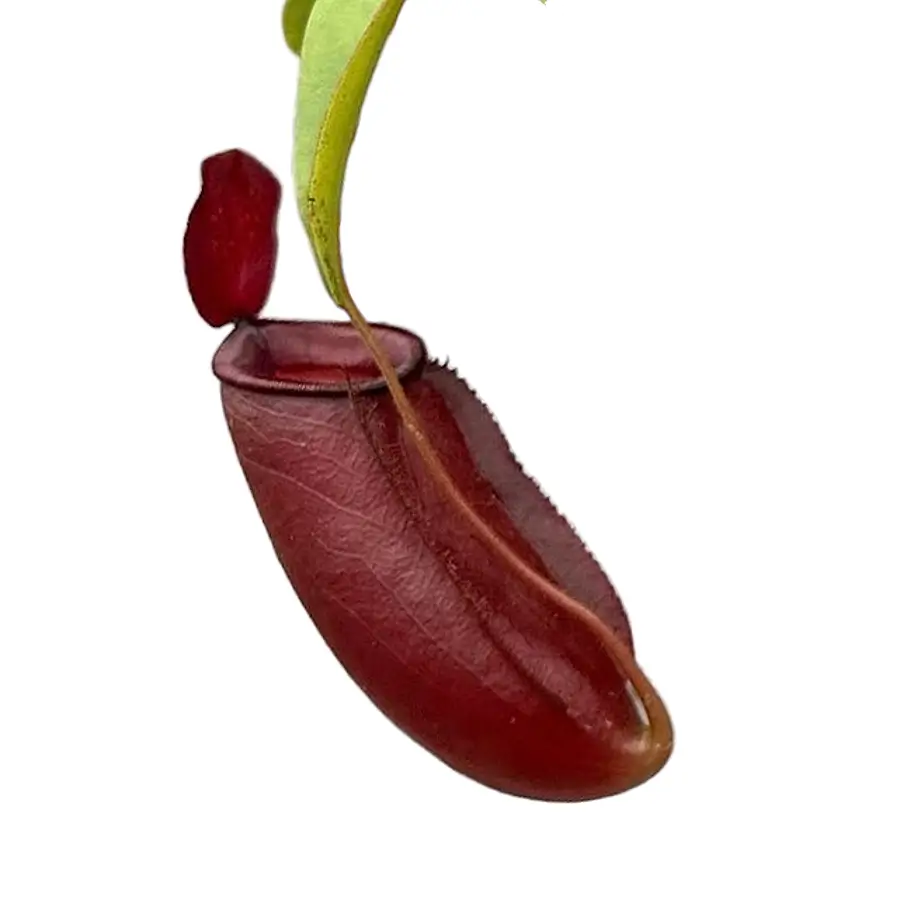
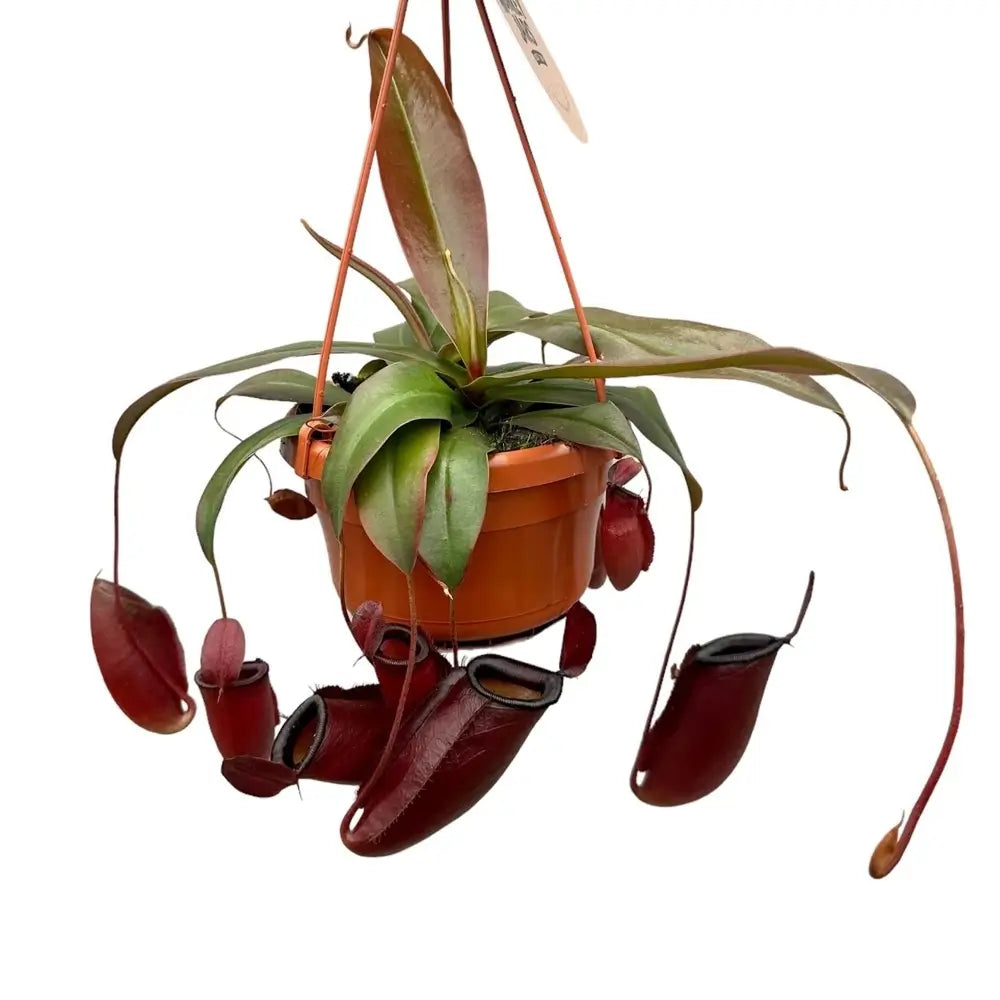
Nepenthes ‘Diana’ is a vigorous, compact grower that throws numerous bright red pitchers and tolerates a wide range of indoor and greenhouse conditions. The cross is N. ampullaria × (N. sibuyanensis × N. ventricosa), introduced by Borneo Exotics and named for Diana Cantley. Expect fast establishment, frequent basal shoots, and reliable pitcher production once light and water are on point.
Hybrid: N. ampullaria × (N. sibuyanensis × N. ventricosa). Retail and nursery notes confirm the Borneo Exotics origin; some listings cite BE-3492 for ‘Diana’ and a sibling cross as BE-3944. Named after Diana Cantley, co-owner of Borneo Exotics.
Genus epithet Nepenthes comes from Greek ne (“not”) + penthos (“sorrow”), referencing the mythic nepenthe that banishes grief. Cultivar name honors Diana Cantley of Borneo Exotics.
Looking for a reliable, colorful Nepenthes that keeps producing pitchers without drama? Nepenthes ‘Diana’ delivers–compact footprint, fast pitchering, and eye-catching red cups. Grab yours and let it settle in; color and numbers ramp up quickly under good light.
Your new plant has just travelled a long way and needs a calm start in its new home. For step-by-step unboxing and first-week care, check our after-delivery care guide. For deeper tips on how your plant settles in over the next weeks, read our houseplant acclimatization guide.
Please head to our FAQ Page or Contact us.
Choose options
VAT included · plus Shipping costs
Secure shipping – carefully packed orders with safe delivery across the EU, UK and Switzerland.
28-day plant guarantee – if a plant arrives damaged or fails soon after delivery, we help you make it right.
Free returns – simple, cost-free returns according to our policy.
For full details, please see:
Light
Bright indirect • approx. 10,000–20,000 lux
Water
Water when ~0–10% dry
Substrate
Moisture-retentive + airy • Steady-moist • Organic-forward • Fine
Temperature
Ideal: 18–28 °C • Avoid below: 15 °C
Humidity
Humid 60–80 % +
Growth habit
climbing pitcher plant
Support
optional
Growth speed
High
Max size indoors
Max. height with support: 300 cm • Max. spread: 200 cm
Toxicity & safety
Non-toxic & Pet Friendly
Origin & habitat
Hybrid of Nepenthes ampullaria and (Nepenthes sibuyanensis × Nepenthes ventricosa)
These metrics are standardised reference points. We compile them by reviewing and cross-checking multiple botanical and horticultural references, then refining them through real-world growing experience. Source links: Plant Care Resources.
Please use the values as guidance. Conditions vary by home, so the same plant can respond differently. For plant-specific context, read the full product description and browse our Plant Care Guides.


