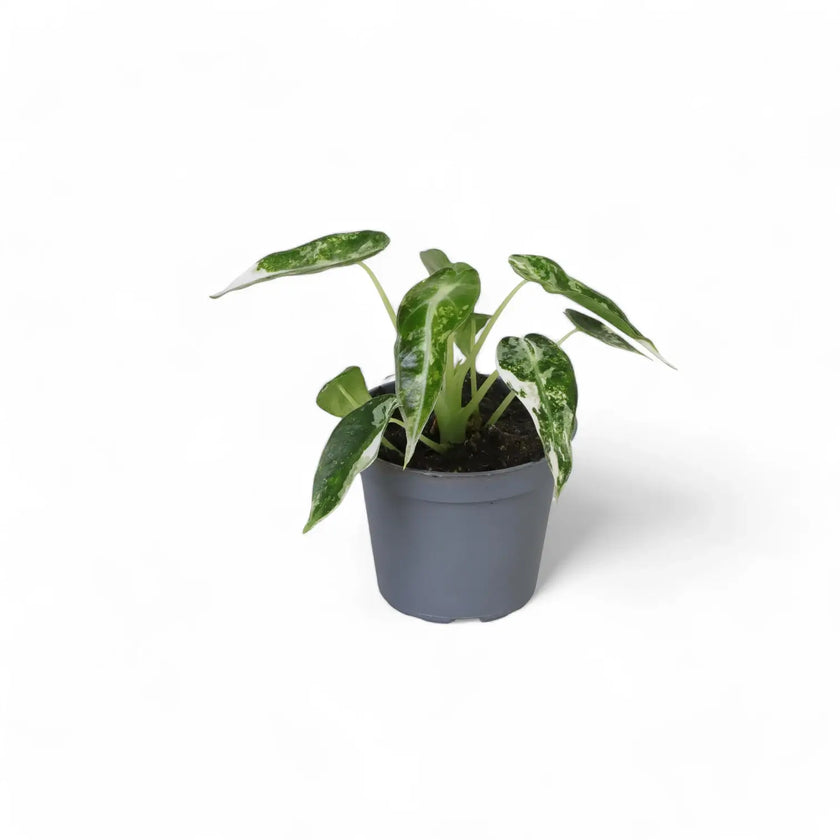
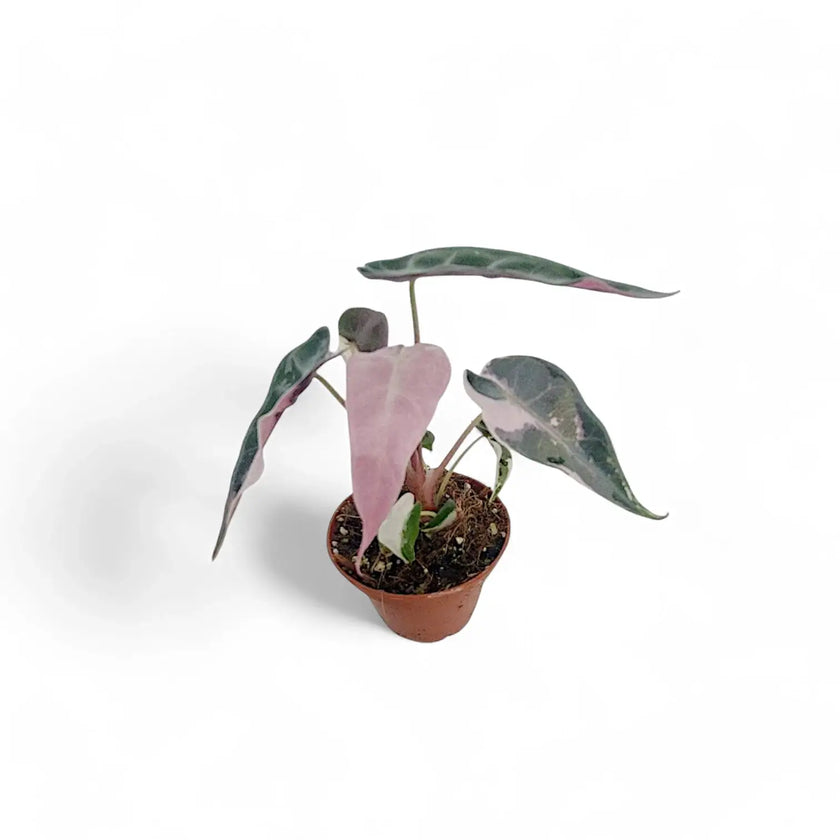
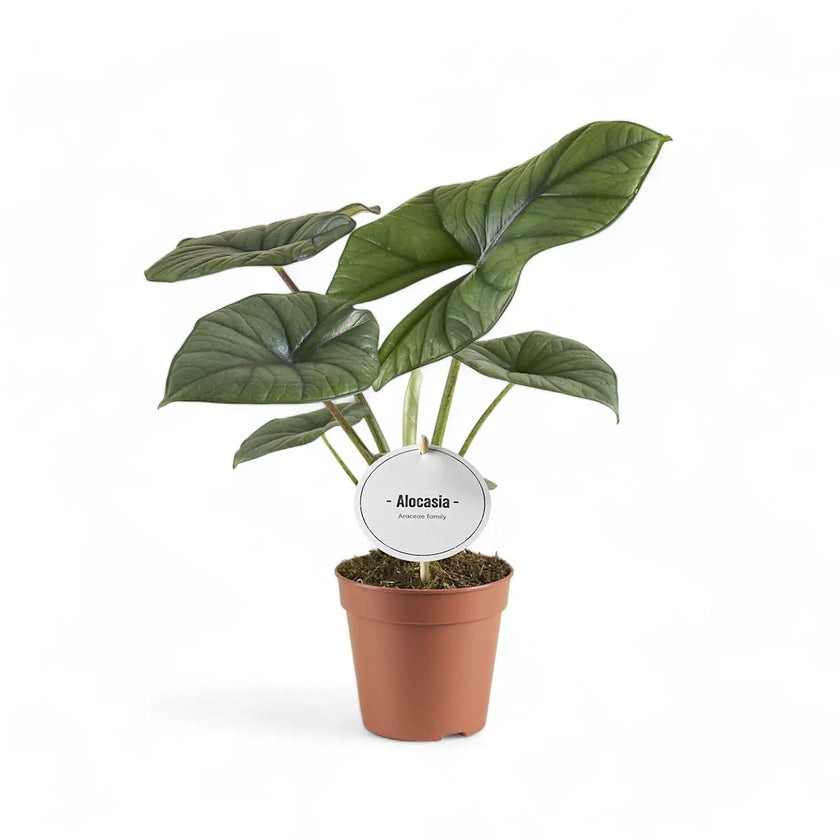
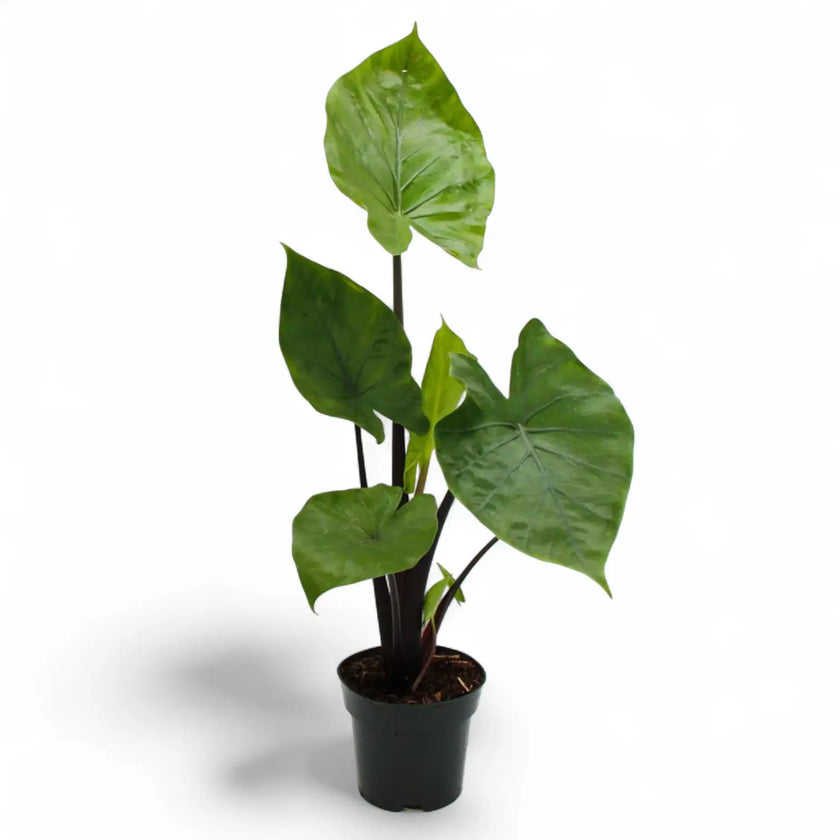
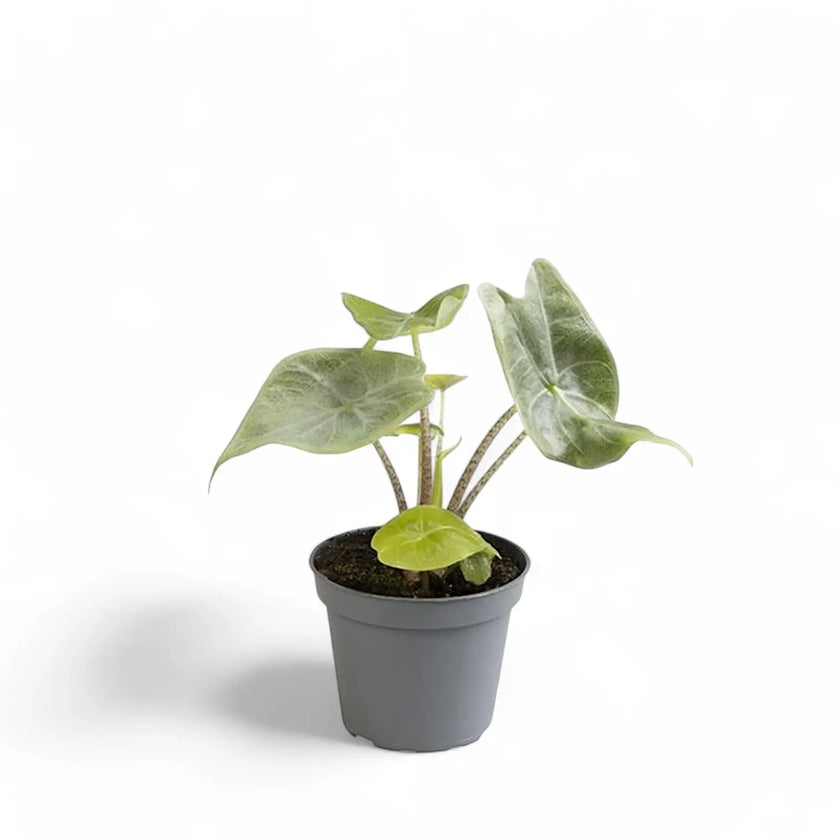
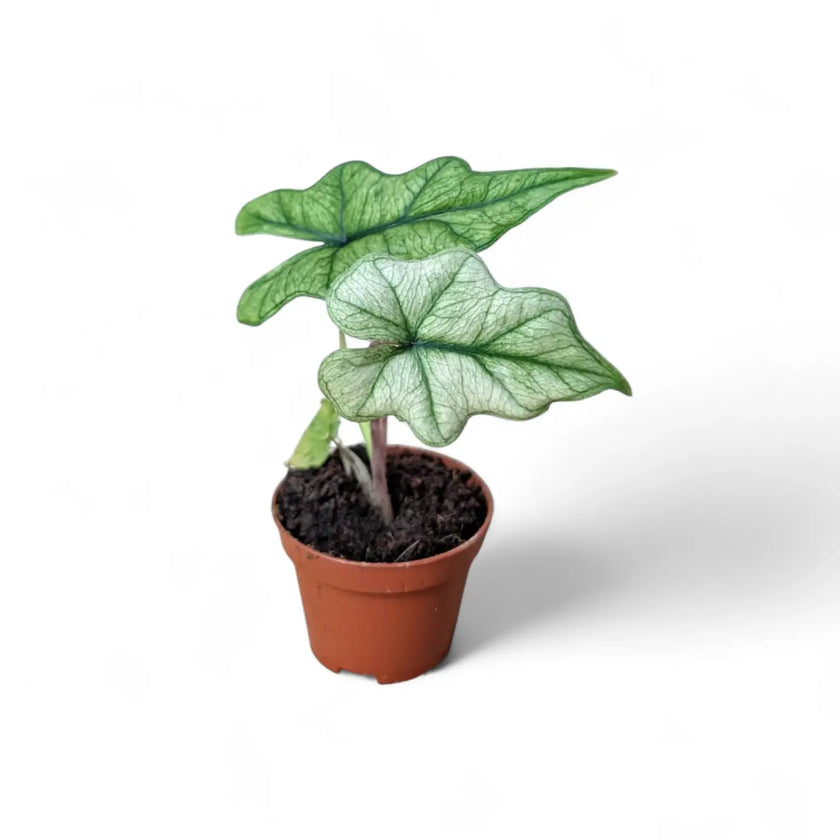
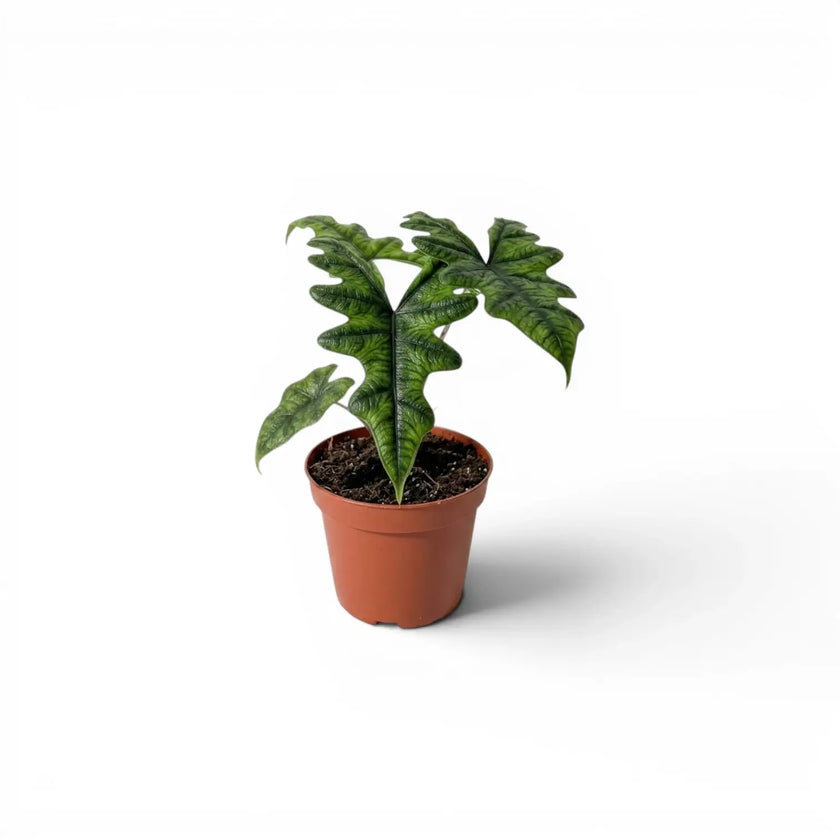
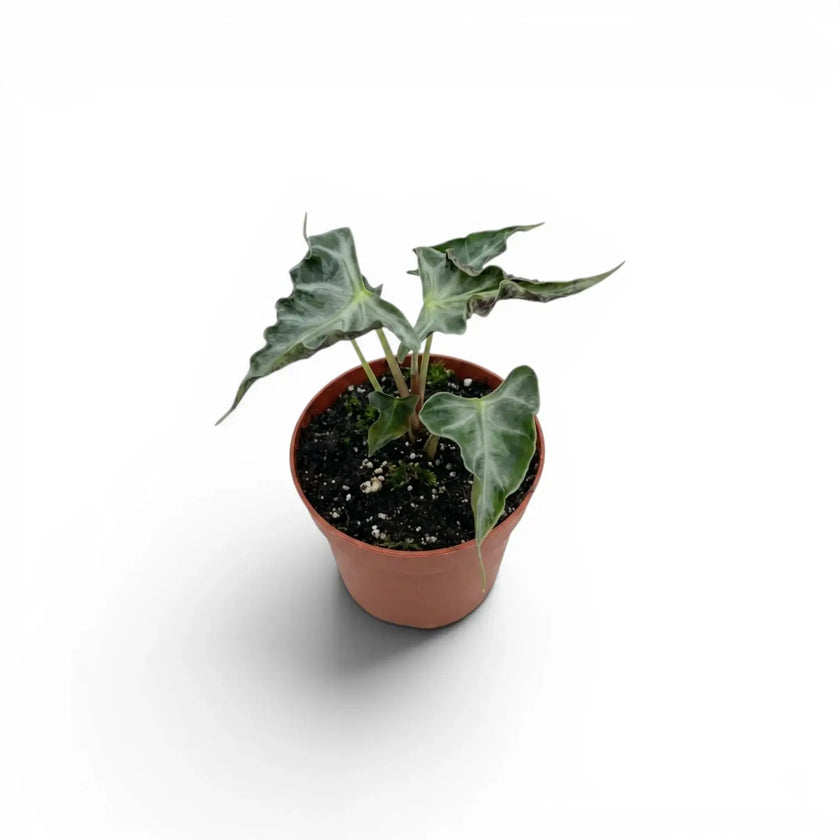
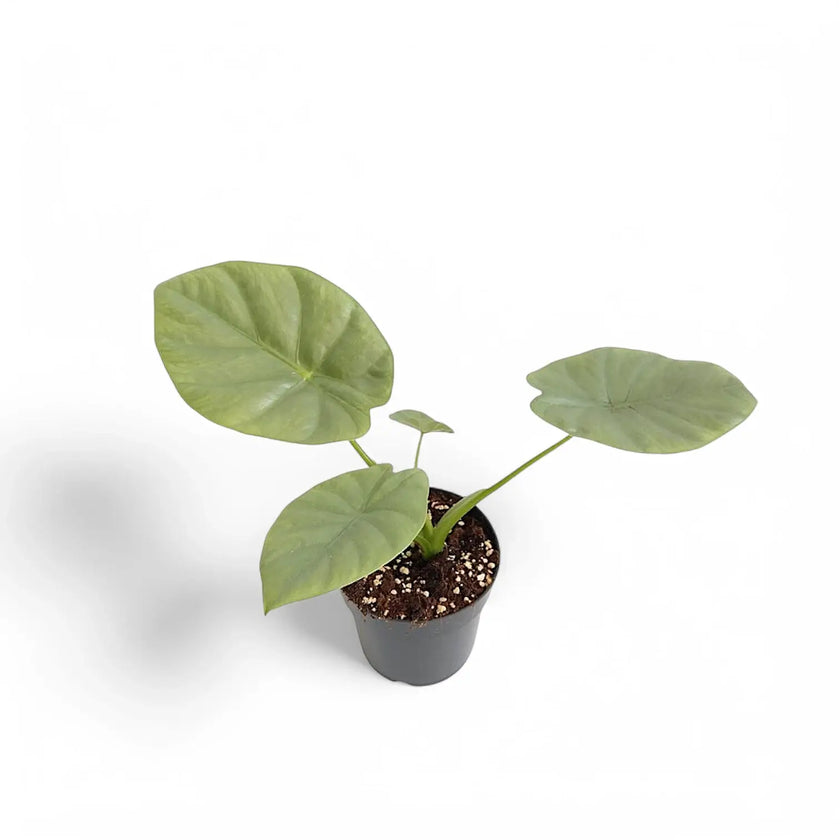
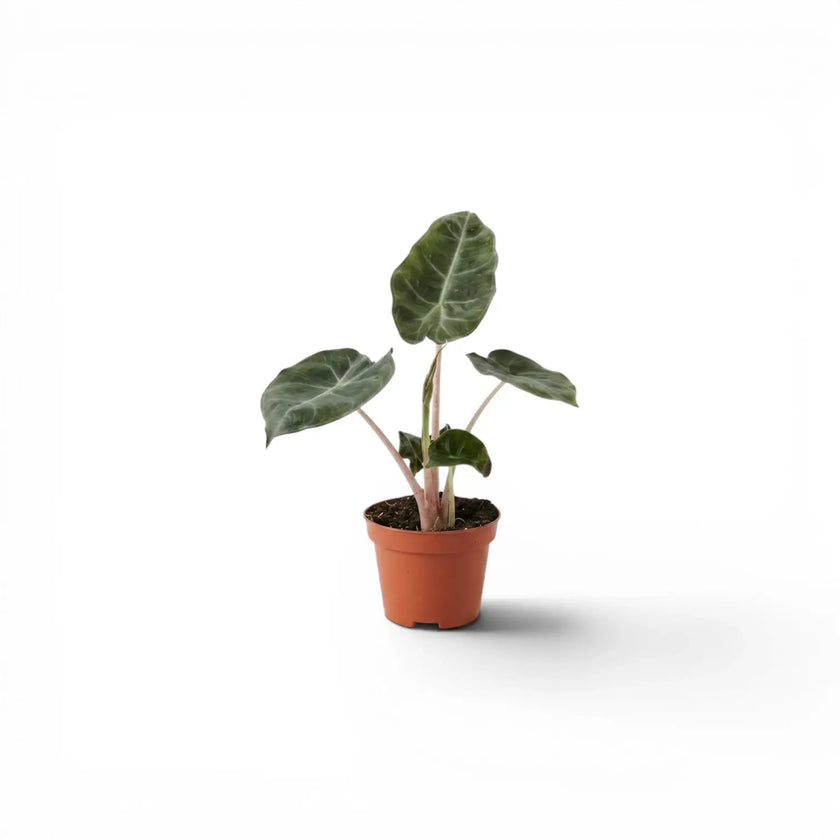
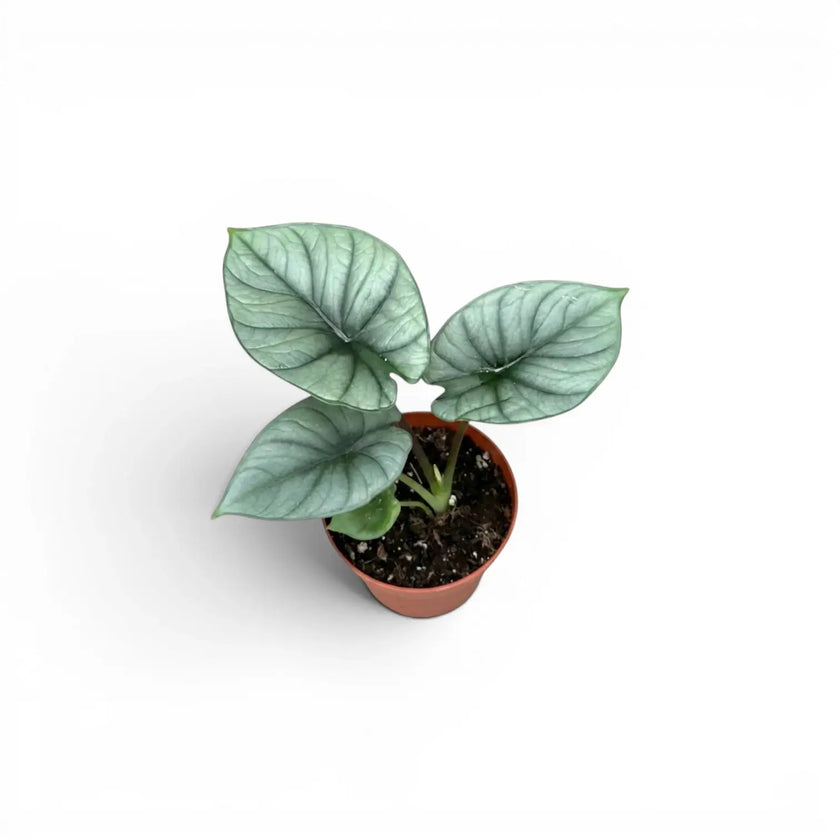
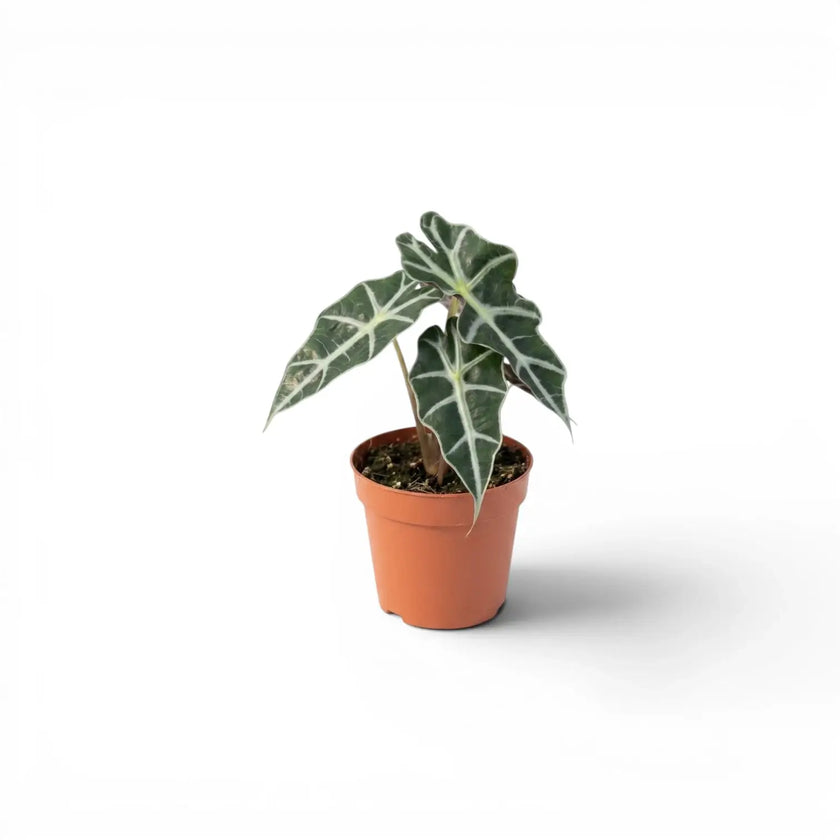
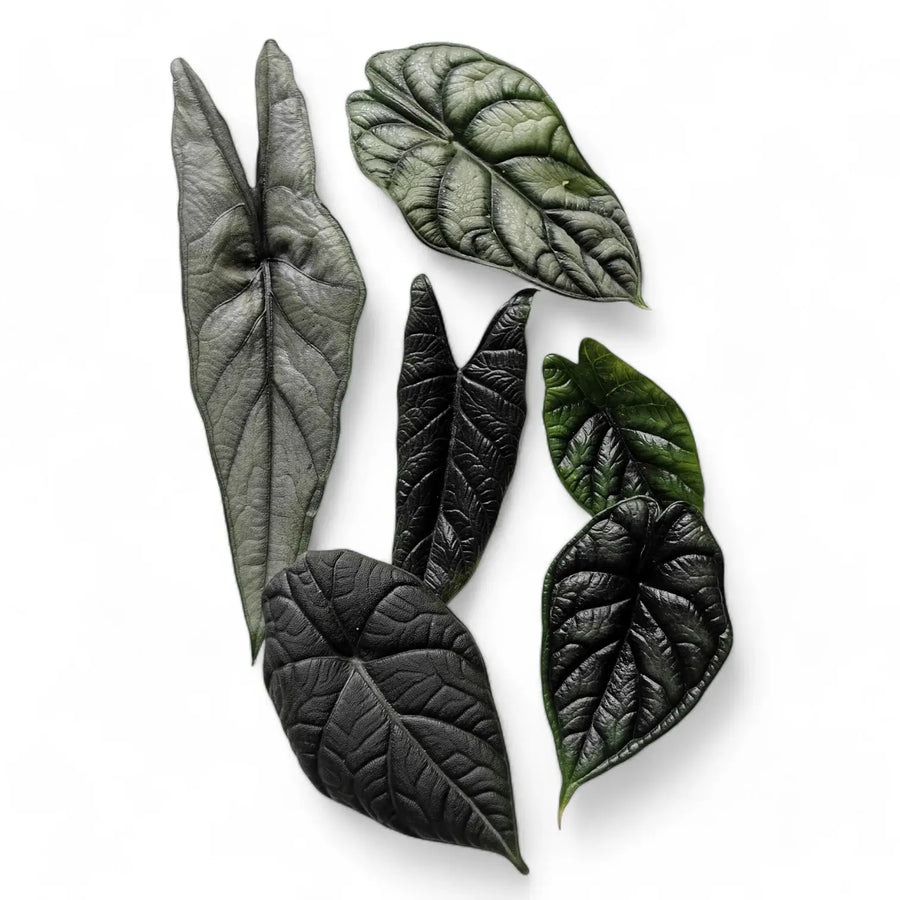
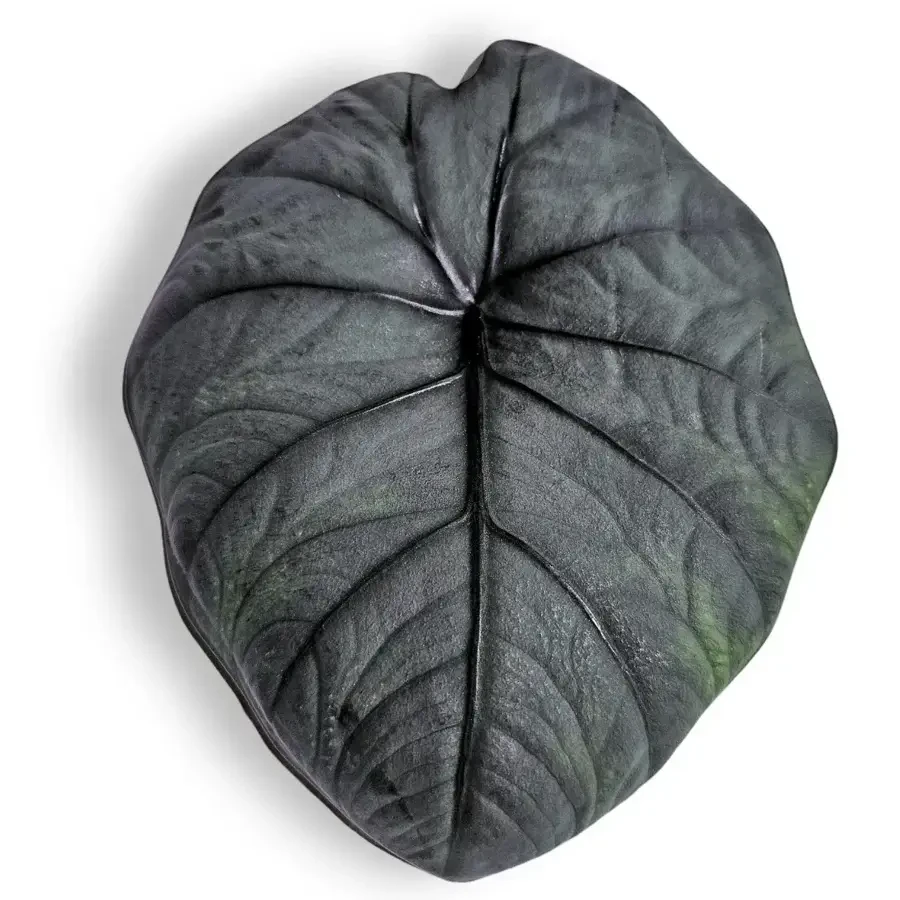
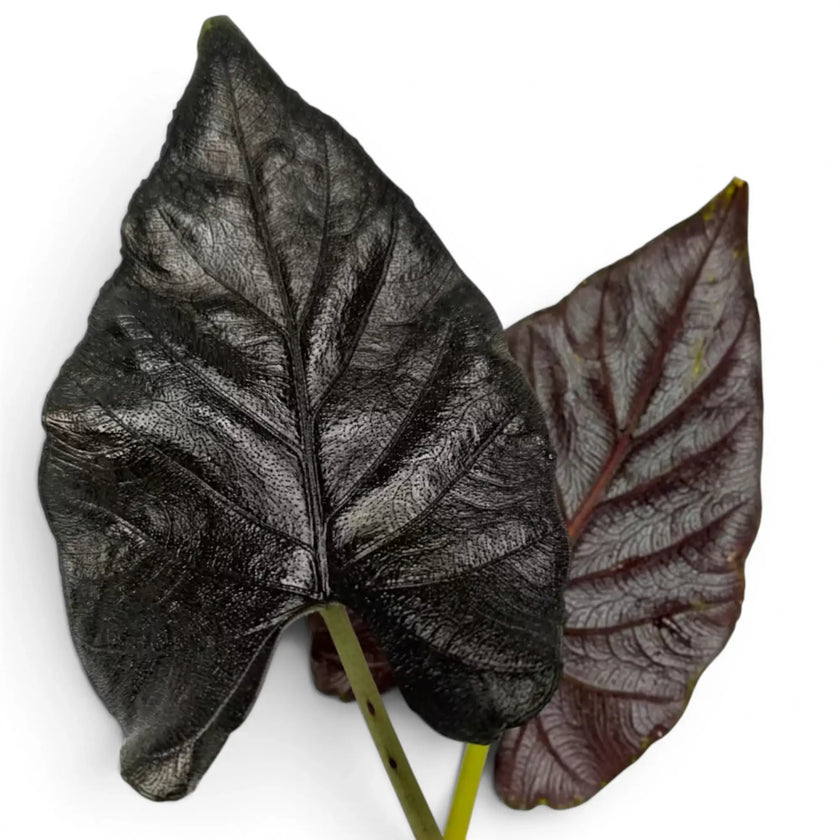
Alocasia – how to keep these gorgeous jewels on your side
Alocasia at home – bold leaves, clear feedback
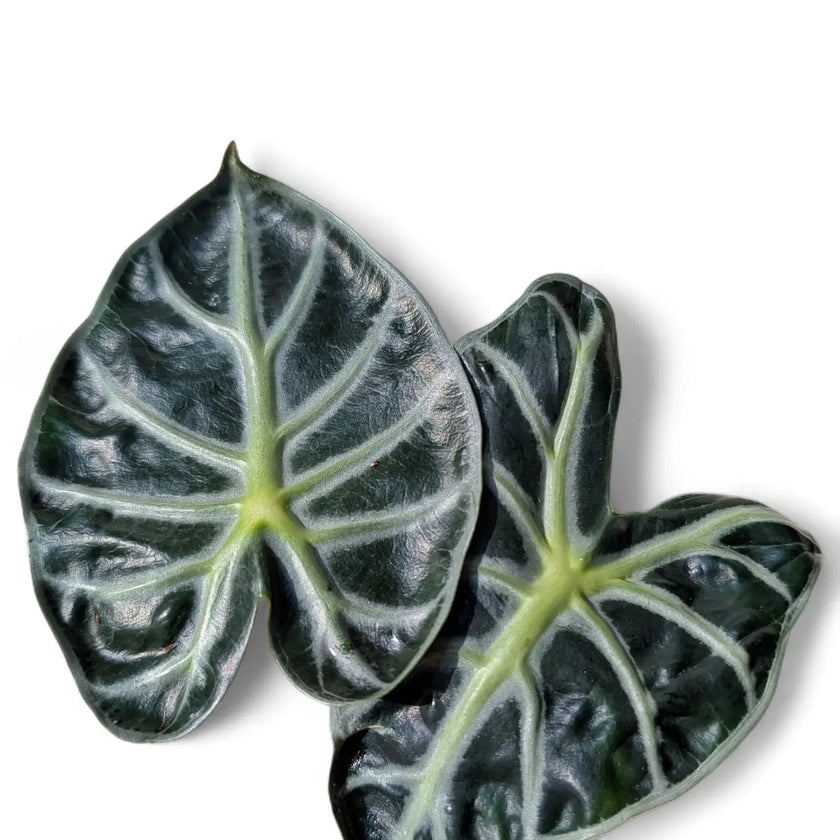
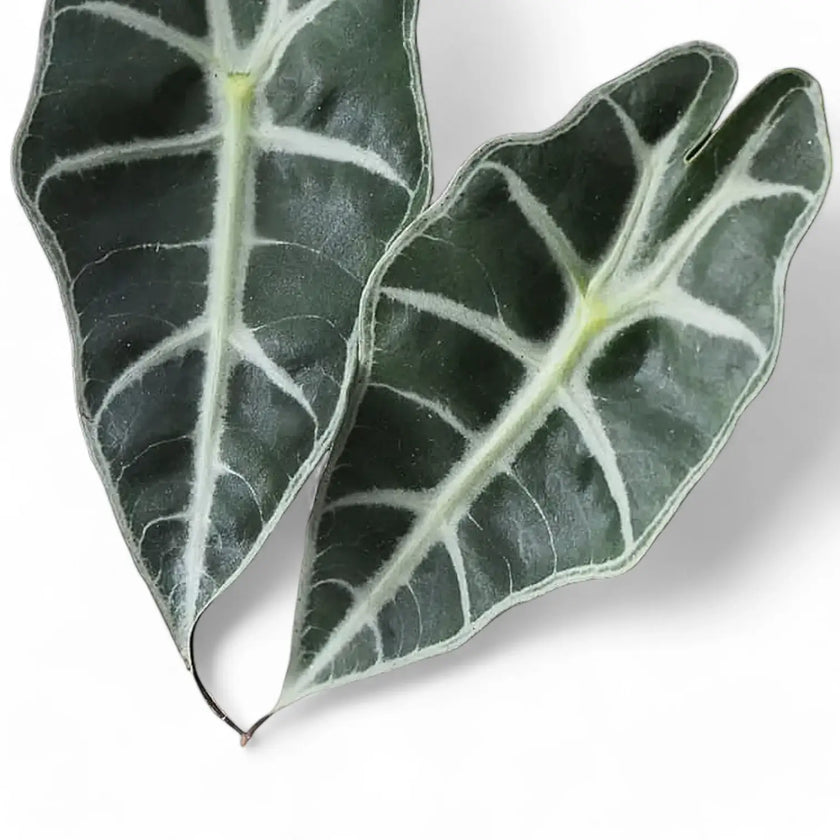
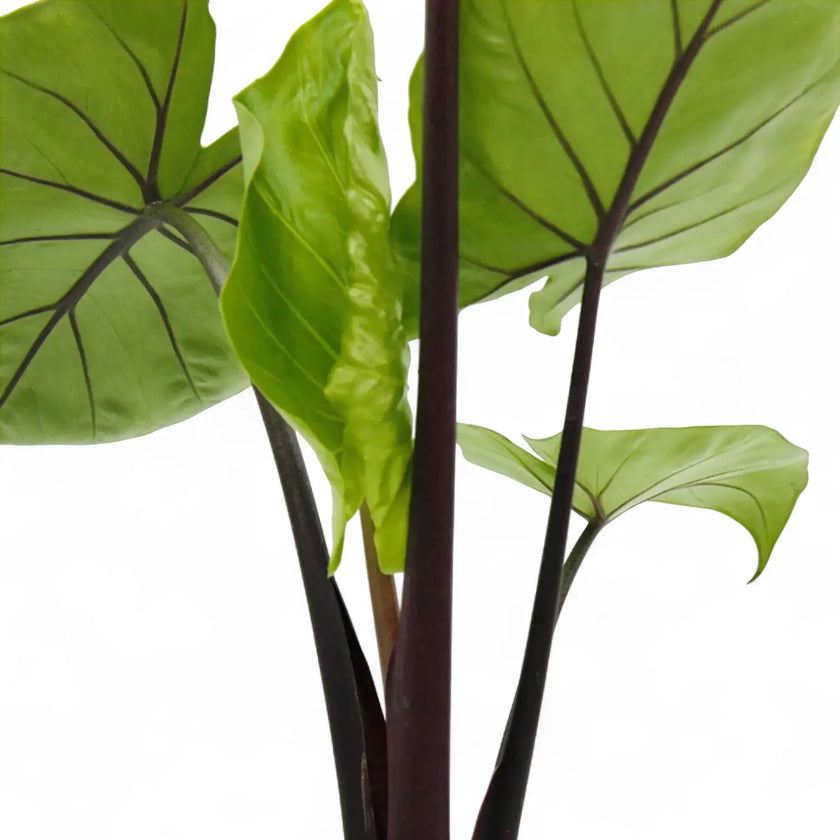
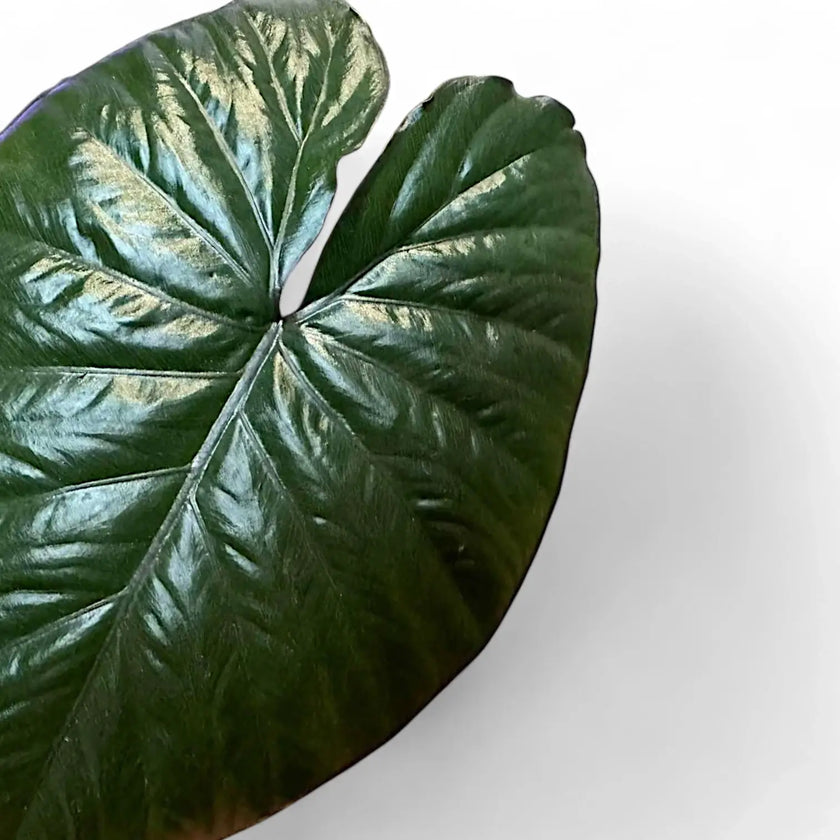
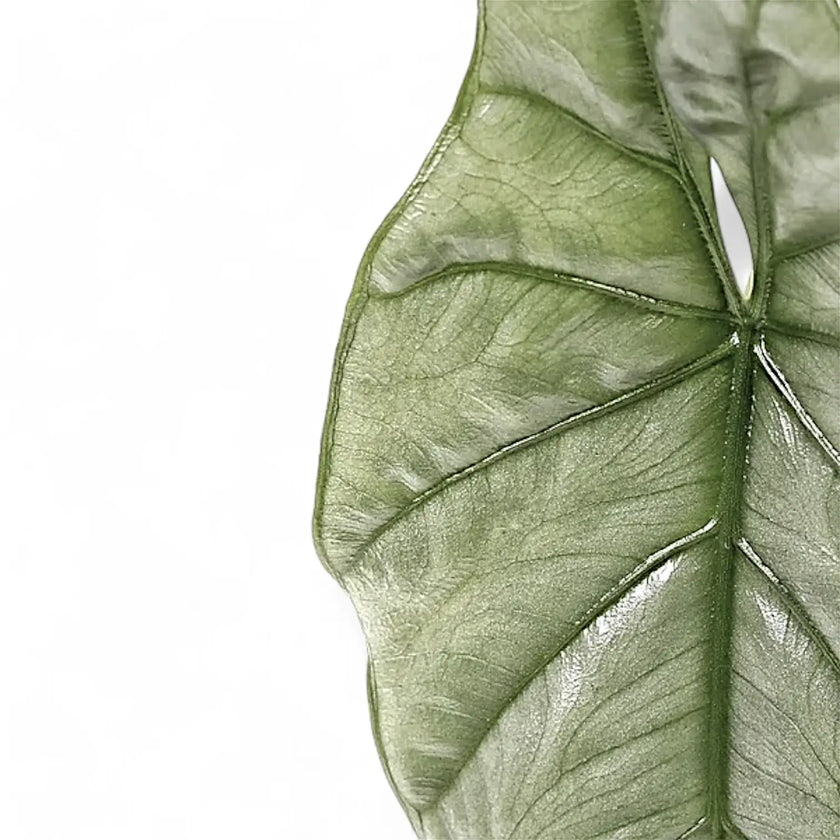
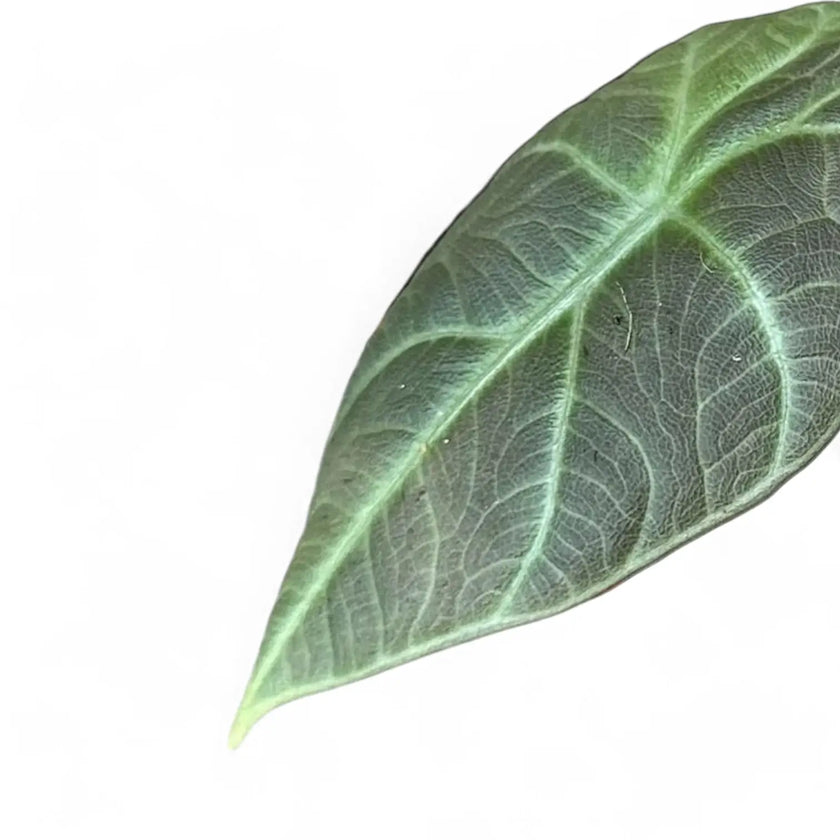
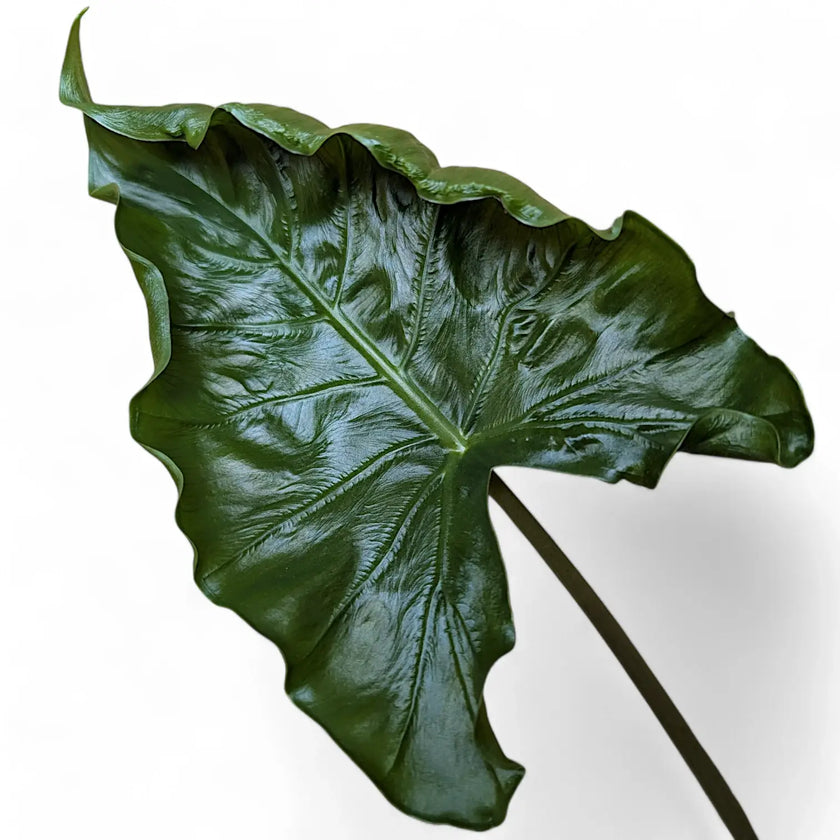
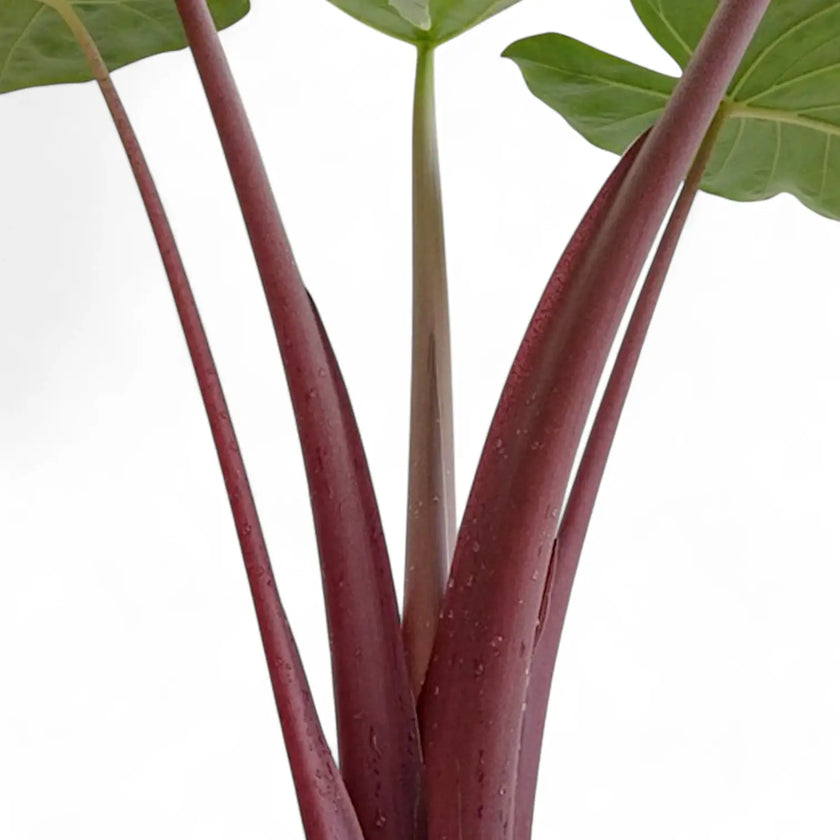
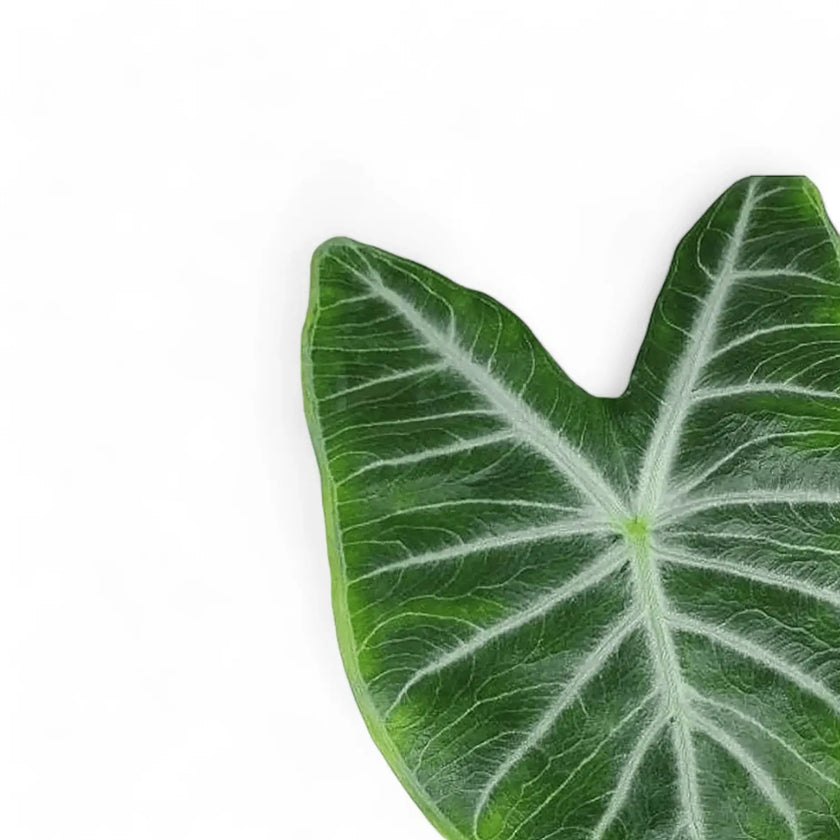
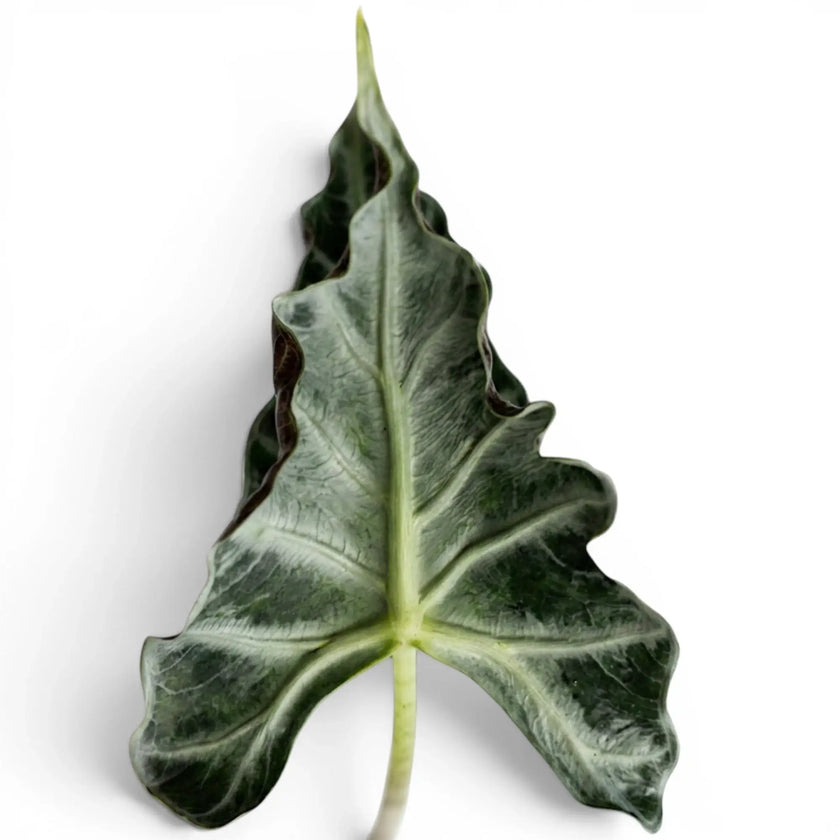
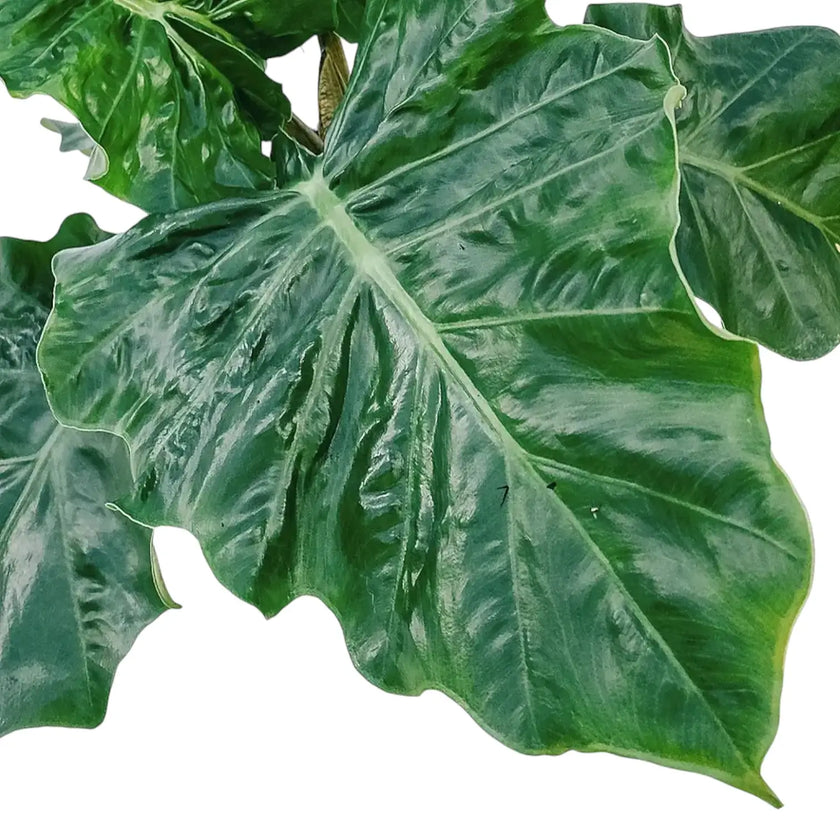
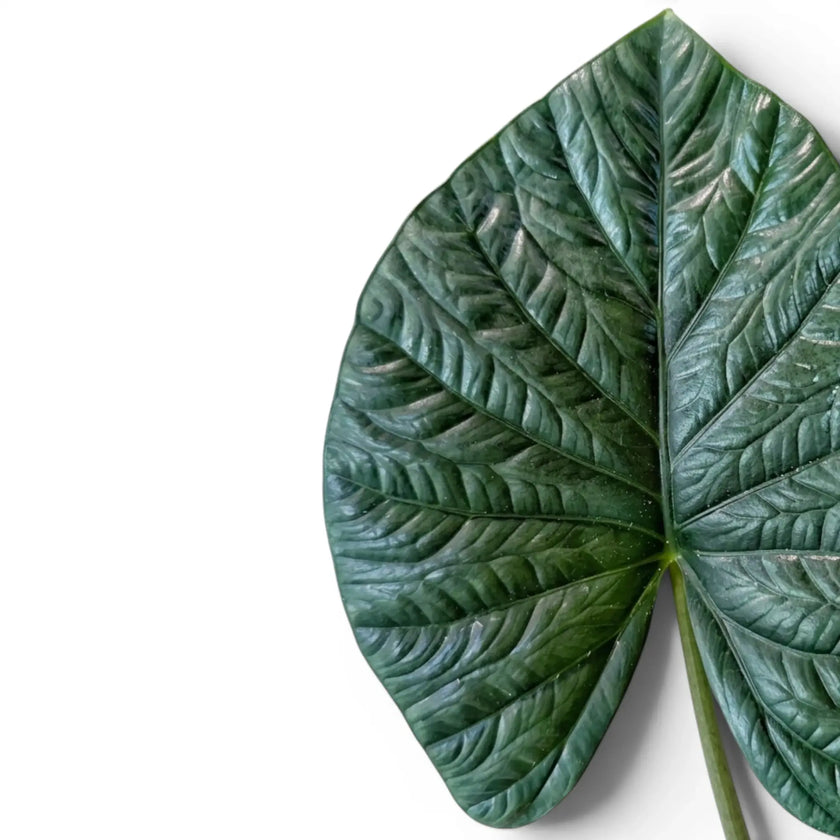
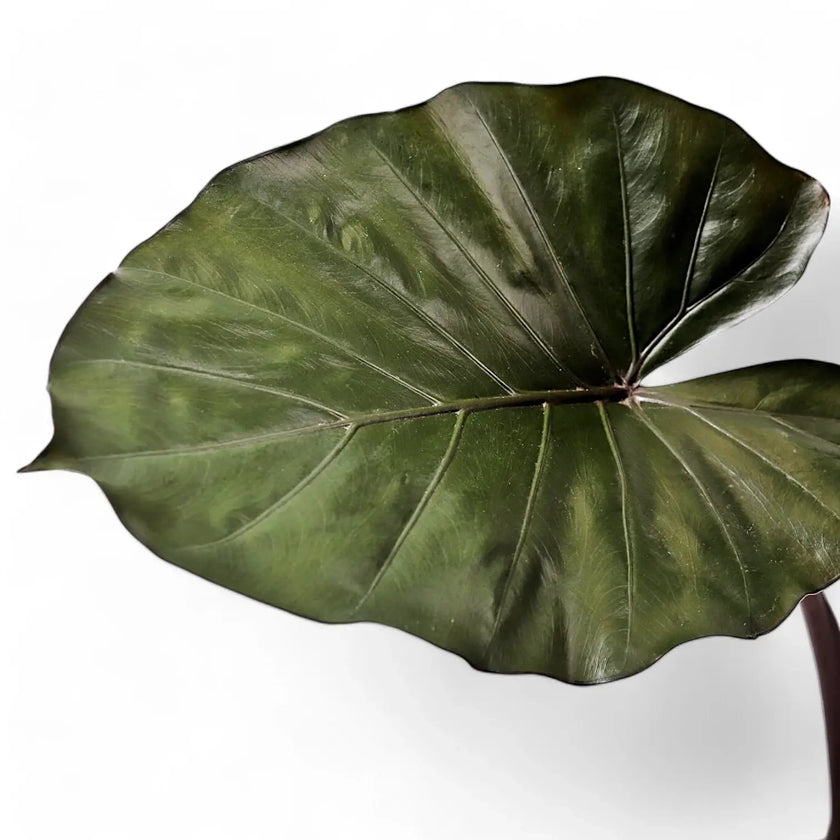
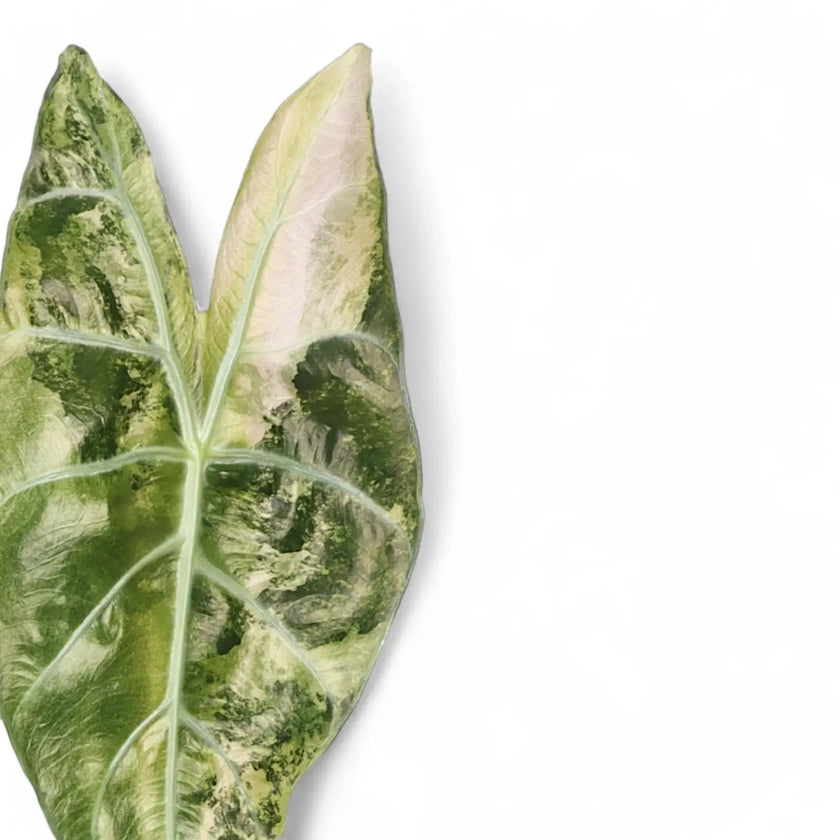
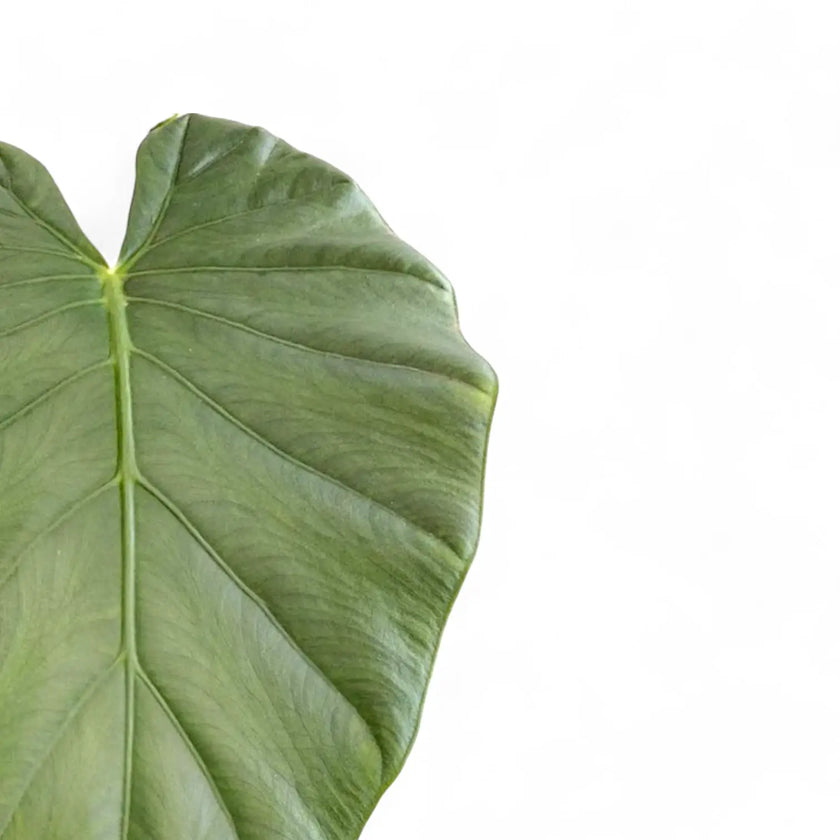
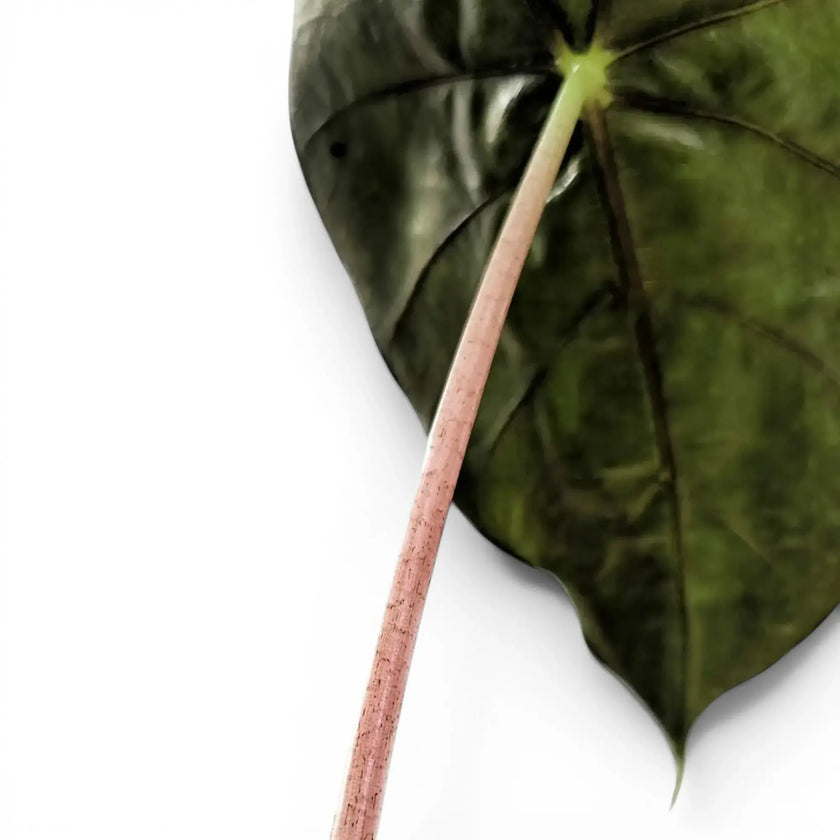
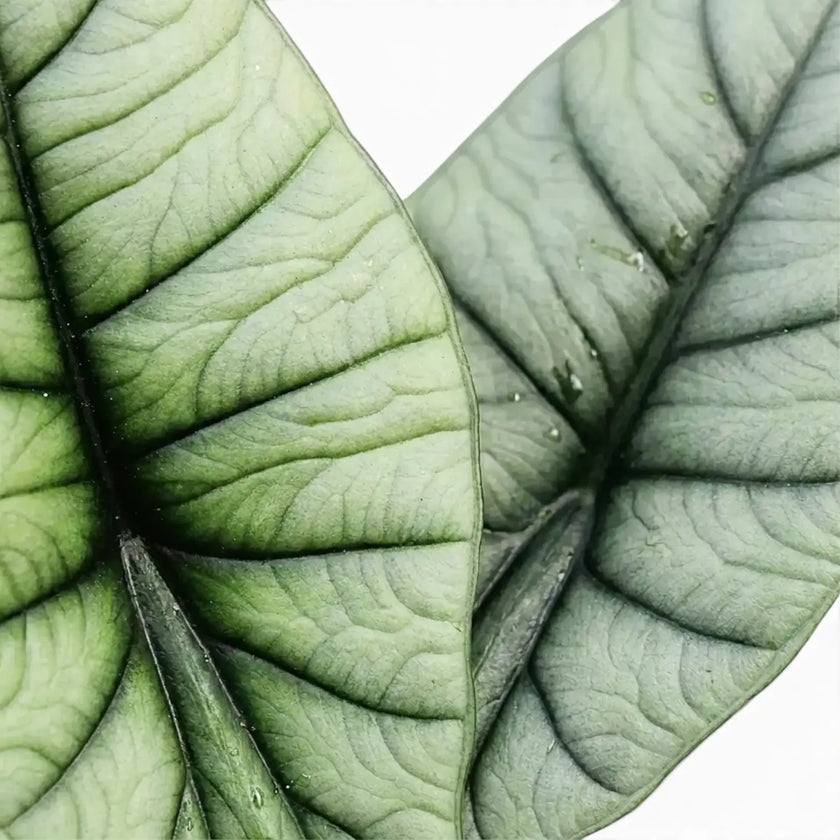
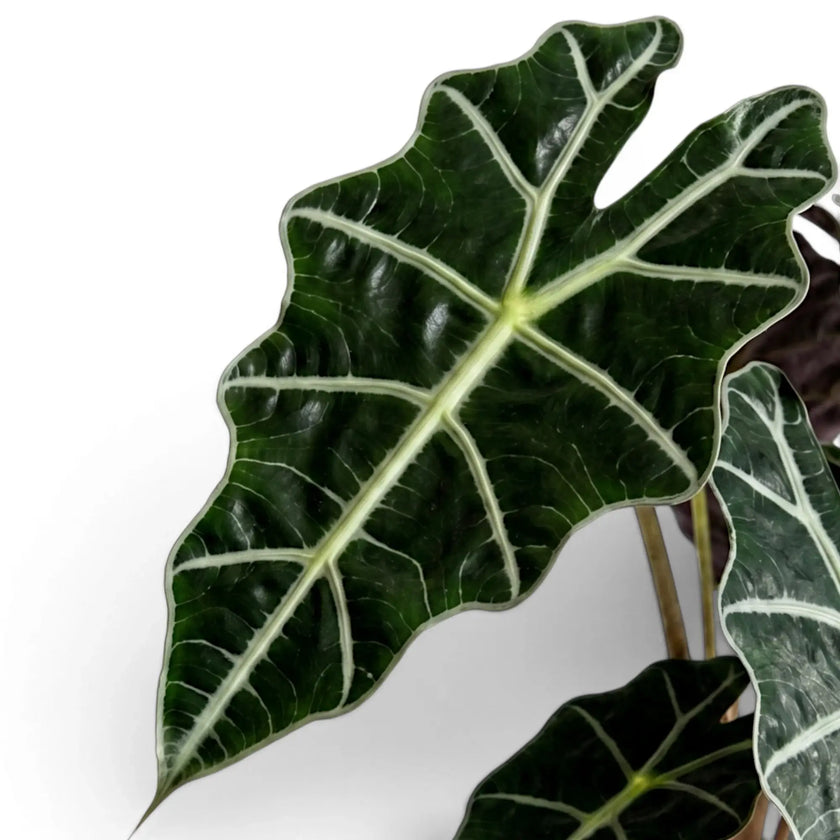
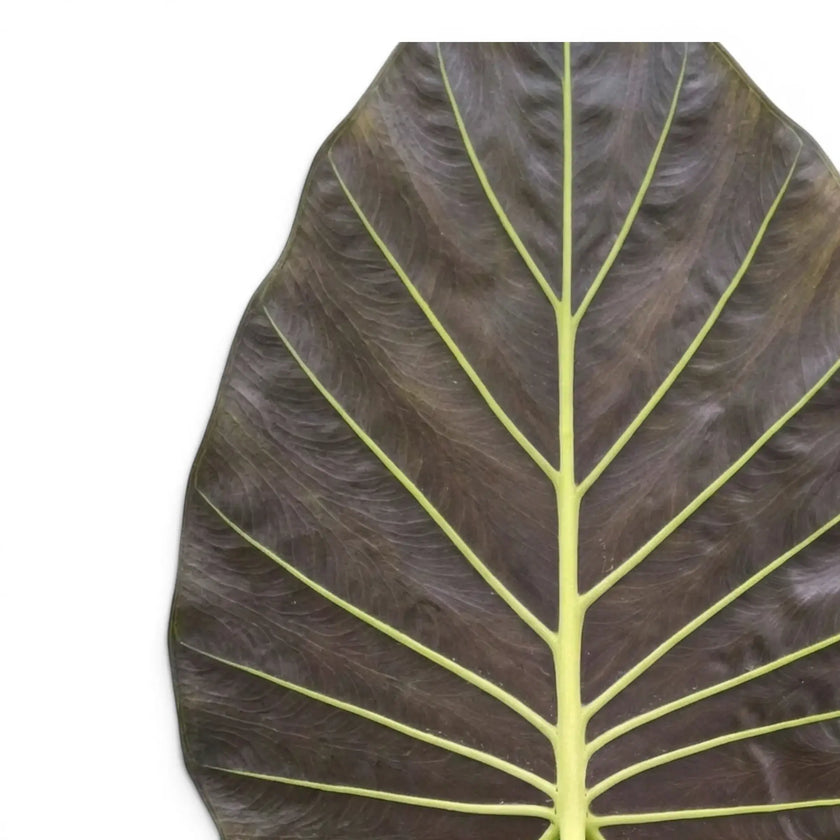
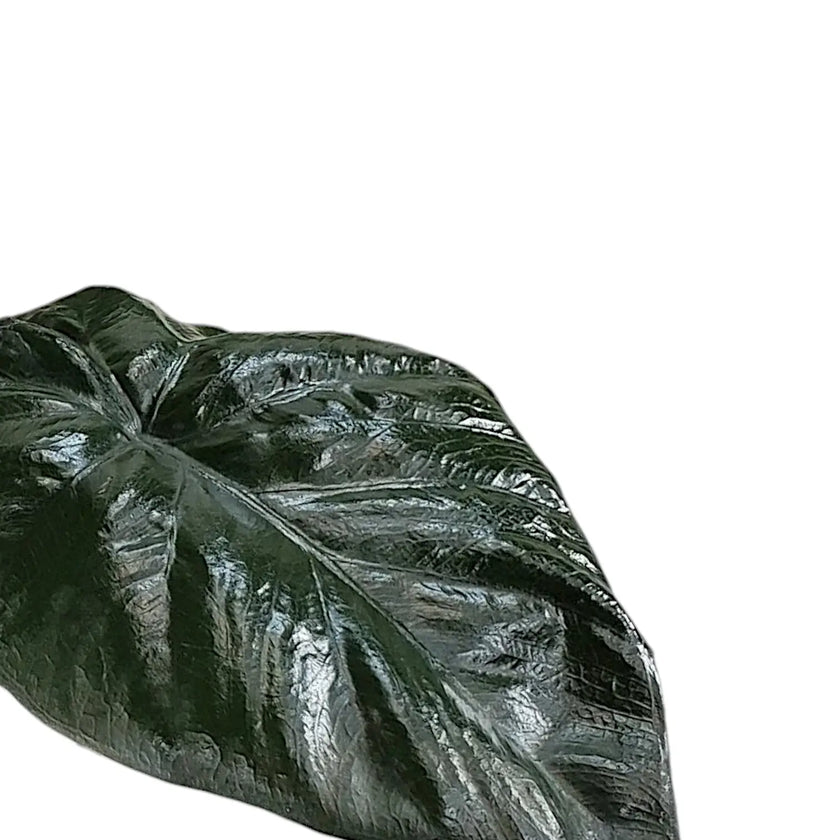
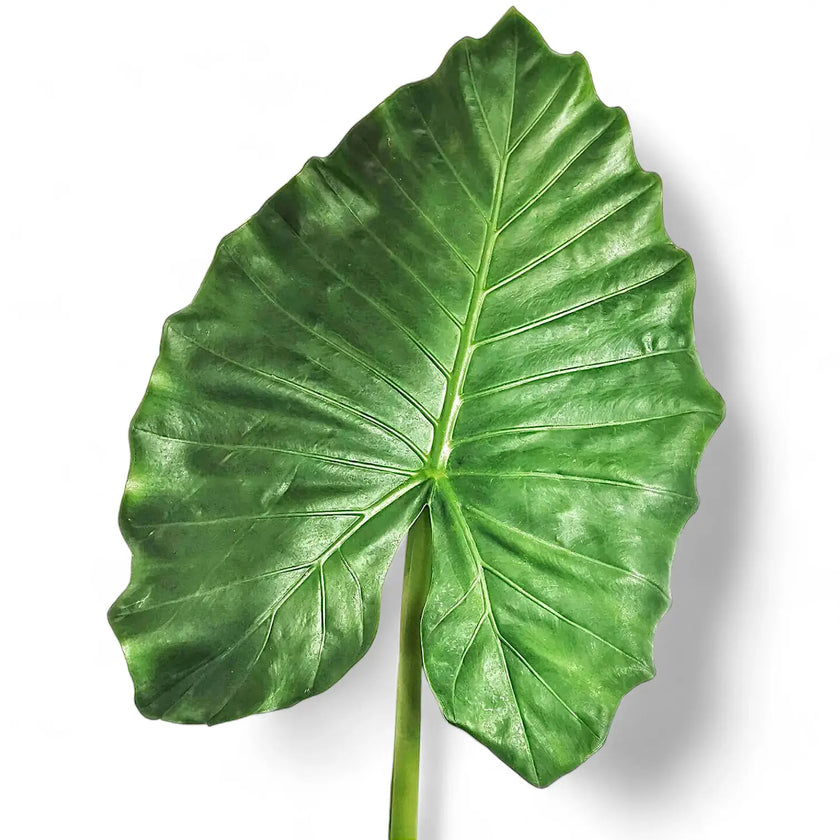
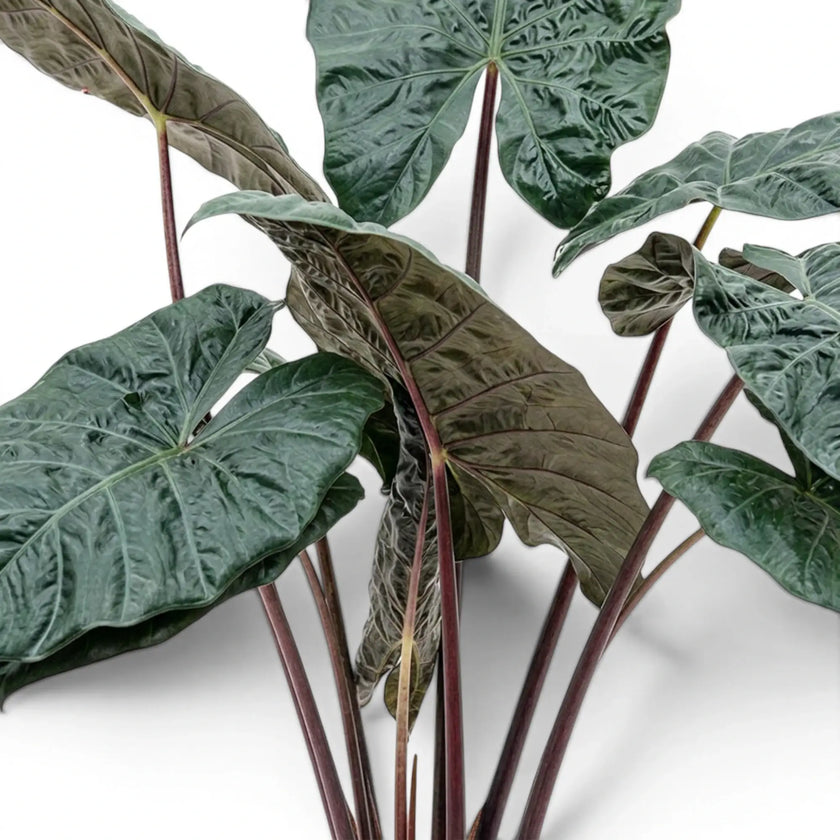
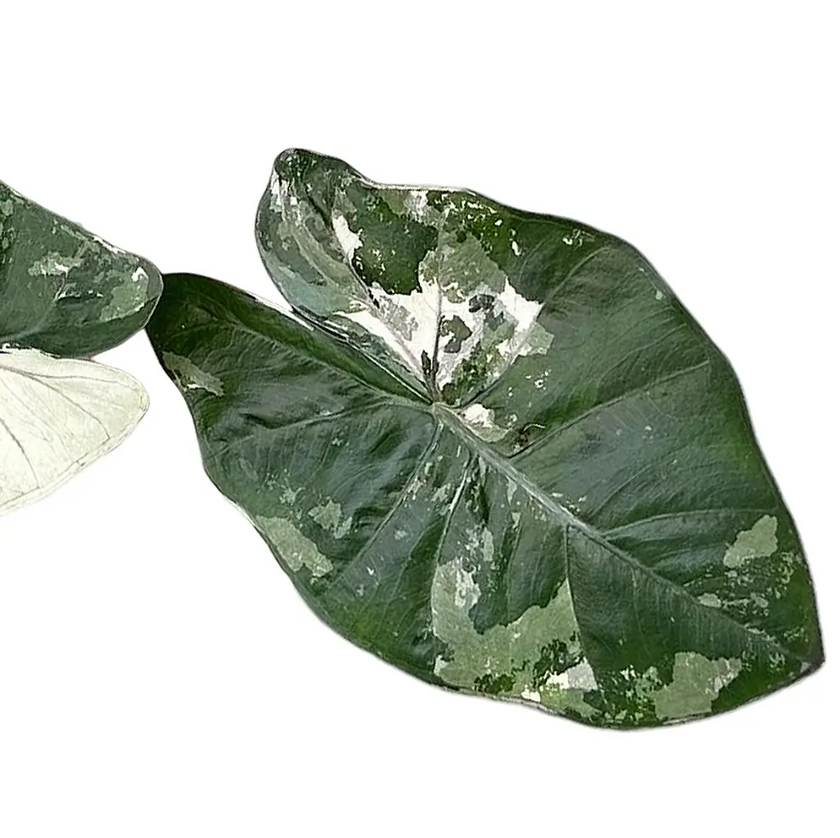
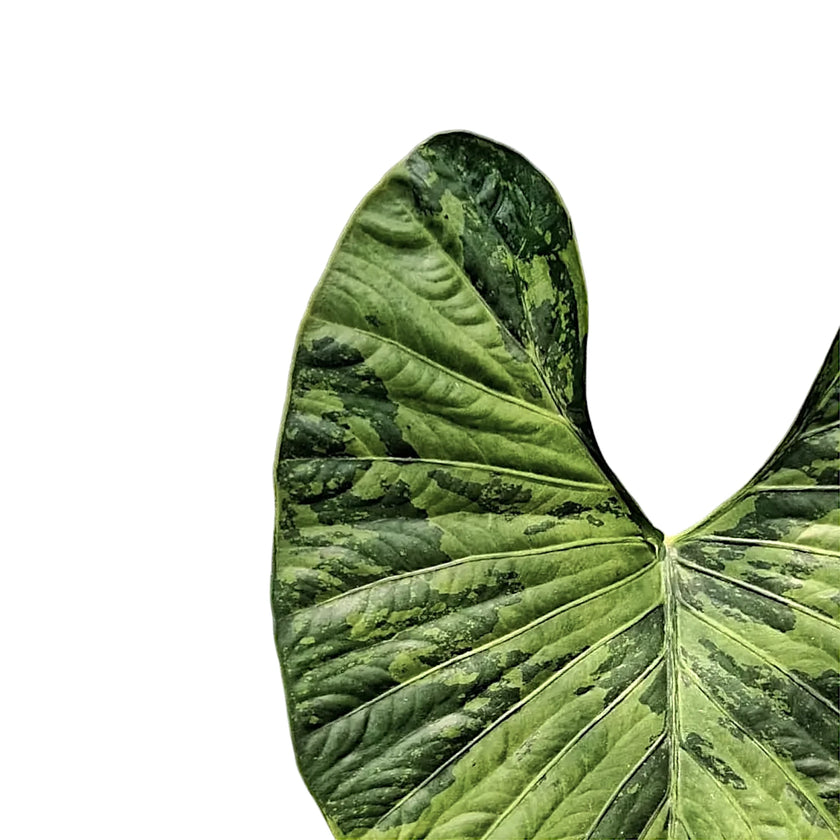
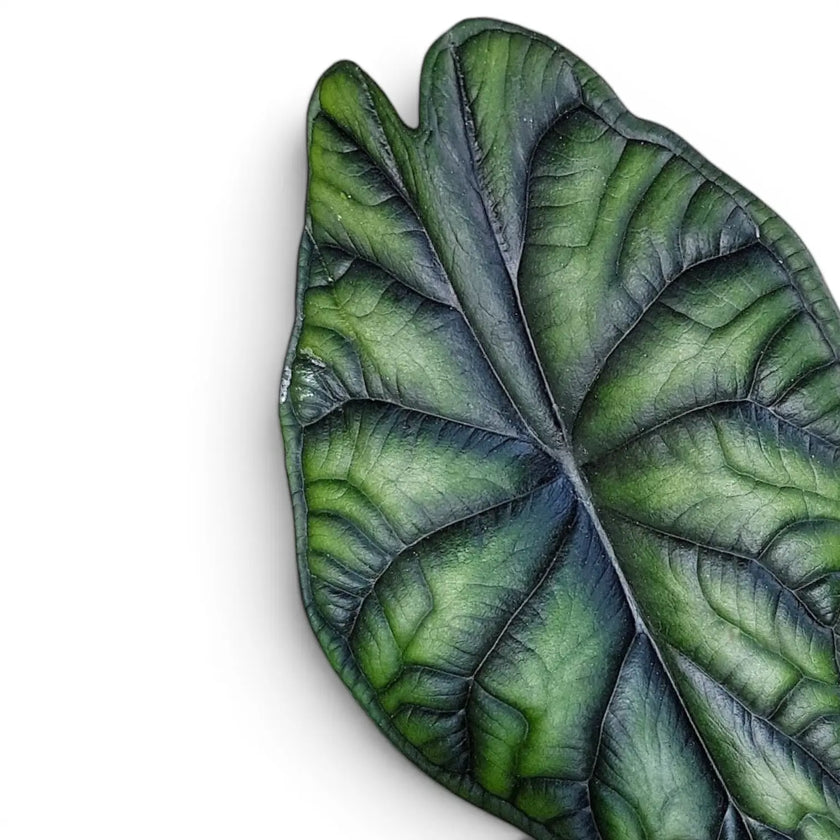
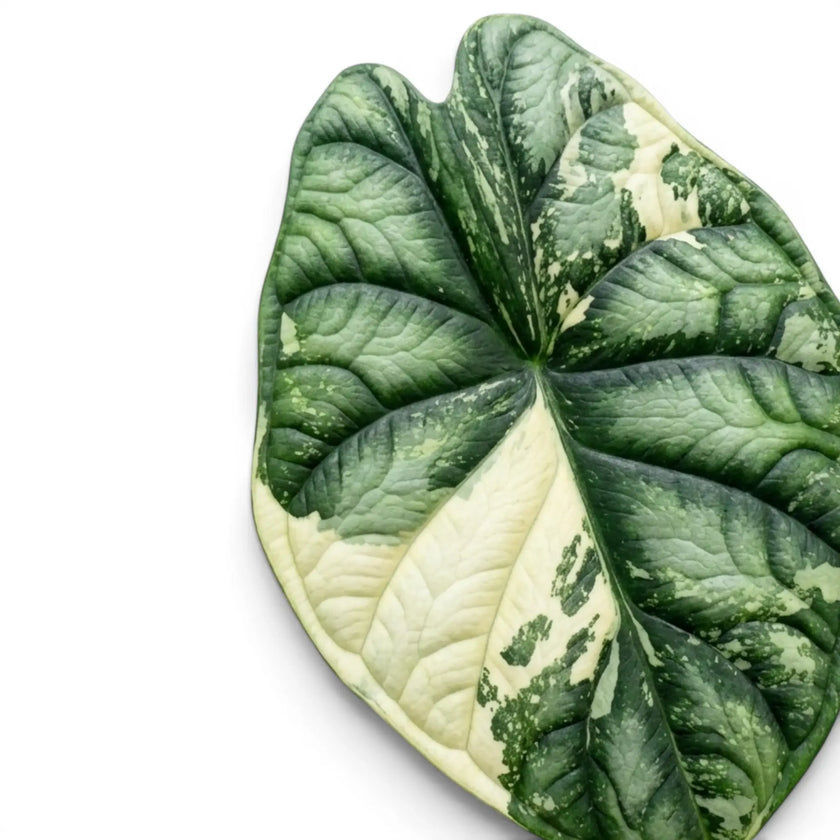
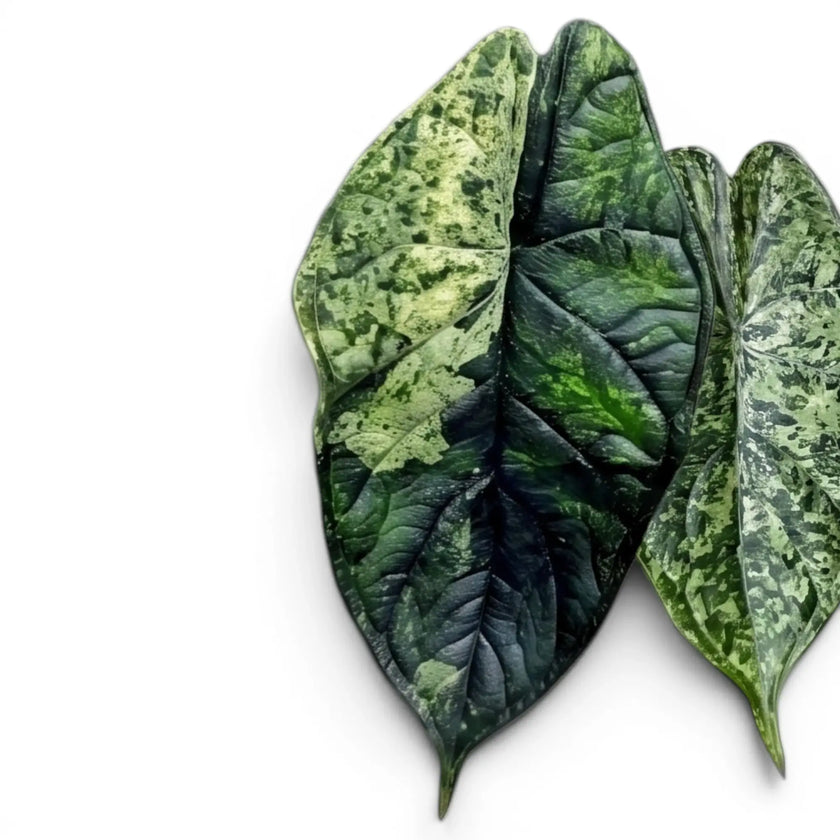
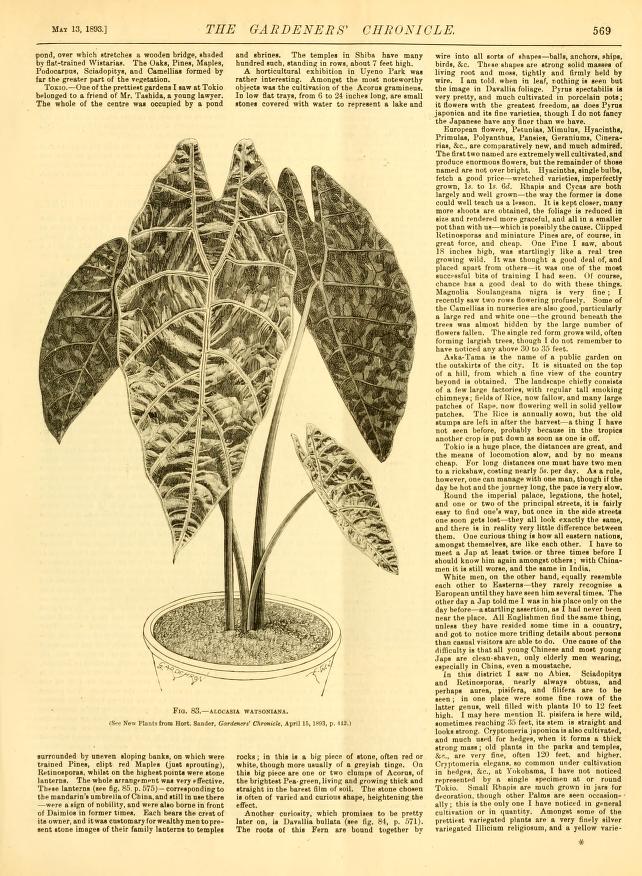
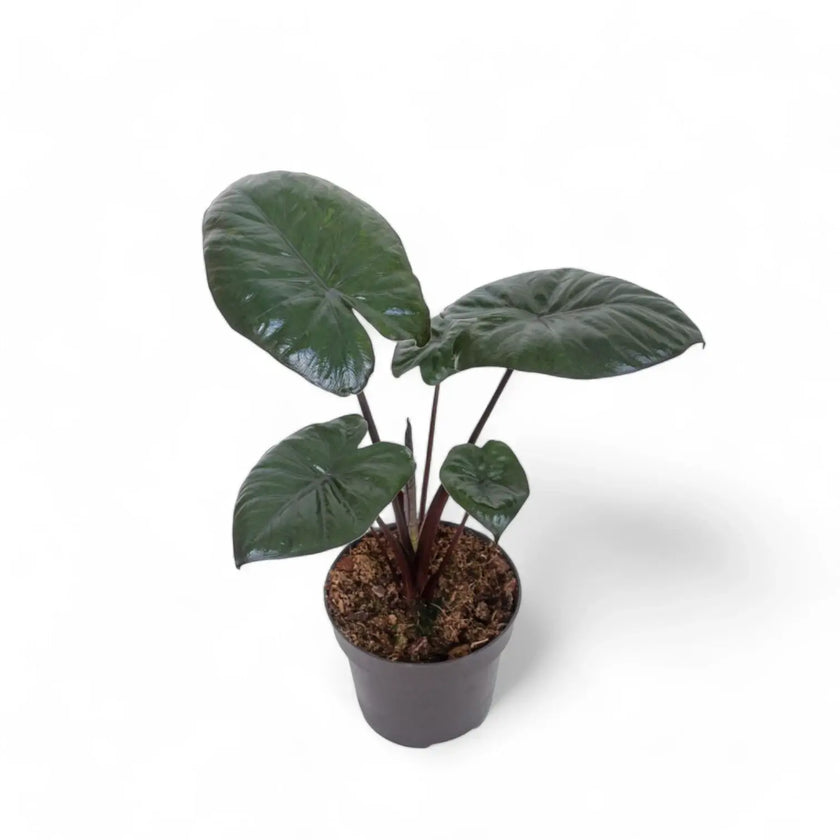
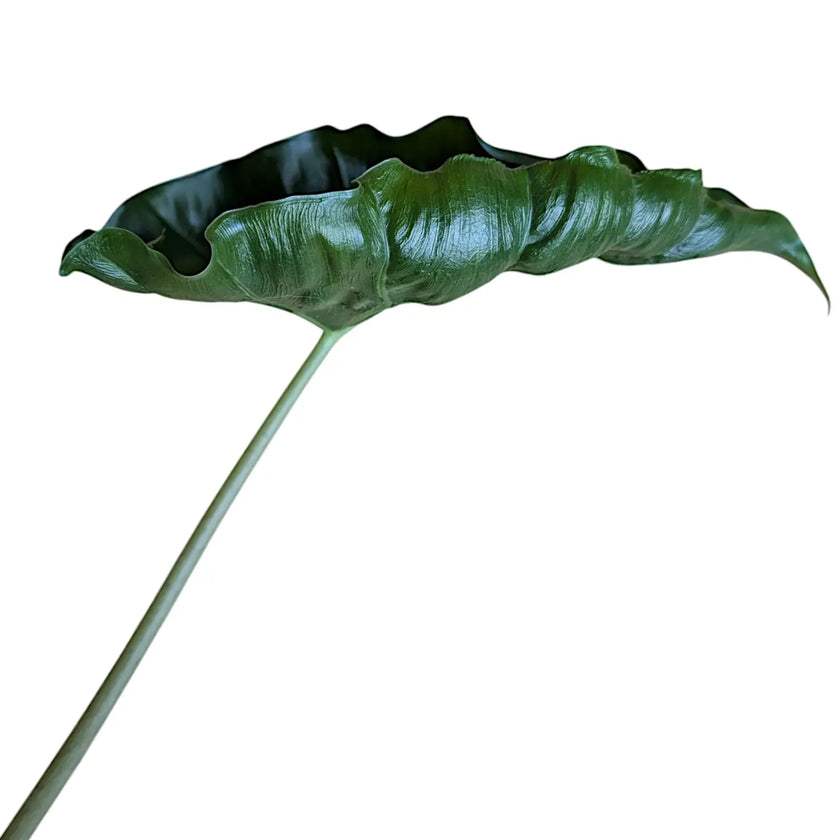
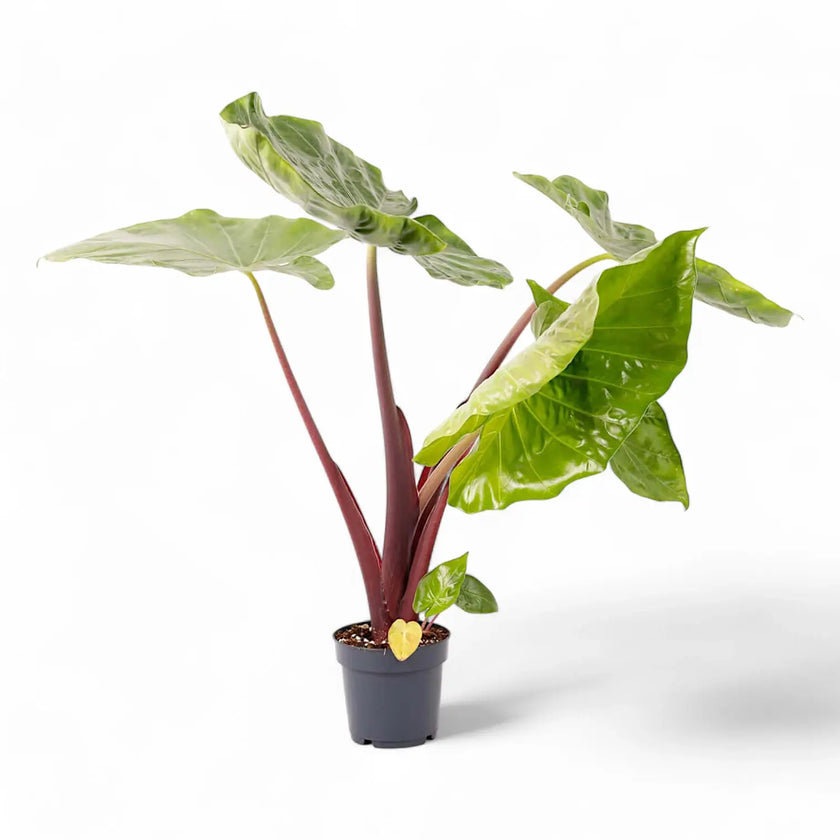
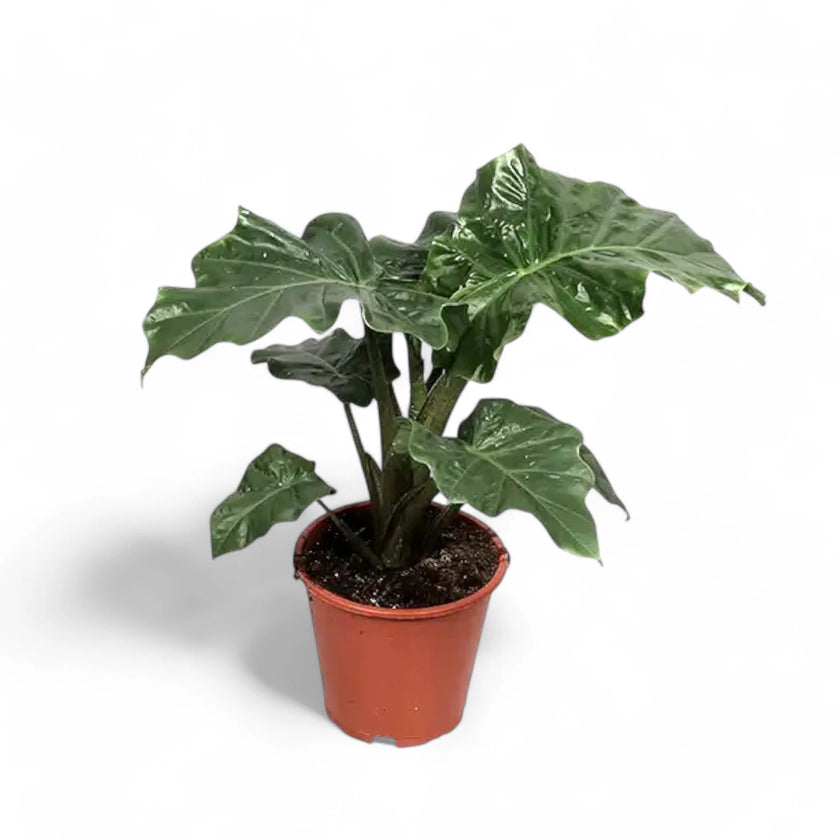
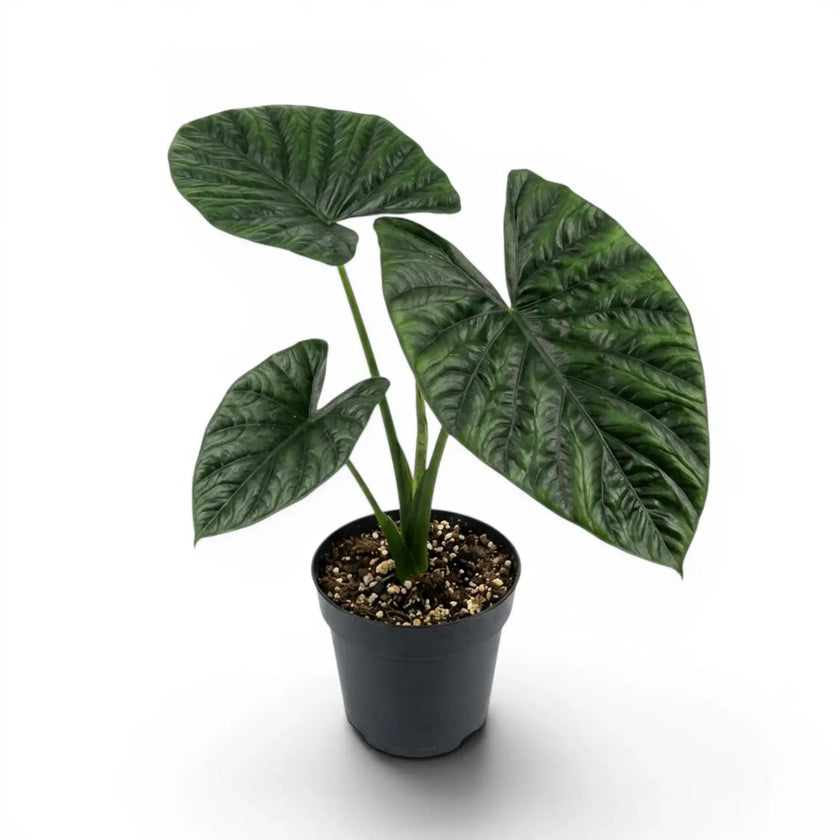
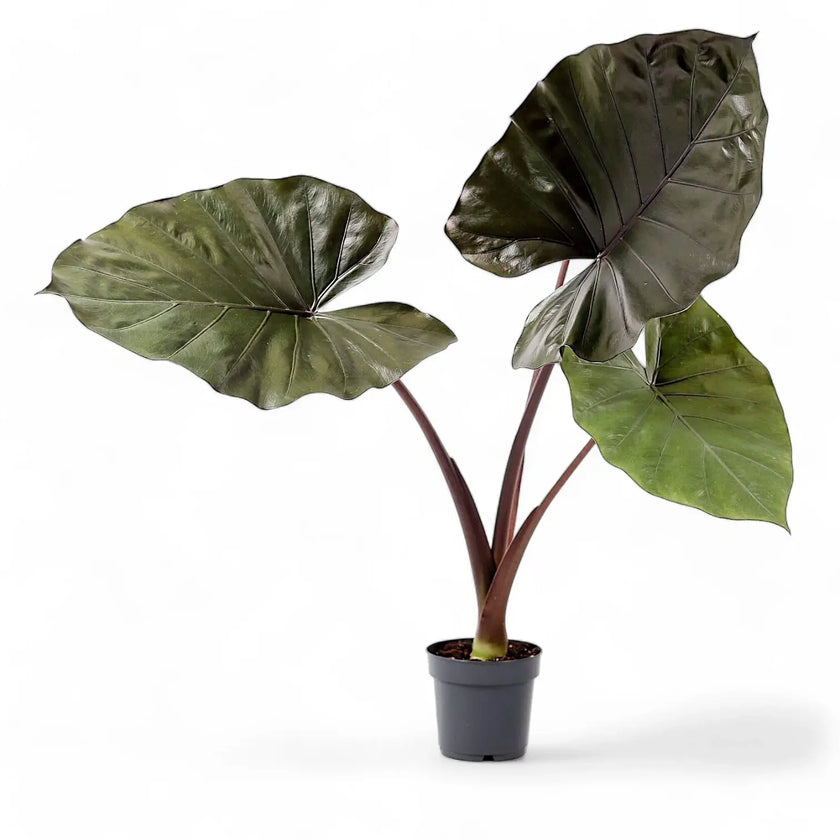
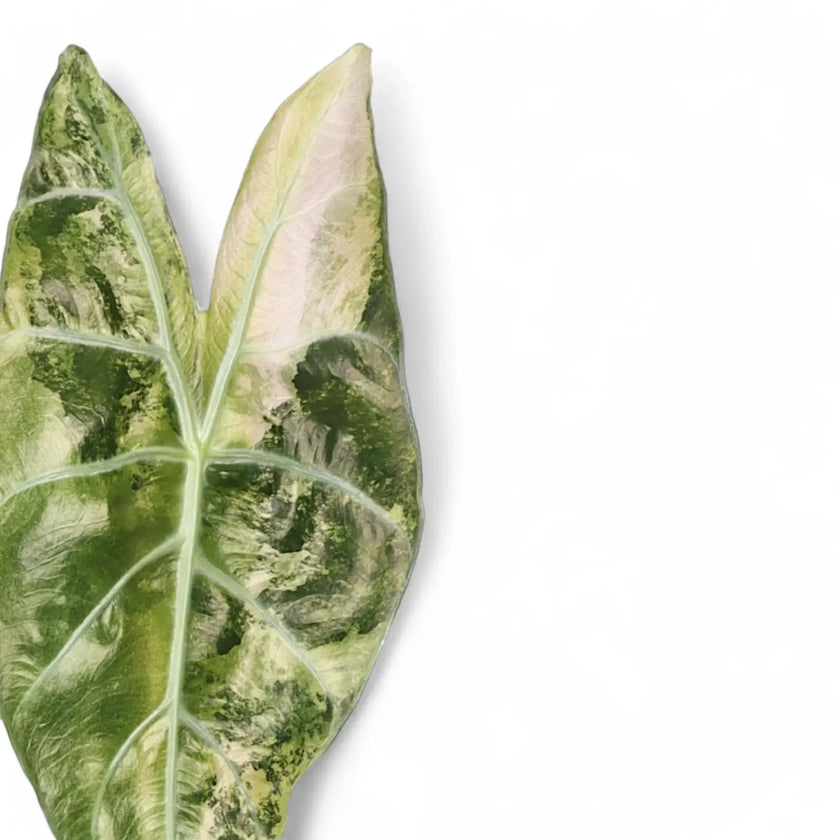
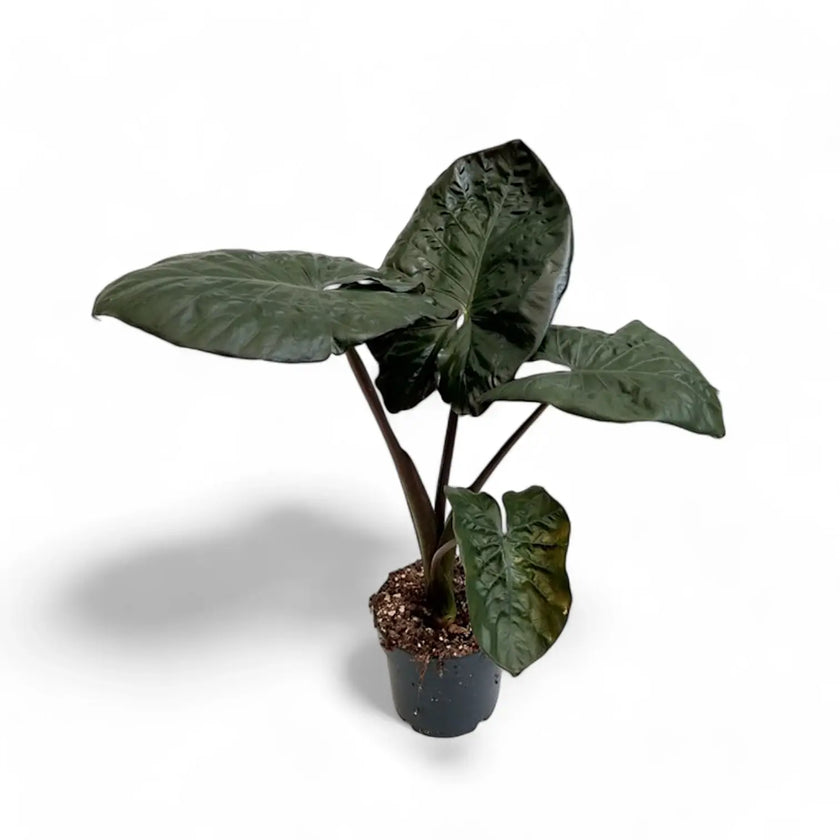
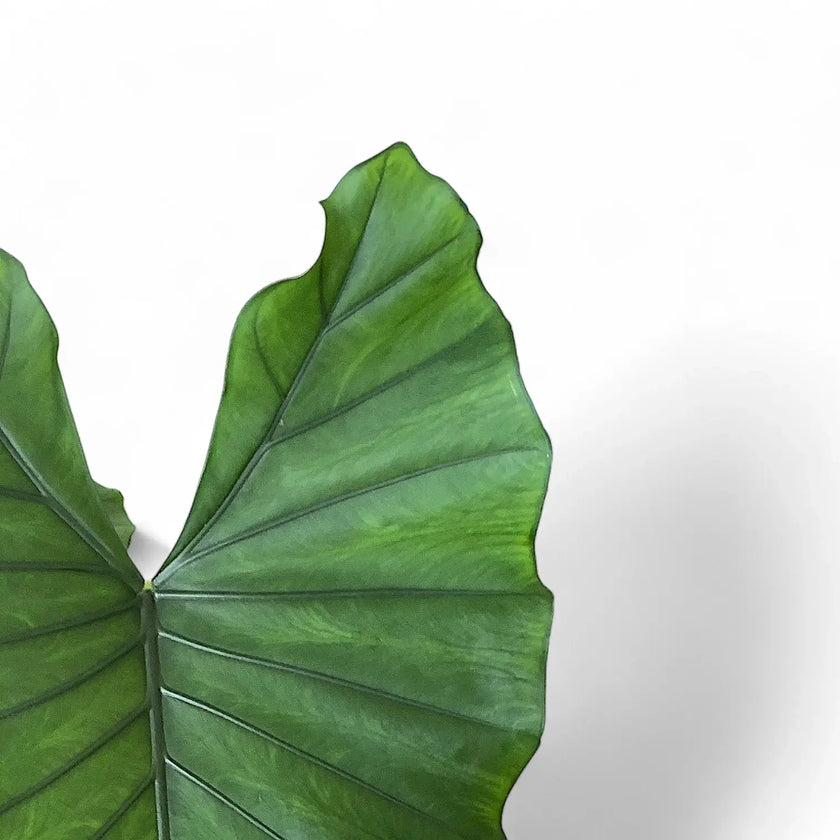
Alocasia is not subtle. Large shields, arrows or velvet hearts sit on strong petioles and move with every draft, so you always know where the plant is and how it feels. Growth comes in pulses: a new leaf pushes, the oldest one retires, and overall leaf size tracks how well light, warmth and watering line up. When care drifts off track, Alocasia says so quickly – which is exactly what makes it addictive for many collectors.
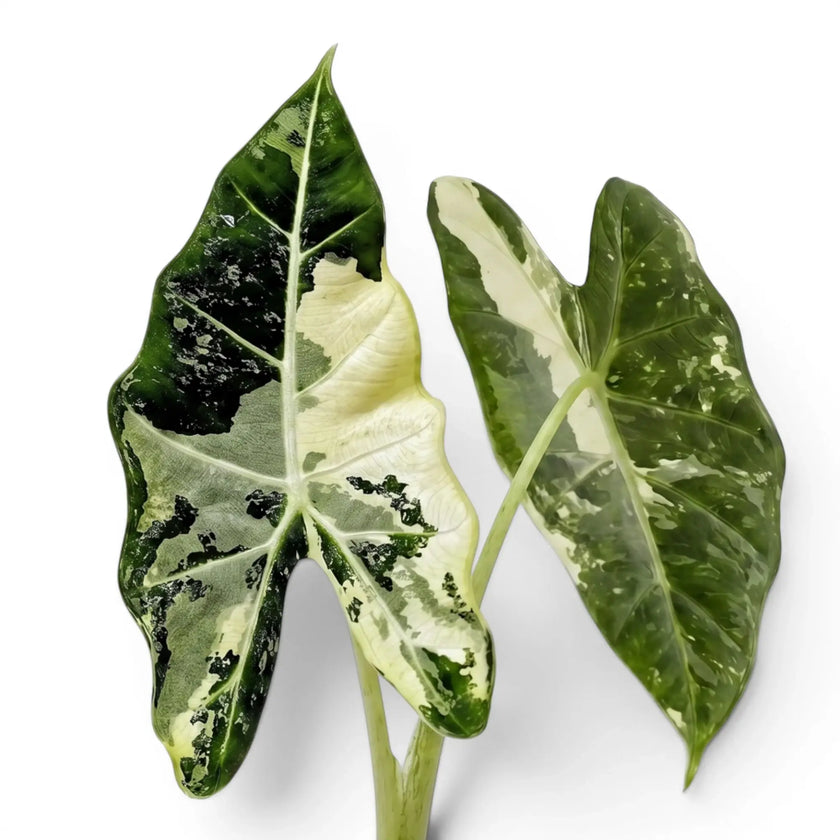
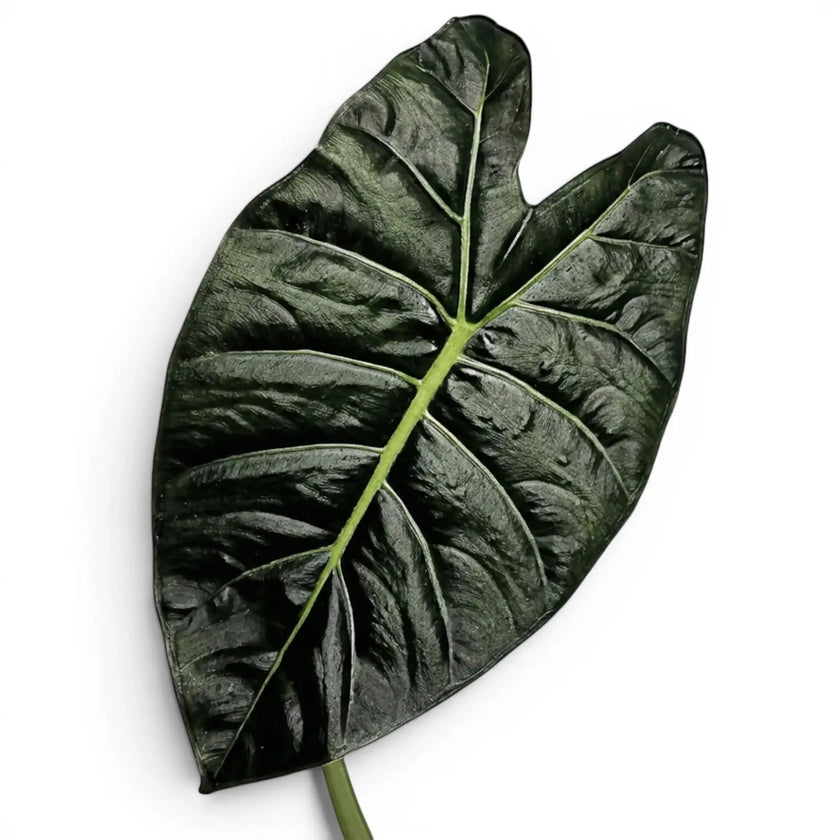
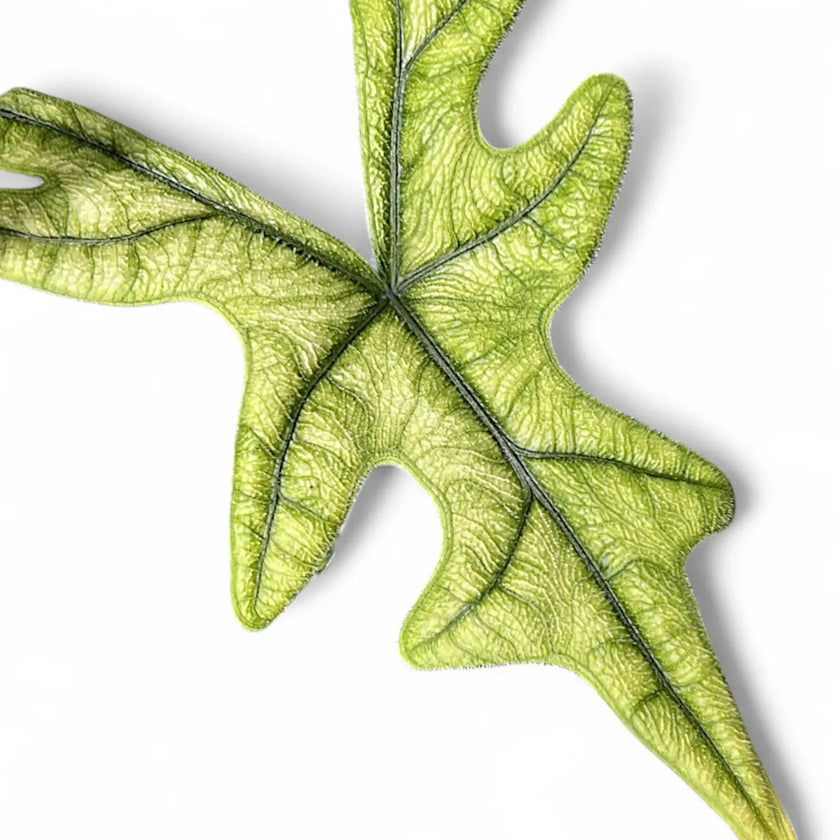
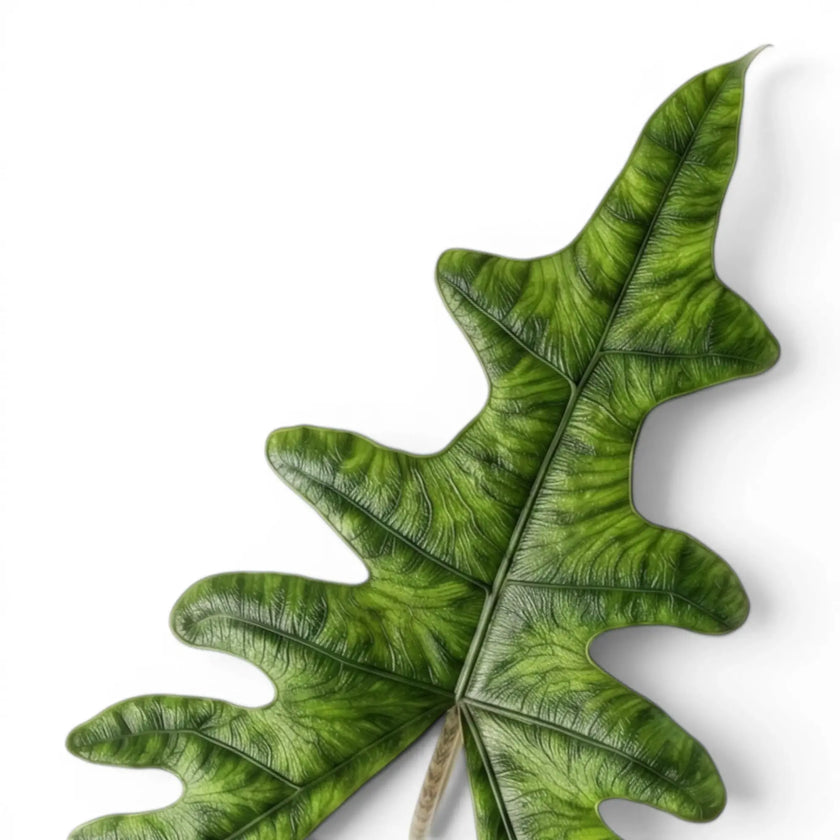
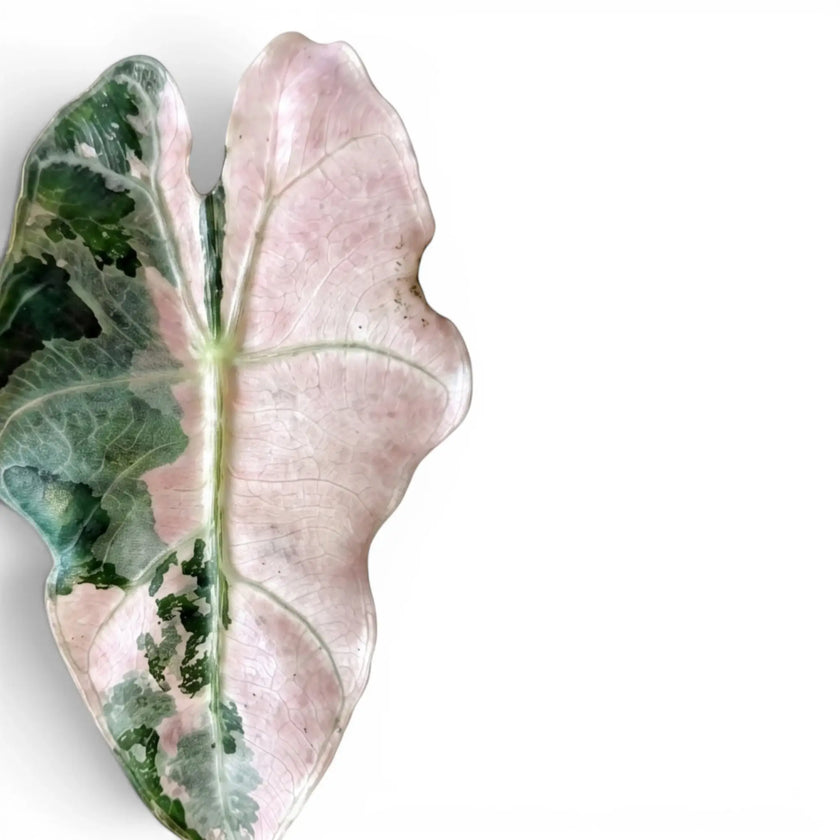
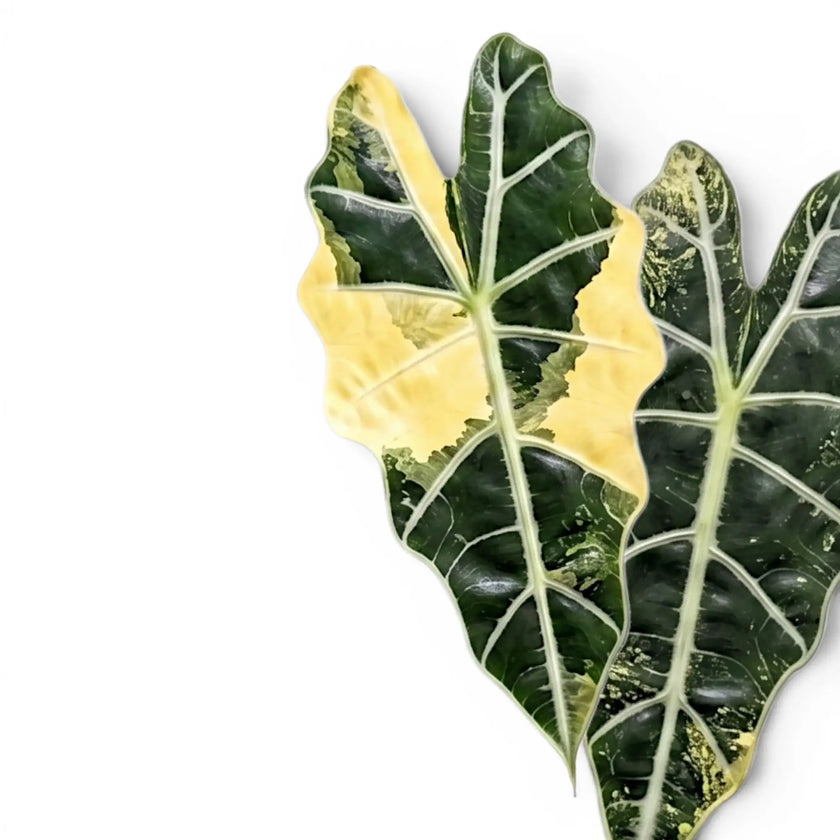
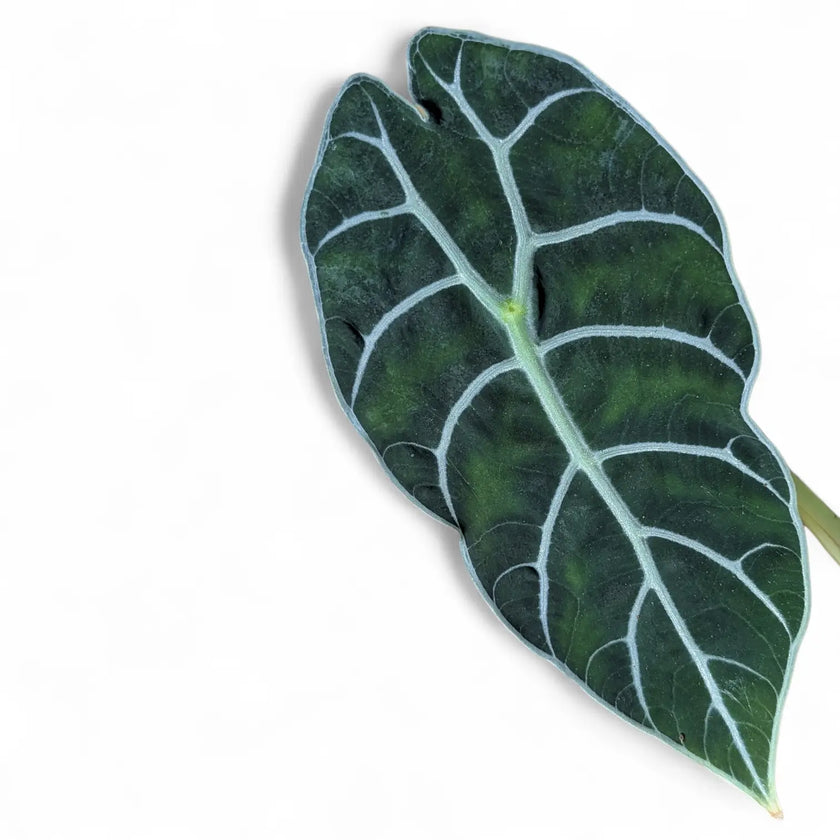
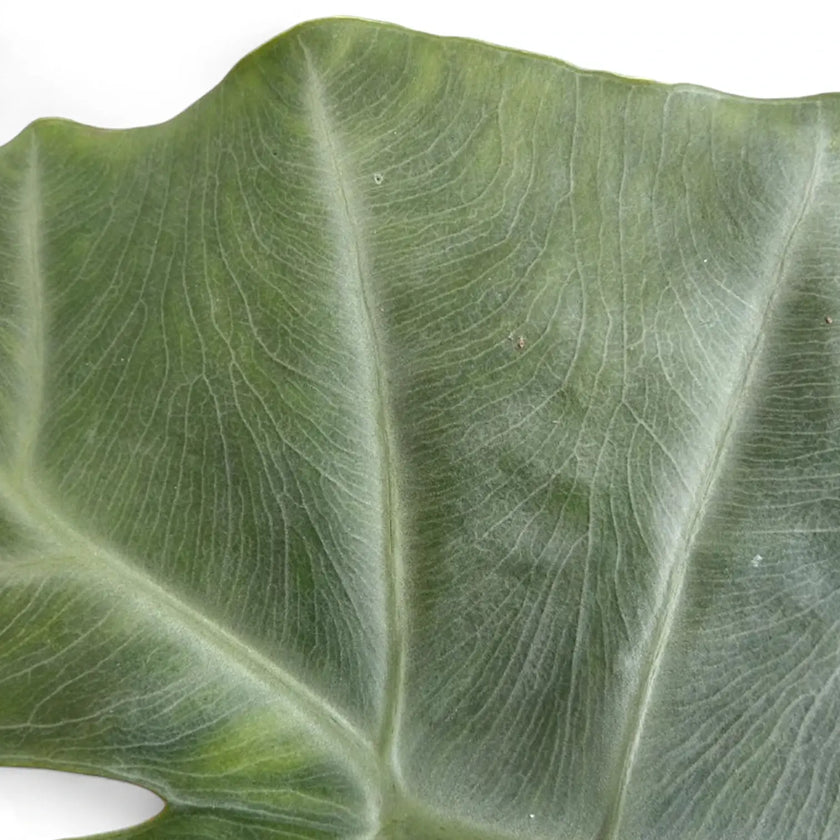
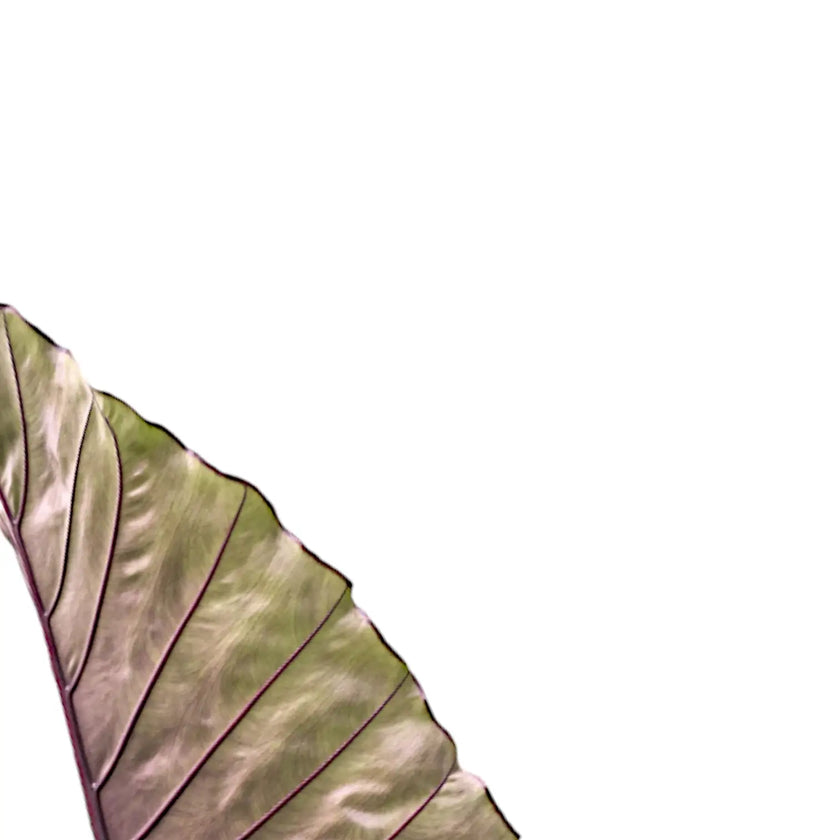
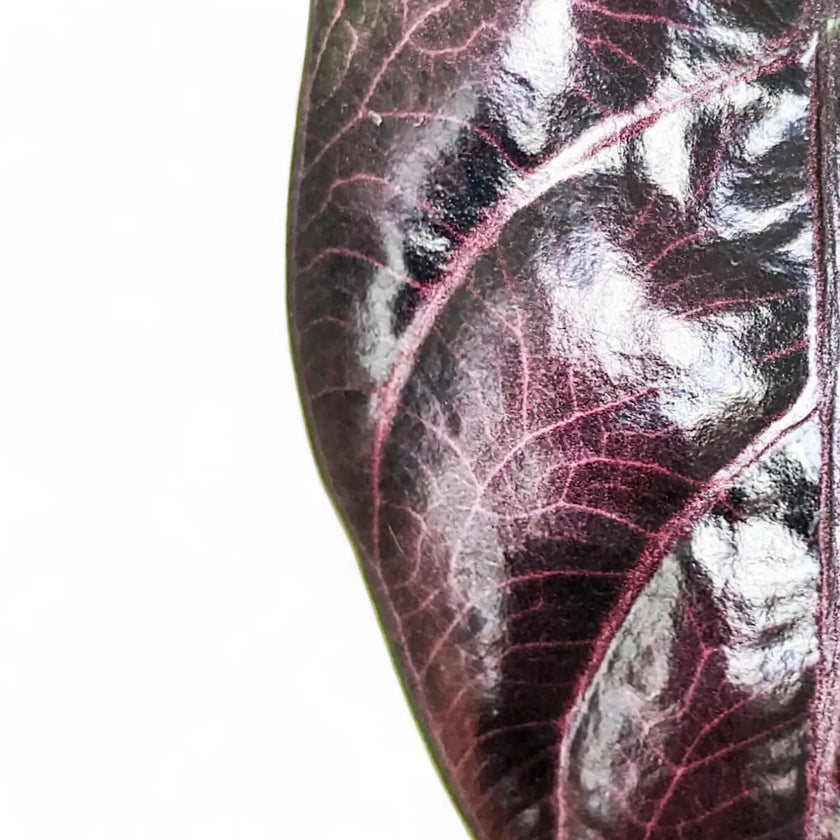
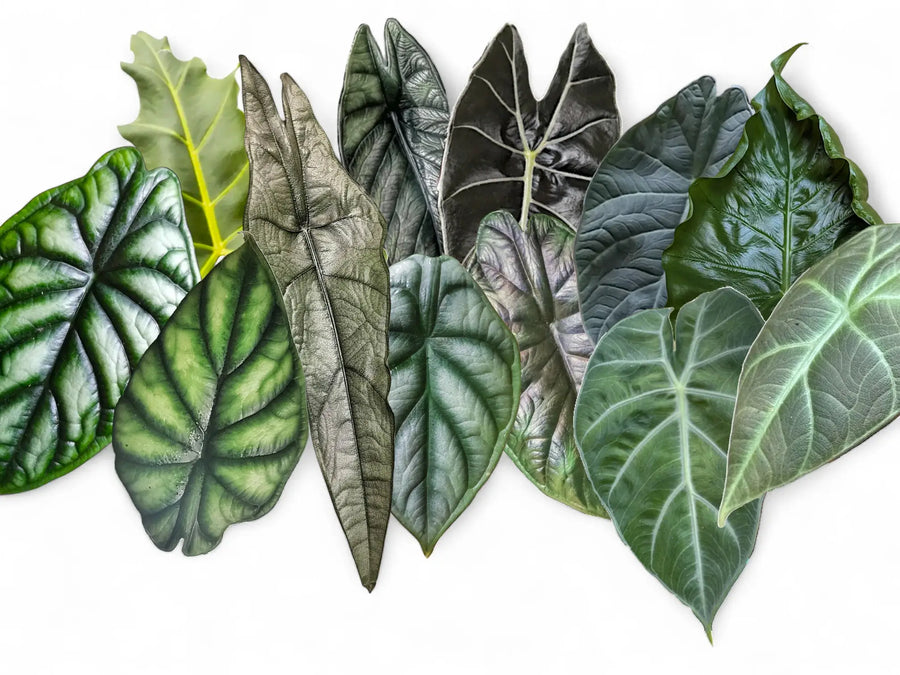
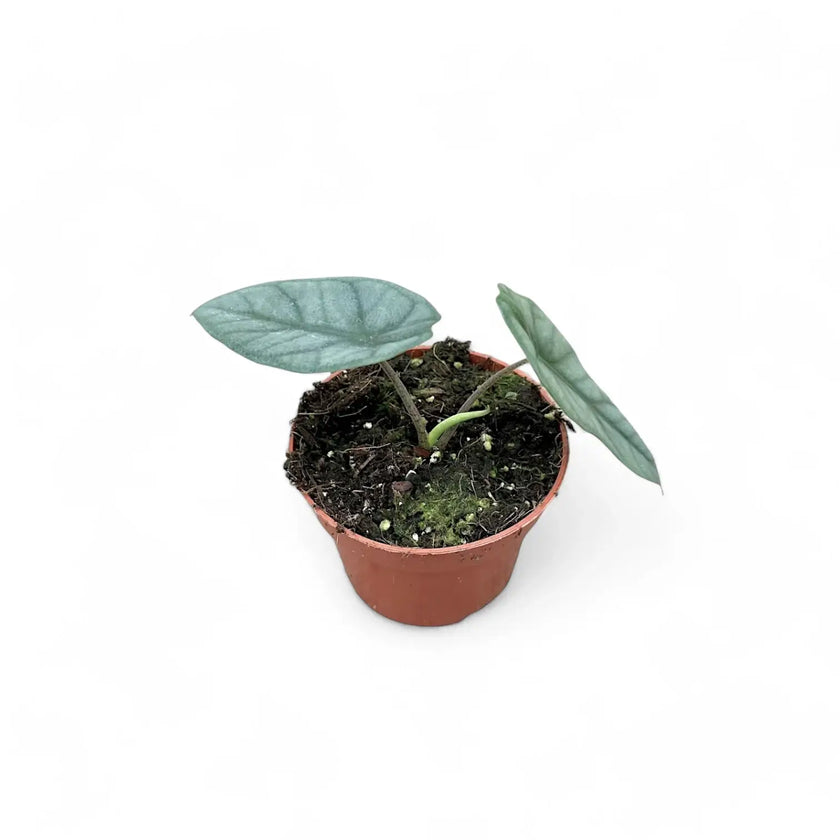
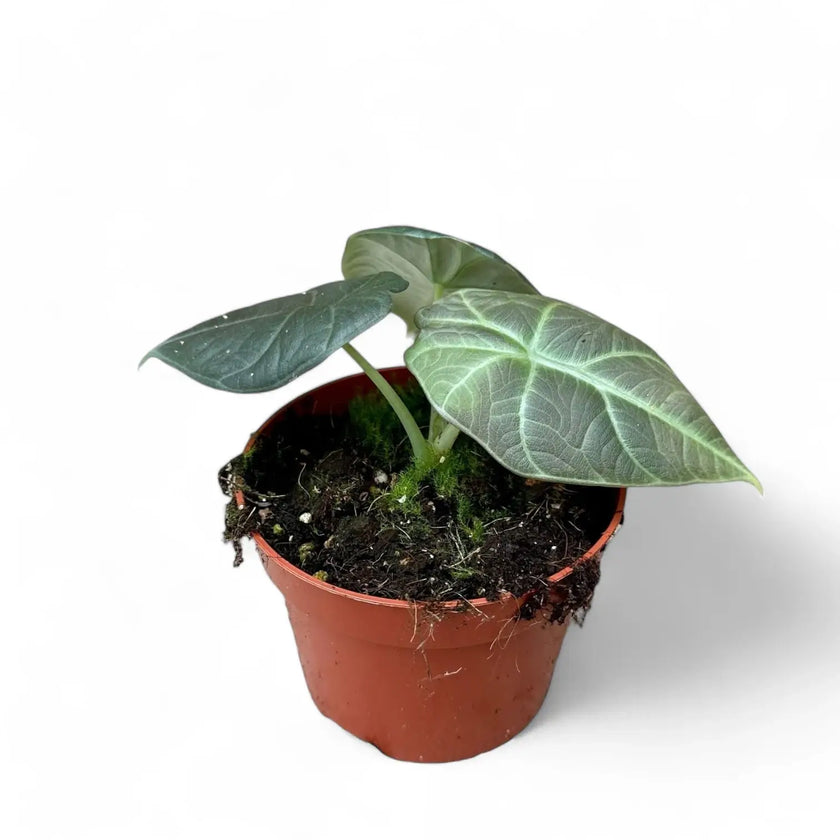
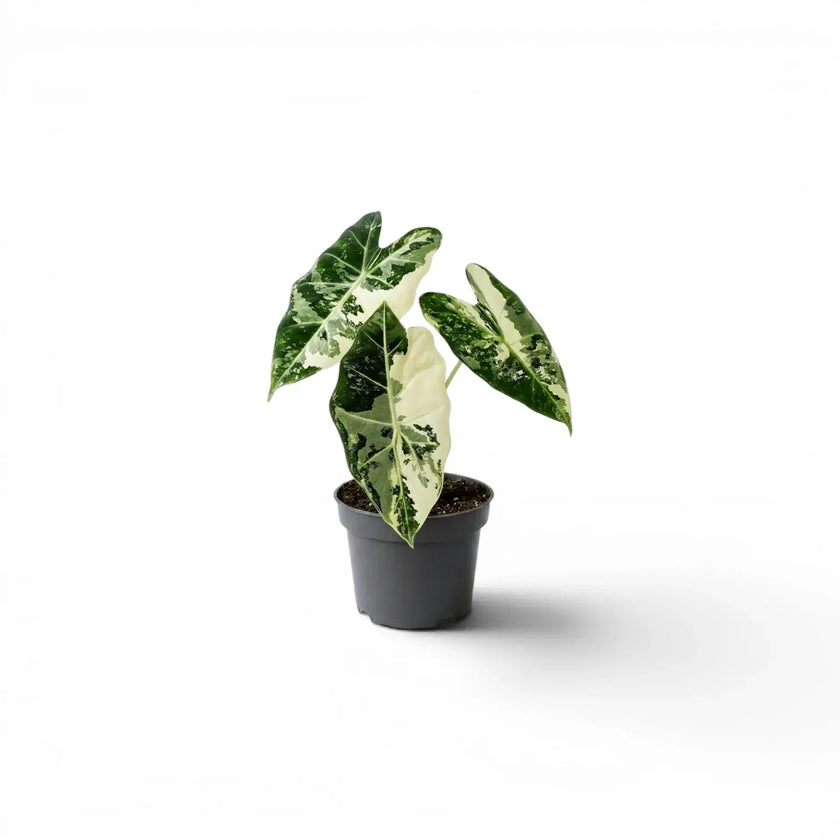
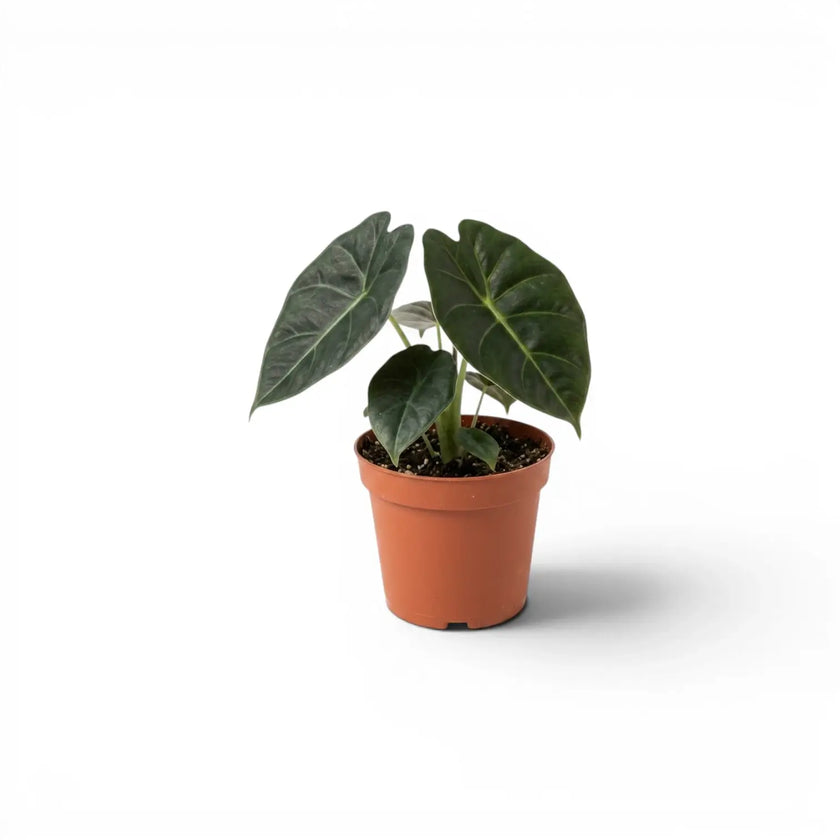
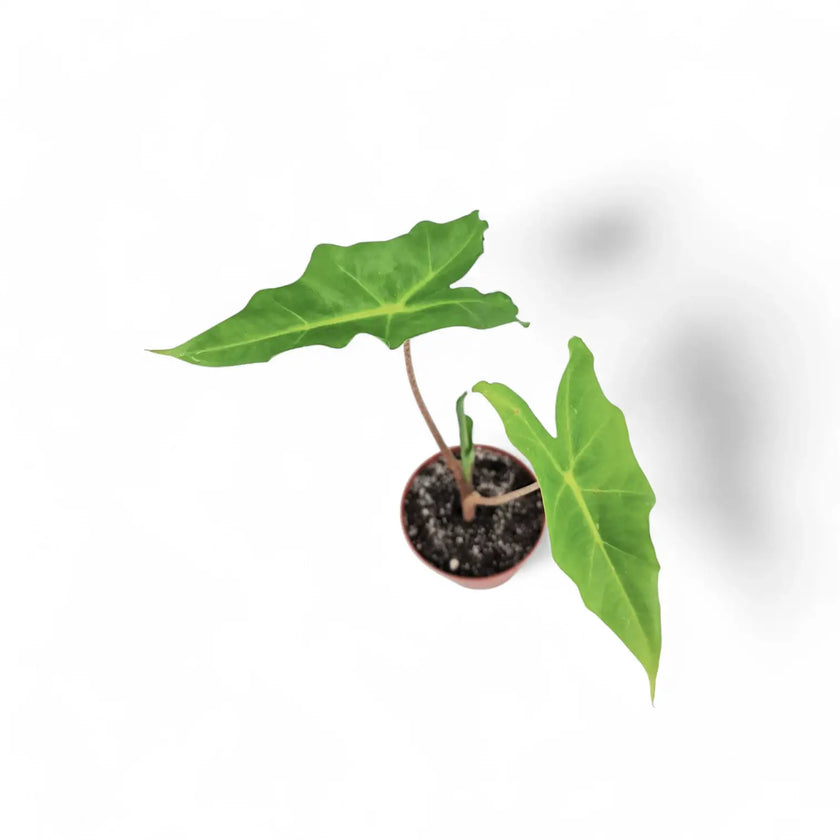
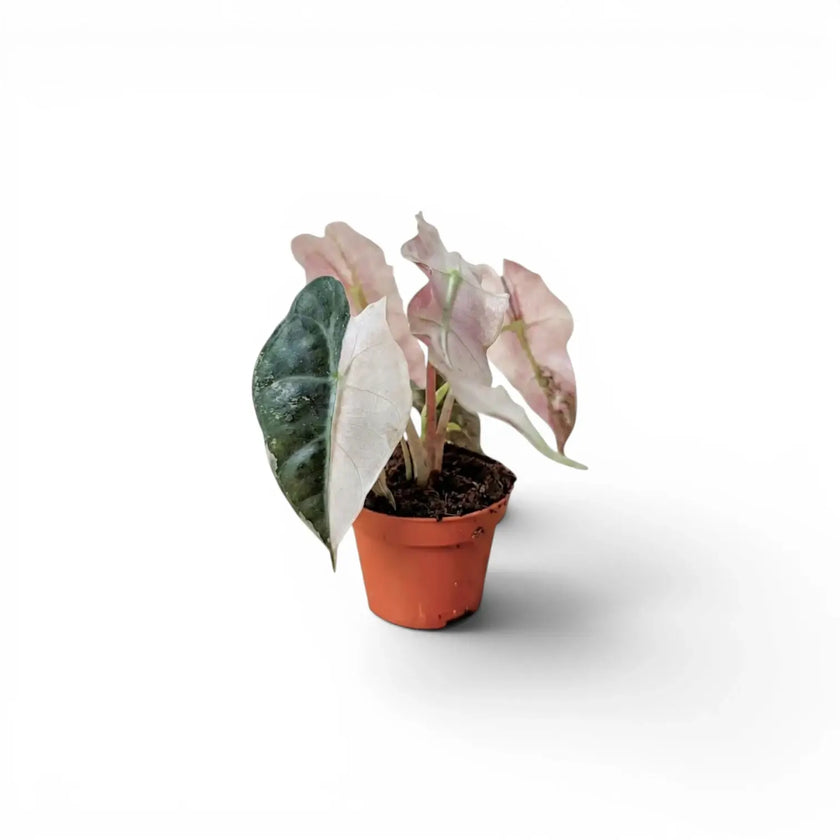
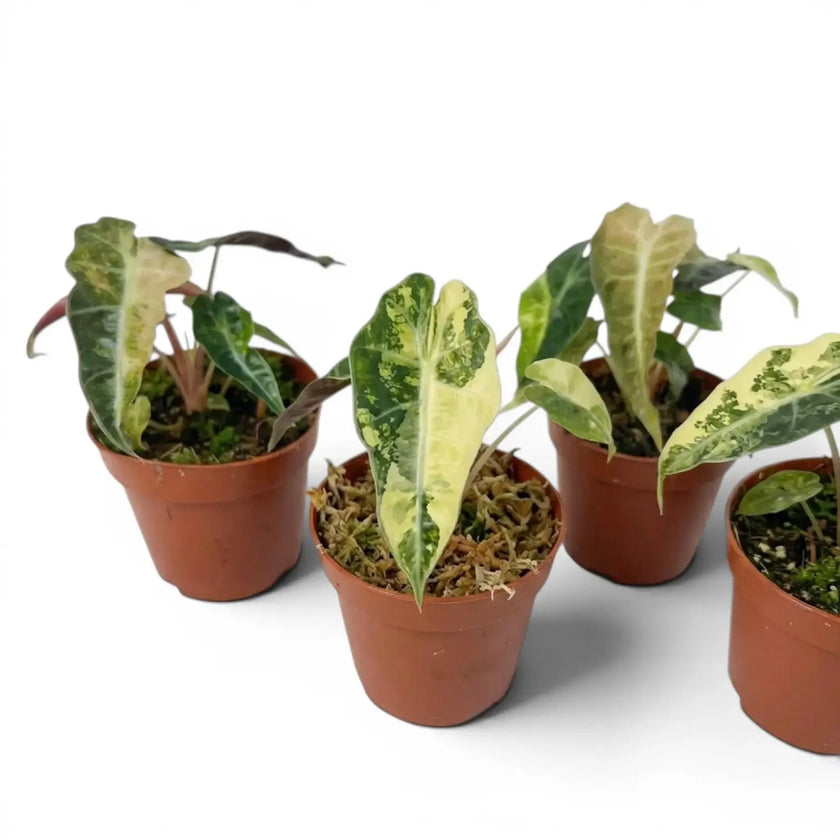
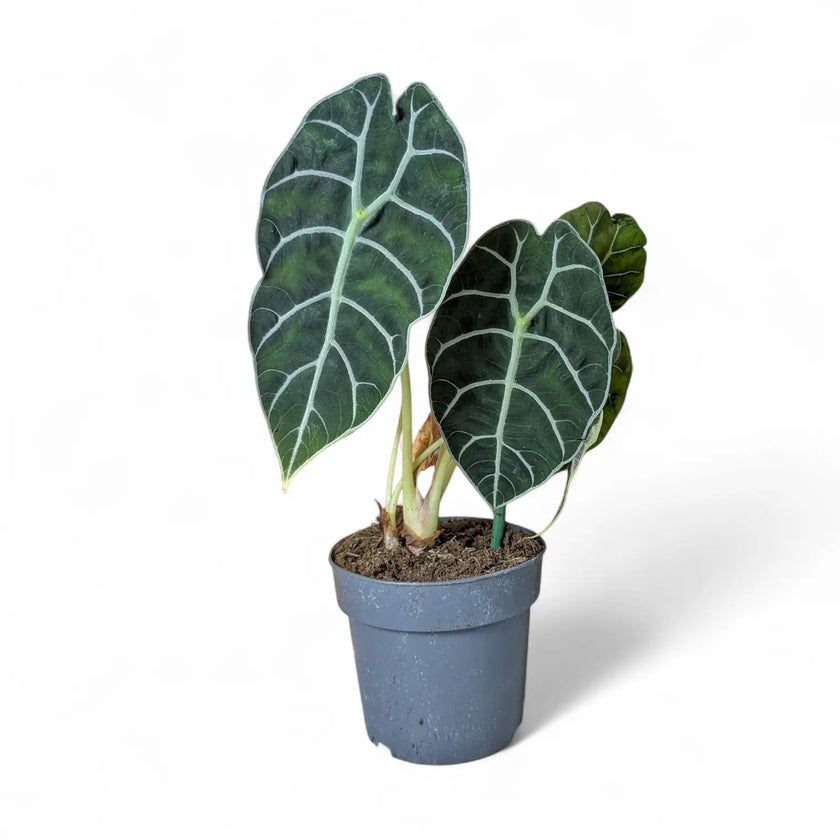
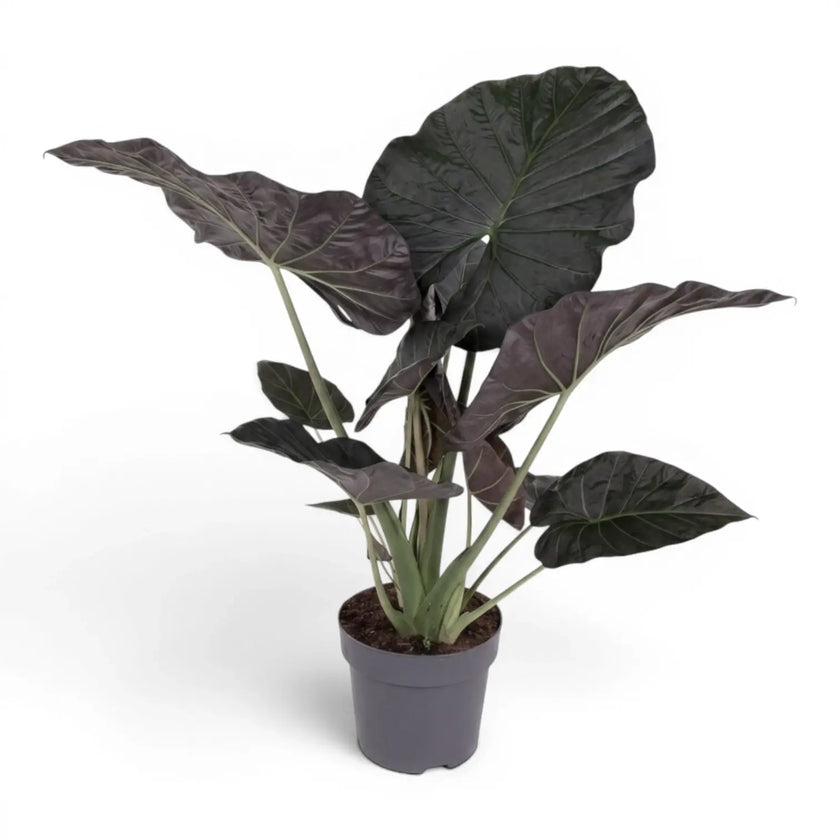
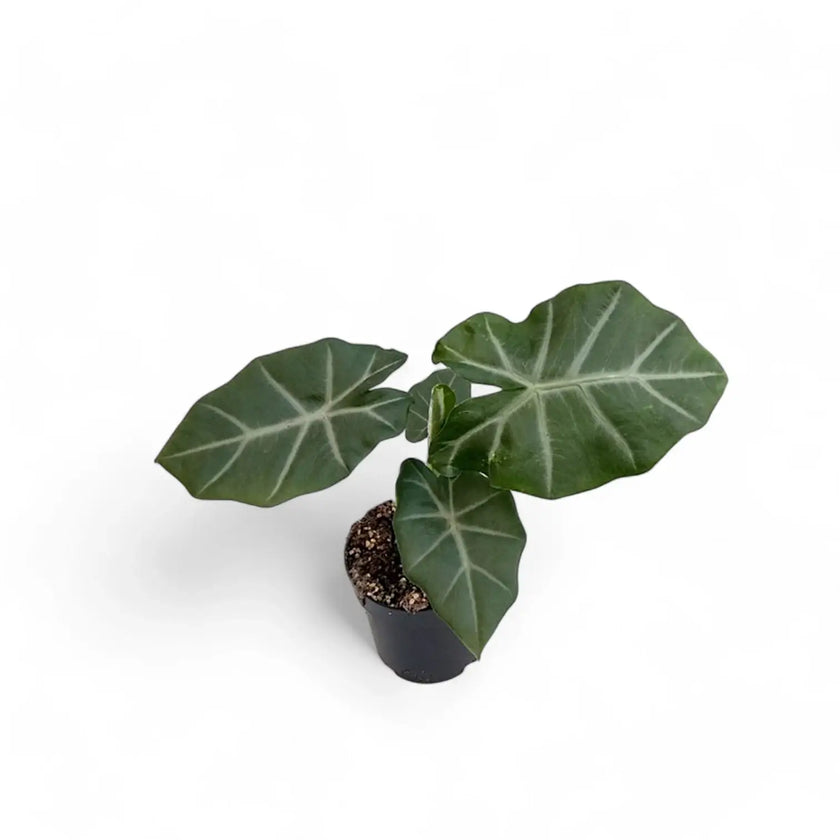
This category includes everything from glossy “classic” elephant ears to compact dark-veined species and small velvety forms. Care basics overlap, but expectations differ: large, fast types want strong light and generous watering in airy mix; miniatures and velvets expect finer substrate, more precise moisture and very stable conditions.
Where Alocasia comes from – edges, clearings and wet ground
Wild Alocasia grows across tropical and subtropical Asia and neighbouring regions. Many species sit along forest edges, in clearings or near streams and ditches where light is bright but filtered and soil stays moist without becoming a swamp. Roots run through loose organic material mixed with mineral particles rather than dense, airless sludge. Air is warm and fairly humid for most of the year, with only brief cooler or drier spells.
Indoors the translation is straightforward: strong but softened light, a structured aroid-style mix that drains freely, and moisture that swings between “evenly moist” and “lightly dry on top” rather than between flooding and drought. Getting that pattern right matters more than any fixed day-count schedule.
Light for Alocasia – bright, filtered and consistent
Alocasia is a bright-shade plant, not a deep-shade survivor. Most forms are happiest close to a bright window but out of hard midday beams. Good spots are right by an east-facing window, or a little back from stronger south and west exposures behind sheer fabric. Leaves should feel cool to lightly warm, never hot.
In low light you see stretched petioles, smaller new leaves and plants that live on one or two blades at a time. Under excessive direct sun, especially through glass, thin-textured species develop pale, translucent areas that later turn brown and crisp along veins or edges. If you want to sanity-check your window choices, compare them with Foliage Factory’s bright-indirect light guide and assign Alocasia to those zones, not to the darkest corners or pure full-sun positions.
Watering Alocasia and building the right mix
Roots and corms handle neither full drought nor permanent soup. A practical rhythm indoors is:
- Let the upper 2–4 cm of mix dry to the touch while deeper layers still feel faintly cool.
- Water slowly until the entire rootball is soaked and water runs from the drainage holes.
- Drain completely – no standing water in cachepots or saucers.
Repeated deep drought gives limp, folded leaves, stalled new growth and, in sensitive species, complete leaf loss while the corm tries to ride out the stress. Constantly wet, compact mix strips oxygen from the root zone and is the fastest way to soft, black roots and mushy corms, especially when temperatures are on the cool side.
Substrate should make this manageable. Treat Alocasia as an aroid, not a generic “indoor mix” plant. Start with a quality base soil and cut it with a generous portion of chunky amendments such as bark, pumice and perlite until the mix feels springy and structured rather than sticky. Terracotta dries faster and suits growers who like to check in often; plastic holds moisture longer and demands stricter discipline against overwatering.
Temperature, humidity and airflow Alocasia actually expects
Most Alocasia used indoors are comfortable between about 18 and 26 °C. Short dips outside that band rarely kill a healthy plant, but long spells under roughly 16 °C combined with wet soil are exactly where rot and sudden collapses start. Cold air dropping off big panes or leaking around doors can chill pots far more than your room thermostat suggests.
Humidity is another big lever. Many Alocasia can be acclimated to typical indoor air, but leaves expand cleaner and edges stay less crispy when local humidity sits roughly around 50–60 % or slightly above. Sudden drops – for example when heating comes on hard – often show up as brown rims and tips. Light misting is mostly cosmetic; it does not fix a dry room for more than a few minutes. Grouping plants, using a small humidifier or giving Alocasia a place in a cabinet or dense plant cluster work better. Whatever the setup, gentle airflow is essential: crowns and leaves should dry within a sensible time after watering without sitting in a cold draft.
Growth rhythm, resting phases and feeding
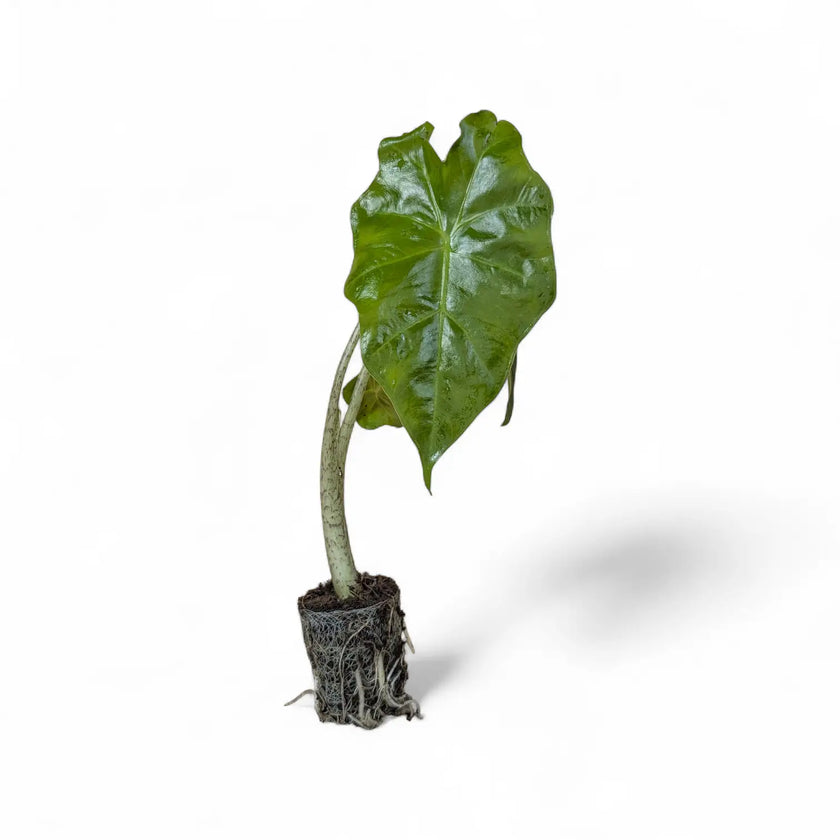
Alocasia grows from corms or rhizomes and often follows a one-leaf rhythm: as a new leaf unfurls, the oldest one retires. In strong light, warmth and decent humidity, mature plants can hold several leaves at once; in lower light they naturally cut down leaf count and may pause almost completely.
When light and day length drop, some Alocasia go into a rest phase. Above soil that can mean very slow growth or full leaf loss while a firm corm waits for better conditions. During active growth with clearly emerging leaves, modest regular feeding works well: a balanced fertiliser at about a quarter to half of label strength every few waterings, always onto moist substrate. Skip fertiliser when plants are not obviously growing, have just been repotted or are recovering from stress. Substrate structure and stable conditions move the needle more than big nutrient numbers.
Toxicity and handling
Alocasia is considered toxic because tissues contain insoluble calcium oxalate crystals. Chewing leaves or petioles can cause strong mouth and throat irritation, drooling and digestive upset in pets and humans. Treat it as something to admire, not to taste.
Place pots where children and animals cannot easily chew foliage or play with fallen pieces. When pruning or repotting, avoid getting sap into eyes or mouth, wash hands afterwards and consider light gloves if you already react strongly to aroid sap.
What Alocasia usually does after shipping
After transit and a change of environment, Alocasia often pauses to recalibrate. A break in visible growth is normal, and one or two older leaves may yellow or collapse while the plant adjusts roots and leaves to new light, humidity and watering habits. Sensitive species often arrive with minor creases, small tears or browned edges on older foliage.
As long as the corm or rhizome feels firm and new leaves eventually appear, this is part of settling in. Put Alocasia straight into its intended light conditions, keep substrate lightly to evenly moist and hold off on repotting or strong fertilising until you see stable new leaves. Cosmetic flaws on older blades will not repair, but they do not stop the plant establishing properly.
Alocasia troubleshooting – quick pattern matching
- Whole plant suddenly limp, mix very wet and petiole bases soft: likely root or corm rot from saturation in heavy mix, often combined with cold. Unpot, cut away all mushy tissue, move into a much looser substrate and keep only lightly moist while new roots form.
- Whole plant limp, pot extremely light and mix bone dry: severe drought. Rewet the root ball thoroughly once, drain well and tighten your watering rhythm so substrate never reaches that stage again.
- Several leaves yellowing at once in heavy, slow-drying mix: chronic low oxygen at roots. Check drainage holes, loosen or replace the mix and extend the dry-down period between thorough waterings.
- Brown, crispy edges on otherwise green leaves: often low humidity plus irregular watering or very warm, dry air. Keep Alocasia away from radiators, aim for more stable moisture and raise humidity slightly.
- Bleached or “burned” patches on upper leaves: too much direct sun or a rapid jump to strong light. Move the plant a little further from the window or diffuse the beam and increase exposure more gradually next time.
- Fine webbing, stippling or rough texture on leaves: spider mites and other sap-suckers are common on thin-leaved Alocasia in dry air. Rinse foliage thoroughly, treat with suitable pest control and improve humidity and airflow to make reinfestation harder.
FAQ – Alocasia indoors Do Alocasia need very high humidity to survive?
No. Many Alocasia adapt to typical indoor humidity if changes are gradual, but they almost always look better and produce larger, cleaner leaves once local humidity sits around 50–60 % or a bit above. Extremely dry air plus erratic watering is a bigger problem than not owning a humidifier.
Why did Alocasia drop all leaves but the bulb still feels firm?
Firm corms often go leafless as a survival strategy after stress from low light, cold or saturated, compact mix. If the storage organ is solid rather than soft or hollow, keep it warm in lightly moist, airy substrate and wait; new growth often appears once conditions improve.
Can Alocasia grow in semi-hydro or self-watering pots?
Yes, but only if the system keeps plenty of oxygen around roots and corm. Start with healthy roots, rinse old substrate away gently and keep water level low so only the bottom of the root zone sits in solution. Cold, stagnant water around the corm is a common reason semi-hydro experiments fail with Alocasia.
How do I know when to repot Alocasia?
Signs include roots circling densely around the pot edge, water running straight through without being absorbed or a mix that has broken down into a dense, slow-drying mass. Repot into a slightly larger container with fresh airy substrate, ideally when Alocasia is clearly producing new leaves.
How much direct sun is safe for Alocasia indoors?
Short periods of very soft morning or late-afternoon sun are usually fine if humidity and watering are reasonable. Strong midday sun behind glass is often too intense and quickly causes pale patches and crisp edges, so keep Alocasia out of that beam or diffuse it well.
Back to top – then pick the Alocasia that matches your light, space and appetite for drama ↑