
Light
Full sun / direct • approx. 40,000–80,000 lux


VAT included · plus
Quick overview of our standard shipping rates, free-shipping thresholds and typical transit times for the countries we currently serve. Remote-area surcharges for certain postcodes are added automatically at checkout where applicable.
For full details, winter shipping rules and packaging information, please visit our Shipping & Delivery page.
| Country | Shipping | Free from | Transit time |
|---|---|---|---|
| Austria | € 12.95 | € 100 | 2–4 working days |
| Belgium | € 8.95 | € 100 | 1–2 working days |
| Bulgaria | € 21.95 | € 300 | 5–7 working days |
| Croatia | € 29.95 | € 300 | 5–7 working days |
| Cyprus (²) | € 39.95 | No free shipping | 5–7 working days |
| Czechia | € 16.95 | € 150 | 2–4 working days |
| Denmark (¹) | € 16.95 | € 150 | 2–4 working days |
| Estonia | € 18.95 | € 200 | 2–4 working days |
| Finland | € 29.95 | € 300 | 5–7 working days |
| France (¹) | € 12.95 | € 100 | 2–4 working days |
| Germany | € 8.95 | € 70 | 1–2 working days |
| Greece (¹²) | € 29.95 | € 300 | 5–7 working days |
| Hungary | € 18.95 | € 200 | 2–4 working days |
| Ireland | € 14.95 | € 150 | 2–4 working days |
| Italy (¹) | € 14.95 | € 150 | 2–4 working days |
| Latvia | € 18.95 | € 200 | 5–7 working days |
| Lithuania | € 18.95 | € 200 | 2–4 working days |
| Luxembourg | € 12.95 | € 100 | 1–2 working days |
| Malta (²) | € 39.95 | No free shipping | 5–7 working days |
| Netherlands | € 8.95 | € 100 | 1–2 working days |
| Poland | € 12.95 | € 100 | 2–4 working days |
| Portugal (¹) | € 14.95 | € 150 | 2–4 working days |
| Romania | € 21.95 | € 300 | 5–7 working days |
| Slovakia | € 18.95 | € 200 | 5–7 working days |
| Slovenia | € 18.95 | € 200 | 5–7 working days |
| Spain (¹) | € 14.95 | € 125 | 2–4 working days |
| Sweden | € 18.95 | € 200 | 2–4 working days |
| Switzerland | € 29.95 | € 300 | 5–7 working days |
Secure shipping – carefully packed orders with safe delivery across the EU, UK and Switzerland.
28-day plant guarantee – if a plant arrives damaged or fails soon after delivery, we help you make it right.
Free returns – simple, cost-free returns according to our policy.
For full details, please see:
Light
Full sun / direct • approx. 40,000–80,000 lux
Water
Water when ~90–100% dry
Substrate
Gritty • Ultra fast-draining • Mineral-heavy • Fine-medium
Temperature
Ideal: 18–30 °C • Avoid below: 1 °C
Humidity
Normal 40–50 %
Growth habit
small clumping cactus
Support
not needed
Growth speed
Slow
Max size indoors
Max. height: 35 cm • Max. spread: 13 cm
Toxicity & safety
Non-toxic; spines – physical injury risk
Origin & habitat
Texas to N. Mexico; desert or dry shrubland habitat
These metrics are standardised reference points. We compile them by reviewing and cross-checking multiple botanical and horticultural references, then refining them through real-world growing experience. Source links: Plant Care Resources.
Please use the values as guidance. Conditions vary by home, so the same plant can respond differently. For plant-specific context, read the full product description and browse our Plant Care Guides.
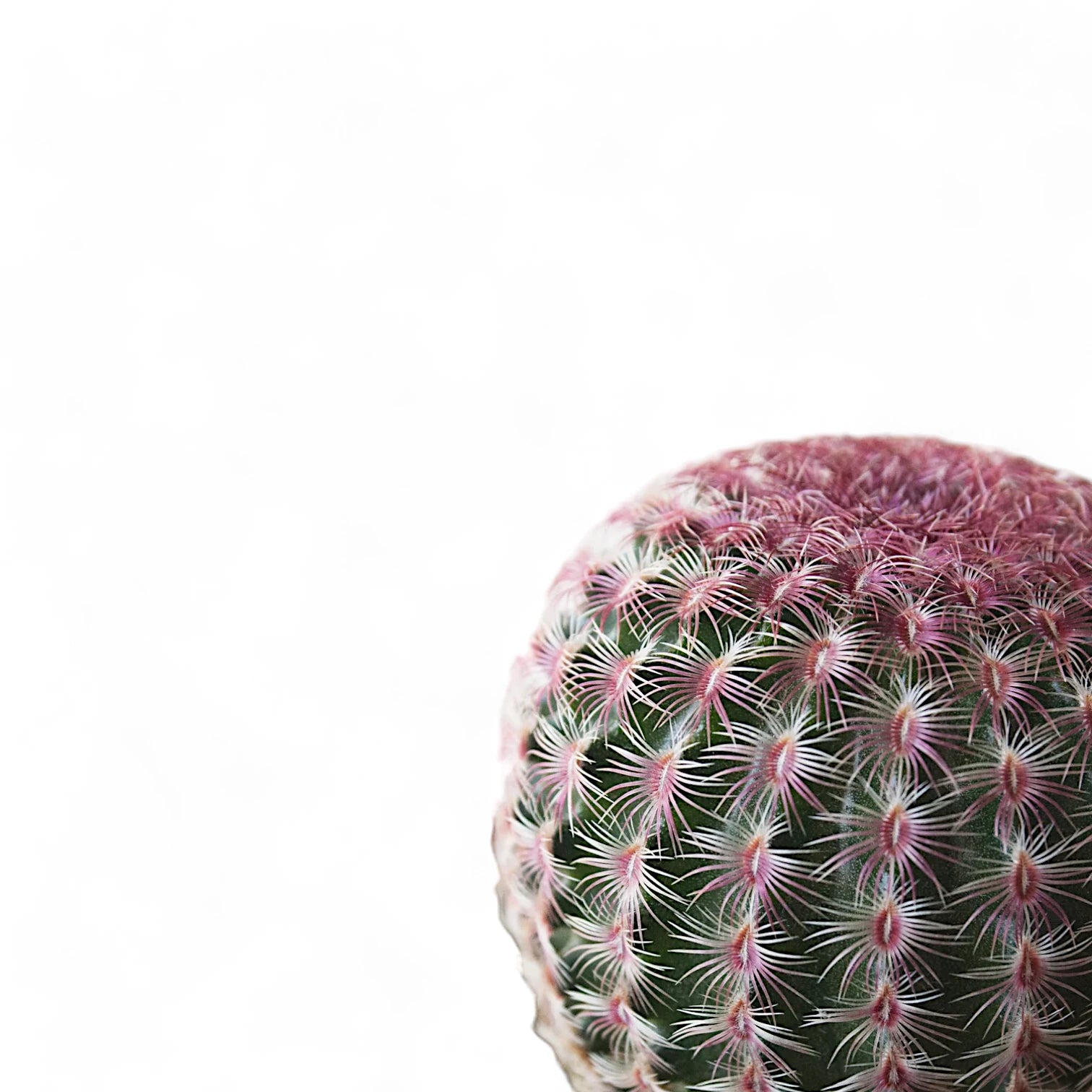
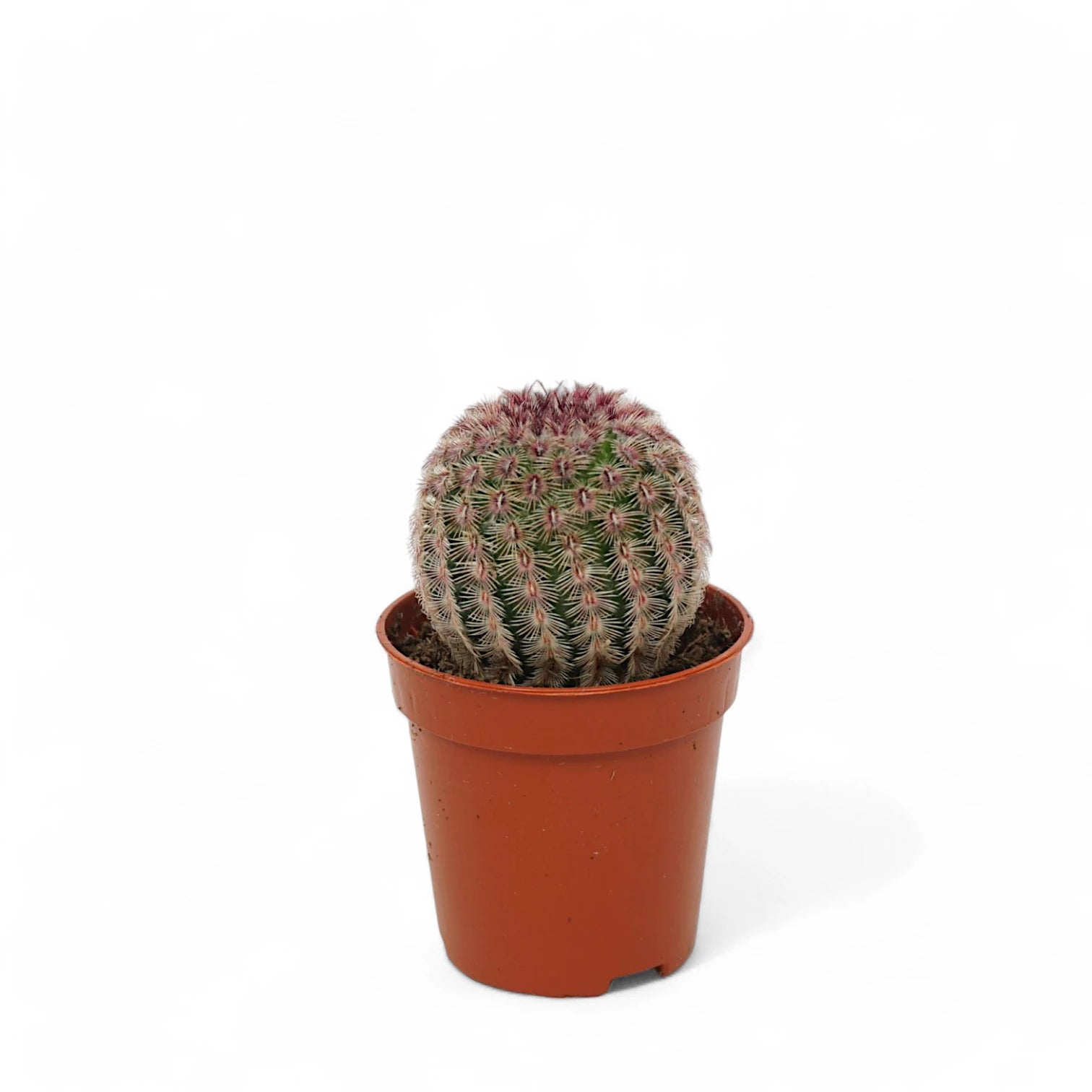
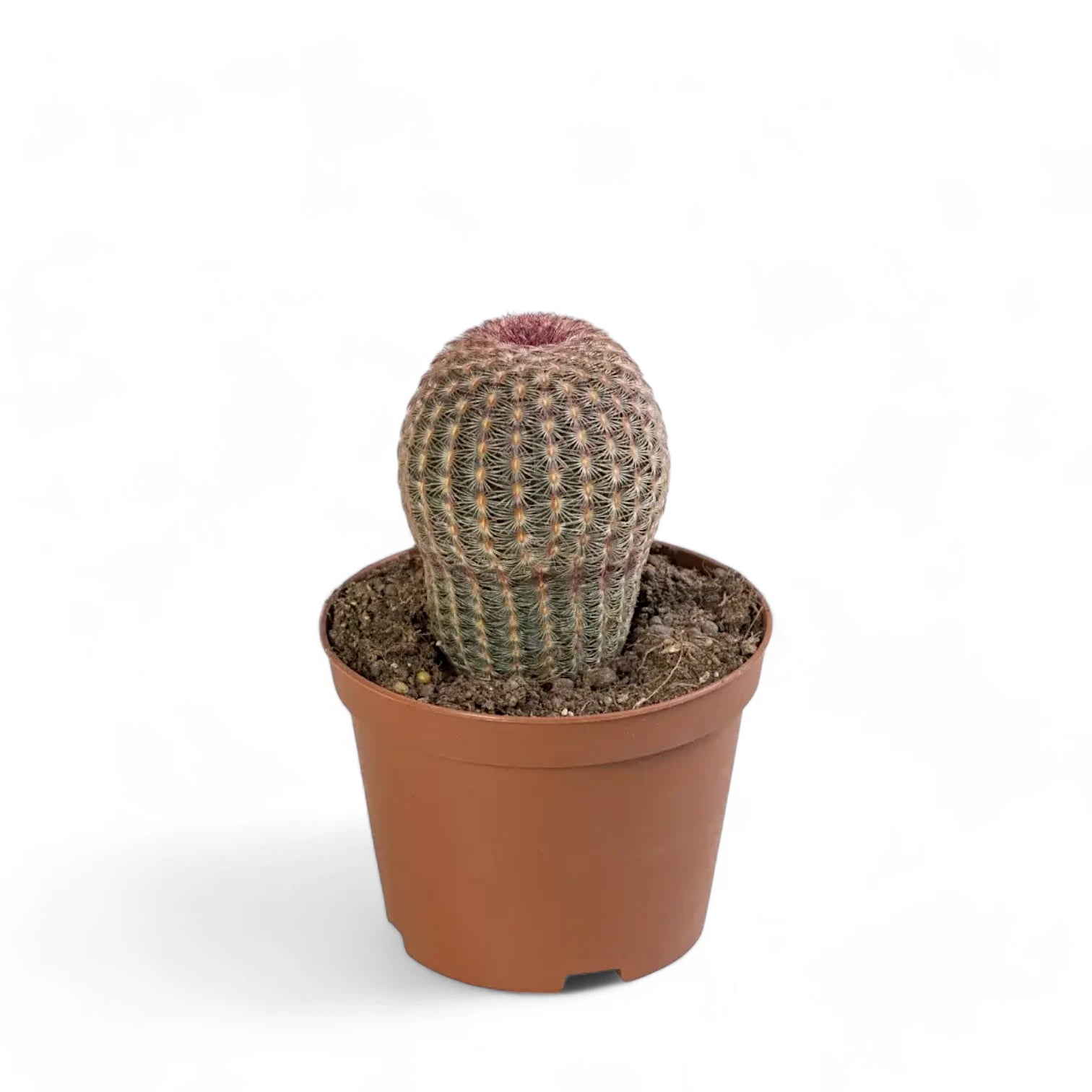
Echinocereus pectinatus (Scheidw.) Engelm., widely known as the Rainbow Cactus, is one of the most colorful members of the genus. Typically solitary but sometimes branching with age, it forms compact globose to short cylindrical stems. The plant is notable for its distinctive pectinate spines – comb-like, interlacing, and pressed closely to the surface – which give the cactus a textured, banded look. In spring, it bursts into large, vivid blooms that later produce edible, gooseberry-like fruits.
Echinocereus pectinatus is native to the Chihuahuan Desert, extending across northern Mexico and the southwestern United States. It grows on rocky slopes, gravelly flats, and limestone outcrops. In its natural environment, the interlacing spines help shield the plant from intense desert sun while also reducing water loss.
With its bright spine colors, comb-like texture, and spectacular flowers, Echinocereus pectinatus lives up to its common name, the Rainbow Cactus. The added bonus of sweet, edible fruits makes it not only ornamental but also rewarding for growers who appreciate unusual desert plants. It is hardy, striking, and one of the most rewarding species for both beginners and advanced collectors when given the right conditions.
The genus name Echinocereus derives from the Greek echinos (“hedgehog,” “porcupine,” or “sea urchin”), referring to its dense spination, and the Latin cereus (“large wax candle”), the name of a columnar cactus genus. Together the name suggests “spiny cereus.” The species epithet pectinatus means “comb-like,” a reference to its distinctive spine arrangement.
With its rainbow spines, brilliant flowers, and sweet fruits, Echinocereus pectinatus is more than just a cactus – it’s a desert jewel. Order now to bring this colorful, rewarding species into your collection.
Your new plant has just travelled a long way and needs a calm start in its new home. For step-by-step unboxing and first-week care, check our after-delivery care guide. For deeper tips on how your plant settles in over the next weeks, read our houseplant acclimatization guide.
Please head to our FAQ Page or Contact us.
Choose options
VAT included · plus Shipping costs
Secure shipping – carefully packed orders with safe delivery across the EU, UK and Switzerland.
28-day plant guarantee – if a plant arrives damaged or fails soon after delivery, we help you make it right.
Free returns – simple, cost-free returns according to our policy.
For full details, please see:
Light
Full sun / direct • approx. 40,000–80,000 lux
Water
Water when ~90–100% dry
Substrate
Gritty • Ultra fast-draining • Mineral-heavy • Fine-medium
Temperature
Ideal: 18–30 °C • Avoid below: 1 °C
Humidity
Normal 40–50 %
Growth habit
small clumping cactus
Support
not needed
Growth speed
Slow
Max size indoors
Max. height: 35 cm • Max. spread: 13 cm
Toxicity & safety
Non-toxic; spines – physical injury risk
Origin & habitat
Texas to N. Mexico; desert or dry shrubland habitat
These metrics are standardised reference points. We compile them by reviewing and cross-checking multiple botanical and horticultural references, then refining them through real-world growing experience. Source links: Plant Care Resources.
Please use the values as guidance. Conditions vary by home, so the same plant can respond differently. For plant-specific context, read the full product description and browse our Plant Care Guides.


%20Engelm.,%20widely%20known%20as%20the%20Rainbow%20Cactus,%20is%20one%20of%20the%20most%20colorful%20members%20of%20the%20genus.%20Ty...)