Light
Bright indirect • approx. 10,000–20,000 lux

VAT included · plus
Your new plant has just travelled a long way and needs a calm start in its new home. For step-by-step unboxing and first-week care, check our after-delivery care guide. For deeper tips on how your plant settles in over the next weeks, read our houseplant acclimatization guide.
Secure shipping, carefully packed orders with safe delivery across the EU, UK and Switzerland.
28-day plant guarantee, if a plant arrives damaged or fails soon after delivery, we help you make it right.
Free returns, simple, cost-free returns according to our policy.
For full details, please see:
Please head to our FAQ Page or Contact us.
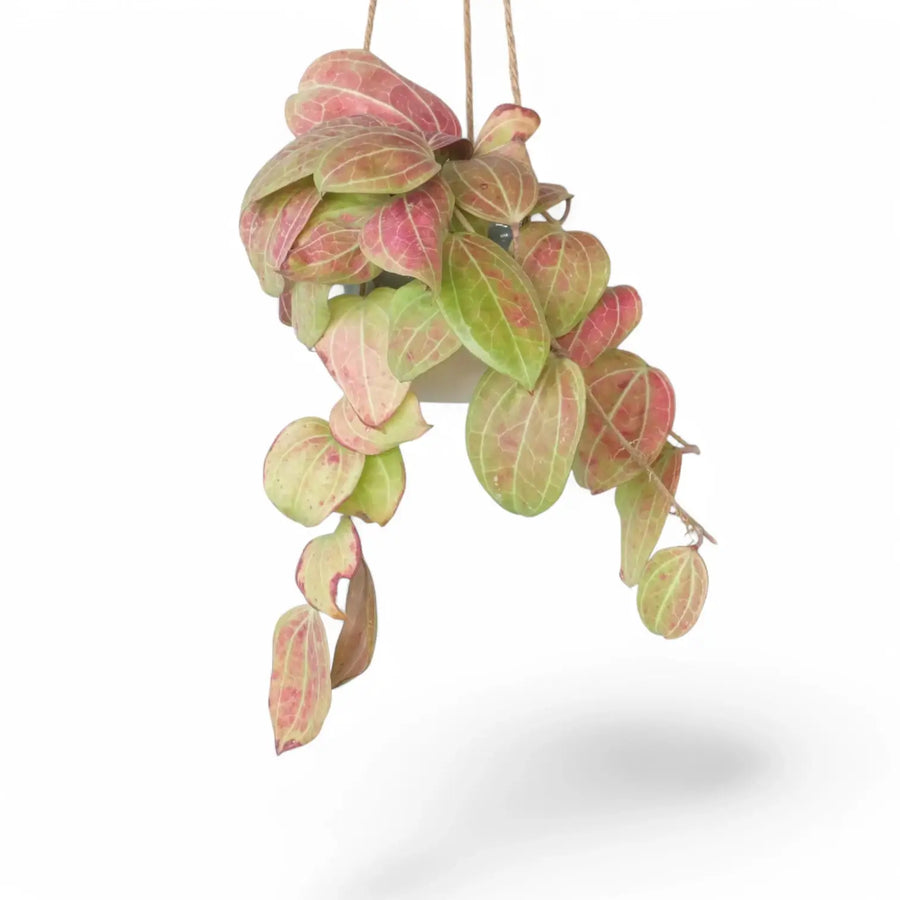
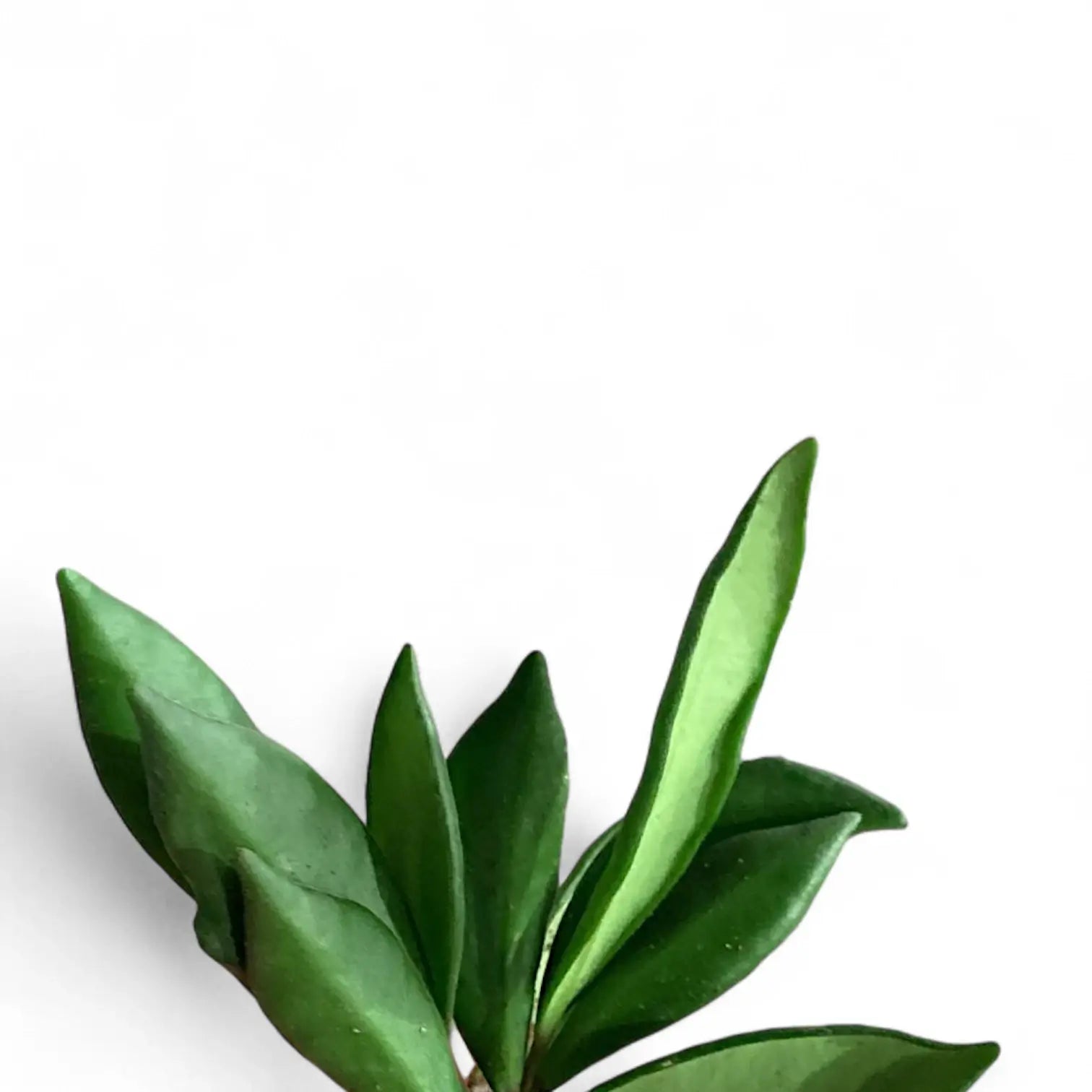
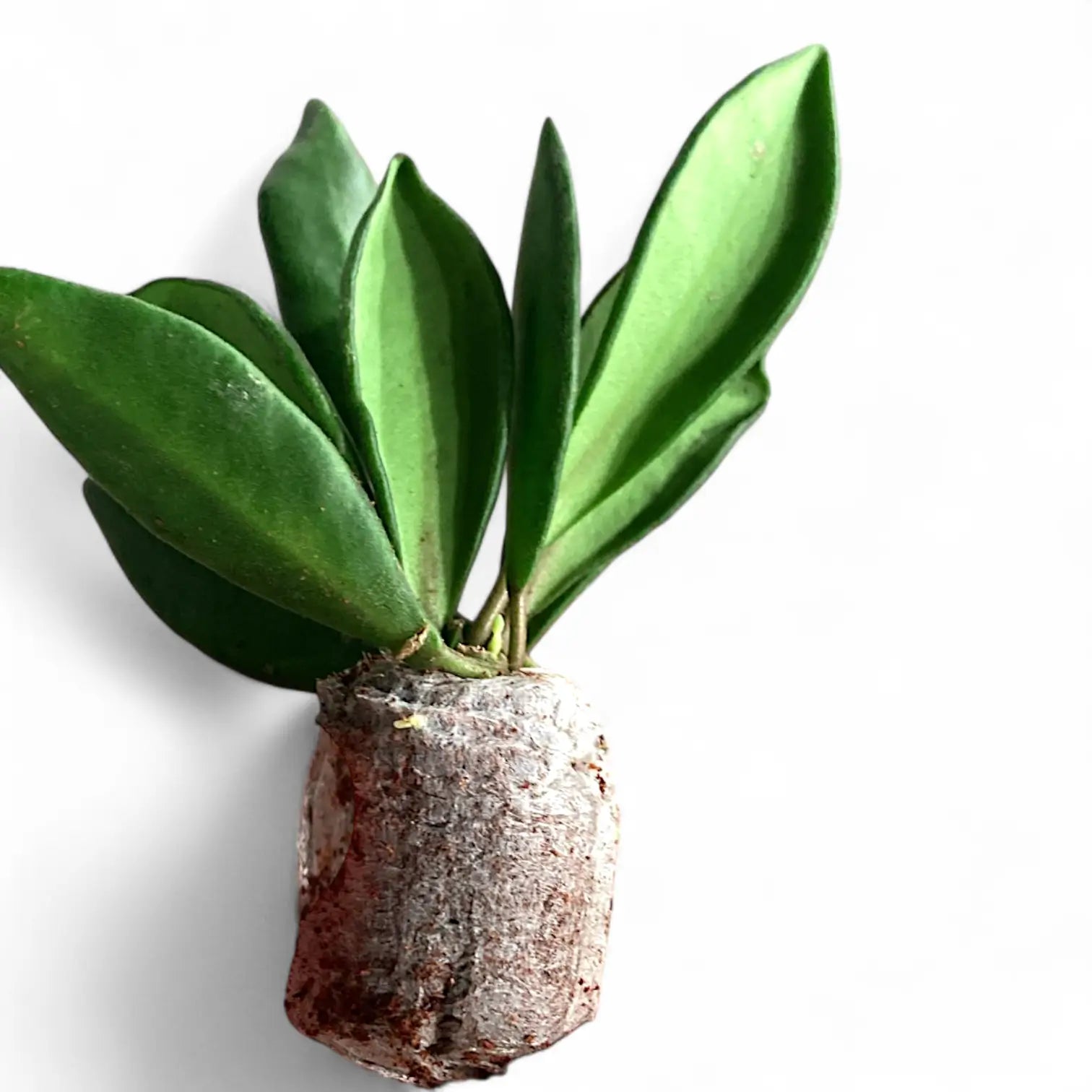
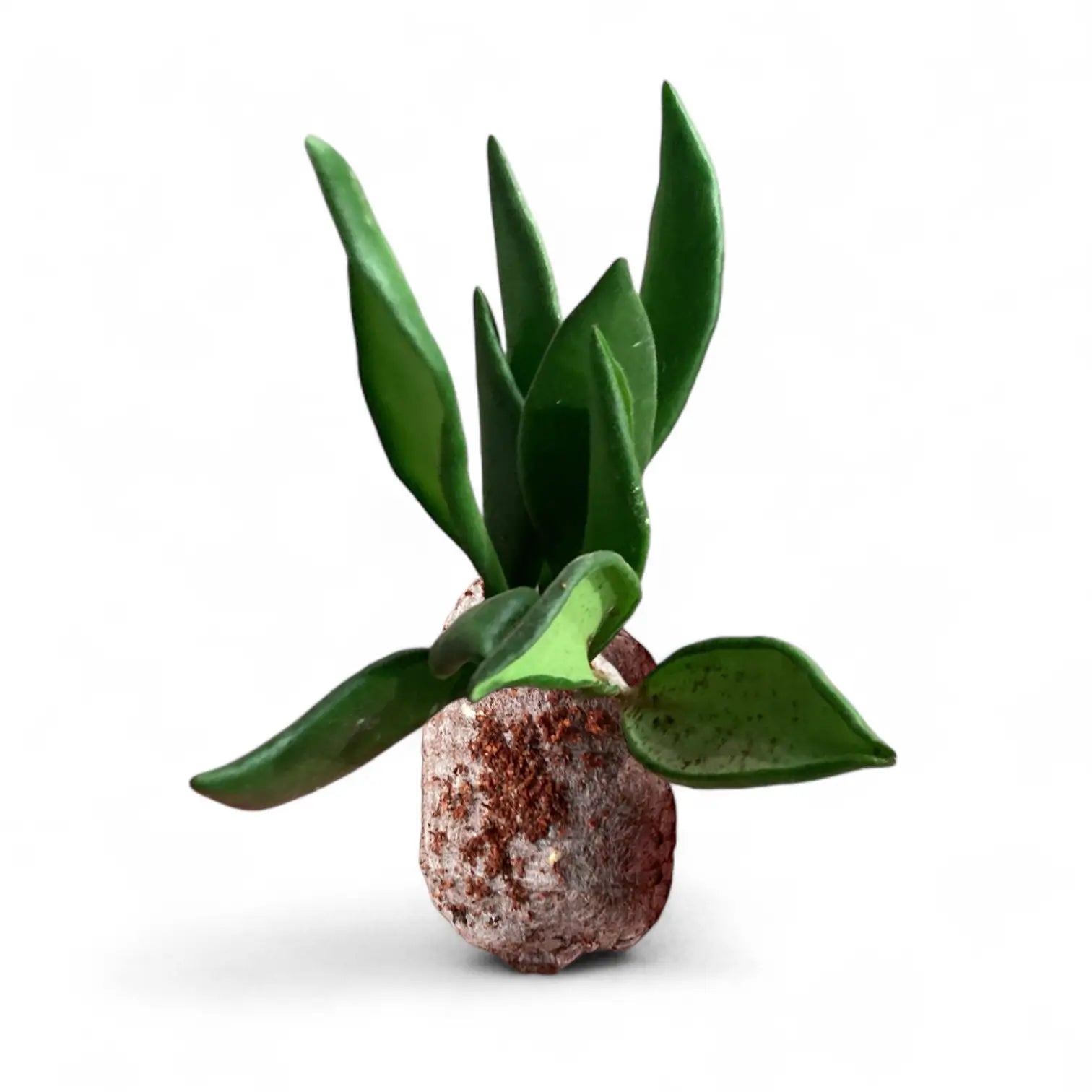
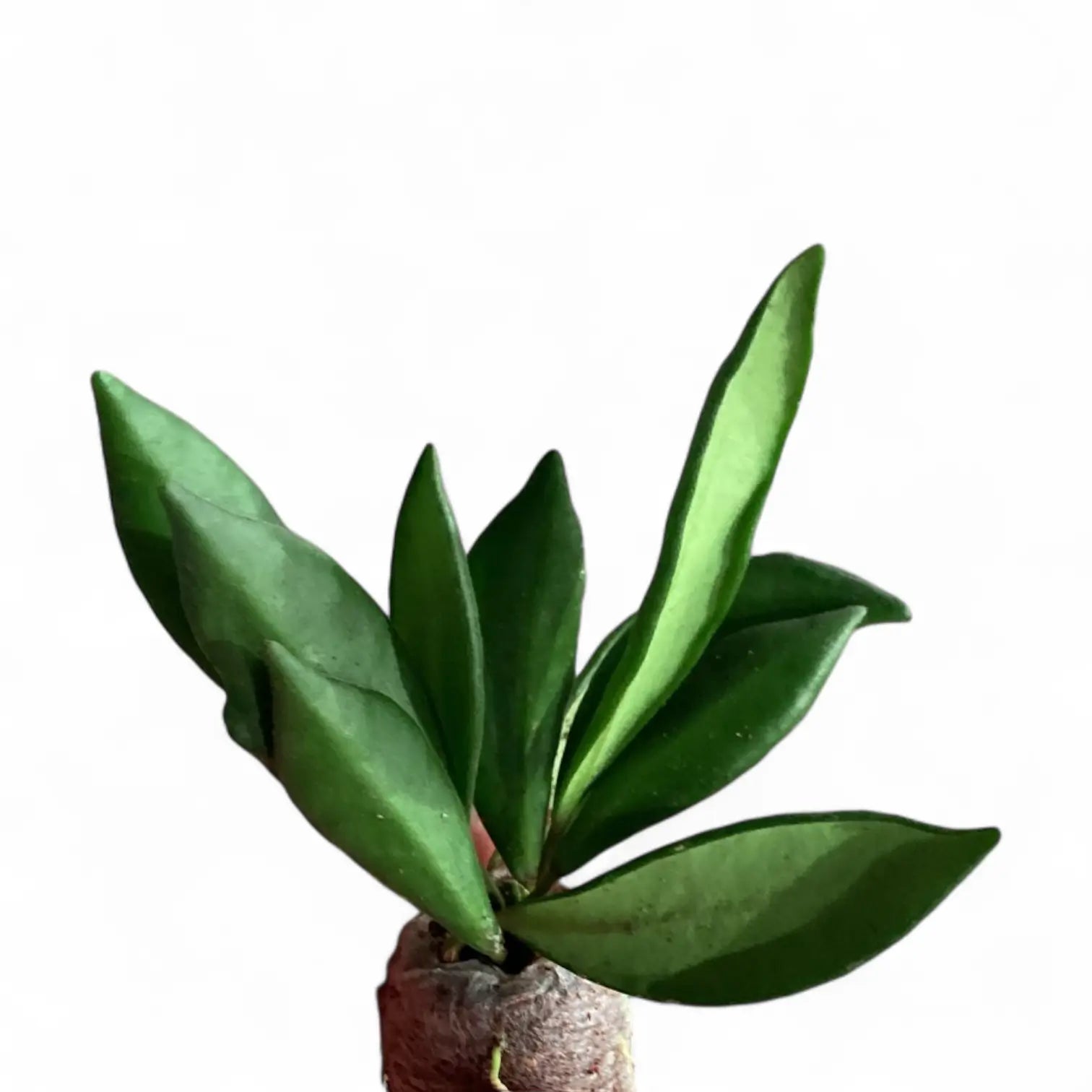
Hoya bilobata is a miniature Philippine species with slender vines, tiny rounded leaves, and clusters of very small pink flowers that can carry a light honey-like scent in the evening. Its fine scale makes it especially good for smaller shelves, baskets, or compact trellises where larger Hoyas would look heavy, yet it can still bloom freely once established.
Bright filtered light, warmth around 20 – 28 °C, and an airy substrate that dries slightly between waterings match the epiphytic conditions it prefers in habitat.
Because the leaves are small and the stems stay flexible, regular light feeding and stable care matter more than aggressive pruning, and old peduncles should always be left in place for future flowers. Stable placement helps over time.
Quick Care Guide
Light
Bright indirect • approx. 10,000–20,000 lux
Watering
Water when ~60–80% dry
Substrate
Airy + fast-draining • Light moisture buffer • Bark-based • Medium-chunky
Temperature
Ideal: 16–24 °C • Avoid below: 10 °C
Humidity
Moist 50–60 %
Growth habit
Climbing or trailing epiphytic perennial vine.
Support
optional
Growth speed
Slow
Max size indoors
Max. trail length: 30 cm • Max. spread: 30 cm
Toxicity & safety
Non-toxic & Pet Friendly
Origin & habitat
Philippines; wet tropical habitat
These care values are practical reference points for indoor growing. Use them as a starting point, then adjust for your room, pot size, substrate, temperature and how quickly the plant dries.
For more context, read the full product description or visit our Plant Care Guides.
Move outside once nights stay above
16°C
Bring under cover below
16°C
Best outdoors in
Warm summer patio, Covered terrace
Plant names, growth habits, natural habitats and indoor care guidance are checked against trusted botanical, habitat and horticultural references before publication.View our plant care resources and references.
Sign up for Foliage Factory newsletter for early access to new arrivals and practical care tips that work in real homes.