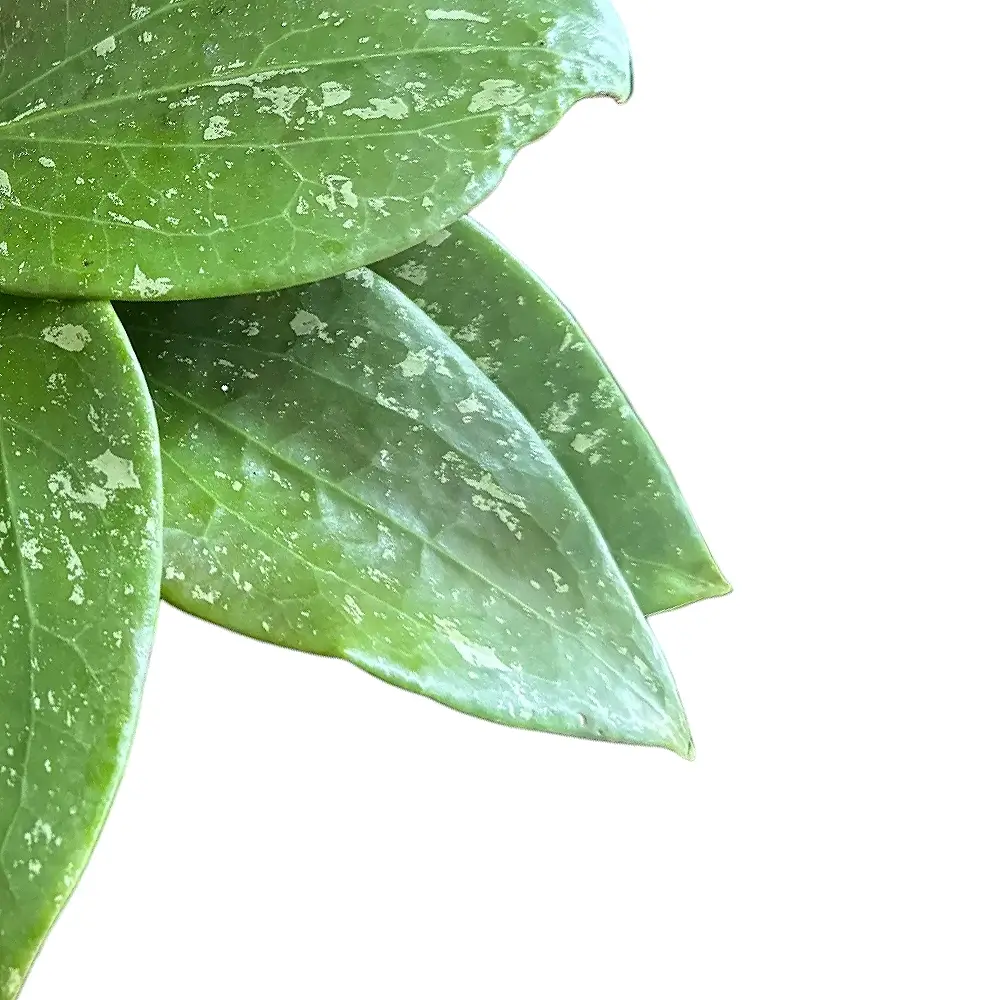
Anoectochilus burmannicus – Rare Jewel Orchid with Copper Highlights
Anoectochilus burmannicus Rolfe is a highly coveted jewel orchid, admired for its bronze-black foliage and glowing copper veins that shimmer like molten metal under soft light. Ideal for high-humidity terrariums or luxury orchid displays, this species combines rarity, elegance, and intricate leaf artistry.
● Why Collectors Prize Anoectochilus burmannicus
Unlike Anoectochilus albolineatus, this species features deeper bronze tones and warmer copper venation on its velvety leaves, with a copper underside for extra contrast. Its slow growth adds to its exclusivity, making it a true collector’s gem. Best showcased in bioactive terrariums or glass orchidariums where its metallic veins can truly shine.
● Native Habitat and Growth Traits
Originating from the shaded, humid forest floors of Myanmar at elevations up to 1000 m, Anoectochilus burmannicus grows in rich organic substrates with consistent moisture and filtered light. These conditions inspire its care requirements indoors.
● How to Care for Anoectochilus burmannicus Indoors
- Light: Low to moderate, soft-filtered light; direct sun damages delicate foliage.
- Temperature: Cool to warm (16 – 26 °C), avoid sudden fluctuations.
- Humidity: Maintain 70 – 85%; enclosed glass setups or terrariums are ideal.
- Airflow: Gentle circulation prevents fungal issues in humid conditions.
- Watering: Keep substrate moist but not soggy; water in the morning so leaves dry by evening.
- Substrate: Humus-rich mix with sphagnum moss, fine bark, and leaf litter for moisture retention and drainage.
- Fertilizer: Use diluted orchid feed every 4 – 6 weeks during active growth; reduce slightly in winter.
● Pro Grower’s Secret for Vibrant Copper Veins
Maintain high humidity, bright filtered light, and a stable environment. For the boldest venation, provide soft morning light in a controlled terrarium without exposing leaves to heat or direct rays.
● Why This Orchid Stands Out
Leaves shimmer like polished copper when viewed at an angle — an effect caused by microscopic leaf structures that refract light. Roots are equipped with velamen, helping absorb moisture from humid air — perfect for terrarium life.
● Propagation Tips for Anoectochilus burmannicus
This jewel orchid grows slowly, adding to its rarity. Propagation is done via rhizome division under sterile conditions during active growth — best for experienced growers.
● Ideal Placement
Best displayed in high-humidity glass cases, orchidariums, or bioactive terrariums where its metallic venation can become the focal point of your plant collection.
● Etymology
The genus name Anoectochilus comes from Greek “anoektos” (open) and “chilos” (lip), describing the flower’s distinctive lip shape.
● FAQs – Anoectochilus burmannicus Care and Tips
- Is Anoectochilus burmannicus hard to grow? It needs high humidity, filtered light, and consistent moisture — best in a terrarium.
- What makes jewel orchids expensive? Slow growth, limited availability, and unique foliage patterns increase their value.
- Can jewel orchids grow outside terrariums? Only if humidity is 70%+, which is rare in most homes without special setups.
- How do I keep copper veins vibrant? Maintain stable humidity and soft light; avoid prolonged darkness or harsh sun.
- What is the best substrate? A breathable mix of sphagnum moss, fine bark, and organic matter to mimic forest floors.
- Is Anoectochilus pet-safe? Yes, it’s non-toxic to cats and dogs.
Ready to add a piece of botanical luxury to your collection? Bring home Anoectochilus burmannicus today — perfect for rare orchid enthusiasts and terrarium art lovers.
Anoectochilus burmannicus
Anoectochilus burmannicusis approximately 10 cm tall and comes in a ⌀ 7 cm pot.