Skip to content

Cart

Your cart is empty

Aglaonema (Chinese Evergreen)

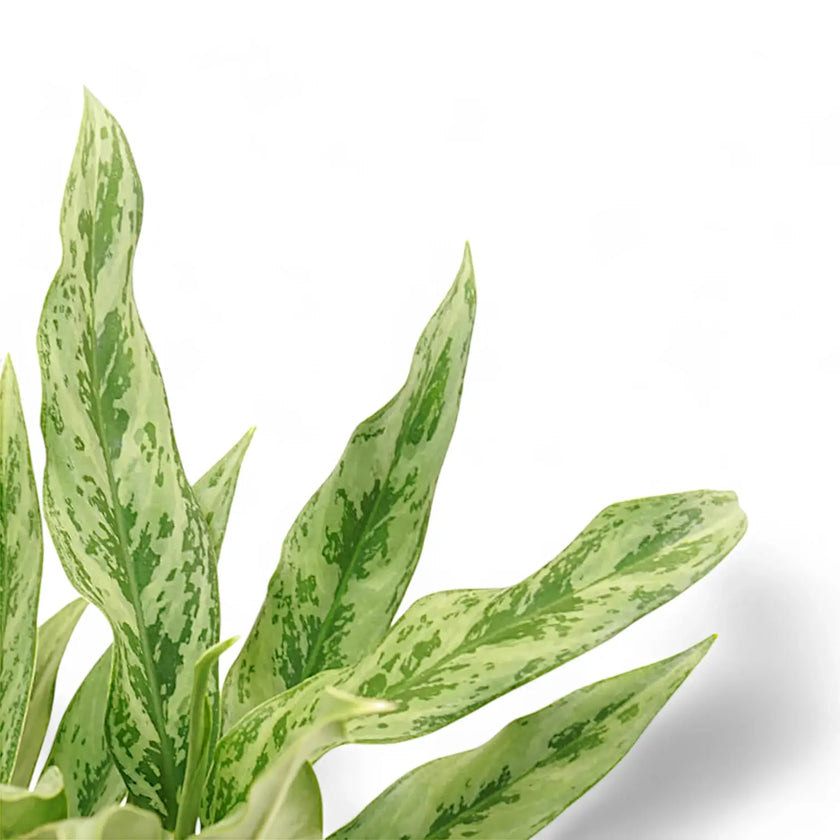
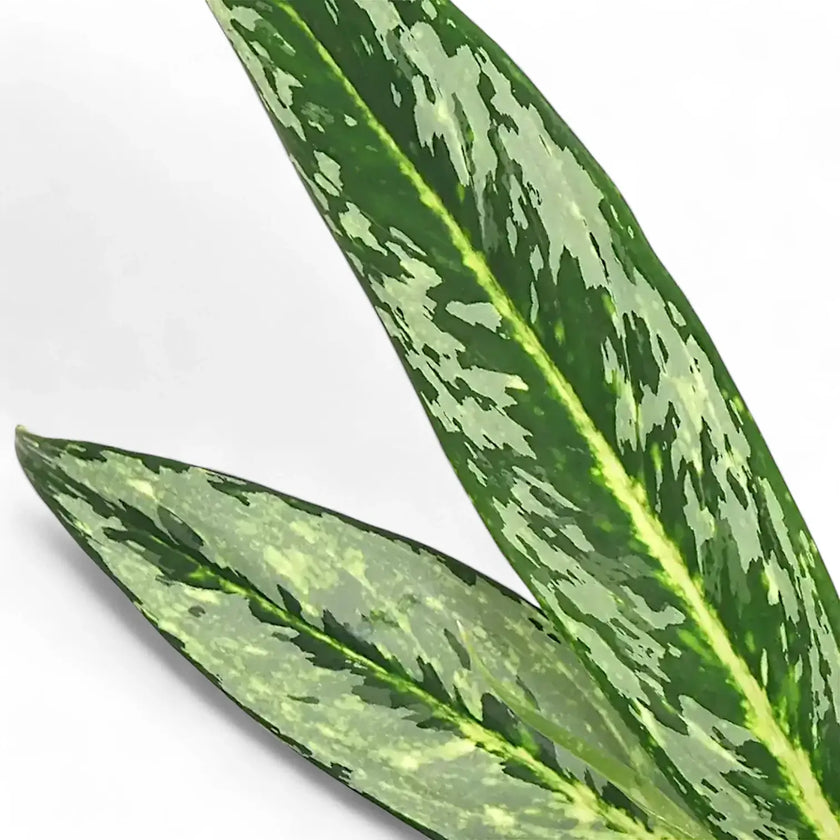
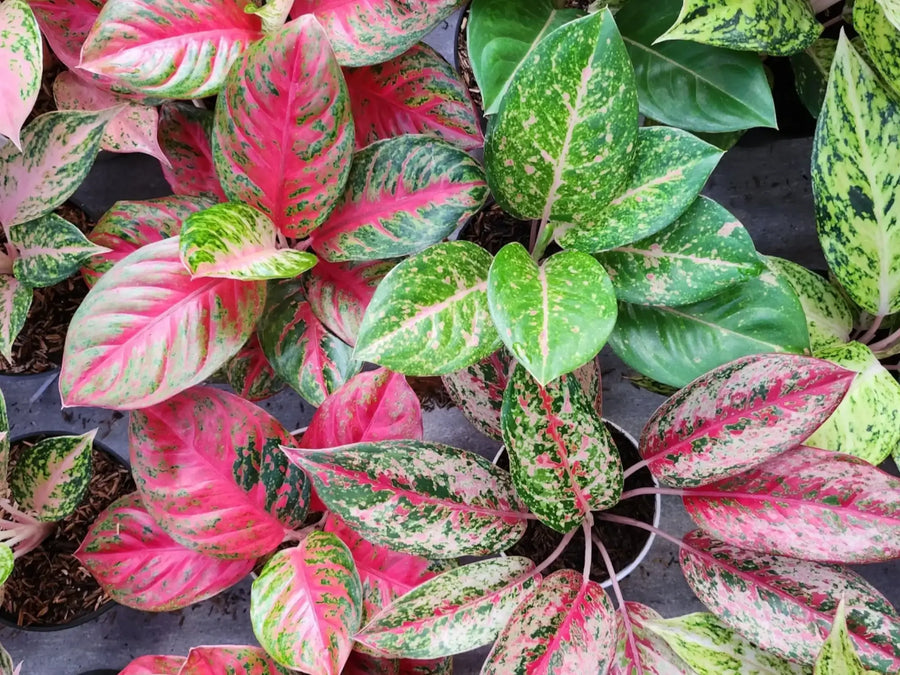
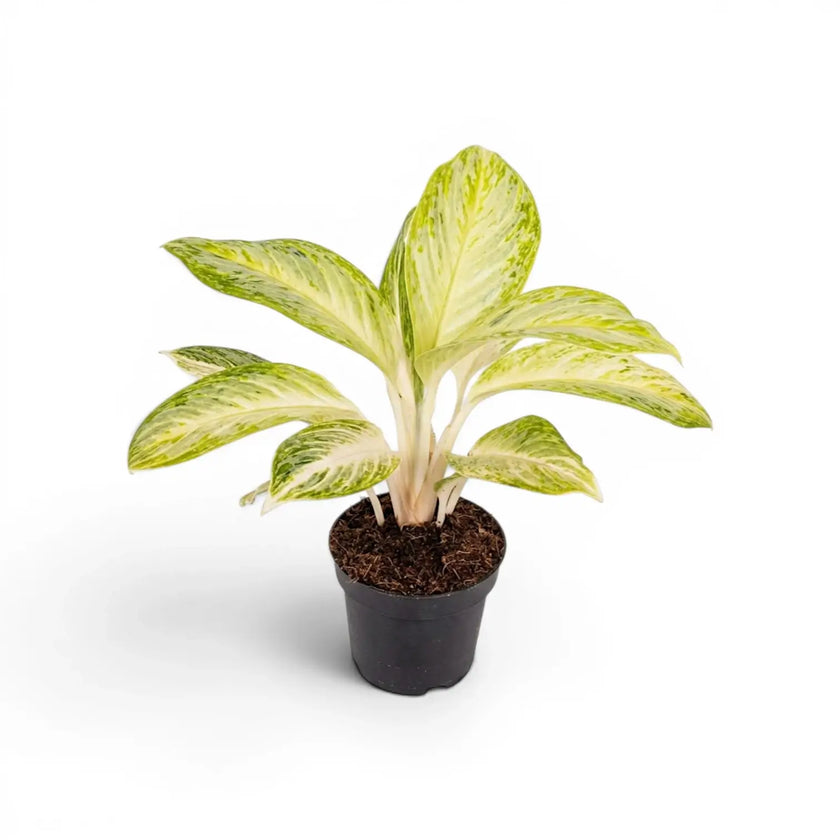
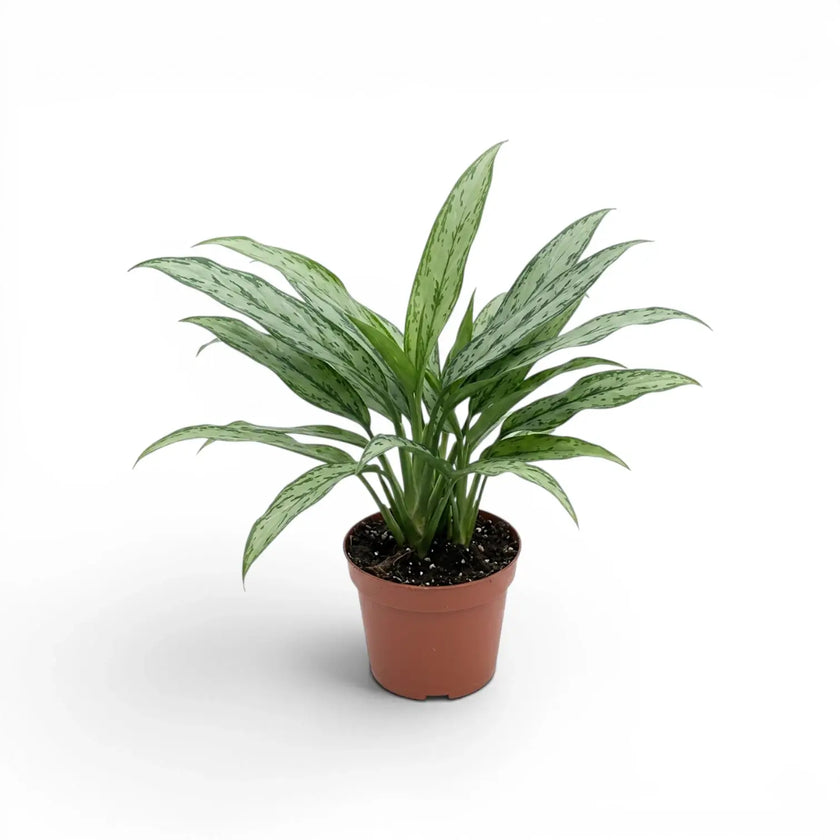
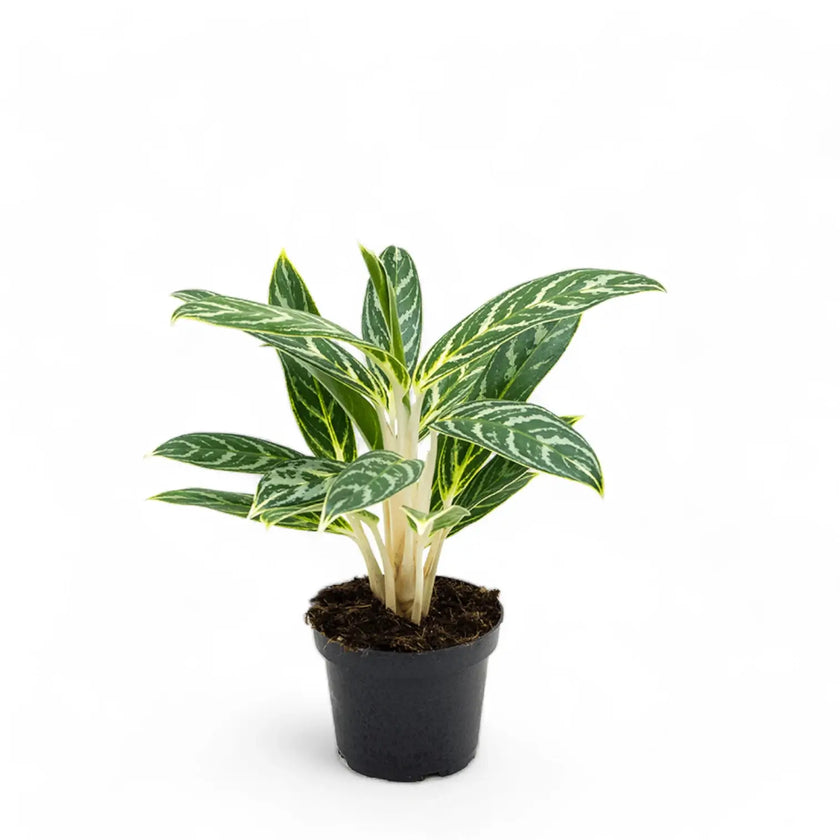
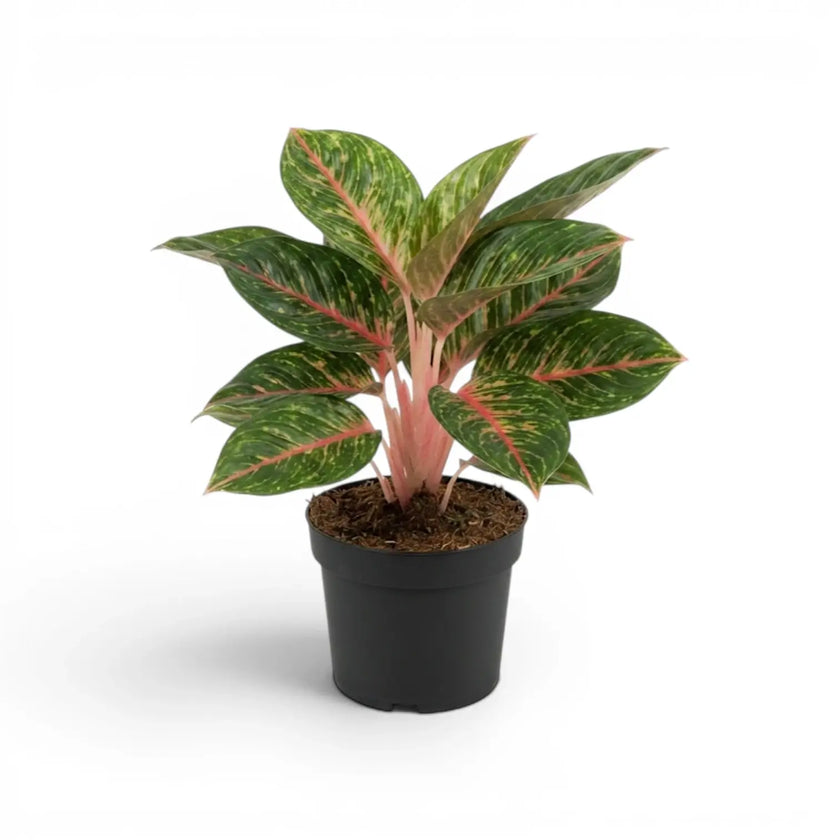
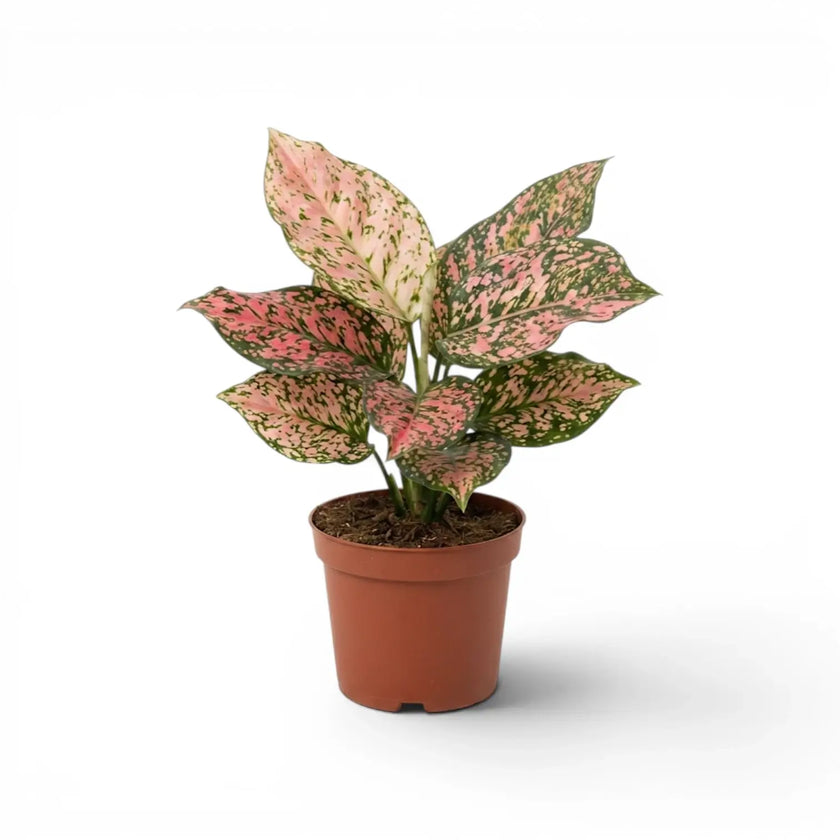
Aglaonema, often sold as Chinese evergreen, covers tough green office staples and slower, showier collector forms in one genus. Indoors they cope with real homes better than many tropicals if you match light to the cultivar and never trap fine roots in cold, compact mix.

  • Green and silver hybrids handle medium light; colourful and pictum types need brighter, indirect light
  • Prefer loose, humus-rich mixes cut with bark and mineral chunks for root aeration
  • Work as compact shrubs on floors, sideboards and desks wherever air is warm and steady

Browse this collection to choose Aglaonema that match your light and routine instead of trusting generic “low-light, easy-care” labels.

Sort by

Filters

Aglaonema — botanical profile for Chinese Evergreens

Aglaonema is a genus of evergreen terrestrial aroids in Araceae, formally described by H. W. Schott in 1829. The name combines Greek elements often interpreted as “bright thread”, probably referring to conspicuous stamens or venation. Around 20–40 species are recognised, and extensive hybridisation has produced the diverse Chinese Evergreen cultivars used indoors.

  • Order: Alismatales
  • Family: Araceae
  • Tribe: Aglaonemateae
  • Genus: Aglaonema Schott
  • Type species: Aglaonema oblongifolium Schott
  • Chromosomes: Base number around x = 6; reported somatic counts show several polyploid levels across species and cultivars

Range & habitat: Native from northeastern India and southern China across mainland Southeast Asia to Indonesia and New Guinea. Aglaonema occupies humid tropical forest floors, limestone pockets and peat or humus deposits in shaded to deeply shaded sites, often in seasonally saturated but not permanently waterlogged soils.

  • Life form: Clump-forming, evergreen herbs with short, creeping or erect stems that may root along the ground and branch slowly.
  • Leaf attachment: Petiolate leaves arranged in loose rosettes or along short stems, often with sheathing petiole bases clasping the stem.
  • Leaf size: Many species carry blades roughly 10–45 cm long, from narrow lanceolate forms to broad, elliptic leaves in larger taxa.
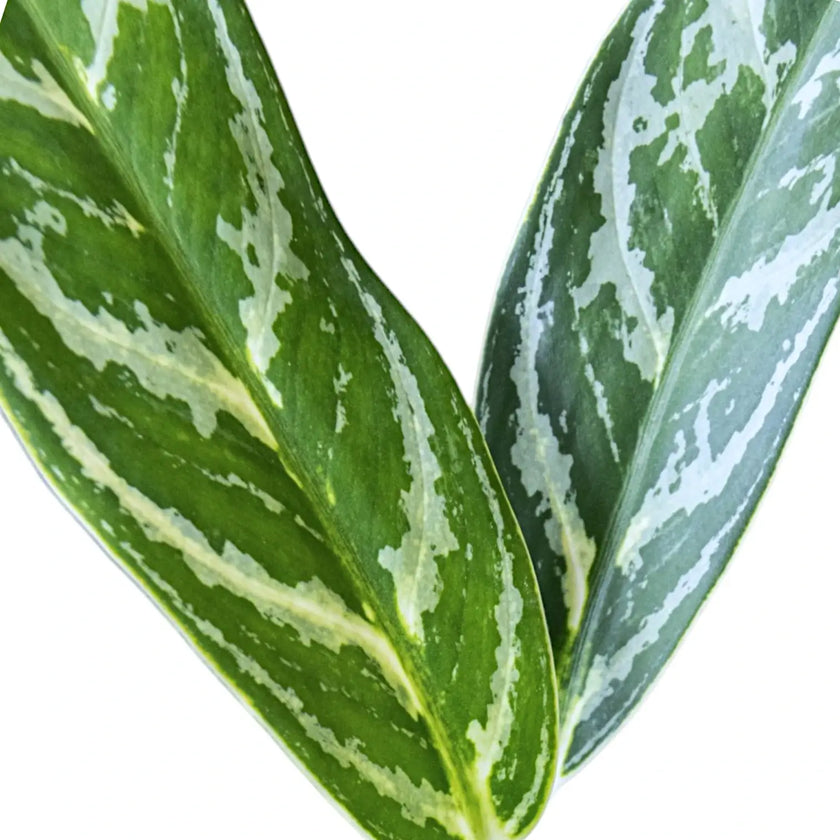
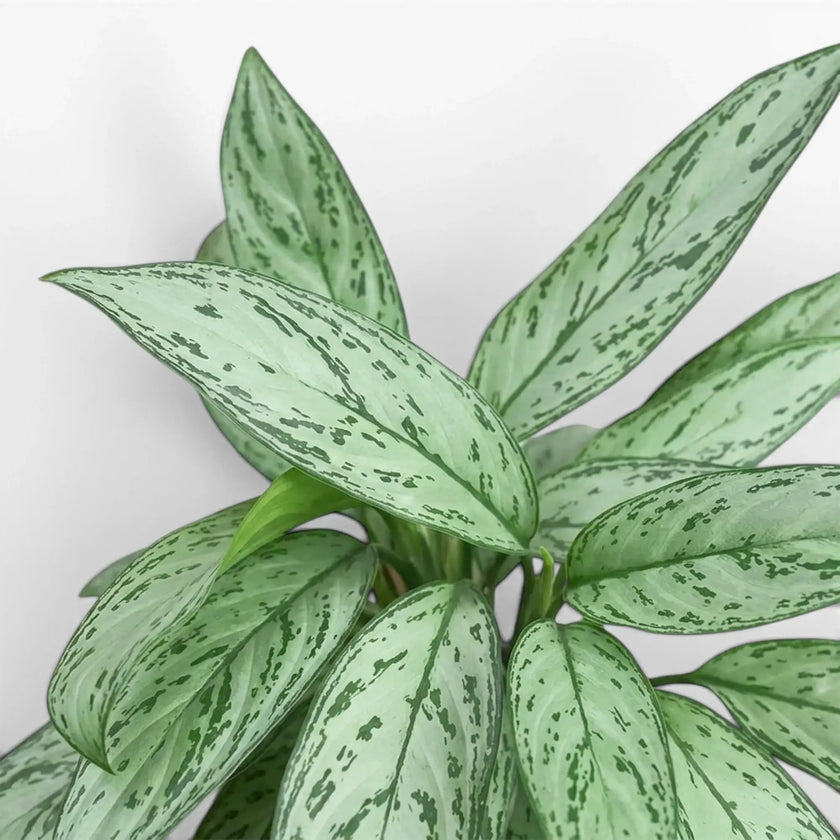
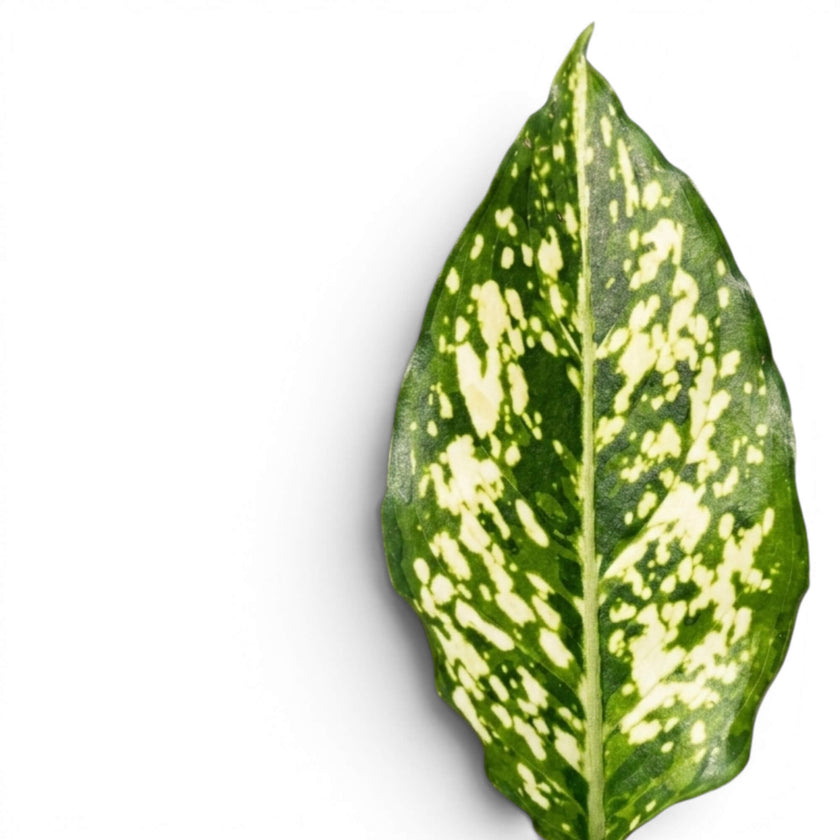
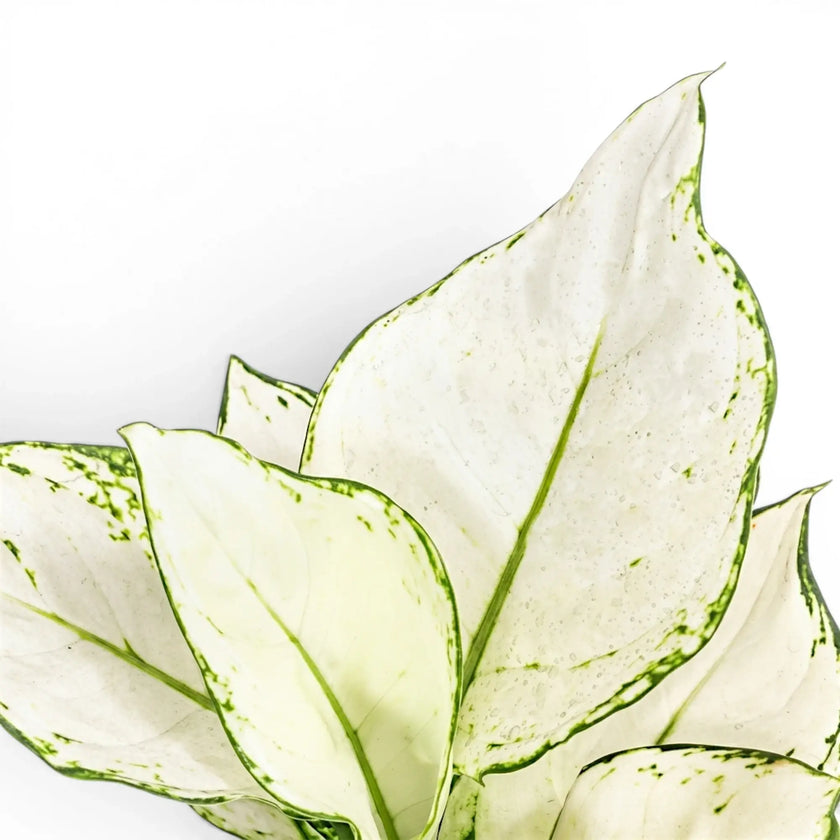
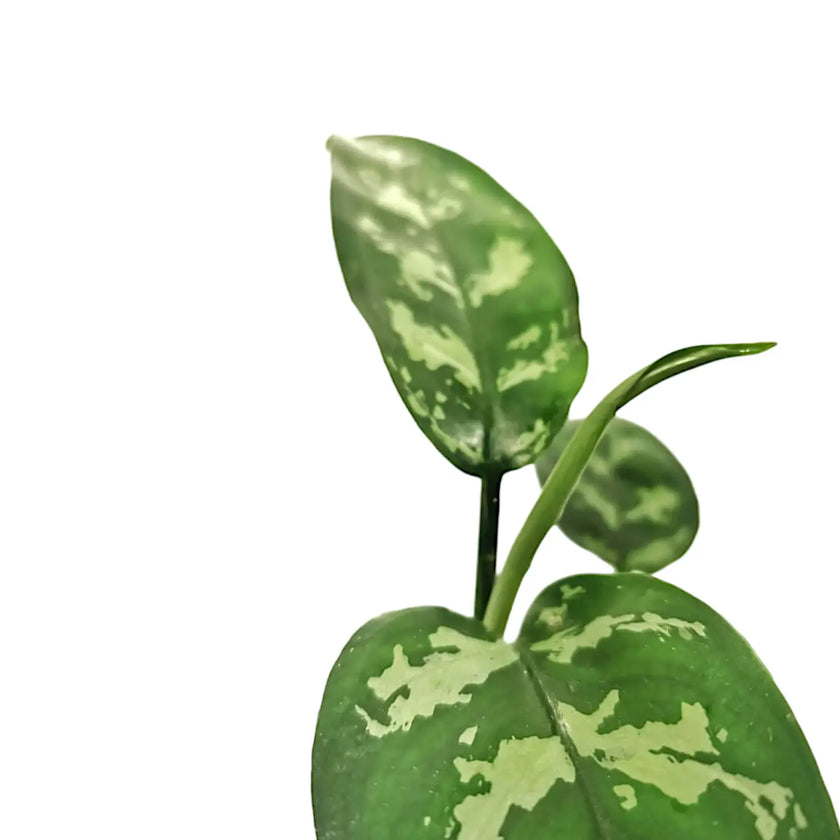
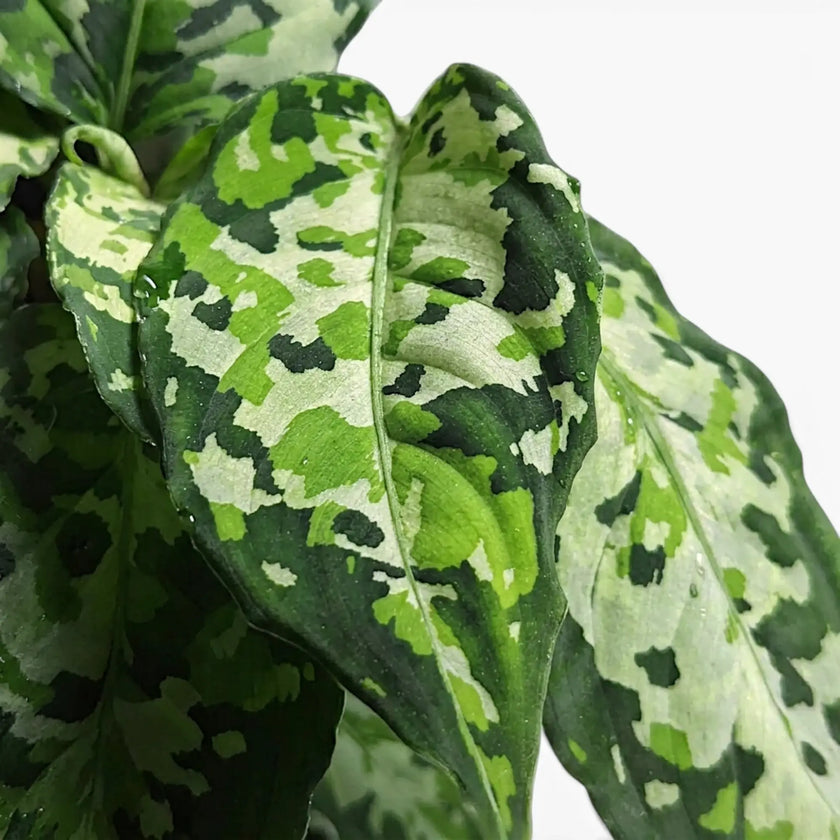
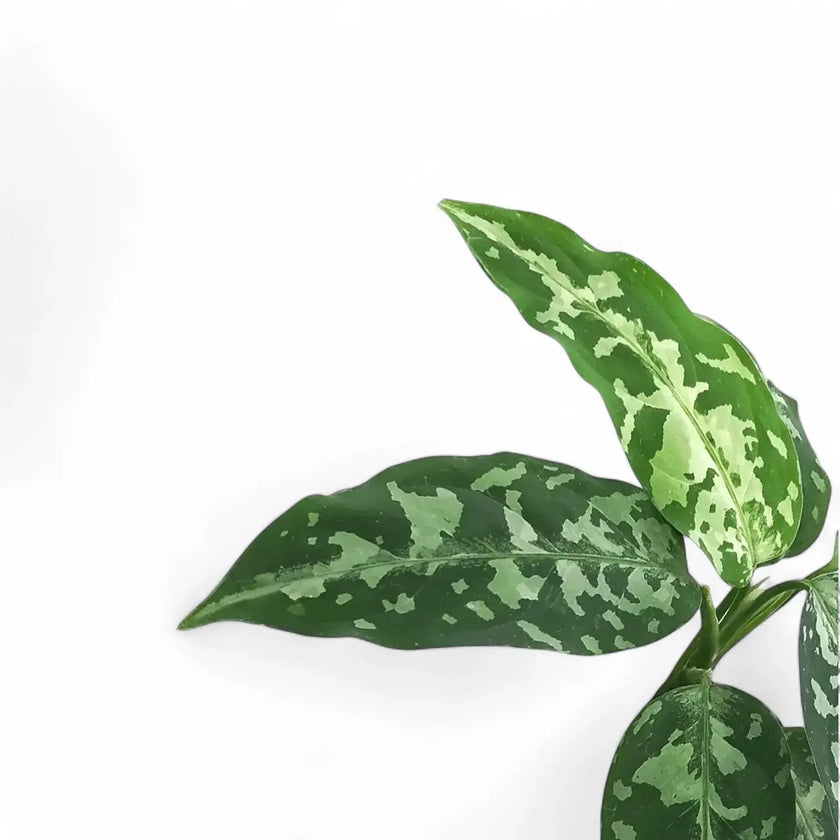
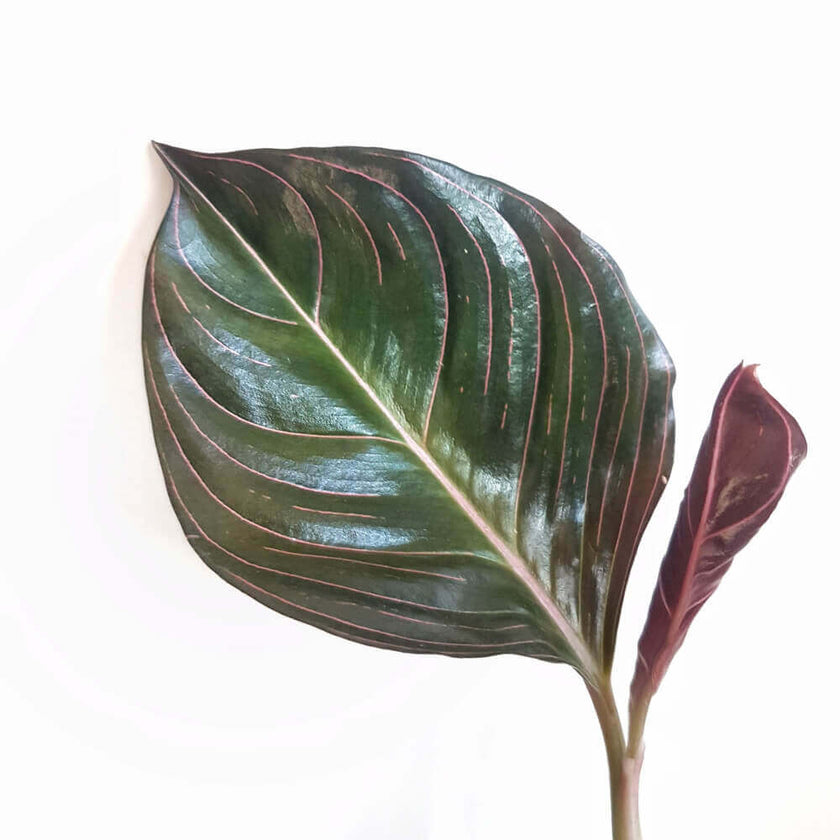
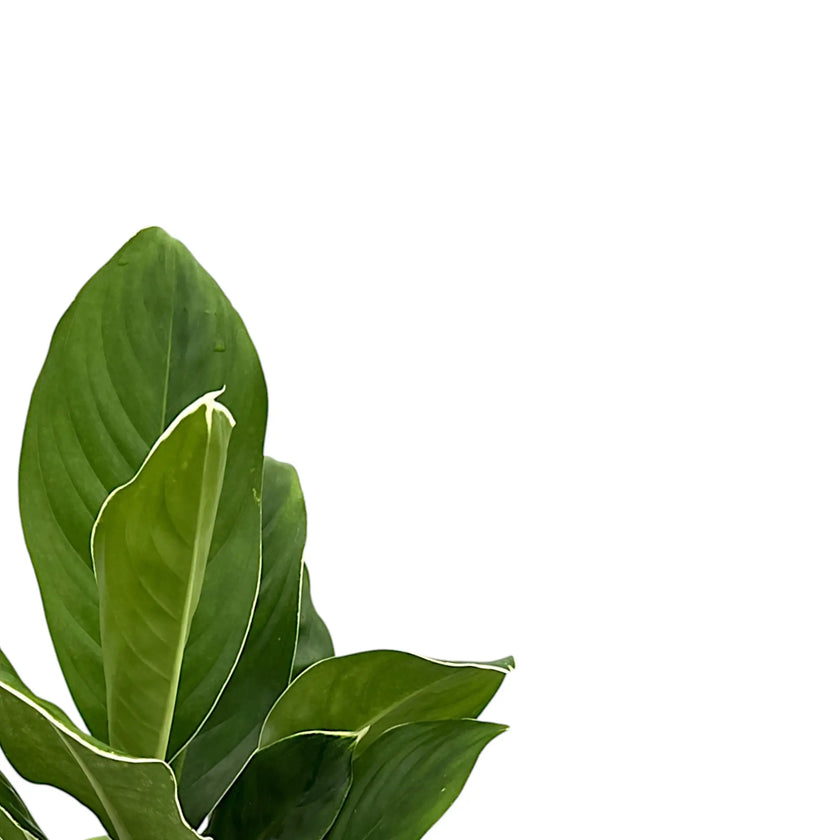
  • Texture & colour: Firm, often glossy foliage with patterns in silver, grey, cream or light green on a darker ground; midribs and primary veins usually clearly defined.
  • Notable adaptation: Physiology tuned to low photon flux: foliage maintains positive net photosynthesis at light levels typical of deep understory, allowing stable growth where many other ornamentals stall.

Inflorescence & fruit: Compact aroid inflorescences with a pale spathe surrounding a short spadix bearing distinct female and male zones. Fruits are ovoid berries that ripen to conspicuous red tones, each usually containing a single relatively large seed.


Aglaonema (Chinese evergreens) – care & collector notes

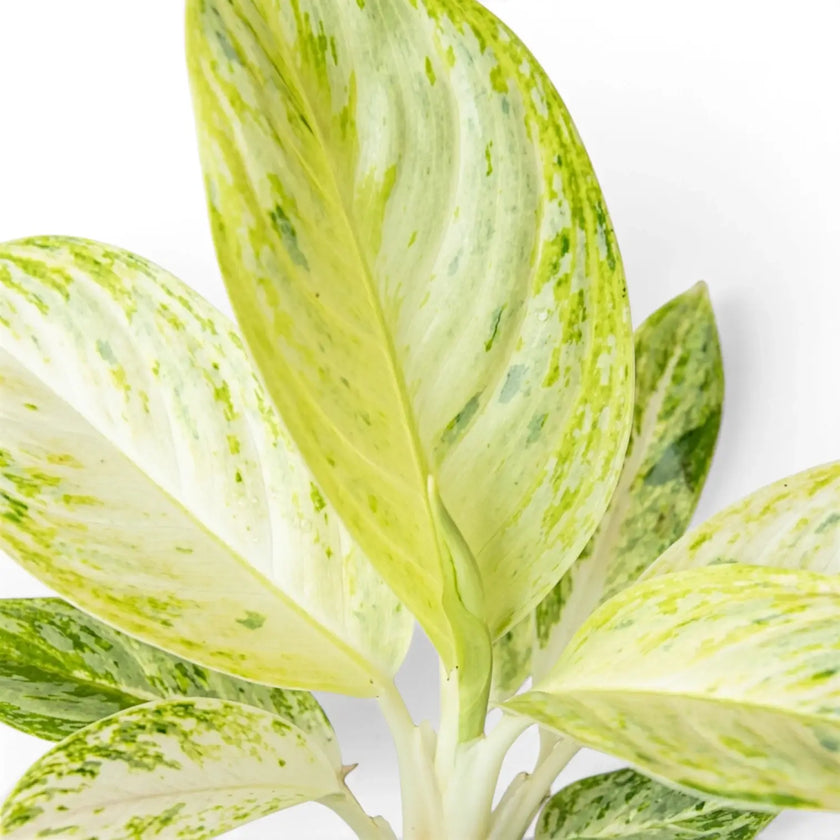
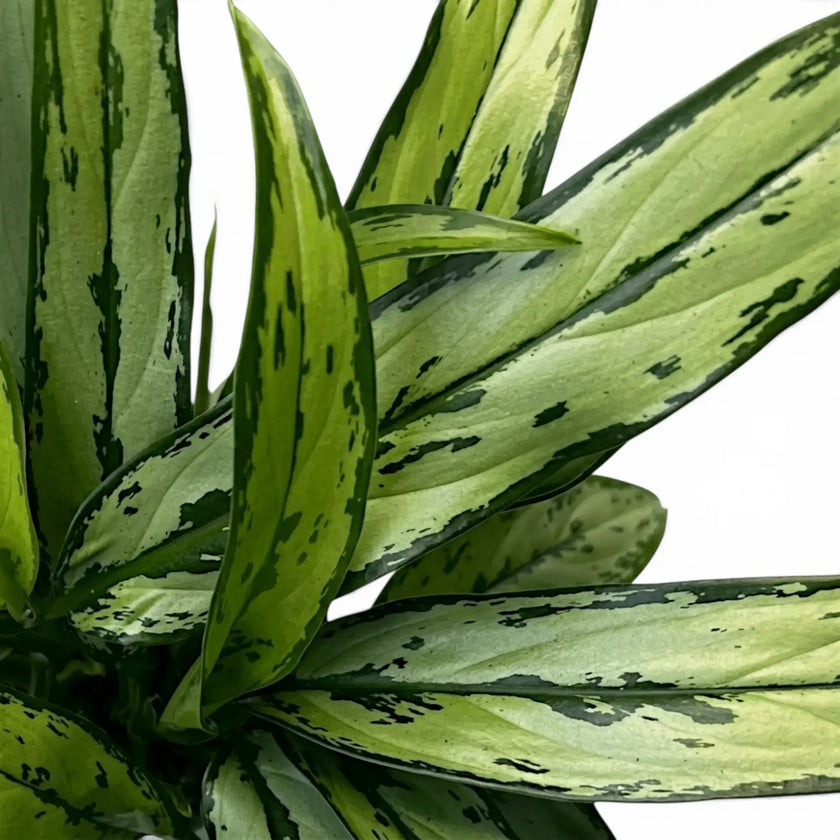
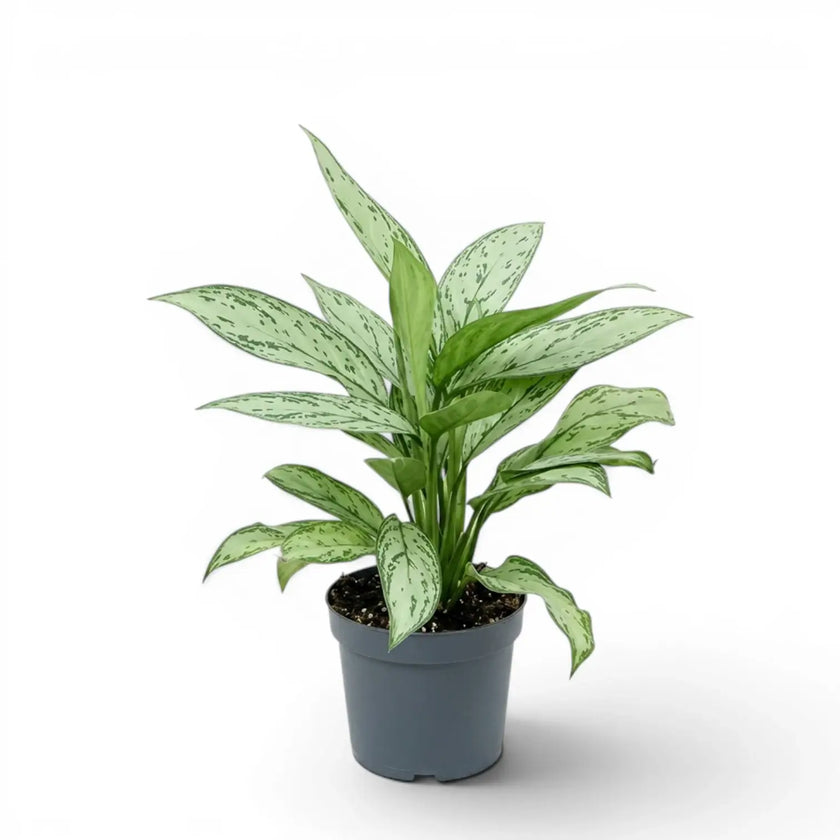
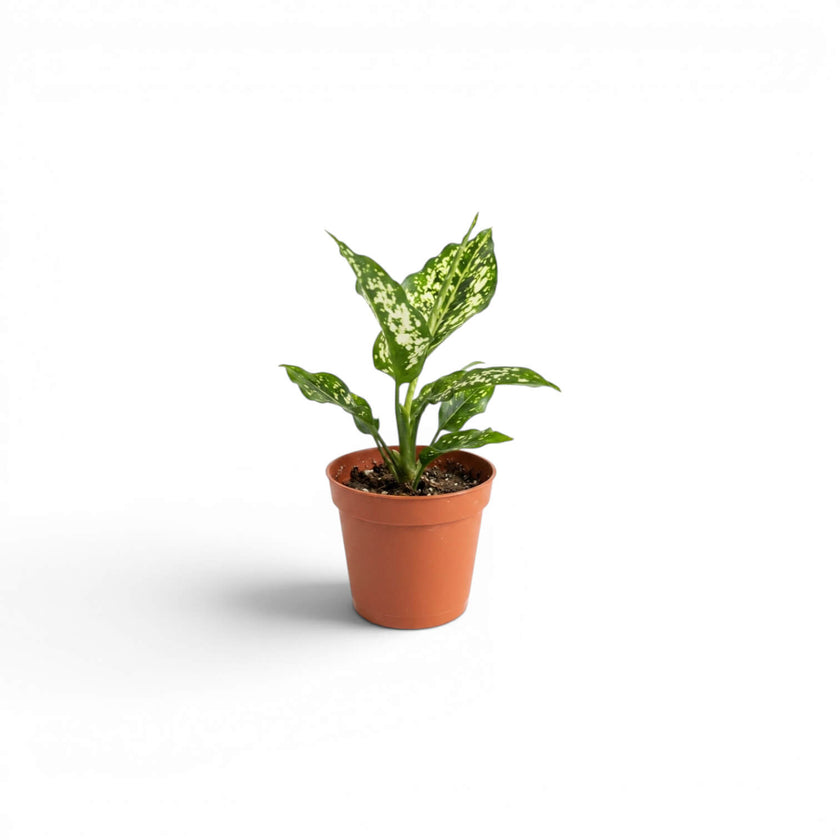
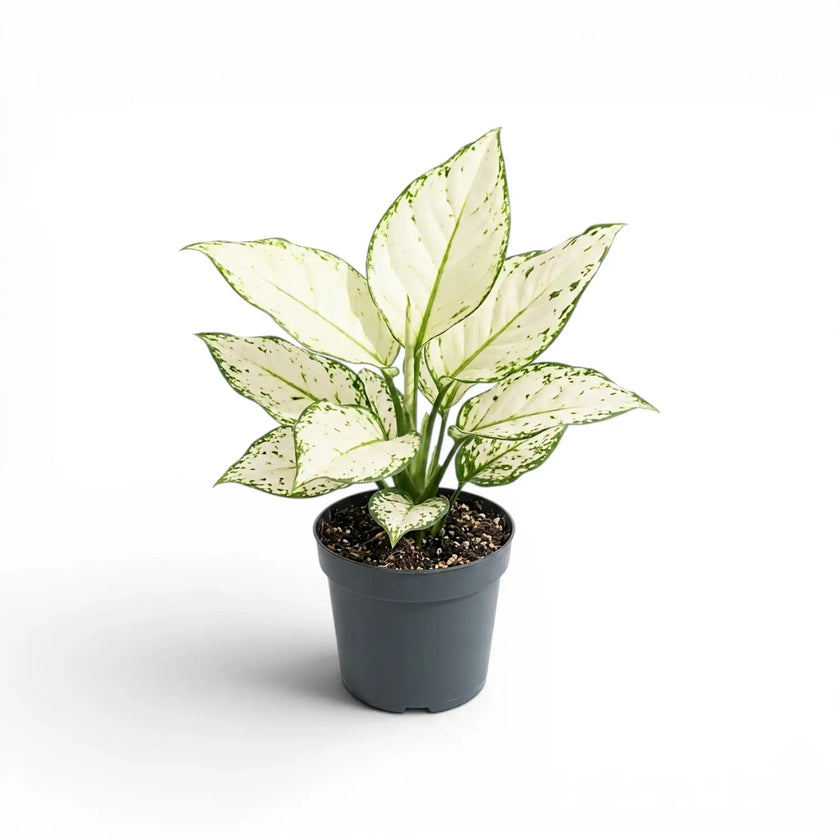
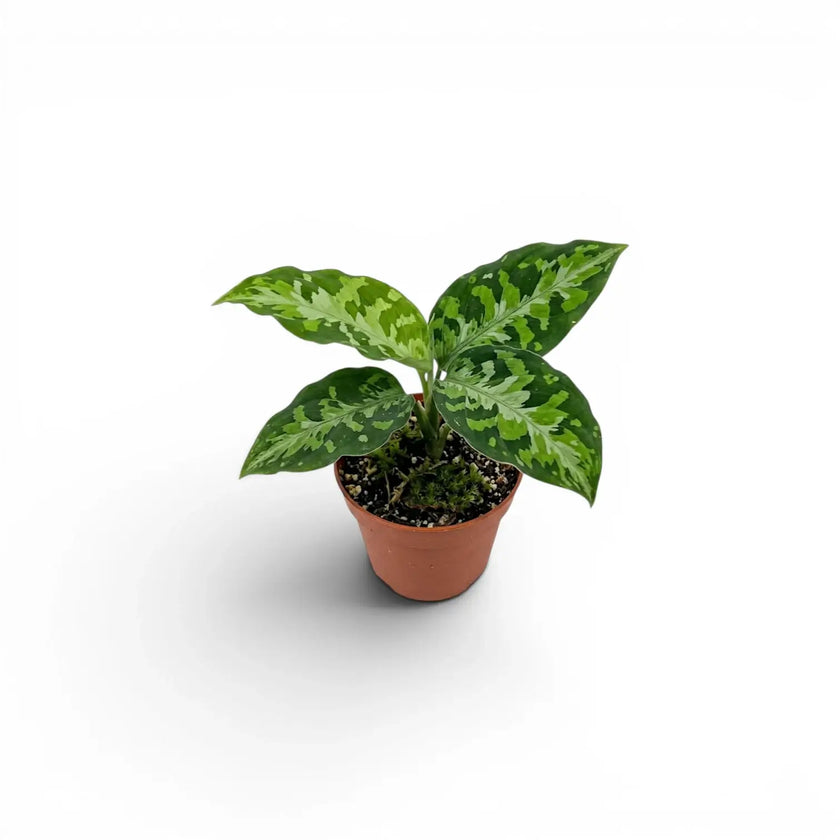
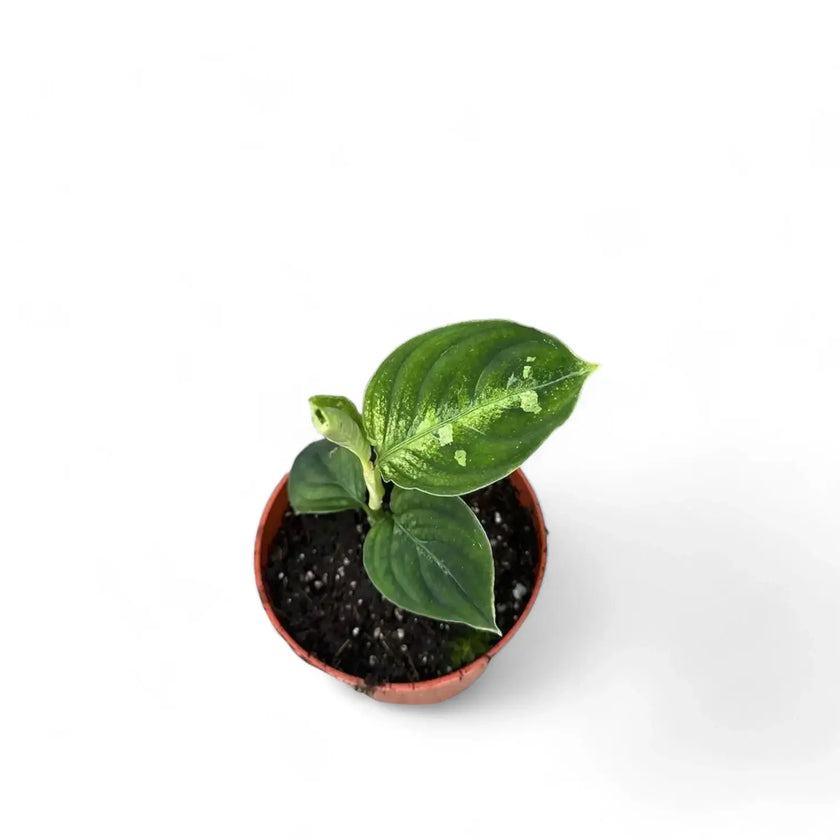
Aglaonema, usually sold as Chinese evergreen, is not one single personality. At one end you have tough green-and-silver hybrids that shrug off office lighting and the odd missed watering. At the other you have slow, high-value forms like Aglaonema pictum tricolor, rotundum-derived plants and heavily variegated tissue-culture lines that expect warmer, more stable, higher-humidity care.

This category covers both ends of that spectrum. There are straightforward foliage plants that slot into everyday spaces and rarer, slower material for growers who like fine-tuning conditions. The guidelines below give a safe baseline; always use the individual product page to tweak for each specific clone or species.

Forest-floor life – what Aglaonema wants from a pot

In the wild, Aglaonema grows on forest floors across tropical Asia. Roots run through loose organic debris over mineral soil, under diffused light and warm air. Substrate stays evenly moist without turning into a floodplain, and humidity does not crash to bone-dry levels for long.

Indoors, that translates to bright, indirect light instead of harsh sun, a structured mix that never compacts into mud, a watering rhythm that avoids both “swamp” and “desert”, and a position away from cold glass or radiators. Get those pieces right and even the fussier forms become much more predictable.

Light – “tolerate shade” vs “actually happy”

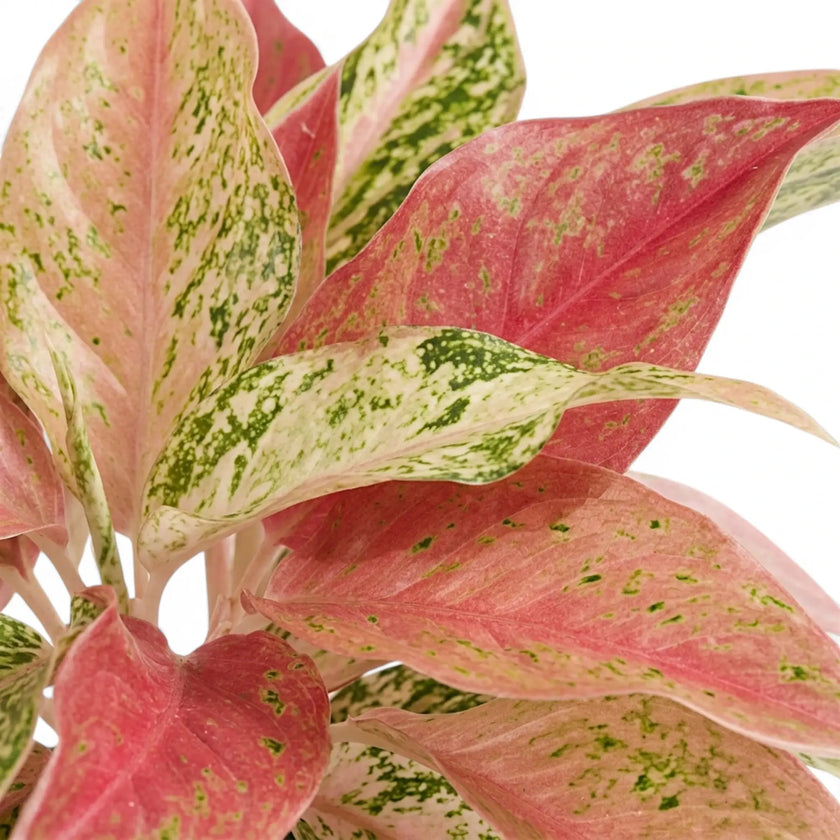
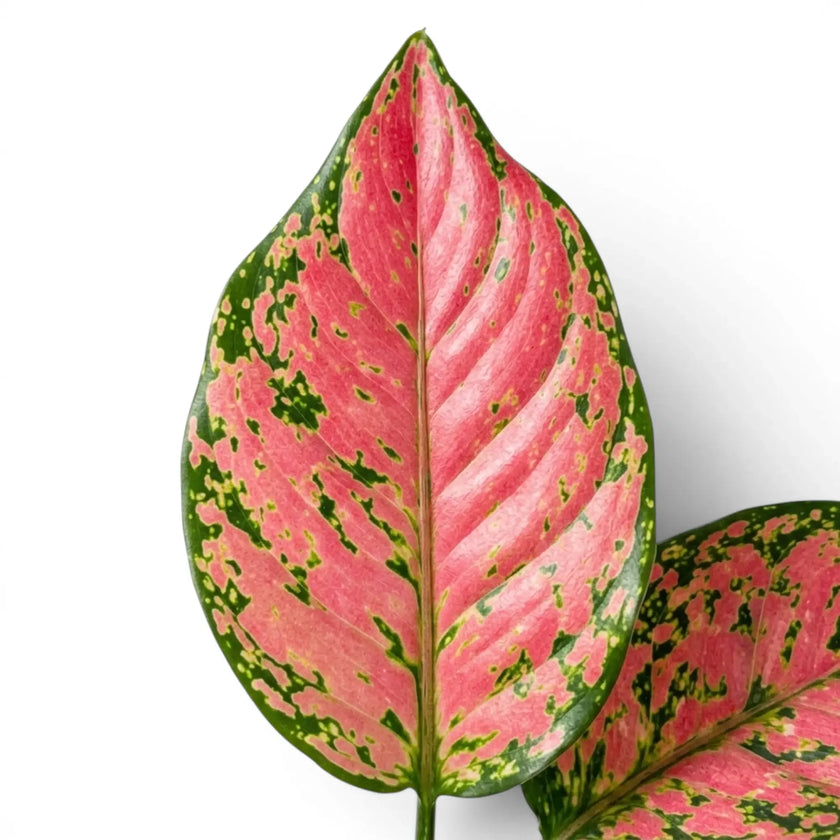
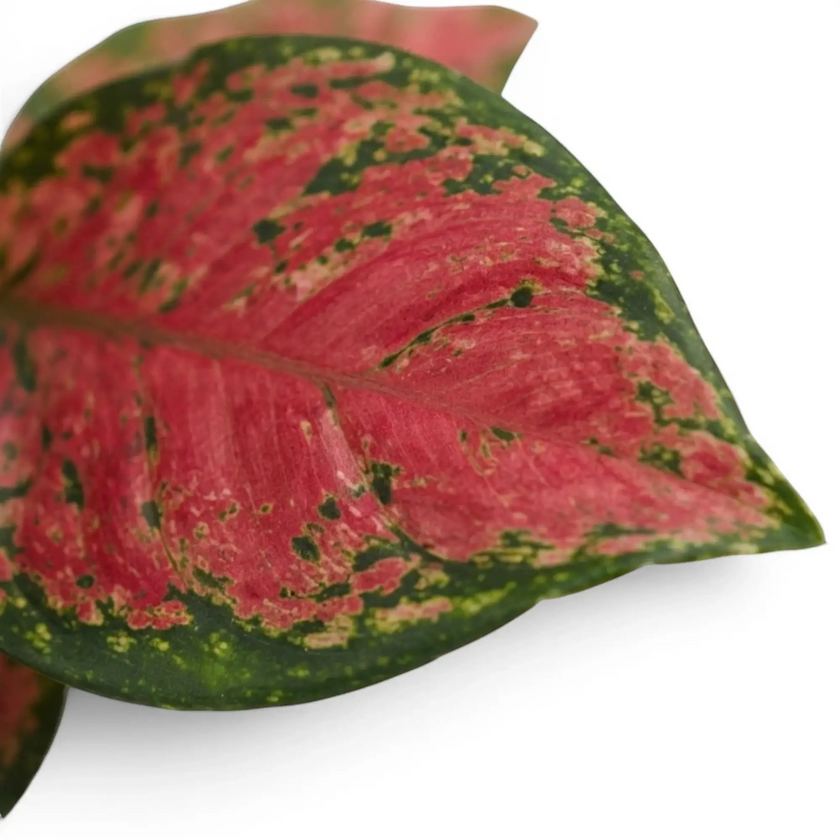
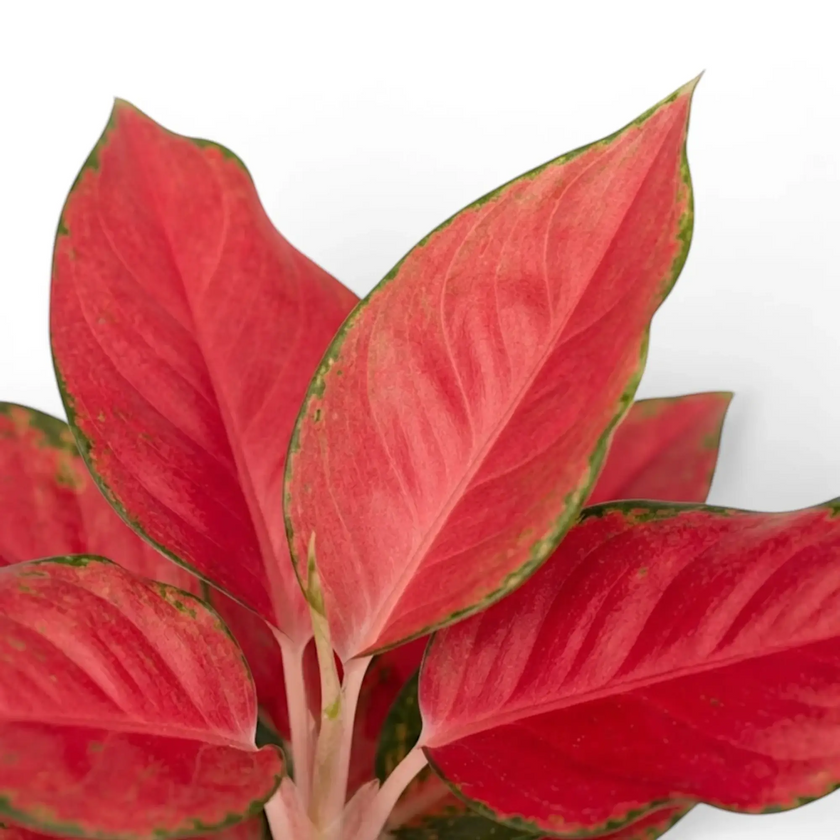
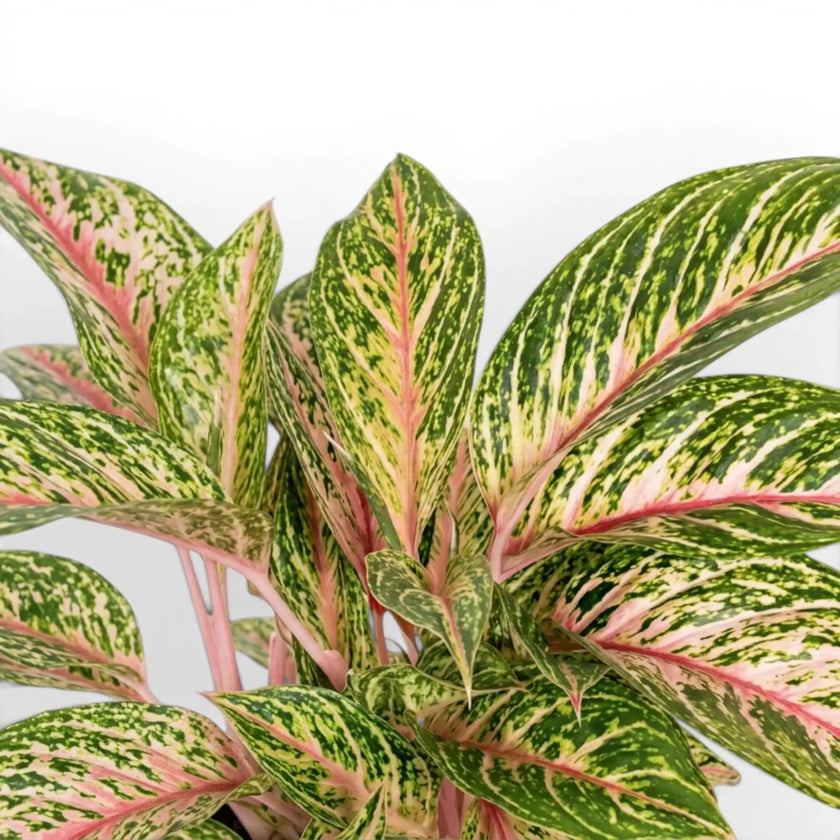
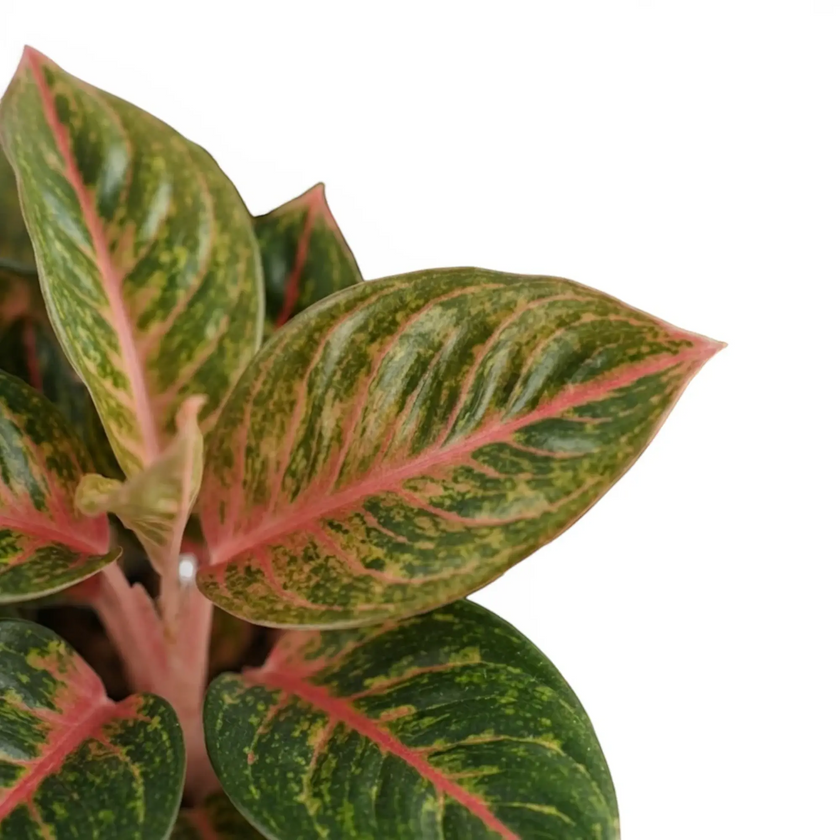
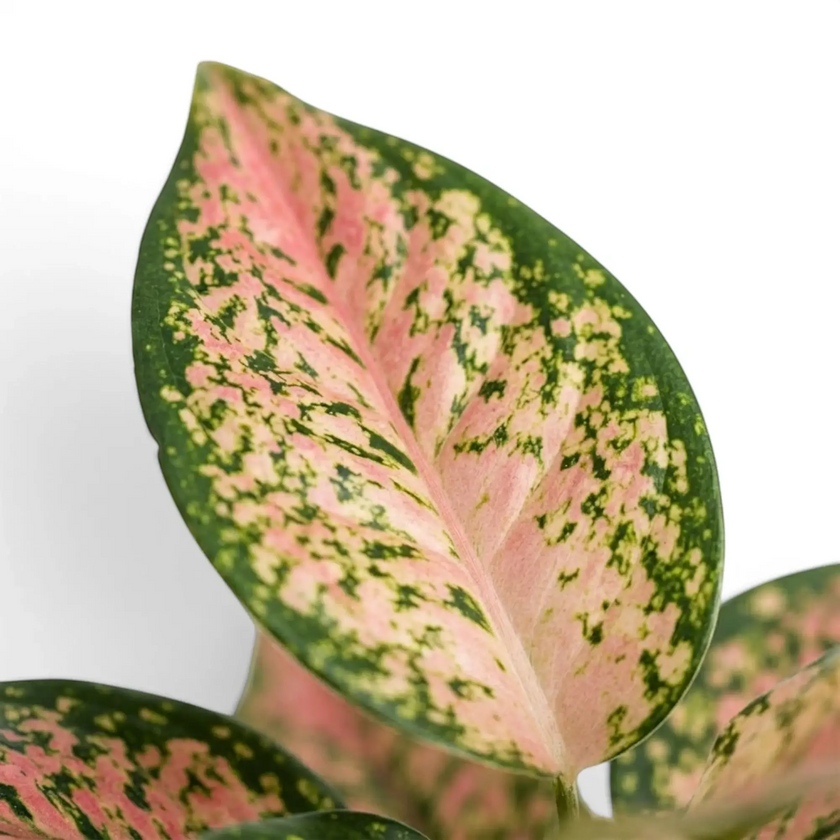
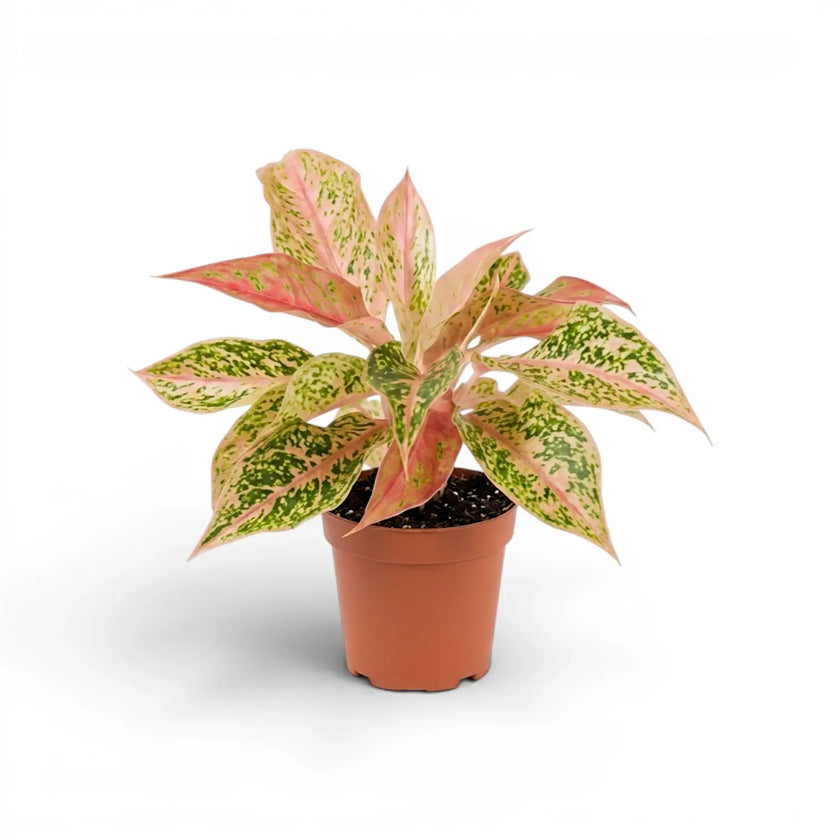
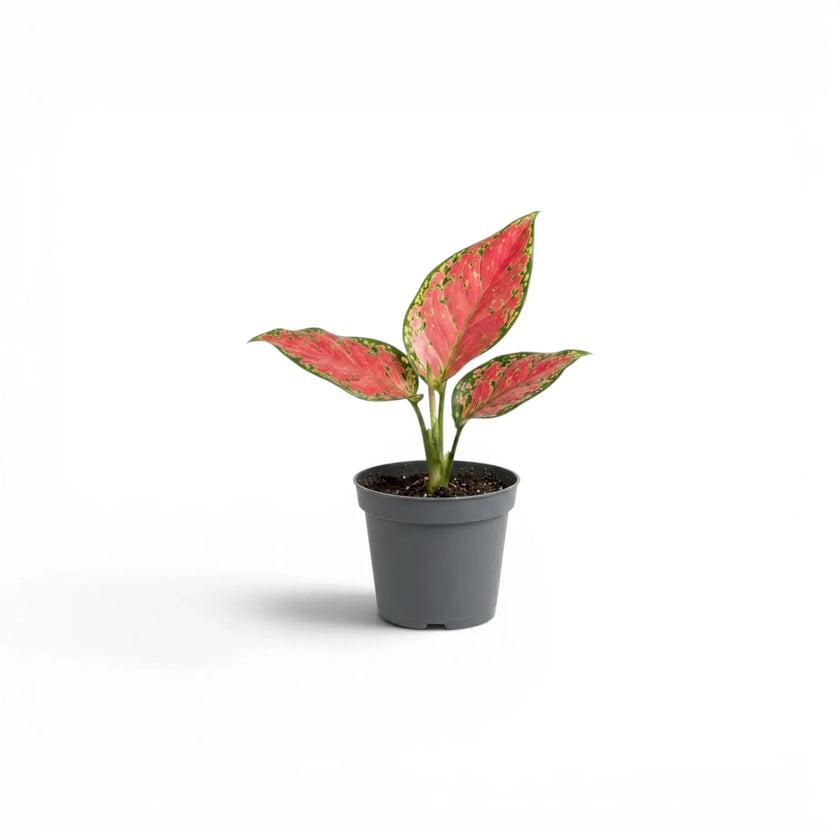
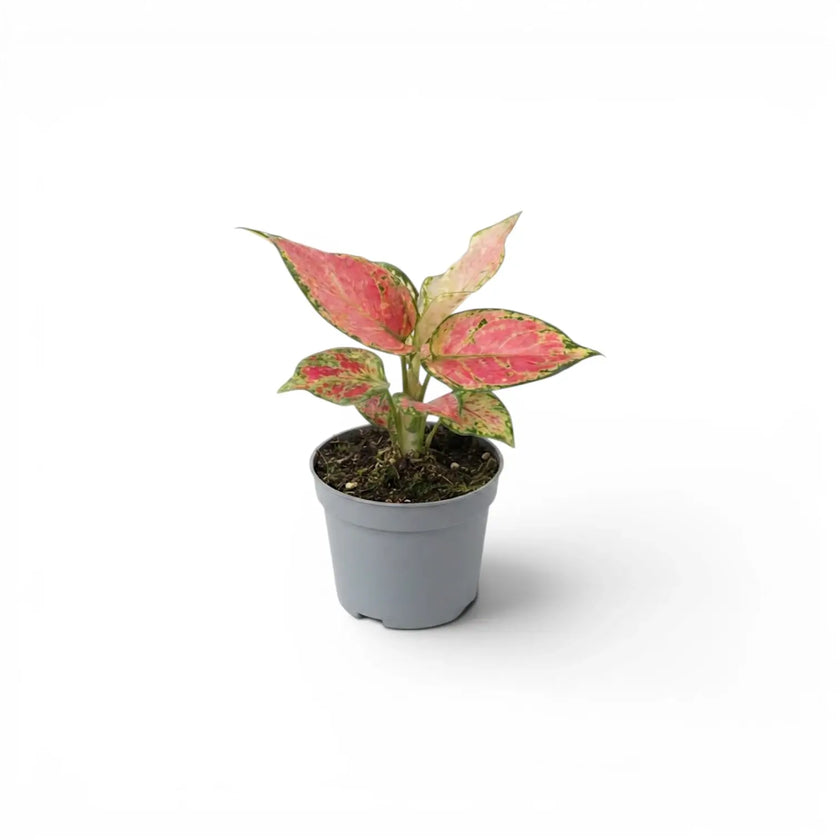
Aglaonema earned its easy-care reputation because many plain green or lightly mottled hybrids will tolerate fairly low light and still behave, especially in workspaces. But “tolerate” is not “thrive.” Strongly coloured cultivars with pink, red or heavy silver patterning, and collector plants such as Aglaonema pictum tricolor, need clearly brighter indirect light to keep patterns sharp and petioles from stretching.

Good spots are near east or west windows, or a little back from a south-facing window behind sheer fabric. Leaves should feel cool to mildly warm, not hot or washed out. Small, dull new leaves spaced far apart signal light that is slipping below what Aglaonema prefers; pale, papery scorch on the glass-facing side means intensity or speed of change was too high. If you want a more objective read on your windows, have a look at our bright-indirect light guide.

Watering and substrate – keep roots breathing

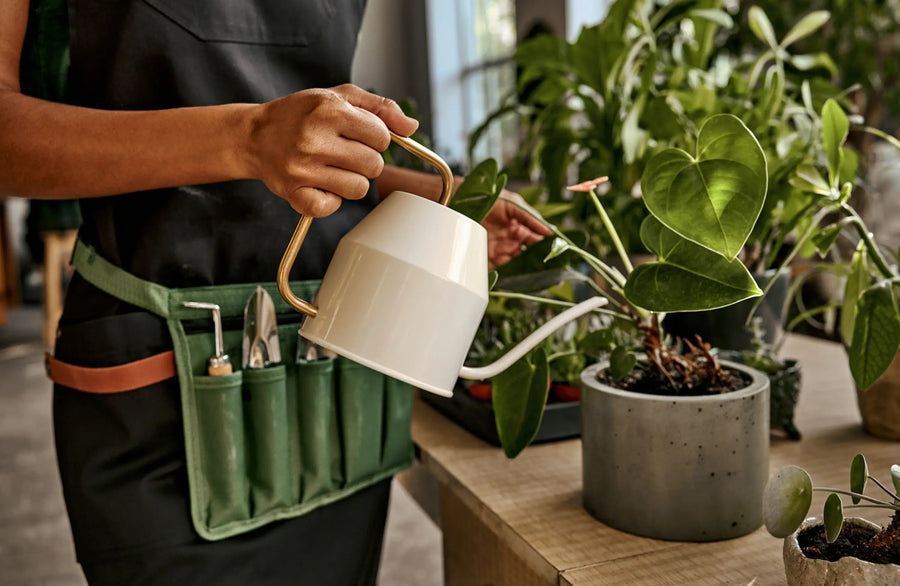
Aglaonema likes a calm rhythm. Let the top few centimetres of substrate dry before watering again, then water slowly and thoroughly until liquid runs from the drainage holes and tip away any excess. Aim for a cycle where mix moves between “evenly moist” and “lightly dry on top”, not from waterlogged to powder-dry.

Common hybrids will put up with a short dry spell and the odd missed watering, especially in softer light. Collector forms kept warmer and brighter tolerate neglect far less: a fully dry rootball shows fast as curled, browned tips and stalled new growth. At the other extreme, constantly wet, compact mix causes yellow lower leaves, soft bases and a sour smell – classic suffocated roots.

For substrate, start with a good indoor plant mix and open it up with roughly 20–40 % mineral or chunky material such as perlite, pumice, fine bark or expanded clay. You want something you can crumble between your fingers, not a solid plug. Extra air space is particularly important for slower, high-value Aglaonema where one root problem can cost you months.

Temperature, humidity and airflow

Aglaonema is most comfortable at typical indoor temperatures around 18–27 °C with only gentle swings over a day. Cold is a frequent hidden stress: pots pressed against single-glazed windows or sitting on uninsulated stone in winter often show “mystery” yellowing, translucent patches or collapsing older leaves when combined with wet mix. Many collector forms are fussier and repay being kept above roughly 20 °C.

Average household humidity is enough for many green types, but patterned and collector plants simply look better with moderate, stable humidity. A range around 50–70 % is a good aim. Grouping plants or using a small humidifier near heating works better than misting leaves, which mainly spots them. At the same time, avoid parking Aglaonema in stale corners; gentle airflow helps dense foliage dry after watering and makes fungal issues less likely.

Growth habit and feeding – workhorses vs slow growers

Aglaonema grows as a clumping cane. Short stems carry leaf fans at the top, and new shoots appear from the base over time. Common commercial hybrids can fill a pot within a couple of seasons in decent light. Many collector forms – especially Aglaonema pictum types and plants involving Aglaonema rotundum – are naturally slower and often stay lower and denser; trying to force them forward with heavy feeding usually backfires.

For nutrition, a balanced, diluted liquid fertiliser applied during active growth is enough. Always feed onto already moist mix. Strong, frequent fertiliser into dry or waterlogged substrate tends to show up as salt stress, brown tips and root damage, particularly in slow species. When plants are resting, recovering from shipping or newly repotted, put your effort into light, moisture and root health; bring fertiliser back only when new leaves look stable.

Toxicity and handling

All Aglaonema contain calcium oxalate crystals and other irritants in leaves, stems and roots. Chewing can cause mouth and throat irritation, drooling and vomiting in pets and unpleasant symptoms in children. Treat Aglaonema as toxic and place pots where cats, dogs and small children cannot easily chew foliage.

When you prune or repot, keep sap away from eyes and wash hands afterwards. If you already react to aroid sap, light gloves are a sensible precaution, especially when working on older clumps with lots of cuts.

What happens to Aglaonema after shipping

Aglaonema usually travels well, but a few cosmetic changes are normal. Older outer leaves may yellow or develop crease marks from packing; some may be shed while the plant adjusts to new humidity and light. Collector species and heavy variegates can arrive with slightly curled leaves or muted colour that improves again once conditions are stable.

After unpacking, set Aglaonema in bright, indirect light and give it a pause before big interventions. Check the rootball: if the upper layer is still clearly moist and the pot feels heavy, wait before watering. If mix has dried in transit, water once slowly and thoroughly, then move onto a regular rhythm. Save major repotting for when you see fresh, confident growth, unless the existing substrate is clearly collapsing or smells sour.

Troubleshooting Aglaonema – reading leaf signals

  • Lower leaves yellow one by one in heavy, wet mix: overwatering and poor aeration. Let the substrate dry further between waterings, make sure drainage holes are clear and consider moving to a looser mix.
  • Crispy brown tips and edges on several leaves: usually a combination of irregular watering, very dry air or fertiliser salt build-up. Flush the pot thoroughly with plain water, tighten your watering rhythm and, if humidity is extremely low, nudge it up slightly around the plant.
  • Pale, stretched petioles and washed-out variegation: light is too low. Shift Aglaonema closer to a suitable window or under good LED grow lights, especially for colourful and collector forms.
  • Dark, water-soaked patches after cold nights by a window: cold damage on wet tissue. Move the pot away from cold glass, keep roots a bit drier while the plant recovers and remove only fully dead patches.
  • Fine webbing, stippling or cottony clumps in leaf axils: spider mites or mealybugs settling in. Isolate the plant, rinse foliage carefully and treat early with suitable pest control while also improving general conditions.

FAQ – Aglaonema Is every Aglaonema suitable for beginners?

No. Many widely available Aglaonema hybrids are excellent starter plants and cope with a broad range of indoor conditions. Pictum tricolor, rotundum types and other collector material are slower and less forgiving. If you are new to houseplants, start with robust classics, then add rarer plants once you know how your space behaves.

How often should I water Aglaonema?

There is no single interval that suits every home. Use the mix and pot weight as your guide: water when the upper few centimetres feel dry and the pot is noticeably lighter than just after watering. In brighter, warmer spots this point comes sooner; in cooler or lower-light positions, it takes longer.

Can Aglaonema grow under artificial light only?

Yes. Good LED panels or tubes positioned close enough to the foliage and run for around 10–12 hours per day can keep many cultivars growing well. Collector species with strong variegation usually benefit from slightly higher intensities.

Does Aglaonema prefer tight pots?

Aglaonema tolerates moderately snug containers and does not need frequent upsizing. Move up a size when water runs straight through, substrate dries extremely fast or roots circle heavily and push upwards. Avoid dropping a small rootball into a very large pot, which raises the risk of overwatering.

Can colourful Aglaonema keep pink and red tones indoors?

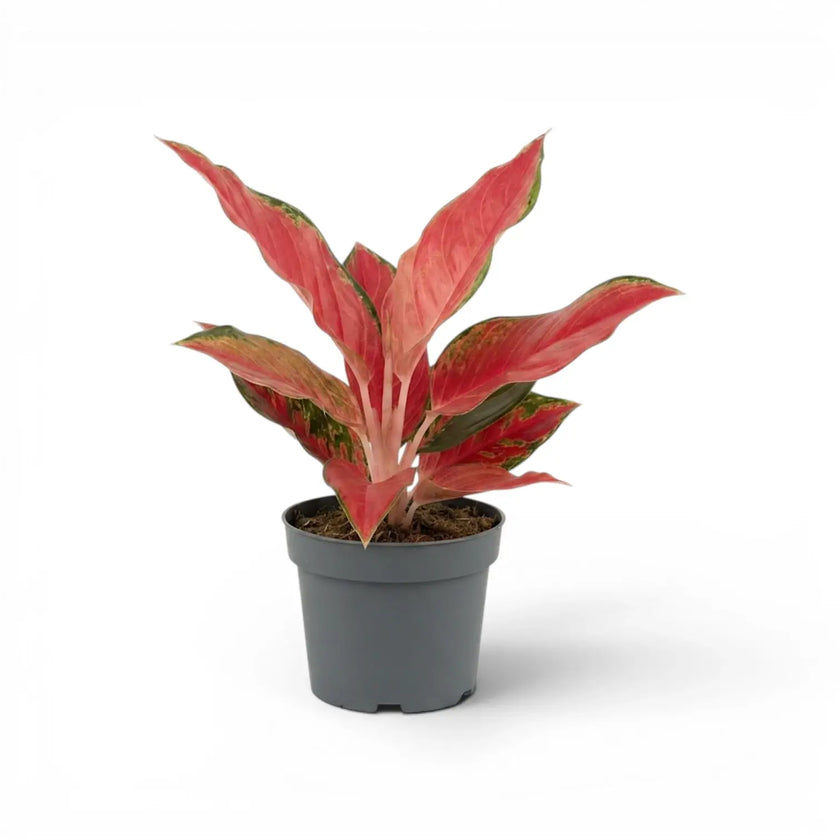
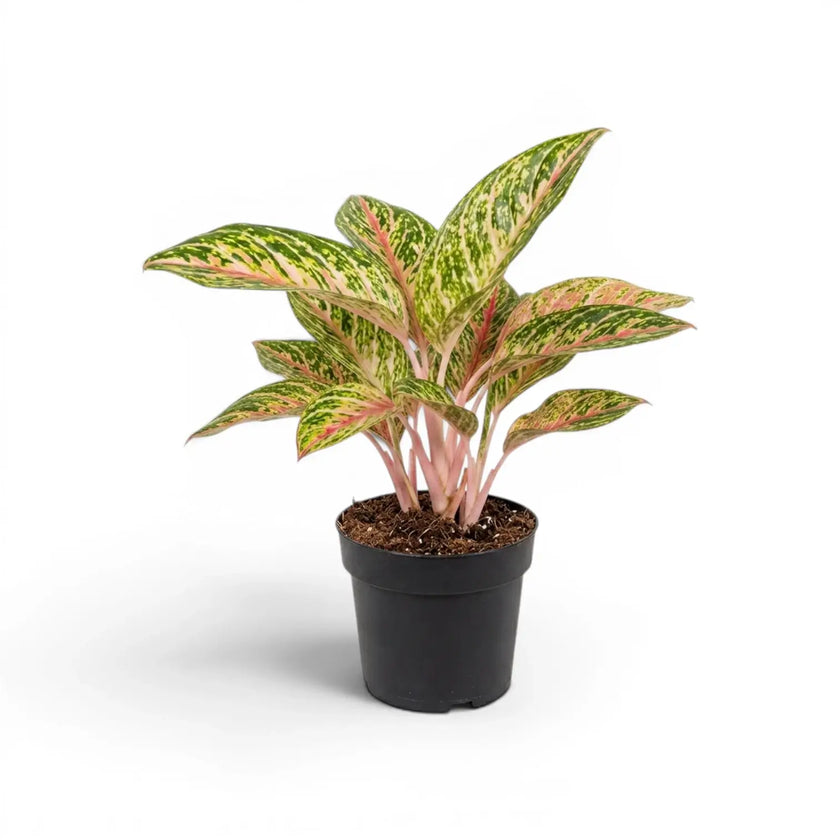
Yes, if light, nutrition and overall care match their needs. These cultivars require brighter indirect light than plain green forms, consistent but not heavy feeding and protection from cold. In very dim rooms, pink and red areas tend to fade towards green; colour usually strengthens again over several new leaves once conditions improve.

Back to top  – then pick the Aglaonema that matches your light level, patience and tolerance for fussiness ↑

Aglaonema (Chinese evergreen) – foliage priorities

  • Use indoors: clumping foliage plant for medium to bright shade; tolerant of less-than-perfect rooms when roots are happy.
  • Light reality: plain green hybrids cope with lower light; strongly coloured cultivars need clearly brighter, indirect light.
  • Moisture level: keep mix lightly moist with a short dry phase at the top; long-term swamp or deep drought both show quickly in leaves.
  • Substrate: prefers a loose, humus-rich mix cut with bark and mineral fraction so fine roots do not sit in compacted soil.
  • Warmth & humidity: likes stable, warm rooms and moderate humidity; cold pots by windows are a classic cause of mysterious yellowing.
  • Toxicity: contains calcium oxalate crystals; treat as toxic and keep out of reach of chewing pets and children.

Make Sure to Read:


Further Guides: