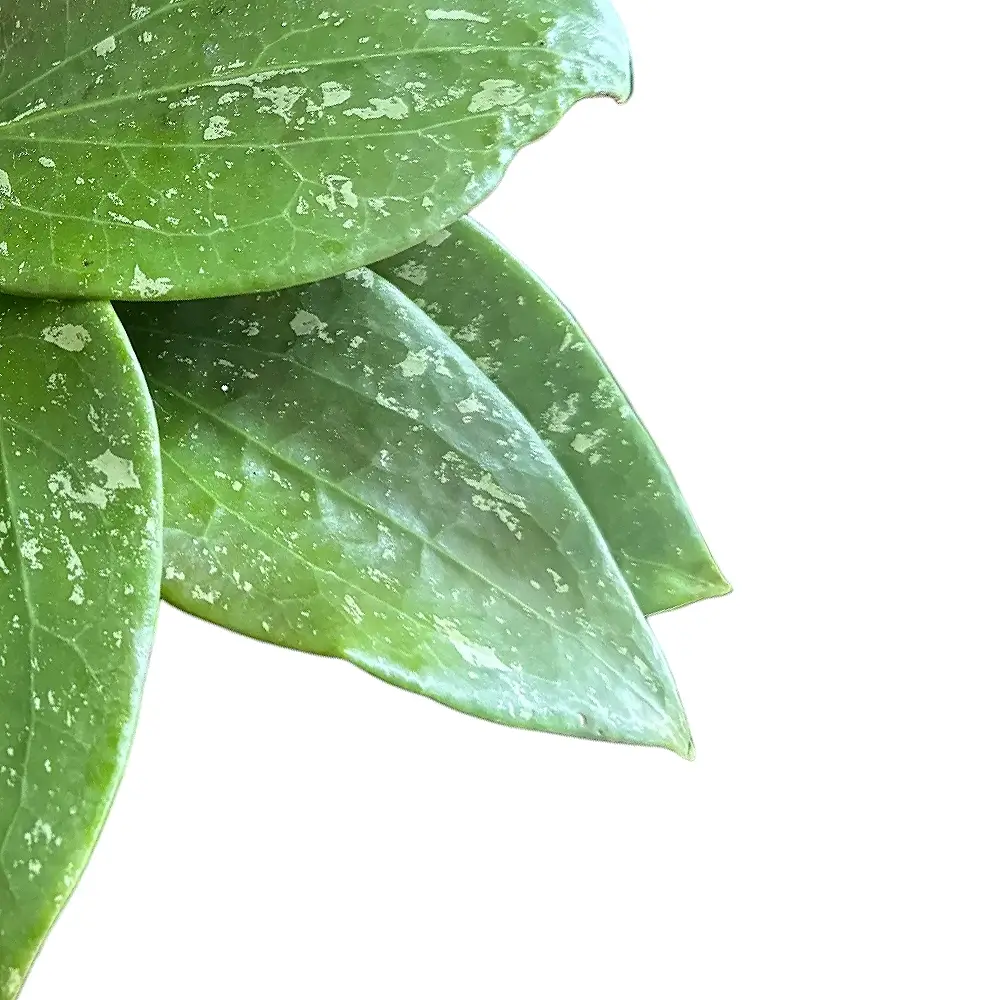
Labisia pumila – Southeast Asian understory plant with striking foliage
Labisia pumila (Blume) Fern.-Vill. is a shade-loving perennial native to the tropical forests of Southeast Asia. It produces elegant, lanceolate leaves with fine crenulate margins, creating a textured, refined appearance. Mature foliage is deep green, while new growth emerges in dramatic black-green tones with delicate pink edging, making it a visually captivating species for collectors of rare tropical plants.
● Main features of Labisia pumila
- Leaf form: Lanceolate, dark green leaves with rounded, toothed edges.
- Size: Blades typically (8 – )15 – 25 cm long and (2.5 – )5 – 7 cm wide.
- Petiole: Distinct stalks 2.5 – 7.5 cm long; stipules are absent.
- New growth: Young leaves emerge with a striking black-green base and pink margins.
- Habit: Compact, clumping understory perennial suitable for shaded culture.
● Natural range and ecology
Labisia pumila is native to lowland and hill forests of Malaysia, Indonesia, and surrounding regions. It thrives on shaded forest floors, often in humus-rich soils with high organic content. In its native habitat, it plays a role in dense understory vegetation, adapting to consistently high humidity and diffuse light conditions.
● Cultivation and care for Labisia pumila
- Light: Prefers shaded to low-light conditions; direct sunlight can scorch leaves.
- Temperature: Ideal range 20 – 28 °C; avoid exposure below 15 °C.
- Watering: Keep soil evenly moist but never waterlogged; reduce watering slightly in cooler conditions.
- Substrate: Rich, well-draining medium with organic matter; adapts well to semi-hydro mineral substrates.
- Humidity: Requires consistently high humidity (70 % or higher) for best leaf development.
- Feeding: Use diluted, balanced fertilizer every 3 – 4 weeks during active growth.
● Common challenges
- Leaf burn: Caused by too much direct sun or insufficient humidity.
- Root decline: Overwatering or compacted soil may lead to root problems.
- Pest issues: Can be prone to mealybugs and spider mites under stressed indoor conditions.
● Additional notes
Beyond its ornamental qualities, Labisia pumila is also culturally significant in Southeast Asia, where it has traditional uses. In horticulture, however, its appeal lies primarily in its glossy, textured leaves and contrasting new growth. This species adapts well to terrarium-style environments or shaded indoor growing spaces where humidity can be maintained.
● Etymology
The genus name Labisia likely derives from Latin roots, though its precise origin remains uncertain. The species epithet pumila comes from Latin “pumilus,” meaning “dwarf” or “small,” referring to the plant’s compact stature relative to other tropical perennials.
● Questions about Labisia pumila
- How big does Labisia pumila get? Leaves usually reach up to 25 cm long, forming a compact clump.
- Can it be grown indoors? Yes, provided it is kept in shaded conditions with high humidity.
- Is Labisia pumila fast-growing? Growth is moderate to slow, depending on light and moisture stability.
● Bring Labisia pumila into your collection
If you’re searching for a unique tropical plant with deep green leaves and eye-catching pink-edged new growth, Labisia pumila is a superb addition. Order yours today and add a rare understory beauty to your collection.
Labisia pumila
Labisia pumila comes in a ⌀ 10.5 cm pot and is ca 12 cm tall